The Ultimate Guide to Perfecting Tuna Casserole: A Creamy, Comforting Classic
Have you ever craved a meal that feels like a warm hug on a busy weeknight? That’s the magic of a classic casserole. Preparing this dish at home not only saves you money but lets you control every ingredient for a fresher, healthier result. When you master a foundational recipe like Tuna Casserole, you unlock countless dinner possibilities. The key to achieving that golden, bubbly topping and silky interior lies in technique. Whether you prefer a stovetop version or a baked tuna casserole, understanding the core principles will transform your cooking.
Ingredients & Kitchen Tools
For the Casserole Base:
– 12 oz (340g) wide egg noodles – hold sauce better than thinner pasta
– 2 cans (5 oz each) solid white tuna, drained – albacore offers milder flavor
– 1 can (10.5 oz) condensed cream of mushroom soup – or make your own roux
– ½ cup whole milk – adds richness; substitute with unsweetened almond milk
– 1 cup frozen peas – add color and sweetness without thawing first
– ½ cup shredded cheddar cheese – sharp cheddar delivers more flavor
– ¼ cup grated Parmesan – for umami depth
Topping Options:
– ½ cup crushed potato chips or buttered breadcrumbs – creates contrast
– 2 tbsp melted butter – helps topping brown evenly
Essential Tools:
– Large pot for boiling pasta
– 9×13-inch baking dish
– Colander
– Mixing bowls
– Whisk
– Rubber spatula
Prep Time & Cooking Schedule
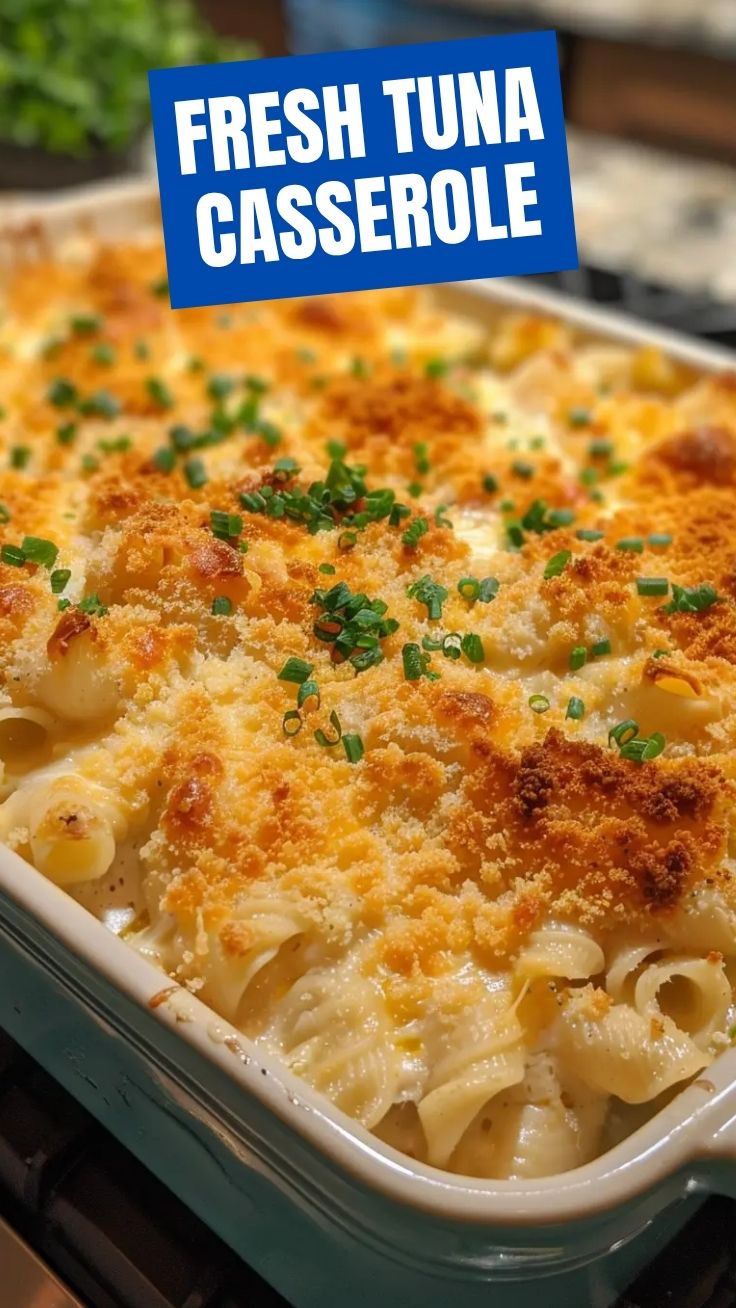
Total time: 45 minutes | Prep: 15 minutes | Bake: 25–30 minutes | Rest: 5 minutes
Boil your pasta while you prepare the sauce to save time. The casserole needs a brief rest after baking so the sauce sets properly—rushing this step leads to a runny dish. For meal planning, you can assemble everything a day ahead and bake when ready.
Step-by-Step Instructions
1. Preheat oven to 375°F (190°C) and lightly grease your baking dish with butter or nonstick spray.
2. Cook noodles in salted boiling water until al dente (1 minute less than package directions). Drain and set aside.
3. In a large bowl, whisk together the cream of mushroom soup and milk until smooth. Fold in the drained tuna, peas, cheddar, and half the Parmesan.
4. Combine the sauce mixture with the cooked noodles, stirring gently to avoid breaking the pasta.
5. Transfer to the baking dish. This is where you decide between a traditional Tuna Casserole or a baked tuna casserole—the baking step creates the signature crust. Sprinkle remaining Parmesan and your chosen topping evenly over the surface.
6. Bake uncovered for 25–30 minutes until bubbly around the edges and golden on top. For extra crunch, broil 1–2 minutes at the end.
7. Rest for 5 minutes before serving—this allows the sauce to thicken.
Temperature tip: If your topping browns too quickly, tent with foil for the remaining baking time. For a crispier texture, place the dish on the lower middle rack during the last 10 minutes.
Nutritional Benefits & Advantages
A single serving provides approximately 420 calories with 22g of protein, thanks to the tuna. You also get omega-3 fatty acids, vitamin D, and B vitamins from the fish. Peas add fiber and vitamin K, while the dairy component contributes calcium. Making this Tuna Casserole at home cuts sodium by up to 40% compared to restaurant versions. The baked tuna casserole method requires minimal added fat compared to fried alternatives.
Tips Variations & Cooking Advice
Flavor Boosters: Add ½ teaspoon smoked paprika or a dash of cayenne for warmth. Sauté diced onion and garlic in butter before mixing into the sauce.
Dietary Adaptations:
– Gluten-free: Use gluten-free pasta and cream of mushroom soup made from rice flour
– Dairy-free: Substitute canned coconut milk for dairy milk and nutritional yeast for cheese
– Low-carb: Replace noodles with cauliflower florets or zucchini ribbons
Alternative Cooking: Skip the baking step entirely by preparing this as a stovetop skillet meal in 20 minutes. The stove version lacks the crispy topping but offers speed and creaminess.
Common Mistakes to Avoid
| Mistake | Solution |
|———|———-|
| Soggy noodles | Cook pasta 1 minute under al dente |
| Curdled sauce | Temper milk to room temperature before mixing |
| Dry casserole | Cover with foil for first 15 minutes of baking |
| Bland flavor | Season each layer with salt, pepper, and a pinch of nutmeg |
Avoid draining the tuna too aggressively—a little moisture helps the sauce stay creamy. Likewise, don’t stir the final casserole after resting, or you’ll break the delicate structure.
Storage & Meal Prep Tips
Refrigerate leftovers in an airtight container for up to 4 days. For freezing, wrap the unbaked casserole tightly with plastic wrap and foil, then freeze for up to 3 months. Thaw overnight in the fridge before baking (add 15 minutes to the bake time). Reheat individual portions in the microwave with a damp paper towel to restore moisture. For crispy topping on reheated portions, use a toaster oven or air fryer at 350°F for 8 minutes.
Conclusion
Mastering this classic dish gives you a reliable weeknight hero that satisfies and nourishes. Whether you stick with the traditional Tuna Casserole or experiment with a baked tuna casserole variation, the technique remains simple: cook pasta just right, build a flavorful sauce, and let the oven work its magic. Try this recipe tonight, and share your twist in the comments. For more comfort food inspiration, explore our collection of one-dish meals.
FAQs
Can I use fresh tuna instead of canned? Yes, but sear fresh tuna quickly and flake it before adding to the sauce. It will be less moist than canned, so add 2–3 tablespoons extra milk.
Why did my casserole turn out watery? You likely overcooked the noodles or didn’t drain the tuna well. Also check that your soup isn’t diluted too much with milk.
How do I make this ahead of time? Assemble completely, cover, and refrigerate up to 24 hours. Add 10 minutes to the bake time and use an extra ¼ cup milk to prevent drying.
What’s the best cheese substitute? Try Gruyère or fontina for creaminess, or skip cheese entirely and add a tablespoon of Dijon mustard for tang.
Can I add vegetables? Absolutely—diced mushrooms, chopped broccoli, or roasted bell peppers work beautifully. Sauté hard vegetables first to remove excess moisture.
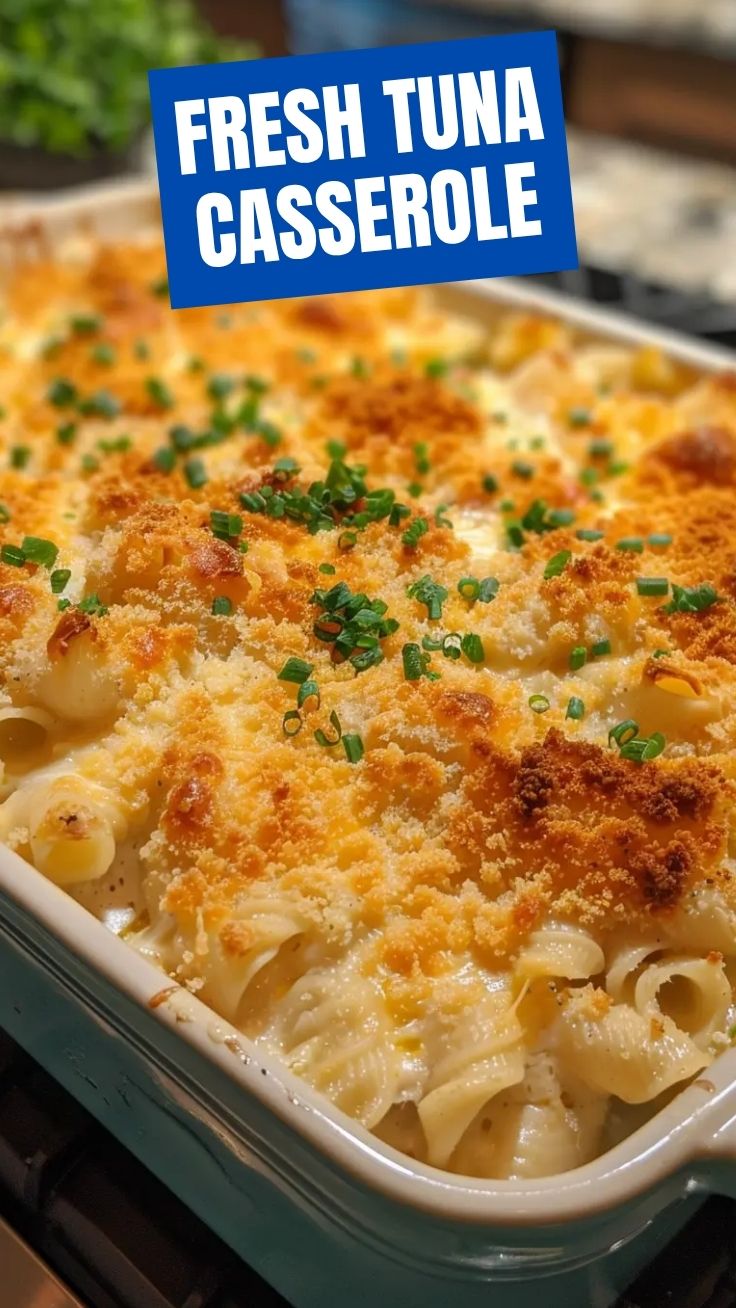
Tuna Casserole
Ingredients
Equipment
Method
- Preheat your oven to 375°F (190°C) and lightly grease a 9x13 inch baking dish. Cook the egg noodles according to package directions, then drain and set aside.
- In a large bowl, combine the cooked egg noodles, drained tuna, cream of mushroom soup, milk, and frozen peas. Stir until all ingredients are well combined.
- Transfer the mixture to the prepared baking dish and spread evenly. Sprinkle the shredded cheddar cheese over the top of the casserole.
- Bake for 20-25 minutes, or until the casserole is bubbly and the cheese is melted. Remove the casserole from the oven and sprinkle with crushed potato chips.
- Return to the oven for another 5 minutes, or until the potato chips are lightly browned and crispy. Let stand for a few minutes before serving.