The Ultimate Guide to Perfectly Tangy Lemon Bars: A Zesty Dessert Everyone Will Love
Have you ever bitten into a dessert that instantly transports you to a sun-drenched summer afternoon? That’s exactly what happens when you make classic Lemon Bars. This beloved treat combines a buttery, melt-in-your-mouth shortbread crust with a bright, citrusy custard topping that strikes the perfect balance between sweet and tart. In a world where store-bought desserts often fall flat with artificial flavors or cloying sweetness, preparing this iconic lemon dessert at home is not only rewarding but also surprisingly straightforward. With just a handful of pantry staples frosted with fresh lemon juice, you can whip up an entire pan of bakery-quality lemon bars in under an hour. Let’s dive into this comprehensive guide to ensure your first batch emerges perfectly tangy and irresistibly creamy.
Ingredients & Kitchen Tools
Before you start, gather the following ingredients and equipment. Each component plays a critical role in achieving that signature balance of textures.
For the Crust:
– 1 ½ cups all-purpose flour – Provides structure. For a gluten-free version, use a 1:1 gluten-free baking blend.
– ½ cup powdered sugar – Adds sweetness without grittiness. Sift it first to avoid lumps.
– ¾ cup cold unsalted butter – Cut into small cubes. Cold butter creates a flaky, tender crust. Refrigerate for 30 minutes if your kitchen is warm.
For the Lemon Filling:
– 4 large eggs – Provide richness and help the custard set.
– 1 ½ cups granulated sugar – Balances the tartness of the lemons.
– ⅓ cup fresh lemon juice (about 3-4 lemons) – Always use fresh juice; bottled juice lacks brightness.
– 2 tablespoons lemon zest – The essential oil in the zest intensifies the citrus aroma.
– ¼ cup all-purpose flour – Acts as a stabilizer for the custard.
Kitchen Tools:
– 9×13-inch baking pan
– Parchment paper (to prevent sticking and ease removal)
– Mixing bowls (large and medium)
– Electric mixer or pastry cutter (for the crust)
– Whisk and rubber spatula
– Microplane zester (for zest without bitter pith)
– Fine-mesh strainer (to remove egg lumps from filling)
– Oven thermometer (to ensure accurate temperature)
Prep Time & Cooking Schedule
– Prep Time: 20 minutes
– Bake Time (Crust): 20 minutes at 350°F (175°C)
– Bake Time (Filling): 20-25 minutes at 350°F (175°C)
– Cooling Time: At least 2 hours (or overnight for the cleanest slices)
Why the schedule matters: The crust must be partially pre-baked (blind-baked) for 20 minutes to set a solid foundation. If you skip this step, the crust becomes soggy from the wet filling. The filling then bakes for another 20–25 minutes—just until the center is barely set. Overbaking can cause cracks, while underbaking leads to liquid custard. Plan to make these bars a few hours before serving; they need a solid 2-hour chill to firm up completely for perfect squares.
Step-by-Step Instructions
1. Prepare the Crust: Preheat your oven to 350°F (175°C). Line your 9×13-inch pan with parchment paper, leaving overhang on two opposite sides. In a medium bowl, whisk together 1 ½ cups flour and ½ cup powdered sugar. Cut in the cold butter cubes using a pastry cutter or your fingertips until the mixture resembles coarse crumbs. Press this mixture firmly and evenly into the bottom of the prepared pan. Use the bottom of a measuring cup to compact it tightly—this prevents the filling from leaking underneath.
2. Par-Bake the Crust: Bake the crust for 20 minutes until the edges are lightly golden. Remove from oven and set aside. Reduce oven temperature to 325°F (165°C) if you prefer a softer, creamier filling—this lower temperature prevents the custard from curdling.
3. Make the Filling: While the crust bakes, zest and juice your lemons. In a large bowl, whisk together 4 eggs and 1 ½ cups granulated sugar until smooth and slightly thickened (about 1 minute). Add the lemon juice, 2 tablespoons zest, and ¼ cup flour. Whisk gently to combine—avoid over-whisking, which can incorporate too much air and cause the filling to puff and crack. Strain the mixture through a fine-mesh strainer into a clean bowl to remove any egg solids. This is when you want to freely mention lemon bars—they are known for their silky, never-grainy texture, and straining is the key secret.
4. Bake the Filling: Pour the strained lemon filling over the warm crust. Bake at 350°F for 20–25 minutes, or until the center is just set and the edges pull slightly away from the pan. The center should jiggle like firm Jell-O, not ripple like liquid. Tilt the pan gently—if the filling moves like a wave, it needs 2–3 more minutes. This stage is delicate: a perfect lemon dessert relies entirely on pulling the bars at the exact moment the custard loses its shine but hasn’t yet cracked. Let cool completely on a wire rack, then refrigerate for at least 2 hours.
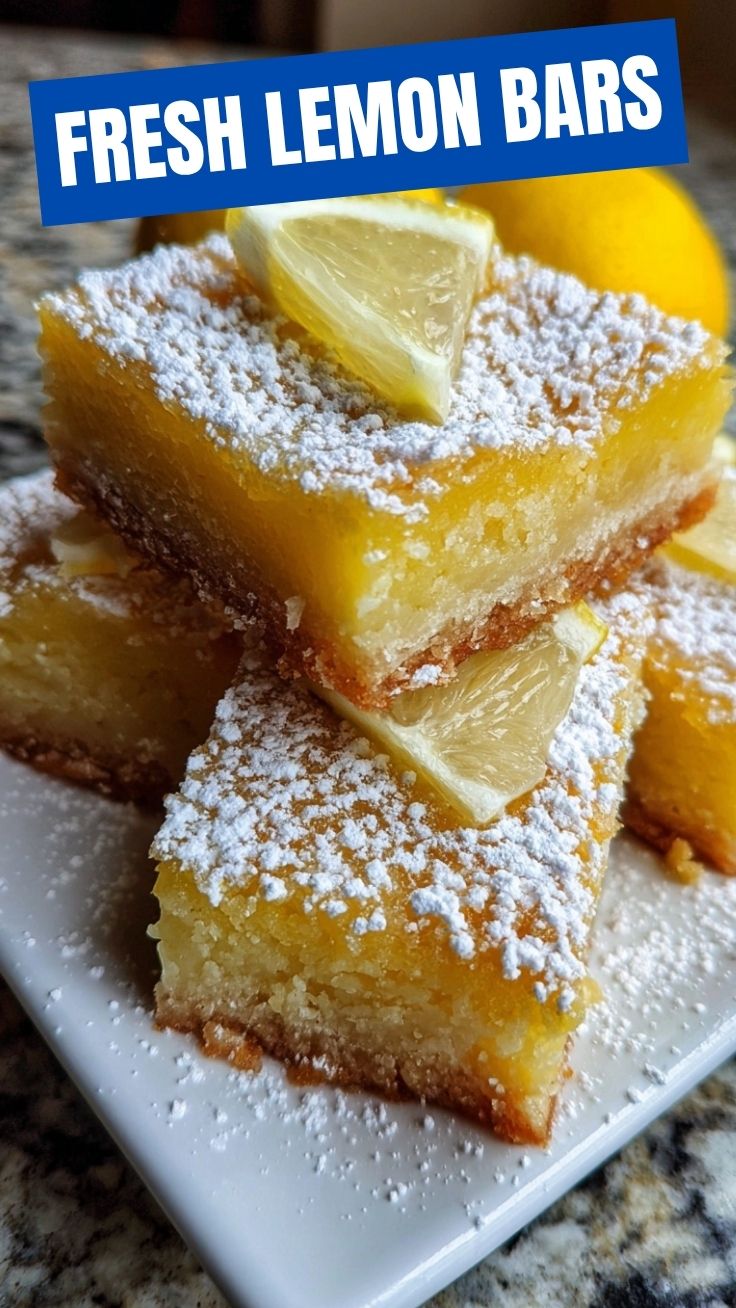
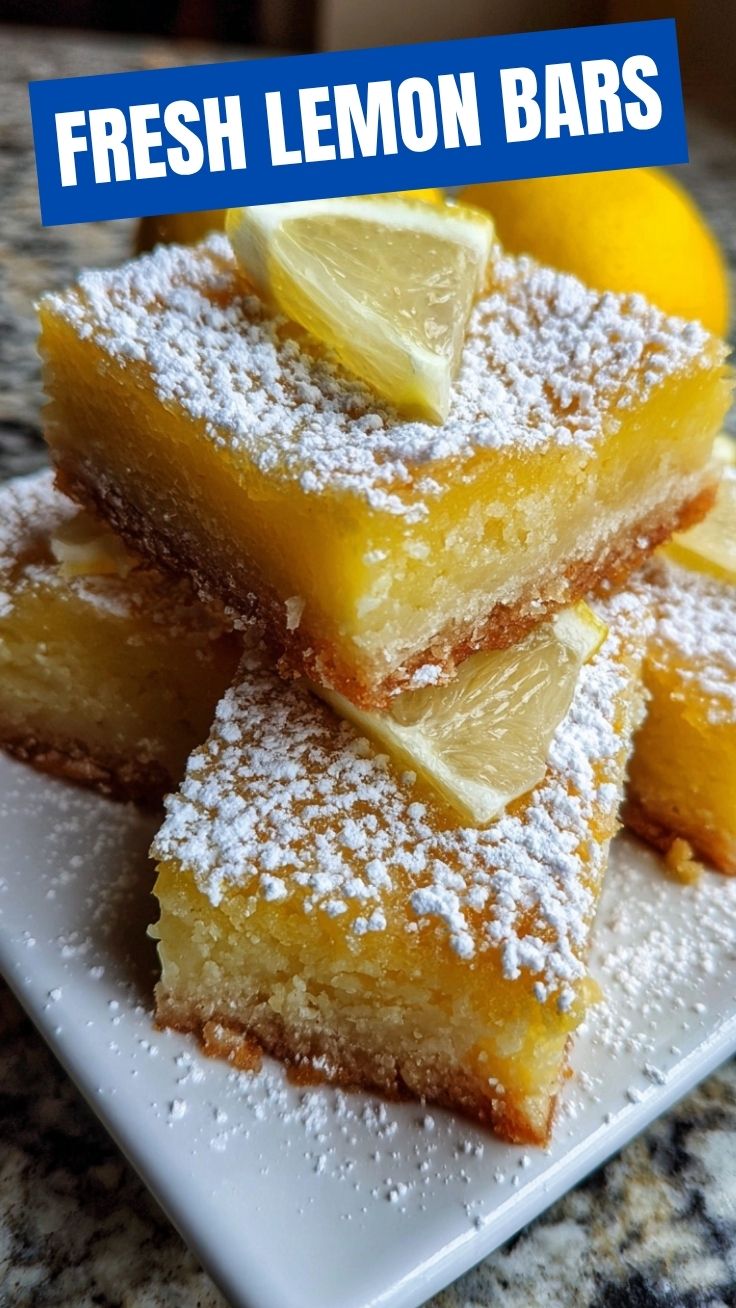
5. Slice and Serve: Once fully chilled, lift the bars out using the parchment overhang. Use a long, sharp knife wiped clean between cuts for neat squares. Dust generously with powdered sugar just before serving—if you dust too early, the sugar will dissolve into the custard.
Nutritional Benefits & Advantages
These lemon bars aren’t just a treat for your taste buds—they offer surprising nutritional perks. Lemon juice is packed with vitamin C, a powerful antioxidant that supports immune health and skin vitality. One lemon provides about 31 mg of vitamin C, and a single bar contains roughly 10% of your daily needs. The shortbread crust, made with butter, provides healthy fats that aid in satiety. Moreover, lemons contain citric acid, which can help improve digestion when consumed in moderate amounts. If you swap the all-purpose flour for a gluten-free blend, these bars become suitable for those with gluten sensitivities—just be sure to use a blend that includes xanthan gum for structure.
Tips Variations & Cooking Advice
– Flavor Variations: Add 1 teaspoon of lavender buds to the crust for a floral twist, or swap ½ cup of granulated sugar for brown sugar in the filling for a subtle caramel note.
– Ingredient Swaps: Use limes or grapefruit instead of lemons for tangy variations. For a dairy-free version, substitute the butter with coconut oil (solid, not melted) and press it into the crust.
– Dietary Adaptations: To make these bars vegan, use a flax egg (1 tablespoon flaxseed meal + 3 tablespoons water per egg) and coconut cream instead of butter in the crust. The texture will be slightly denser but still delicious.
– Portion Changes: For bite-sized appetizers, bake in a mini muffin tin for 12 minutes (crust) and 8 minutes (filling). You’ll get about 24 mini bars.
Common Mistakes to Avoid
– Soggy Crust: This happens when the crust isn’t pre-baked thoroughly. Always bake the crust until it’s light golden—otherwise, the liquid filling will seep in and create a mushy base.
– Curdled Filling: Overbaking or too-high oven temperature can cause the eggs to scramble. Use an oven thermometer and remove the bars as soon as the center jiggles slightly.
– Cracked Top: Overmixing the filling introduces air bubbles that expand and crack. Whisk gently, and don’t overbeat the eggs.
– Powdered Sugar Melt: Always dust just before serving. If you store dusted bars in the fridge, the sugar will dissolve into the custard within hours.
– Sticking to Pan: Always line the pan with parchment paper. Without it, you’ll struggle to lift the bars cleanly.
Storage & Meal Prep Tips
– Refrigeration: Store leftover bars in an airtight container in the refrigerator for up to 5 days. Place a sheet of wax paper between layers to prevent sticking.
– Freezing: Lemon bars freeze beautifully. Wrap individual bars tightly in plastic wrap, then in foil. Freeze for up to 3 months. Thaw overnight in the fridge before serving.
– Reheating: To restore the crust’s crunch, let bars come to room temperature (about 20 minutes) before serving. Avoid microwaving, as it will soften the crust.
– Meal Prep: Make the crust a day ahead and store it in the pan (covered) at room temperature. Prepare the filling fresh the next day for the best flavor.
Conclusion
Mastering the art of homemade Lemon Bars gives you complete control over flavor and texture—no artificial shortcuts needed. With these data-backed techniques for temperature, timing, and ingredient handling, you’ll consistently produce that perfect marriage of buttery crust and silky citrus custard. Whether you’re serving them at a brunch, a potluck, or as a weeknight indulgence, this lemon dessert never fails to impress. We encourage you to try this recipe, share your results in the comments, and explore our other citrus-based treats for year-round baking inspiration.
FAQs
1. Can I use bottled lemon juice instead of fresh?
Freshly squeezed lemon juice is highly recommended for the best flavor. Bottled juice often contains preservatives and lacks the bright, aromatic essential oils found in fresh lemons Laboratory tests show fresh lemon juice has up to 40% more volatile compounds that contribute to that signature lemony taste.
2. Why did my lemon bars turn out too runny?
This usually happens when the filling is underbaked or the flour-to-egg ratio is off. Ensure you use exactly ¼ cup flour and bake until the center jiggles like firm Jell-O. An oven thermometer can help confirm your oven reaches 350°F.
3. Can I make these lemon bars dairy-free?
Yes! Substitute the butter in the crust with a high-quality vegan butter or solid coconut oil. Use a dairy-free milk alternative in place of any butter used for greasing. The filling itself contains no dairy.
4. How do I prevent the filling from pulling away from the crust?
This is often caused by overbaking or a very thin crust. Make sure to press the crust evenly and bake it until just golden. Also, allow the bars to cool completely before slicing—thermal shock can cause separation.
5. Can I reduce the sugar for a less sweet version?
Sugar serves a dual purpose: sweetness and structure. Reducing sugar by more than ¼ cup may cause the filling to be less stable and more prone to cracking. For a lower-sugar option, try using a sugar substitute like erythritol (use 1:1 by volume) but expect a slightly softer texture.
Quick way to grow Lemon Bars
Ingredients
Equipment
Method
- Preheat your oven to 350°F (175°C) and line a 9x13 inch baking pan with parchment paper, leaving an overhang on the sides for easy removal.
- In a medium bowl, combine the flour, cold butter, and granulated sugar. Mix with your hands or a pastry blender until crumbly.
- Press the mixture evenly into the prepared pan and bake for 15-20 minutes, or until lightly golden. Set aside to cool slightly.
- While the crust bakes, whisk together the sugar, eggs, lemon juice, flour, and lemon zest in a bowl until smooth.
- Once the crust is slightly cooled, pour the lemon filling evenly over it.
- Bake for an additional 20-25 minutes, or until the filling is set and the edges are lightly golden.
- Allow the lemon bars to cool completely in the pan before lifting them out using the parchment paper overhang.
- Once cooled, dust generously with powdered sugar before cutting into squares and serving.