Craving Crispy Perfection? Master Homemade Fried Chicken!
Ever wonder how your favorite restaurant achieves that irresistible golden crunch and juicy interior with their Fried Chicken? The secret isn’t some mystical culinary wizardry; it’s a combination of simple techniques and quality ingredients that are surprisingly easy to replicate in your own kitchen. Today, we’re diving deep into crafting the ultimate batch of homemade Fried Chicken, a dish that embodies comfort and flavor. Forget greasy takeout – preparing your own allows for complete control over freshness, seasoning, and that coveted crispy texture. And for those who adore a classic, understanding the nuances of Southern Fried Chicken will elevate your culinary skills to a new level.
Ingredients & Kitchen Tools
- Chicken (3-4 lbs, bone-in, skin-on, cut into 8-10 pieces): A mix of thighs, drumsticks, and breasts works best for varied textures. Bone-in and skin-on provide the most flavor and moisture.
- Buttermilk (2 cups): Tenderizes the chicken and helps the coating adhere. Full-fat is preferred for richness.
- All-Purpose Flour (2 cups): The base for our crispy coating.
- Cornstarch (1/2 cup): Adds extra crispiness and helps prevent sogginess.
- Smoked Paprika (1 tbsp): For a subtle smoky depth and beautiful color.
- Garlic Powder (1 tbsp): Aromatic and savory, enhances overall flavor.
- Onion Powder (1 tbsp): Complements the garlic and adds complexity.
- Cayenne Pepper (1 tsp, or to taste): For a gentle kick; adjust based on your spice preference.
- Salt (2 tsp, or to taste): Essential for seasoning both the chicken and the coating.
- Black Pepper (1 tsp, freshly ground): Adds a pungent freshness.
- Egg (1 large): Helps bind the coating to the chicken, especially useful if you prefer a thicker crust.
- Hot Sauce (1 tbsp, optional): A dash in the buttermilk brine adds another layer of flavor.
- Vegetable Oil or Peanut Oil (6-8 cups): For deep-frying. Choose an oil with a high smoke point.
- Large Bowl(s): For brining and for the flour mixture.
- Whisk: To combine dry ingredients evenly.
- Tongs: For safely handling chicken in and out of hot oil.
- Large Dutch Oven or Deep-Sided Pot: Ideal for deep-frying, maintaining even temperature.
- Wire Rack with Baking Sheet: To drain excess oil and keep chicken crispy.
- Thermometer (Candy or Deep-Fry): Crucial for accurate oil temperature control.
Prep Time & Cooking Schedule
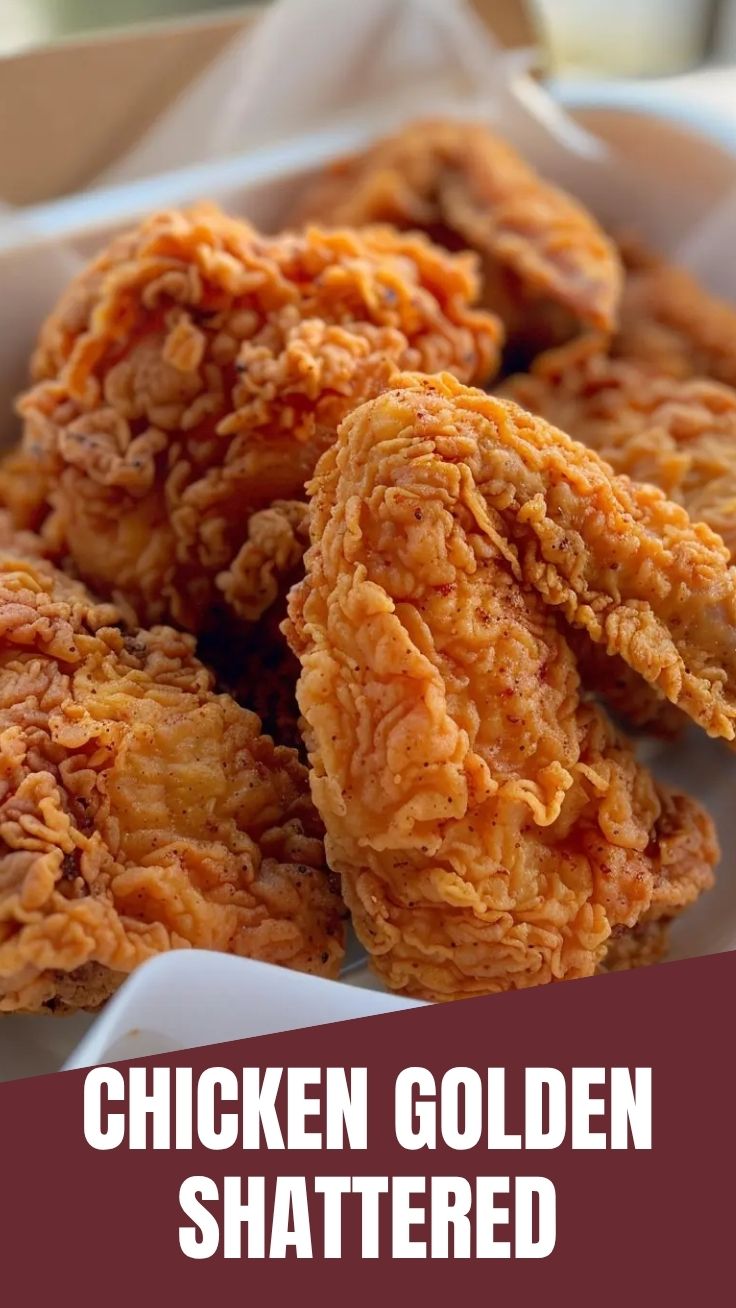
- Marinating Time: 2-4 hours (or overnight for best results). This allows the buttermilk to tenderize the chicken and infuse flavor.
- Prep Time: 20 minutes (coating, setting up oil).
- Cooking Time: 20-30 minutes per batch (depending on chicken piece size).
- Resting Time: 5-10 minutes after frying. This allows the juices to redistribute, ensuring moist chicken.
Plan to start your marination the day before or early in the morning for dinner. Frying takes active attention, so clear your schedule for that stage.
Step-by-Step Instructions
1. Prepare the Brine: In a large bowl, combine the buttermilk, 1 tsp salt, 1/2 tsp black pepper, and optional hot sauce. Add the chicken pieces, ensuring they are fully submerged. Cover and refrigerate for at least 2 hours, or preferably overnight. This buttermilk soak is key to tenderizing your Fried Chicken.
2. Combine Dry Ingredients: In another large bowl, whisk together the flour, cornstarch, smoked paprika, garlic powder, onion powder, cayenne pepper, remaining 1 tsp salt, and 1/2 tsp black pepper. This seasoned flour will give your Southern Fried Chicken its distinctive flavor and texture.
3. Dredge the Chicken: Remove chicken from the buttermilk, letting excess drip off. Lightly dredge each piece in the seasoned flour, ensuring it’s fully coated. For an extra thick crust, dip the floured chicken back into the buttermilk briefly (optional, usually I skip this for a less heavy crust) then into the flour a second time, pressing to adhere. Place coated chicken on a wire rack while you prepare the oil.
4. Heat the Oil: Pour vegetable or peanut oil into a heavy-bottomed Dutch oven or deep pot until it’s about 3 inches deep. Attach a deep-fry thermometer to the side of the pot. Heat the oil over medium-high heat until it reaches 350°F (175°C).
5. Fry the Chicken: Carefully lower 2-3 pieces of chicken into the hot oil using tongs, being careful not to overcrowd the pot. Overcrowding lowers the oil temperature and leads to greasy, unevenly cooked chicken. Fry for 6-8 minutes per side, turning occasionally, until golden brown and the internal temperature reaches 165°F (74°C) at its thickest part.
6. Drain and Rest: Transfer fried chicken to a clean wire rack set over a baking sheet to drain excess oil. This is crucial for maintaining crispiness. Repeat with remaining chicken, ensuring the oil returns to 350°F (175°C) before each new batch. Let the chicken rest for 5-10 minutes before serving.
Nutritional Benefits & Advantages
While often seen as an indulgence, homemade Fried Chicken can offer some nutritional advantages. Chicken itself is a lean protein source, providing essential amino acids crucial for muscle repair and growth. The frying process, when done correctly at the optimal temperature, seals in juices and flavor. Opting for organic, free-range chicken can also mean a better nutritional profile. Using quality oil and draining properly minimizes fat absorption. Plus, preparing it at home gives you control over the amount of salt and type of seasonings, allowing for a healthier profile compared to many restaurant versions.
Tips, Variations & Cooking Advice
- Spice it up: Add a teaspoon of smoked paprika or a pinch of cayenne to the buttermilk brine for an extra kick.
- Herbaceous Flavor: Incorporate dried herbs like thyme or rosemary into your flour mixture for an aromatic twist.
- Gluten-Free: Substitute the all-purpose flour with a 1:1 gluten-free flour blend that contains xanthan gum for a crispy GF option.
- Air Fryer Version: For a lighter take, lightly oil the coated chicken and air-fry at 375°F (190°C) for 20-30 minutes, flipping halfway, until golden and cooked through. Results will be less deep-fried crispy but still delicious.
- Double Dredge for Extra Crunch: For a truly craggy, extra-crispy crust, double-dredge: buttermilk, flour, buttermilk, flour.
Common Mistakes to Avoid
- Overcrowding the Pot: This significantly drops the oil temperature, leading to greasy, undercooked chicken. Work in small batches.
- Incorrect Oil Temperature: Too low, and the chicken becomes greasy; too high, and the outside burns before the inside cooks. Use a thermometer!
- Skipping the Rest: Resting allows the juices to redistribute, leading to moist chicken. Don’t cut this step short.
- Not Draining Properly: After frying, drain on a wire rack, not paper towels, to prevent steam buildup and maintain crispiness.
- Underseasoning: Don’t be shy with the salt and pepper in both the brine and the flour mixture.
Storage & Meal Prep Tips
Leftover Fried Chicken stores well. Once completely cooled, place in an airtight container in the refrigerator for up to 3-4 days. To reheat and maintain crispiness, avoid the microwave. Instead, preheat your oven to 375°F (190°C) and bake for 15-20 minutes, or until warmed through and crispy. An air fryer also works wonders for reheating, at 350°F (175°C) for 5-8 minutes. For meal prep, you can marinate the chicken one day ahead, so it’s ready to dredge and fry when you are.
Conclusion
Mastering homemade Fried Chicken is a truly rewarding culinary journey, transforming simple ingredients into an unforgettable meal. From the tenderizing buttermilk brine to the perfectly seasoned, crispy coating, every step contributes to that delightful experience. Whether you’re aiming for a classic American staple or perfecting the nuanced flavors of Southern Fried Chicken, these techniques will guarantee rave reviews. Don’t hesitate to give this recipe a try; the crispy, juicy results are worth every effort!
FAQs
Q1: Can I use boneless, skinless chicken for this recipe?
A1: While you can, bone-in, skin-on chicken is highly recommended as it yields a juicier, more flavorful result and prevents the chicken from drying out during frying. Boneless pieces cook faster, so adjust frying time accordingly.
Q2: What is the best oil for frying chicken?
A2: Vegetable oil, peanut oil, or canola oil are excellent choices as they have high smoke points, allowing them to reach the necessary frying temperatures without burning. Peanut oil also imparts a subtle, pleasant flavor.
Q3: How do I know when the chicken is fully cooked?
A3: The most reliable way is using a meat thermometer. Insert it into the thickest part of the chicken, avoiding the bone. The chicken is fully cooked when it reaches an internal temperature of 165°F (74°C).
Q4: Can I reuse the frying oil?
A4: Yes, you can. After frying, let the oil cool completely, then strain it through a fine-mesh sieve or cheesecloth to remove any food particles. Store it in an airtight container in a cool, dark place for up to several uses. Discard when it becomes dark, cloudy, or develops an off-odor.
Q5: My chicken isn’t crispy. What went wrong?
A5: Common culprits include overcrowding the pot (which drops oil temperature), not draining the chicken on a wire rack (trapping steam), or oil temperature being too low. Ensure your oil stays at 350°F and fry in small batches.
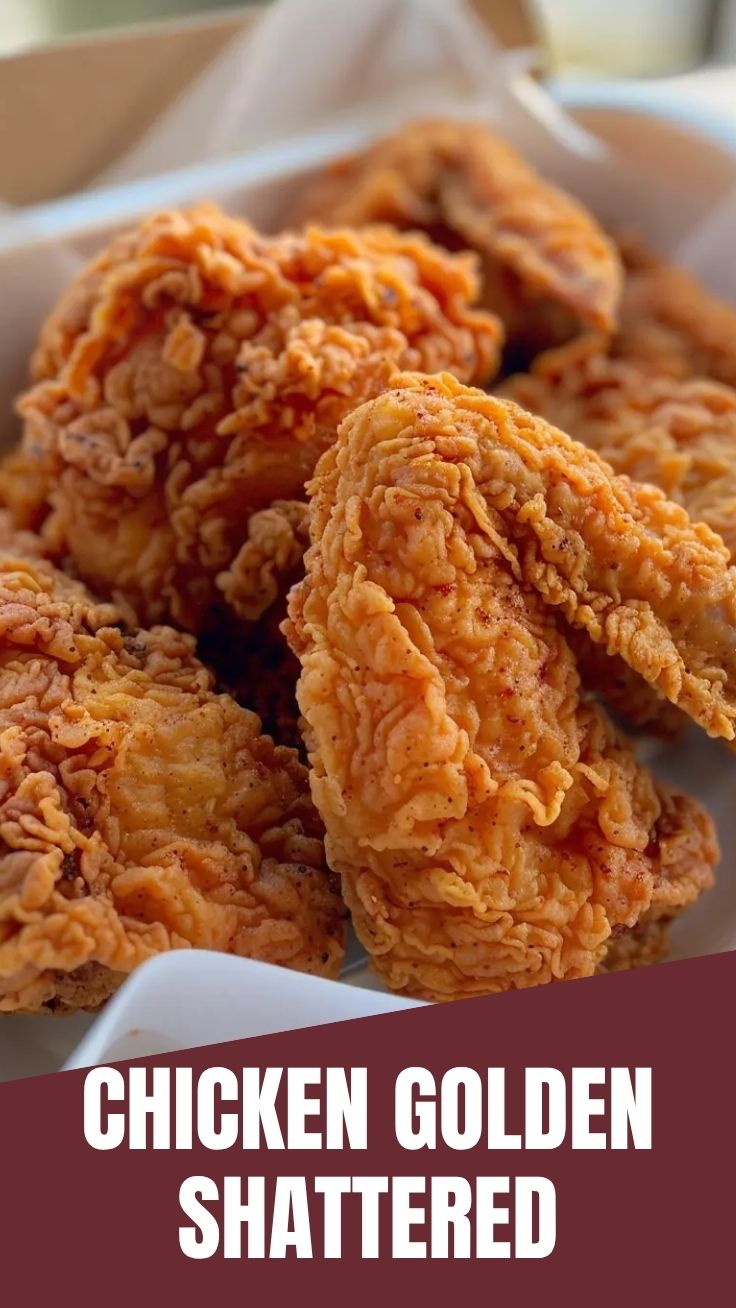
Crispy Fried Chicken
Ingredients
Equipment
Method
- In a large bowl, combine buttermilk, 2 tablespoons salt, 1 teaspoon black pepper, 1 teaspoon paprika, and 1 teaspoon garlic powder. Add chicken pieces, ensuring they are fully submerged.
- Cover the bowl and refrigerate for at least 4 hours, or preferably overnight. In a separate shallow dish, whisk together flour, cornstarch, 1 tablespoon salt, and 1 teaspoon black pepper.
- Heat vegetable oil in a large, heavy-bottomed pot or Dutch oven to 350°F (175°C). Remove chicken from buttermilk, allowing excess to drip off, then dredge each piece in the flour mixture, ensuring it is fully coated.
- Dip the chicken back into the buttermilk briefly, then dredge thoroughly in the flour mixture a second time. Carefully place a few chicken pieces into the hot oil, making sure not to overcrowd the pot.
- Fry for 6-8 minutes per side, or until golden brown and cooked through (internal temperature of 165°F/74°C). Remove chicken and place on a wire rack set over paper towels to drain excess oil. Repeat with remaining chicken and serve hot.