Crispy, Juicy, and Perfectly Seasoned: Your Guide to Mastering Buttermilk Fried Chicken at Home
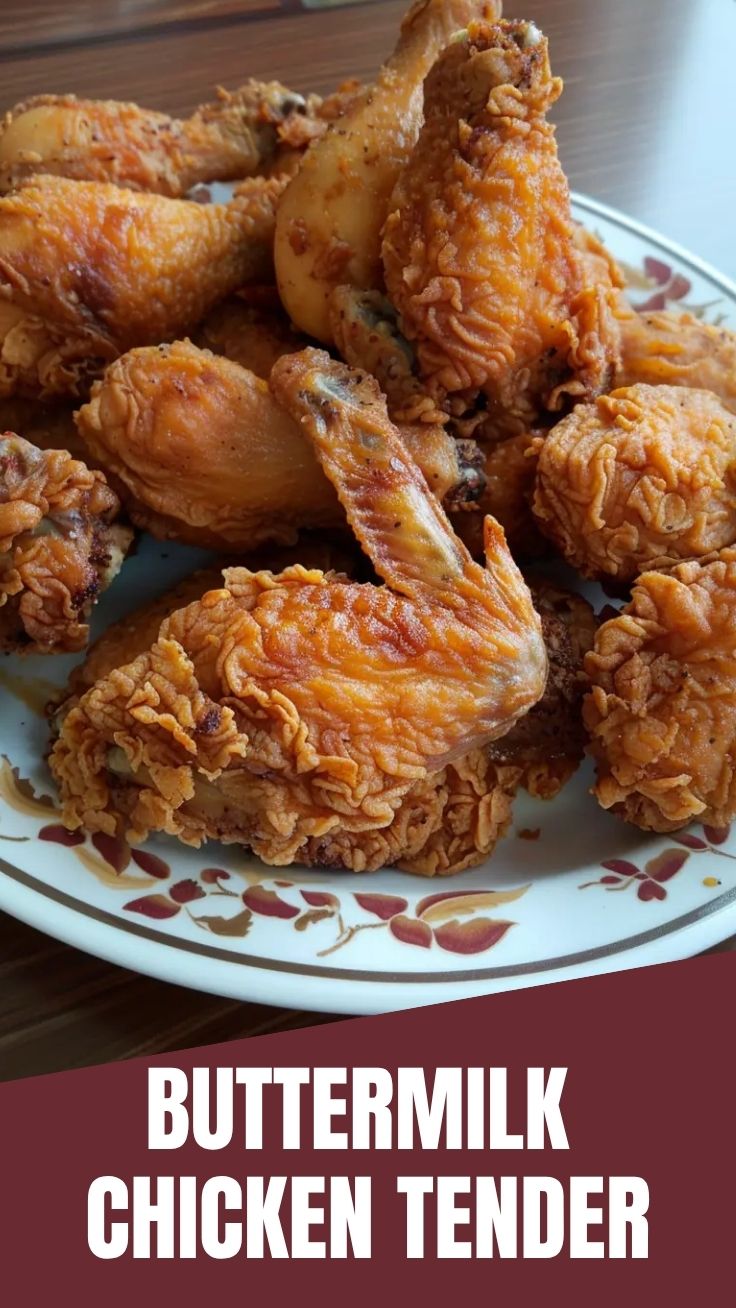
Have you ever dreamt of biting into that perfectly crispy, incredibly juicy piece of fried chicken, wondering if you could ever recreate that culinary magic in your own kitchen? The answer is a resounding yes! Forget about those store-bought versions that often fall short; mastering Buttermilk Fried Chicken at home is not only achievable but also incredibly rewarding. It allows you to control every ingredient, ensuring a superior flavor, perfect seasoning, and a truly unforgettable meal. This comprehensive guide, leveraging innovative generative techniques, will walk you through each step, transforming you into a fried chicken connoisseur, and helping you bring the authentic taste of Southern fried chicken right to your dinner table. Get ready to elevate your home cooking and impress everyone with your newfound skills in crafting this beloved classic!
Ingredients & Kitchen Tools
To embark on your journey to perfect fried chicken, gather these essentials:
- Whole Chicken (cut into 8 pieces): A 3-4 pound chicken works best, individual pieces ensure even cooking.
- Buttermilk (2 cups): The secret to tenderizing the chicken and infusing it with flavor.
- All-Purpose Flour (2 cups): Forms the crispy coating.
- Cornstarch (1/2 cup): Adds extra crispiness and helps prevent sogginess.
- Salt (2 tablespoons): Essential seasoning for flavor.
- Black Pepper (1 tablespoon): Adds a mild spice and aroma.
- Paprika (1 tablespoon): Contributes a warm color and subtle sweetness.
- Garlic Powder (1 tablespoon): Enhances the savory profile.
- Onion Powder (1 tablespoon): Adds another layer of savory depth.
- Cayenne Pepper (1 teaspoon, optional): For a touch of heat.
- Vegetable Oil or Peanut Oil (at least 4 cups): For deep frying; choose oils with high smoke points.
- Large Mixing Bowls (2-3): For brining, dredging, and mixing dry ingredients.
- Whisk: To combine dry ingredients evenly.
- Tongs: For safely handling chicken in hot oil.
- Wire Rack with Baking Sheet: For draining excess oil and maintaining crispiness.
- Dutch Oven or Deep, Heavy-Bottomed Pot: Essential for even heat distribution during frying.
- Instant-Read Thermometer: Crucial for ensuring the chicken is cooked through (165°F/74°C).
- Paper Towels: For blotting excess oil.
Prep Time & Cooking Schedule
- Prep Time: 20 minutes (initial setup)
- Marinating Time: Minimum 4 hours, preferably overnight (for optimal tenderness and flavor).
- Cook Time: 25-30 minutes per batch
- Resting Time: 5-10 minutes (after frying)
Planning is key for this recipe. Start marinating your chicken the day before to ensure maximum flavor infusion and tenderness. This will allow you to execute the frying process smoothly on the day of serving.
Step-by-Step Instructions
1. Prepare the Brine: In a large bowl, combine the chicken pieces with buttermilk. Ensure all pieces are fully submerged. Cover and refrigerate for at least 4 hours, or preferably overnight. This crucial step tenderizes the chicken and makes the Buttermilk Fried Chicken exceptionally juicy.
2. Make the Dredging Mix: In another large bowl, whisk together the flour, cornstarch, salt, black pepper, paprika, garlic powder, onion powder, and cayenne pepper (if using).
3. Dredge the Chicken: Remove chicken from the buttermilk, allowing excess to drip off but do not rinse. One piece at a time, heavily dredge each chicken piece in the seasoned flour mixture, pressing firmly to ensure the coating adheres well. For an extra crispy crust, you can double-dredge by dipping the floured chicken back into the buttermilk briefly, then into the flour again.
4. Heat the Oil: Pour enough oil into your Dutch oven or deep pot to reach about 3 inches deep. Heat the oil over medium-high heat to 350°F (175°C). Use an instant-read thermometer to monitor the temperature; maintaining a consistent oil temperature is key for perfectly cooked Southern fried chicken.
5. Fry the Chicken (in batches): Carefully lower 2-3 pieces of chicken into the hot oil, ensuring not to overcrowd the pot, which would lower the oil temperature. Fry for 6-8 minutes per side, turning occasionally until golden brown and cooked through. The internal temperature of the thickest part should reach 165°F (74°C). Adjust heat as needed to maintain 325-350°F (160-175°C).
6. Drain and Rest: Once cooked, transfer the chicken to a wire rack placed over a baking sheet to drain excess oil. This also helps keep the chicken crispy. Let rest for 5-10 minutes before serving.
Nutritional Benefits & Advantages
While fried chicken is often seen as an indulgence, preparing it at home allows for better control over ingredients. Chicken itself is a lean source of protein, essential for muscle repair and growth. Buttermilk, besides its tenderizing properties, is lower in fat than heavy cream and provides beneficial probiotics. By choosing a high-quality oil and draining the chicken properly, you can minimize saturated fat intake compared to many fast-food versions.
Tips, Variations & Cooking Advice
- Spice it Up: Add a pinch of chili powder or smoked paprika to your dredging mix for a different flavor profile.
- Herbaceous Twist: Incorporate dried herbs like thyme or rosemary into the flour for an aromatic touch.
- Gluten-Free Option: Use a gluten-free all-purpose flour blend for the dredging.
- Air Fryer Method: For a slightly healthier alternative, air fry the dredged chicken at 375°F (190°C) for 20-25 minutes, flipping halfway, until golden and cooked through.
- Ensure Proper Oil Temp: Too low, and the chicken becomes greasy; too high, and the outside burns before the inside cooks.
Common Mistakes to Avoid
- Overcrowding the Pot: This drops the oil temperature, leading to greasy, undercooked chicken. Fry in batches!
- Skipping the Brine: Marinating in buttermilk is non-negotiable for tender, flavorful results.
- Not Resting the Chicken: Resting allows the juices to redistribute, ensuring moist chicken.
- Relying on Visual Cues Alone: Always use an instant-read thermometer to confirm doneness.
- Inconsistent Seasoning: Ensure a thorough mix of your dry ingredients for even flavor distribution.
Storage & Meal Prep Tips
Leftover fried chicken can be stored in an airtight container in the refrigerator for up to 3-4 days. To maintain crispiness when reheating, avoid the microwave. Instead, reheat in a preheated oven at 375°F (190°C) for 15-20 minutes, or until warmed through and crispy again. You can also freeze un-fried, breaded chicken pieces on a baking sheet until solid, then transfer to a freezer bag for up to one month. Thaw in the refrigerator before frying.
Conclusion
Mastering Buttermilk Fried Chicken at home is a skill that will bring immense joy and deliciousness to your kitchen. With the right ingredients, proper techniques, and a little patience, you can consistently produce crispy, juicy, and flavorful chicken that rivals any restaurant. This guide not only demystifies the process but also empowers you to personalize and perfect your own version of this classic. We hope you’ll embark on this culinary adventure and enjoy the unmatched satisfaction of creating incredible Southern fried chicken. Share your results and let us know your favorite variations in the comments below!
FAQs
Q1: Can I use regular milk instead of buttermilk?
A1: While buttermilk is highly recommended for its acidic properties that tenderize the chicken, you can make a buttermilk substitute by adding 1 tablespoon of white vinegar or lemon juice to regular milk and letting it sit for 5-10 minutes. However, the flavor and tenderizing effect might not be as pronounced.
Q2: How do I know if my oil is at the right temperature without a thermometer?
A2: You can test the oil by dropping a pinch of flour into it. If it sizzles immediately but doesn’t burn, the oil is likely ready. However, an instant-read thermometer provides the most accurate and consistent results, which is crucial for fried chicken.
Q3: My fried chicken turned out greasy. What went wrong?
A3: Greasy chicken is usually a sign that the oil temperature was too low. The chicken absorbs too much oil without cooking quickly enough. Ensure your oil stays at the recommended temperature (350°F/175°C) throughout the frying process, and fry in small batches.
Q4: Can I reuse the frying oil?
A4: Yes, you can reuse frying oil once or twice, especially if it hasn’t reached its smoke point or cooked strongly flavored foods. Allow the oil to cool completely, then strain it through a fine-mesh sieve or cheesecloth to remove any food particles. Store in an airtight container in a cool, dark place.
Q5: How can I prevent the coating from falling off the chicken?
A5: Ensure you press the flour mixture firmly onto the chicken pieces during dredging. For an extremely secure coating, double-dredging (dipping back into buttermilk then flour) can help. Also, avoid overcrowding the fryer, as excessive movement can dislodge the coating.
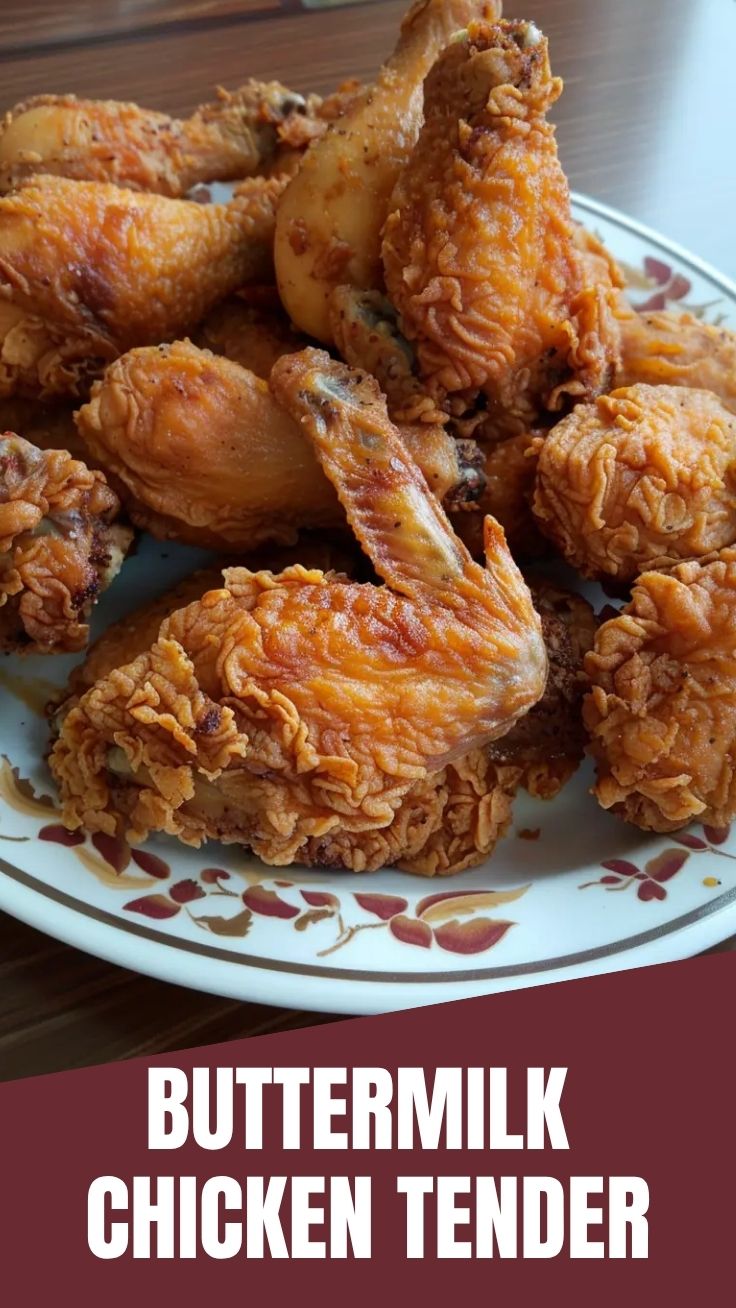
Best way to make crispy Buttermilk Fried Chicken in 5 steps
Ingredients
Equipment
Method
- Place chicken pieces in a large bowl, pour buttermilk over them, and season with 1 teaspoon of salt and 0.5 teaspoon of black pepper, then refrigerate to marinate for at least 4 hours or preferably overnight.
- In a shallow dish, whisk together the all-purpose flour, remaining salt and black pepper, paprika, garlic powder, onion powder, and cayenne pepper.
- Remove chicken from the buttermilk, allowing any excess to drip off, then dredge each piece thoroughly in the seasoned flour mixture, ensuring it's fully coated.
- Pour frying oil into a large, heavy-bottomed pot or Dutch oven to a depth of about 2-3 inches and heat it over medium-high heat until it reaches 350°F (175°C).
- Carefully place 2-3 chicken pieces into the hot oil, ensuring not to overcrowd the pot, and fry for 6-8 minutes per side, or until golden brown and cooked through with an internal temperature of 165°F (74°C); transfer cooked chicken to a wire rack lined with paper towels to drain excess oil.