Why You Should Skip the Canned Soup and Make This Italian Classic at Home
Have you ever opened a can of soup and wondered why it tastes nothing like the hearty, soul-warming bowl you remember from your favorite Italian restaurant? That metallic aftertaste, the mushy beans, the lifeless broth—it’s a pale imitation of the real thing. When you prepare Pasta Fagioli from scratch, you unlock layers of flavor that no factory can replicate: the nutty depth of sautéed pancetta, the silky creaminess of slow-simmered cannellini beans, and the satisfying chew of al dente pasta. Cooking it at home also gives you total control over sodium, spice, and texture, transforming a humble combination of beans and pasta into a meal that feels both nourishing and luxurious. In fact, following an Authentic pasta fagioli recipe ensures you capture the rustic soul of this Italian staple without any short cuts.
—
Ingredients & Kitchen Tools
Core Ingredients
– 1 cup dried cannellini beans (or two 15-oz cans, drained and rinsed) – Creamy white beans form the protein backbone.
– 1 cup ditalini pasta (or small shells, elbow macaroni) – The tiny tube shape holds broth beautifully.
– 4 oz pancetta, diced – Adds smoky depth; substitute with bacon or omit for vegetarian version.
– 1 medium yellow onion, finely chopped – Sweetness and aroma base.
– 2 celery stalks, diced – Earthy, herbal note.
– 2 medium carrots, diced – Natural sweetness and color.
– 4 garlic cloves, minced – Pungent warmth.
– 6 cups low-sodium chicken or vegetable broth – Controls salt level; homemade broth is best.
– 1 can (14.5 oz) crushed tomatoes – Bright acidity and rich color.
– 2 bay leaves – Subtle floral bitterness.
– 1 tsp dried oregano – Classic Italian herb.
– ½ tsp red pepper flakes (optional) – Gentle heat.
– 3 tbsp extra virgin olive oil – For sautéing and finishing drizzle.
– Salt and black pepper to taste – Season gradually.
– Fresh parsley and grated Parmesan for garnish – Brightness and umami.
Kitchen Tools
– Large heavy-bottomed pot or Dutch oven (5–6 quart) – Even heat distribution.
– Chef’s knife and cutting board – For uniform vegetable dice.
– Wooden spoon or silicone spatula – Gentle stirring without scratching.
– Ladle – For serving.
– Measuring cups and spoons – Accuracy matters.
– Colander – For rinsing beans and draining pasta (if cooking separately).
Optional Substitutions
– Beans: Substitute Great Northern or borlotti beans – similar creamy texture.
– Pasta: Use gluten-free small pasta or omit for low-carb / keto version.
– Protein: Add 1 lbs ground beef or Italian sausage for a heartier meal.
– Herb swap: Fresh rosemary or thyme instead of oregano.
—
Prep Time & Cooking Schedule
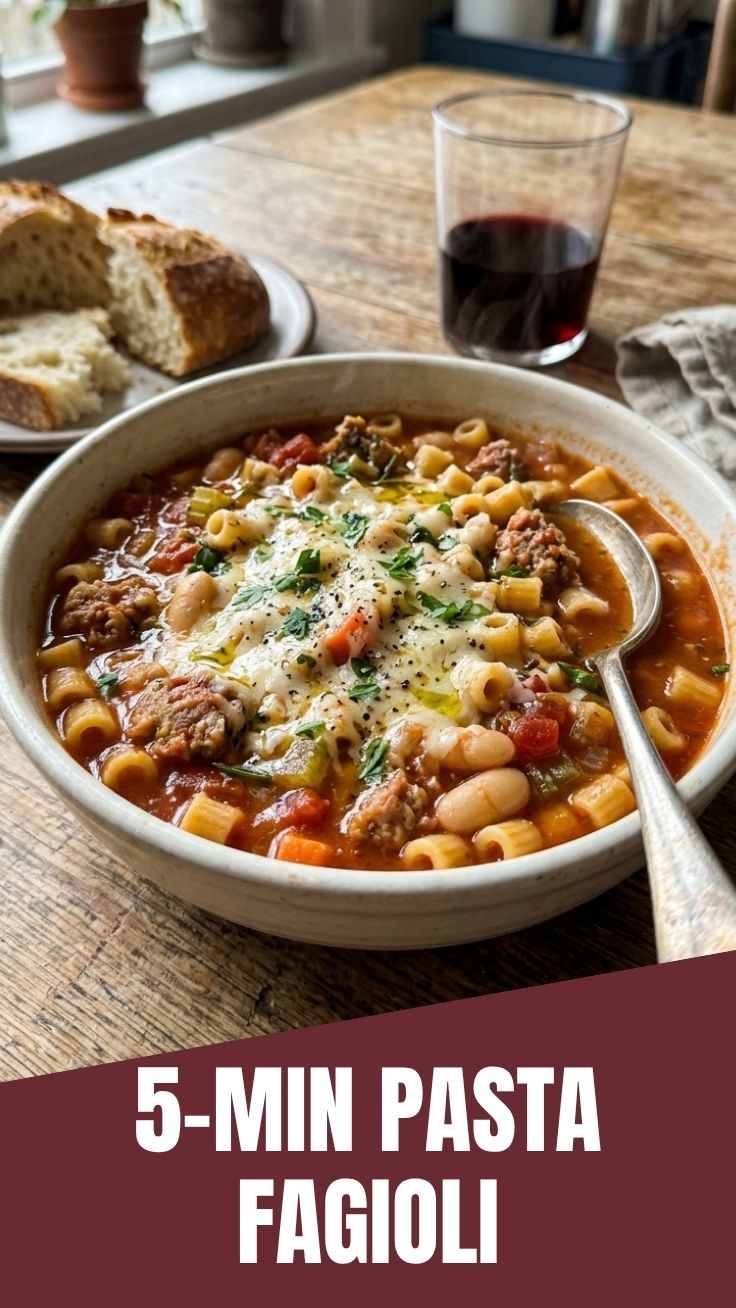
– Prep Time: 20 minutes (chopping vegetables, dicing pancetta, mincing garlic)
– Cook Time: 45–50 minutes (if using dried beans; 35–40 minutes with canned beans)
– Resting Time: 10 minutes (soup thickens and flavors meld after cooking)
– Total Time: ~1 hour 15 minutes
Planning context: Bit of a weekend project if you start with dried beans (requires 8-hour soak overnight). If using canned beans, this becomes a weeknight-friendly meal. The soup actually tastes better the next day, so consider making it a day ahead for deeper flavor.
—
Step-by-Step Instructions
1. Sauté the pancetta – Heat 1 tbsp olive oil in a large Dutch oven over medium heat. Add diced pancetta and cook until crisp and rendered, about 4–5 minutes. Use a slotted spoon to transfer pancetta to a paper-towel-lined plate, leaving rendered fat in the pot. Tip: Rendering pancetta builds a smoky, savory base – don’t rush this step.
2. Build the soffritto – Add remaining 2 tbsp olive oil to the pot. Sauté onion, celery, and carrots with a pinch of salt over medium heat until softened and lightly golden, 7–8 minutes. Stir occasionally to prevent browning. This vegetable base is the heart of an Authentic pasta fagioli recipe – it provides the sweet, earthy foundation that defines the dish.
3. Bloom the aromatics – Add minced garlic, oregano, bay leaves, and red pepper flakes. Cook for 1 minute until fragrant. Temperature cue: Garlic should sizzle gently but not brown or burn.
4. Deglaze and build liquid – Pour in crushed tomatoes and stir to incorporate. Then add broth, scraping up any browned bits from the bottom. Bring to a simmer.
5. Add beans – Stir in drained and rinsed cannellini beans (if using canned) or soaked and drained dried beans. Return the rendered pancetta to the pot. Simmer uncovered for 25–30 minutes (or 45–50 minutes for dried beans). Texture cue: Beans should be tender but not falling apart when pressed gently.
6. Cook pasta – While soup simmers, cook the ditalini separately in salted boiling water until al dente (about 2 minutes less than package directions). Drain and set aside. Why separate? Pasta continues absorbing liquid in the soup; cooking it separately prevents mushiness. This step is critical for perfect Pasta Fagioli.
7. Combine and finish – Stir cooked pasta into the soup. Remove bay leaves. Taste and adjust salt and pepper – remember pancetta adds salt, so go easy. Let the soup rest off heat for 5–10 minutes – it will thicken slightly.
8. Serve – Ladle into bowls, drizzle with good olive oil, sprinkle fresh parsley and grated Parmesan.
—
Nutritional Benefits & Advantages
Pasta Fagioli is a nutritional powerhouse disguised as comfort food. Cannellini beans deliver plant-based protein (about 8g per half-cup), soluble fiber that supports heart health and stable blood sugar, plus iron, magnesium, and folate. Olive oil provides monounsaturated fats and antioxidants. The tomato-based broth offers lycopene, a potent antioxidant linked to reduced inflammation. The pasta provides quick energy, while the vegetables contribute vitamins A and C. This soup is naturally low in saturated fat when made without pancetta (or with lean turkey bacon). It’s also a complete meal in one bowl – protein, complex carbs, and vegetables – which makes it ideal for budget-friendly meal prep.
—
Tips Variations & Cooking Advice
– Vegetarian / Vegan: Omit pancetta, use vegetable broth, and replace Parmesan with nutritional yeast or a sprinkle of smoked paprika for umami. Sauté the soffritto in olive oil alone.
– Spicy twist: Add a whole dried chili or extra red pepper flakes during step 3.
– Herb variation: Stir in 2 tbsp chopped fresh basil or parsley just before serving.
– Creamy version: Blend 1 cup of the soup (before adding pasta) with an immersion blender, then stir back in for a velvety texture without cream.
– Gluten-free: Use certified gluten-free small pasta (rice pasta or lentil pasta works well). Cook separately and add just before serving.
– Slow cooker / Instant Pot: Sauté soffritto and pancetta on the stovetop first, then transfer to a slow cooker with broth, tomatoes, and beans – cook on low 6–8 hours. For Instant Pot, sauté in the pot, then pressure cook on high 8 minutes for dried beans (15 minutes for soaked). Add cooked pasta after.
—
Common Mistakes to Avoid
– Adding pasta directly to the soup pot – It will absorb all the broth and turn mushy. Always cook separately and combine at serving.
– Underseasoning – Beans and pasta need assertive seasoning. Taste and adjust salt, pepper, and acid (a splash of lemon juice or red wine vinegar brightens the soup).
– Overcooking beans – Canned beans can collapse if simmered too long; add them after the soffritto and simmer just 15–20 minutes. Dried beans need more time but should remain intact.
– Skipping the soffritto – Onion, celery, and carrot are non-negotiable. Without them, the soup lacks depth and sweetness.
– Using too much liquid – Start with 6 cups broth; you can always thin the soup later. A soupy consistency is ideal, but watery soup tastes thin and unsatisfying.
—
Storage & Meal Prep Tips
– Refrigeration: Store in an airtight container for up to 5 days. The pasta will continue absorbing liquid; it will soften but still be pleasant.
– Freezing: Best to freeze without pasta. Prepare the soup base (beans, broth, vegetables), cool completely, and freeze in portioned containers for up to 3 months. Thaw overnight in the refrigerator, then reheat and add freshly cooked pasta.
– Reheating: Gently reheat on the stovetop over medium-low heat. Add a splash of broth or water if the soup has thickened too much. Microwave in 30-second bursts, stirring between each.
– Meal prep tip: Make a double batch of the soup base and freeze half. Cook pasta fresh each time you serve – it takes only 8 minutes and yields a much better texture.
—
Conclusion
Homemade Pasta Fagioli transforms humble pantry staples into a deeply satisfying, nourishing meal that rivals any Italian restaurant version. The key lies in layering flavors – from the crisped pancetta to the aromatic soffritto, the velvety beans, and the perfectly al dente pasta. While it requires a little more effort than opening a can, the reward is a soul-warming bowl that tastes like tradition. Whether you’re following a classic Pasta Fagioli formula or adapting a vegan variation, this soup delivers comfort, nutrition, and joy in every spoonful. If you try this Authentic pasta fagioli recipe, share your results in the comments – I’d love to hear how it turned out. And if you’re looking for more hearty Italian meals, explore our collection of rustic soups and stews.
—
FAQs
Q: Can I use dried beans without soaking?
Yes, but increase simmering time to 1.5–2 hours. Add more broth as needed. For best results, soak overnight – it reduces cooking time and improves digestibility.
Q: Why is my soup too thick?
Pasta absorbs liquid over time. If reheating, thin with broth or water until desired consistency. If cooking fresh, add pasta just before serving.
Q: Can I substitute pancetta with bacon?
Absolutely. Bacon adds similar smoky, salty richness. Use 4 oz and cook until crisp. Drain excess fat if desired.
Q: How do I make this gluten-free?
Use certified gluten-free small pasta like rice-based ditalini or lentil pasta. All other ingredients are naturally gluten-free. Substitute breadcrumbs for Parmesan if needed.
Q: My soup tastes bland – what went wrong?
Likely underseasoned. Add salt gradually, check acidity (a splash of lemon juice or vinegar helps), and finish with grated Parmesan and a drizzle of olive oil. Fresh herbs also lift flavors.
Q: Can I make this in a slow cooker?
Yes. Sauté pancetta and soffritto first, then transfer to slow cooker with broth, tomatoes, and beans. Cook on low 6–8 hours. Stir in cooked pasta before serving.
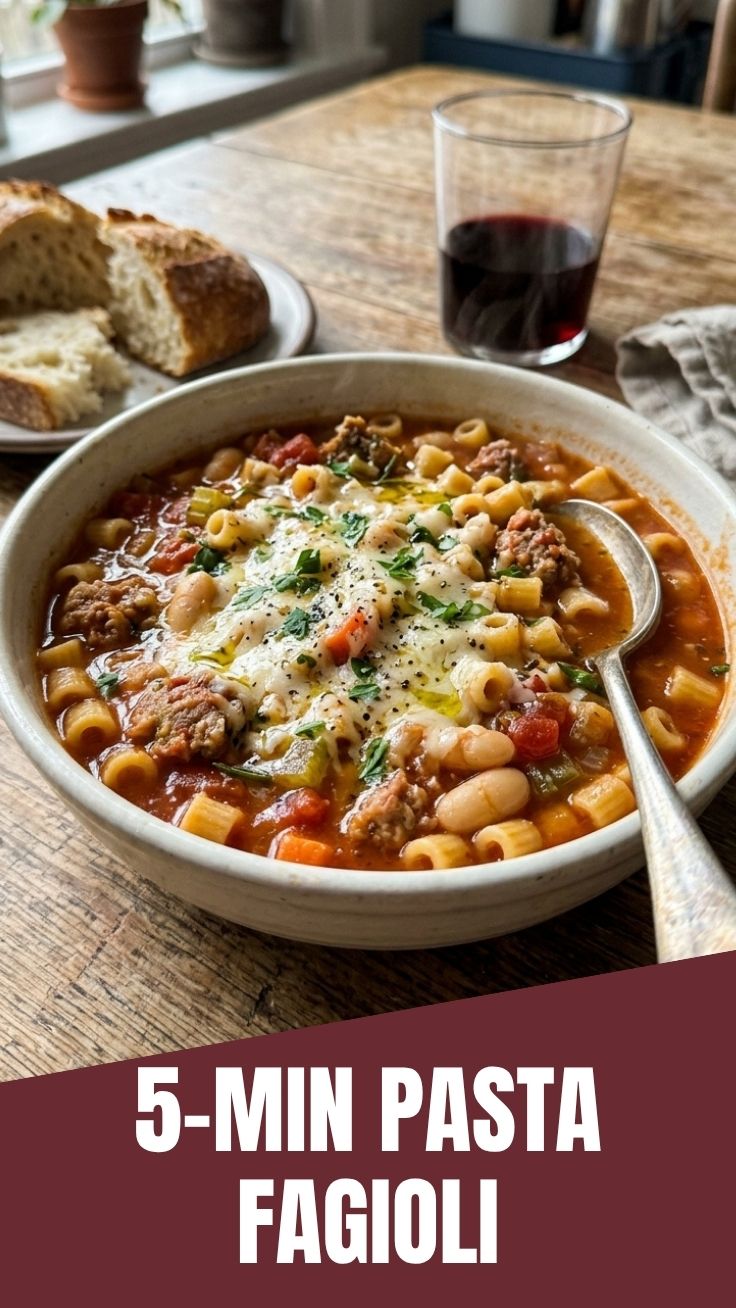
Best way to grow your perfect Pasta Fagioli recipe in 4 steps
Ingredients
Equipment
Method
- Prepare your chosen pots or garden space by filling them with nutrient-rich potting soil. Plant basil seeds or seedlings about 6 inches apart and tomato seeds or seedlings at least 2 feet apart to allow for growth.
- Water your basil and tomato plants regularly, ensuring the soil remains moist but not waterlogged. Both plants thrive in at least 6 hours of direct sunlight daily, so choose a sunny location for optimal growth.
- Once your basil leaves are fragrant and vibrant, and tomatoes are ripe and red, it's time to harvest! Gently pluck basil leaves as needed, and carefully remove ripe tomatoes from the vine.
- With your freshly harvested basil and tomatoes, you now have the key ingredients for an authentic Pasta Fagioli. Combine them with ditalini pasta, cannellini beans, vegetable broth, and seasonings to create a delicious and wholesome meal.