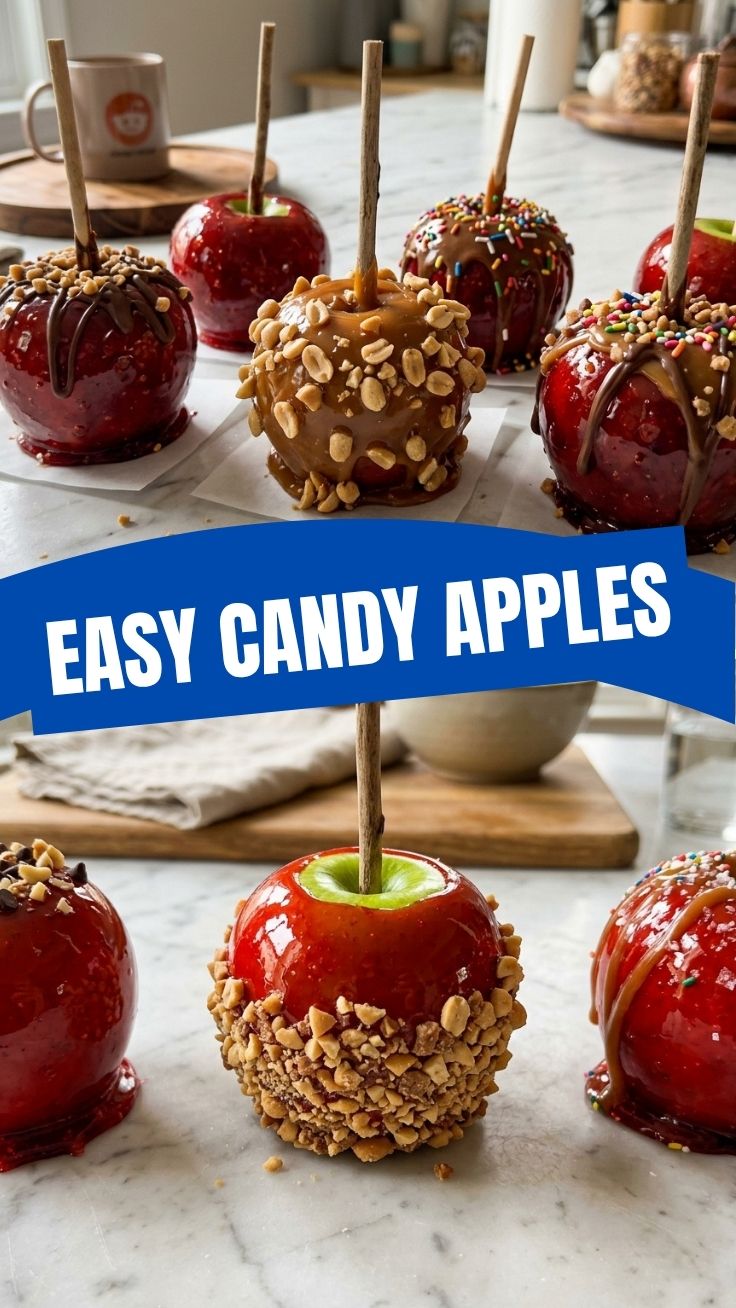
The Ultimate Guide to Making Perfect Candy Apples at Home
Have you ever bitten into a store-bought candy apple only to find a thin, brittle shell that shatters into a sticky mess? Or worse, a coating that slides off the apple entirely? The struggle is real. But here’s the good news: achieving a thick, glossy, and perfectly crunchy coating isn’t just for professional confectioners. By mastering a few simple techniques, you can create Candy Apples that rival any fairground treat. Whether you’re preparing these for a Halloween party, a fall festival, or just a fun weekend project, making them at home lets you control the sweetness, choose premium apples, and avoid artificial preservatives. In this guide, we’ll explore the science behind the perfect shell, including how to make both classic caramel apples and their glossy candy-coated cousins. The secret? It’s all about temperature, timing, and a few pro-level tips.
Ingredients & Kitchen Tools
Ingredients
– 6 medium Granny Smith apples – Their tartness balances the sweet coating. Wash and dry thoroughly; any wax residue will prevent adhesion.
– 2 cups granulated sugar – The base for the candy shell. Do not substitute with brown sugar, which contains moisture and causes crystallization.
– 1/2 cup light corn syrup – Prevents sugar crystallization and ensures a smooth, glass-like finish.
– 3/4 cup water – Helps dissolve the sugar evenly.
– 1/2 teaspoon red food coloring (gel preferred) – For that signature crimson hue. Liquid food coloring works but may dilute the syrup.
– 1/2 teaspoon vanilla extract (optional) – Adds depth of flavor.
– 6 wooden craft sticks – For dipping and holding.
For Caramel Apples
– 1 package (14 oz) soft caramel candies – Unwrapped and ready to melt.
– 2 tablespoons heavy cream – Thins the caramel for easier dipping.
– 1/4 teaspoon sea salt – Enhances sweetness and cuts richness.
Kitchen Tools
– Candy thermometer – Non-negotiable for the candy coating; accuracy is critical.
– Medium heavy-bottomed saucepan – Even heat distribution prevents hot spots.
– Parchment paper or silicone baking mat – For setting the finished apples without sticking.
– Pastry brush – To wash down sugar crystals from pan sides.
– Small bowl of ice water – For testing syrup consistency the old-fashioned way.
Prep Time & Cooking Schedule
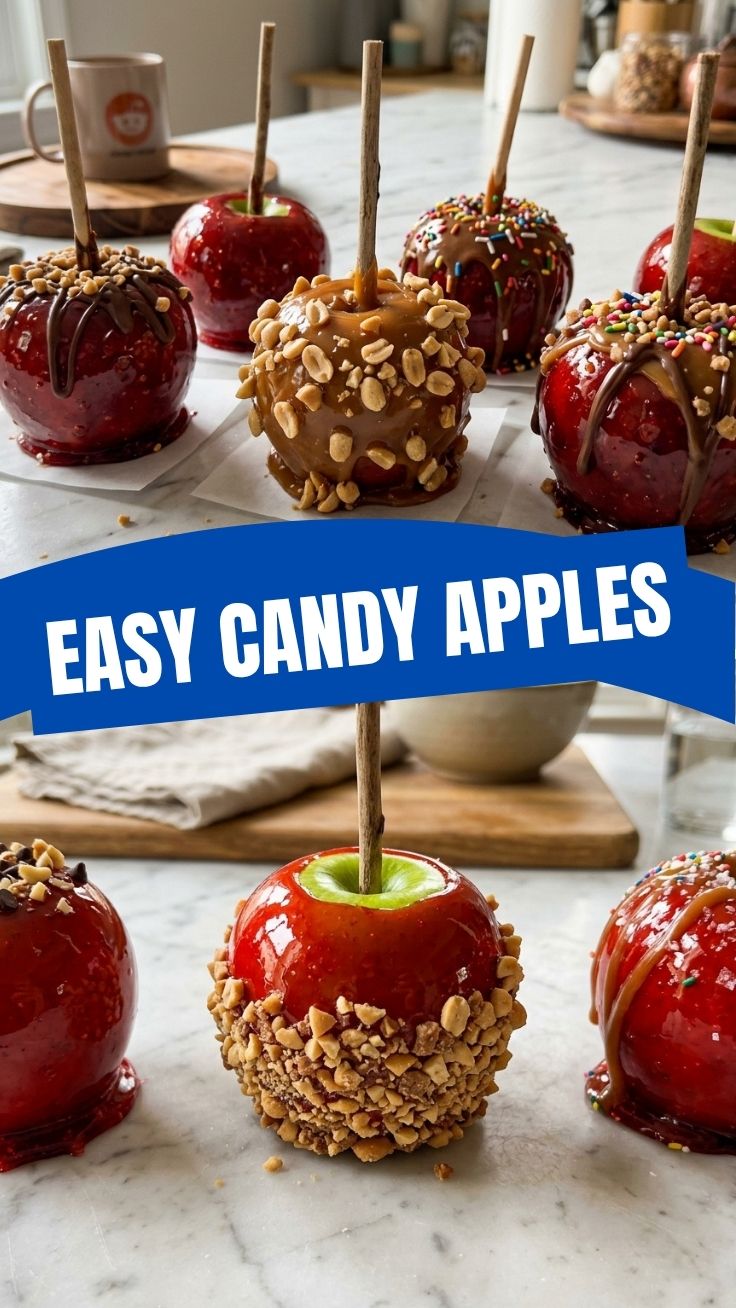
Total active time is approximately 25 minutes, plus 30 minutes for the coating to set. However, the apples must be completely dry and at room temperature before dipping—this is where most home cooks go wrong. Cold apples cause the hot syrup to seize and form an uneven, dull shell. Remove your apples from the refrigerator 2 hours before starting. Prep the sticks by inserting them firmly into the stem end of each apple, about two-thirds of the way down. Line a baking sheet with parchment paper and spray lightly with non-stick cooking spray. The candy syrup takes about 10 minutes to reach the hard-crack stage (300–310°F / 149–154°C). Work quickly once it reaches temperature, as the syrup sets rapidly.
Step-by-Step Instructions
1. Prepare the Apples – Wash each apple thoroughly with warm water and a drop of dish soap to remove commercial wax. Dry completely with a clean towel. Any moisture on the skin will cause the candy shell to slide off. Insert sticks firmly.
2. Make the Candy Syrup – In a medium saucepan, combine sugar, corn syrup, and water. Stir gently over medium heat until sugar dissolves. Stop stirring once the mixture boils. Clip your candy thermometer to the side, ensuring the bulb doesn’t touch the pan bottom.
3. Monitor the Temperature – This is the critical moment for perfect Candy Apples. Boil without stirring until the thermometer reads 300–310°F. Brush down any sugar crystals that form on the pan sides with a wet pastry brush. At 300°F, remove from heat immediately.
4. Add Color and Flavor – Stir in food coloring and vanilla. The mixture will bubble vigorously. Let it settle for 30 seconds.
5. Dip the Apples – Holding each apple by the stick, tilt the pan and dip the apple at a 45-degree angle. Twist gently to coat evenly, allowing excess syrup to drip back into the pan. Do not double-dip, as reheated syrup will be too thick.
6. Set and Cool – Place dipped apples on the prepared parchment. For caramel apples, melt caramel candies with cream in a separate saucepan over low heat, stirring constantly. Dip apples when caramel is smooth, let excess drip, then roll in toppings if desired. Allow all apples to set for at least 30 minutes at room temperature before serving.
Nutritional Benefits & Advantages
These apples are more than just a sugary indulgence. Apples are rich in dietary fiber (about 4 grams per medium fruit), which aids digestion and promotes satiety. They also contain quercetin, a flavonoid with antioxidant properties that may support heart health. When you prepare candy apples at home, you control the portion size and can opt for organic apples to avoid pesticide residues. While the coating adds sugar, pairing it with a tart Granny Smith apple creates a balanced treat that satisfies a sweet craving without overdoing it. For a healthier twist, use dark chocolate drizzles or crushed nuts to add protein and healthy fats.
Tips Variations & Cooking Advice
– Flavor Twists – Add 1/2 teaspoon cinnamon extract or peppermint oil to the syrup for seasonal variations. For a gourmet touch, sprinkle sea salt on the just-dipped candy shell.
– Dietary Adaptations – Vegan? Use organic sugar (some refined sugars are processed with bone char) and dairy-free caramel made from coconut cream. Gluten-free is naturally achieved with pure sugar and corn syrup.
– Alternative Methods – If you lack a candy thermometer, use the cold water test: drop a small amount of syrup into ice water. It should form brittle threads that snap when bent.
– Topping Ideas – Roll freshly dipped caramel apples in crushed graham crackers, mini chocolate chips, or toasted coconut for added texture.
Common Mistakes to Avoid
– Using Wet Apples – Moisture creates steam under the coating, causing it to separate. Dry apples with paper towels and let them air-dry for an hour.
– Stirring the Syrup After It Boils – This introduces air bubbles and causes sugar crystals to form, resulting in a grainy, cloudy shell. Once boiling, only swirl the pan gently.
– Incorrect Temperature – Below 300°F, the coating will be sticky and soft. Above 310°F, it will taste burnt and become too hard to bite.
– Skipping the Corn Syrup – In homemade candy apples, corn syrup is essential for preventing crystallization. Without it, the syrup will turn into a solid mass before you can coat all the apples.
Storage & Meal Prep Tips
Candy apples are best eaten the same day to enjoy the crisp shell. However, they can be stored for up to 3 days in a cool, dry place—never in the refrigerator, as condensation will soften the coating. Place them on a parchment-lined tray and cover loosely with plastic wrap. For caramel apples, refrigeration is acceptable; wrap individually in wax paper and store for up to 1 week. To restore a slightly dulled candy shell, place the apple in a 200°F oven for 5 minutes, then cool at room temperature. Do not freeze, as the texture degrades significantly.
Conclusion
Creating perfect candy apples at home is a rewarding process that combines kitchen science with pure nostalgia. By controlling the temperature, preparing your apples correctly, and working quickly, you can achieve a glossy, shatteringly crisp shell that will impress family and friends. Whether you prefer the classic crunch of Candy Apples or the creamy richness of caramel apples, this method ensures consistent results every time. Don’t be intimidated by the candy thermometer—embrace it as your most important tool. We encourage you to try this recipe, experiment with toppings, and share your glowing results. Have a tip or variation we missed? Drop it in the comments below!
FAQs
1. Can I use other apple varieties besides Granny Smith?
Absolutely. Honeycrisp, Fuji, or Pink Lady apples also work well, though they are sweeter. Just ensure the apples are firm, unbruised, and fully dry before dipping.
2. My candy coating turned out cloudy. What went wrong?
Cloudiness usually results from crystallization introduced by stirring after boiling, or from moisture in the pan. Always wash the pan meticulously and avoid stirring once the syrup is above 230°F.
3. How do I fix caramel apples that are too runny?
If your caramel is too thin, it likely overheated or had too much cream. Simmer it gently for 2–3 minutes to thicken, or add a handful of small caramel pieces to stiffen the mixture.
4. Can I make candy apples without corn syrup?
Corn syrup is the gold standard for preventing crystallization. A substitute is 1 cup sugar + 1/4 cup water + 1/2 teaspoon cream of tartar, but the texture may be slightly less glossy.
5. Why do my caramel apples taste gritty?
Grittiness in caramel typically indicates that sugar crystallized during melting. Use a low heat and stir gently when melting caramels. Adding a tablespoon of corn syrup can help prevent this issue.