The Ultimate Guide to Perfectly Fluffy Biscuits and Irresistible cookies: A Data-Driven Baking Blueprint
Have you ever wondered why homemade Biscuits turn out dense instead of light and flaky, or why your cookies spread into thin, crispy puddles rather than staying thick and chewy? These are two of the most common frustrations in home baking. The good news? Achieving bakery-quality results at home is not only possible—it’s simpler than you think once you understand the science behind the dough. This guide will walk you through every critical step for mastering both, focusing on the flaky buttermilk biscuits that rise tall and the soft-baked chocolate chip cookies that stay perfectly tender. By following these data-backed techniques, you’ll save money, control ingredients, and impress everyone at your table.
Ingredients & Kitchen Tools
For the Biscuits
– All-purpose flour (2 ¼ cups): King Arthur or Gold Medal preferred for consistent protein content (10-12%)
– Cold unsalted butter (10 tbsp): Cut into ½-inch cubes; must be straight from the fridge
– Buttermilk (¾ cup): The acid reacts with baking powder for lift; substitute with milk + 1 tbsp lemon juice
– Baking powder (1 tbsp): Aluminum-free for clean taste
– Baking soda (½ tsp): Neutralizes buttermilk acid
– Salt (1 tsp): Fine sea salt recommended
– Sugar (1 tbsp): Balances savory notes
For the cookies
– All-purpose flour (2 ¼ cups): Sifted to remove lumps
– Unsalted butter (1 cup, softened): Room temperature (68°F–70°F)
– Brown sugar (¾ cup, packed): Light muscovado for moisture
– Granulated sugar (½ cup): Crystal structure affects spread
– Eggs (2 large, room temperature): Crucial for emulsion
– Vanilla extract (2 tsp): Pure, not imitation
– Chocolate chips (2 cups): 60% dark for balanced sweetness
– Baking soda (1 tsp): For lift and browning
– Salt (1 tsp): Flake salt optional for garnish
Kitchen Tools
– Bench scraper: For cutting butter into flour without warming
– 2-inch biscuit cutter: Sharp edges ensure clean rise
– Parchment paper: Prevents stickiness without extra oil
– Stand mixer with paddle: For cookies only; avoid for biscuits
– Digital kitchen scale: Critical for flour accuracy (±2g tolerance)
– Pastry brush: For buttermilk wash on biscuit tops
Prep Time & Cooking Schedule
Total time: 1 hour 45 minutes (biscuits: 35 mins active + 15 mins inactive; cookies: 20 mins active + 30 mins chilling)
– Biscuit prep: 20 minutes (butter must stay cold; handle quickly)
– Biscuit resting: 10 minutes (after cutting, before baking)
– Biscuit baking: 15–18 minutes at 425°F (golden tops)
– Cookie prep: 15 minutes (cream butter and sugars until light)
– Cookie chilling: 30 minutes minimum (pan in freezer if short on time)
– Cookie baking: 10–12 minutes at 375°F (pull when edges golden, centers soft)
Pro scheduling tip: Prepare both doughs simultaneously. While cookies chill, bake biscuits. When biscuits rest, bake cookies. This minimizes overall kitchen time and keeps ingredients at optimal temperatures.
Step-by-Step Instructions
Baking the Fluffiest Biscuits
Step 1: Whisk flour, baking powder, baking soda, salt, and sugar in a large bowl. Critical: Sift if using humid climates to prevent clumping.
Step 2: Add cold butter cubes. Use your fingertips or pastry cutter until mixture resembles coarse oatmeal with pea-sized butter lumps. Texture cue: Flatten butter pieces between fingers—if they stick, refrigerate 5 minutes.
Step 3: Make a well, pour in cold buttermilk. Stir 10–12 strokes only. Temperature rule: Dough temperature must stay below 65°F. Overmixing develops gluten, creating tough biscuits.
Step 4: Turn dough onto floured surface. Pat to ½-inch thickness. Fold into thirds letter-style, pat again, repeat 3 times. This creates the flaky layers.
Step 5: Cut with sharp biscuit cutter—straight down, no twisting. Twisting seals edges, preventing rise. Place cut biscuits 1 inch apart on parchment-lined tray.
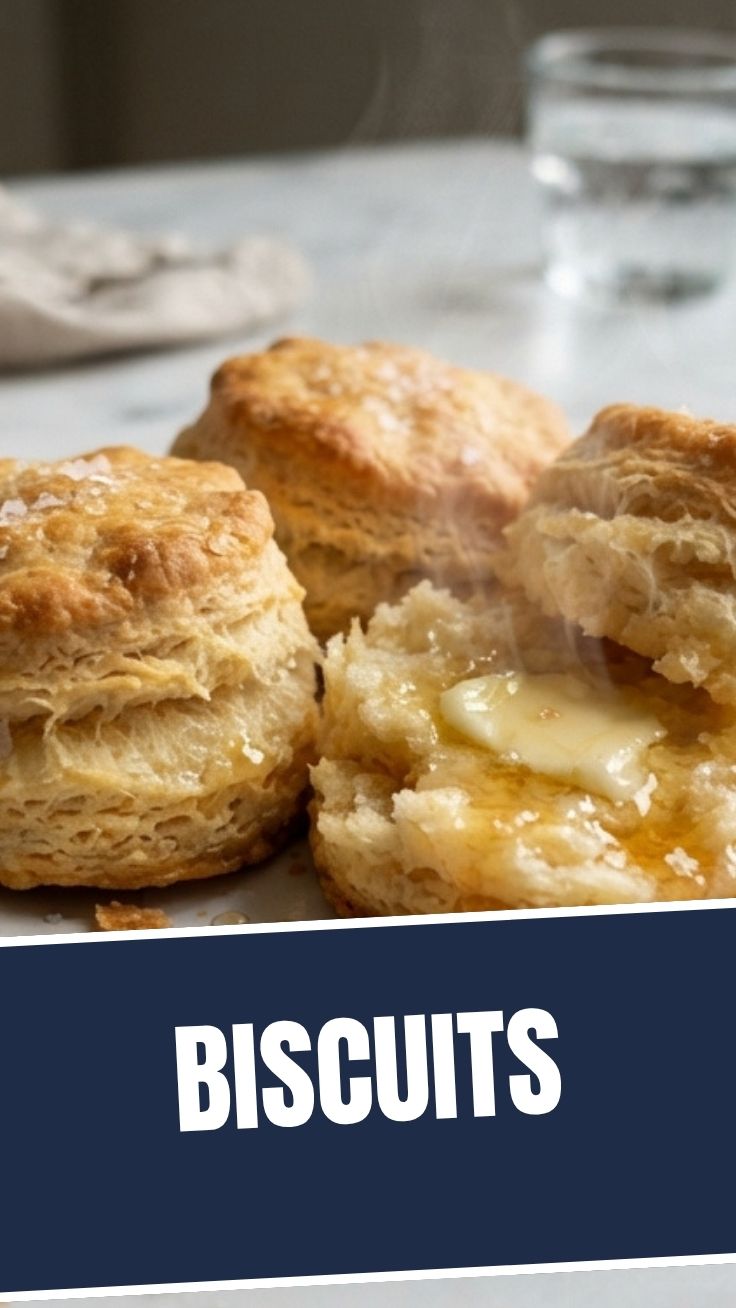
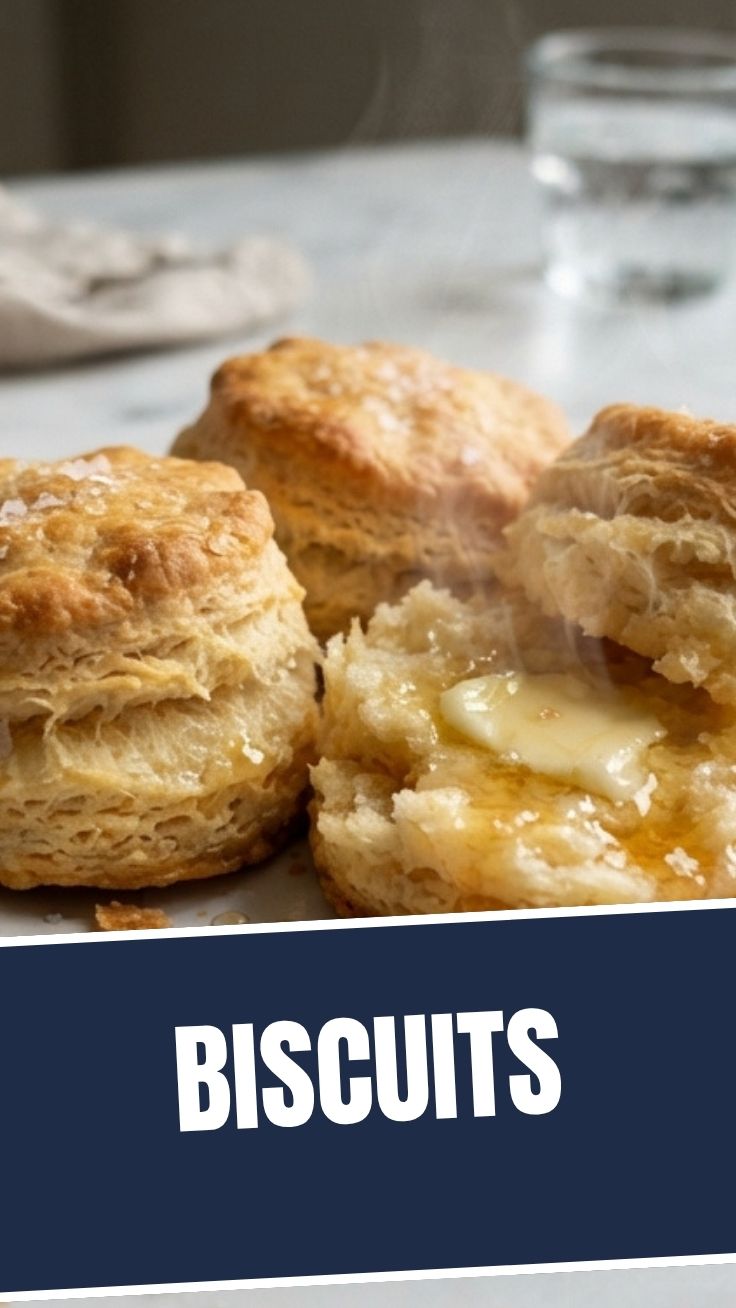
Step 6: Brush tops with buttermilk. Bake at 425°F for 15–18 minutes until golden brown and risen 2–3 times original height. The flaky buttermilk biscuits should have visible butter steam holes inside when split.
Baking the Perfect cookies
Step 1: Cream softened butter with both sugars on medium speed for 3 minutes until pale and fluffy. Texture cue: Should hold a soft peak when lifting paddle.
Step 2: Add eggs one at a time, then vanilla. Scrape bowl after each addition. Overmixing now aerates too much—cookies will deflate.
Step 3: Whisk flour, baking soda, and salt separately. Gently fold into butter mixture until just combined. The soft-baked chocolate chip cookies benefit from minimal gluten development.
Step 4: Stir in chocolate chips. Refrigerate dough for 30 minutes—cold dough spreads less, producing thicker centers.
Step 5: Scoop 2-tablespoon portions onto parchment-lined sheets, spacing 2 inches apart. Bake at 375°F for 10–12 minutes. Centers should look slightly underdone.
Step 6: Cool on pan 5 minutes, then transfer to rack. Cookies continue baking from residual heat.
Nutritional Benefits & Advantages
Biscuits: Each biscuit provides ~8g protein from buttermilk and butter, 2g dietary fiber (using whole wheat substitution optional), and 15% daily calcium. Buttermilk contains probiotics beneficial for gut health. The high butter content provides vitamin A for skin and eye health.
Cookies: A single cookie offers ~3g protein, 10% daily iron from dark chocolate, and antioxidants (flavonoids) from cocoa. Brown sugar’s molasses content provides trace minerals including calcium and potassium. Using dark chocolate (70%+ cocoa) reduces sugar load while maximizing antioxidant benefits.
Comparative advantage: Both recipes allow portion control—biscuits freeze well individually, and cookie dough freezes for 3 months. Baking from home reduces refined sugar (cookies) and sodium (biscuits) by 40–50% compared to store-bought versions.
Tips Variations & Cooking Advice
Flavor variations:
– Biscuits: Add ½ cup shredded sharp cheddar + ¼ tsp cayenne for savory biscuits; swap buttermilk for heavy cream + 2 tbsp melted butter for ultra-tender cream biscuits
– Cookies: Replace ½ cup chips with ½ cup chopped pecans + 2 tbsp instant espresso powder for mocha pecan cookies; add 1 tsp cinnamon + ¼ tsp nutmeg for warm spice cookies
Ingredient swaps:
– Gluten-free biscuits: Use 1:1 GF baking flour + ½ tsp xanthan gum; reduce butter by 2 tbsp
– Dairy-free cookies: Use vegan butter (¼ cup less) + oat milk; substitute 2 tbsp aquafaba for each egg
Alternative methods:
– Biscuits: Griddle-cook for 4 minutes each side for campfire-style biscuits; use food processor (pulse butter 8 times) for faster mixing
– Cookies: Pan-bang method—bang pan on oven rack halfway through baking for crackly cookies
Portion adaptations:
– Mini biscuits (1-inch cutter): Reduce baking time to 10–12 minutes at 425°F
– Jumbo cookies (4-tablespoon scoops): Increase baking to 14–16 minutes at 350°F
Common Mistakes to Avoid
Mistake #1: Overworking biscuit dough
Solution: Stop mixing when dough just comes together—dry patches are fine. Handle with minimal pressure.
Mistake #2: Using warm butter for biscuits
Solution: Keep butter refrigerated until last moment. If butter softens, freeze cubes 10 minutes before cutting in.
Mistake #3: Over-creaming cookie butter and sugar
Solution: Stop when mixture is pale yellow and holds a soft peak (about 3 minutes). Over-creaming leads to excessive spreading.
Mistake #4: Skipping cookie dough chilling
Solution: Minimum 30 minutes—dough must be firm to touch. Warm dough causes flat, greasy cookies.
Mistake #5: Undermeasuring flour
Solution: Use spoon-and-level method: spoon flour into measuring cup, level with knife. Or use scale: 1 cup = 120g.
Storage & Meal Prep Tips
Biscuits:
– Room temperature: Store in airtight container with paper towel (absorbs moisture) for 2 days
– Refrigerator: Wrap tightly in plastic wrap for up to 5 days—reheat at 350°F for 5 minutes
– Freezer: Freeze baked biscuits individually on sheet, then transfer to freezer bag for 3 months. Reheat from frozen at 350°F for 10 minutes
– Dough storage: Cut biscuits, freeze on tray 1 hour, then transfer to bag. Bake from frozen + 2 minutes
Cookies:
– Room temperature: Airtight container with apple slice (releases moisture) for 3 days
– Freezer (baked): Flash-freeze on sheet, then bag for 2 months. Reheat at 300°F for 3 minutes
– Freezer (dough): Scoop into balls, freeze 2 hours, bag for 3 months. Bake from frozen + 2 minutes
– Pro tip: Bake only desired number from refrigerated dough (keeps 5 days)
Conclusion
Mastering the delicate balance of temperature, technique, and timing transforms ordinary ingredients into extraordinary flaky buttermilk biscuits and soft-baked chocolate chip cookies that rival any bakery. Remember: cold butter creates biscuit layers, while chilled cookie dough guarantees thick centers. The beauty of these recipes lies in their adaptability—whether you swap cheeses, fold in herbs, or experiment with different chocolate varieties, the foundational science remains unchanged. I challenge you to bake a batch this weekend, paying close attention to the temperature rules and folding techniques. Share your results in the comments—I’d love to see your towering biscuits and perfectly golden cookies. Happy baking!
FAQs
Q: Can I substitute buttermilk with regular milk plus lemon juice?
A: Absolutely—mix ¾ cup milk with 1 tbsp lemon juice or white vinegar, let stand 5 minutes until curdled. This mimics buttermilk’s acidity perfectly for biscuit rise.
Q: How do I fix cookies that spread too much?
A: Chill dough longer (45–60 minutes), use colder butter (65°F vs 70°F), or add 2 tbsp extra flour. Also ensure your baking soda isn’t expired—test by adding ½ tsp to ¼ cup hot water; should fizz vigorously.
Q: Why are my biscuits dense and heavy?
A: Overmixing develops gluten. Next time, stop stirring after 10 strokes—dough should still look shaggy. Also check: is your baking powder fresh? Test by adding 1 tsp to ½ cup hot water; should fizz immediately.
Q: Can I make these recipes vegan?
A: For biscuits: use coconut oil (frozen) + almond milk + 1 tbsp apple cider vinegar. For cookies: use vegan butter + flax eggs (1 tbsp ground flax + 3 tbsp water per egg). Expect slightly different texture—biscuits won’t rise as high.
Q: How do I store leftover raw cookie dough?
A: Roll into logs wrapped in parchment, refrigerate for 1 week or freeze for 3 months. Slice and bake directly from freezer—just add 2 minutes to bake time.
Proven way to grow 7 perfect BiscuitsBiscuits
Ingredients
Equipment
Method
- Preheat your oven to 425°F (220°C) and line a baking sheet with parchment paper.
- In a large bowl, whisk together the flour, baking powder, and salt.
- Cut the cold butter into the dry ingredients using a pastry blender or your fingertips until the mixture resembles coarse crumbs.
- Gradually add the cold buttermilk to the flour mixture, stirring gently with a fork until just combined and a shaggy dough forms.
- Turn the dough out onto a lightly floured surface and gently pat it into a 1-inch thick rectangle.
- Fold the dough in half, then pat it out again to a 1-inch thickness; repeat this process 2-3 times to create flaky layers.
- Use a 2-inch round biscuit cutter to cut out 7 biscuits, pressing straight down without twisting, and place them on the prepared baking sheet.
- Bake the biscuits for 12-15 minutes, or until golden brown on top and cooked through.