Mastering the Art of BBQ Brisket (Texas Style) at Home
Have you ever dreamt of that melt-in-your-mouth, smoky perfection of a Texas BBQ brisket, right in your own backyard? While it might seem like a culinary Everest, crafting an authentic BBQ Brisket (Texas Style) at home is not only achievable but incredibly rewarding. Beyond the sheer deliciousness, mastering this iconic dish brings a sense of culinary accomplishment and allows you to control every aspect, from the quality of the ingredients to the level of smokiness. Imagine impressing your friends and family with a perfectly rendered, unbelievably tender sliced of smoked brisket – it’s a game-changer for any backyard gathering. This comprehensive guide will equip you with all the knowledge and techniques needed to transform a humble cut of beef into a legendary centerpiece.
Ingredients & Kitchen Tools
To embark on your brisket journey, gather the following:
- 1 whole packer brisket (12-16 lbs): Look for a Wagyu or USDA Prime grade for optimal marbling and tenderness.
- Coarse black pepper (1/4 cup): Freshly cracked is best for maximum flavor.
- Kosher salt (1/4 cup): Essential for a good bark and seasoning throughout.
- Optional Binder (1-2 tbsp): Yellow mustard or hot sauce to help the rub adhere.
- Wood chunks/chips (hickory or oak recommended): For that authentic smoky flavor.
- Large roasting pan with rack: To catch drippings and allow air circulation.
- Instant-read meat thermometer: Crucial for monitoring internal temperature.
- Butcher paper or aluminum foil: For wrapping during the stall.
- Sharp slicing knife: For clean, even slices.
- Gloves: For handling the hot brisket.
- Water pan: To maintain humidity in the smoker.
Prep Time & Cooking Schedule
- Prep Time: 30 minutes (trimming, seasoning)
- Cook Time: 10-16 hours (depending on brisket size and smoker temperature)
- Resting Time: 1-4 hours
Plan for an all-day affair. Brisket cooking is a low-and-slow process, often starting the night before for a midday serve. Allow ample time for the resting period, as it’s just as crucial as the cooking itself.
Step-by-Step Instructions
1. Trim the Brisket: Carefully trim excess hard fat from the fat cap to about 1/4 inch thickness. Remove any silverskin from the lean side. A well-trimmed brisket allows for even cooking and rub penetration.
2. Apply the Rub: If using a binder, spread a thin layer over the brisket. Generously season all sides with the salt and pepper mixture. Don’t be shy; the brisket can take a lot of seasoning.
3. Preheat Your Smoker: Set your smoker to a consistent 225°F (107°C). Add your wood chunks/chips, ensuring a clean, thin blue smoke. Place a water pan in the smoker to help maintain humidity.
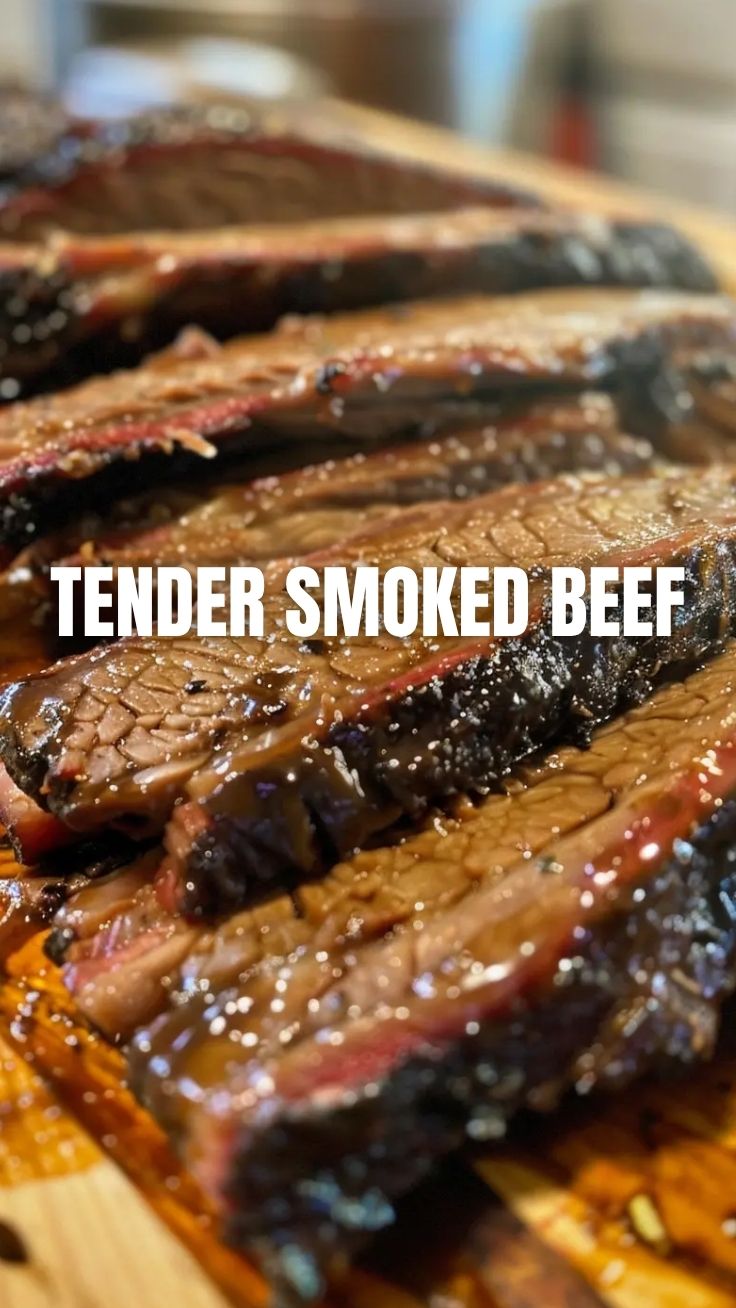
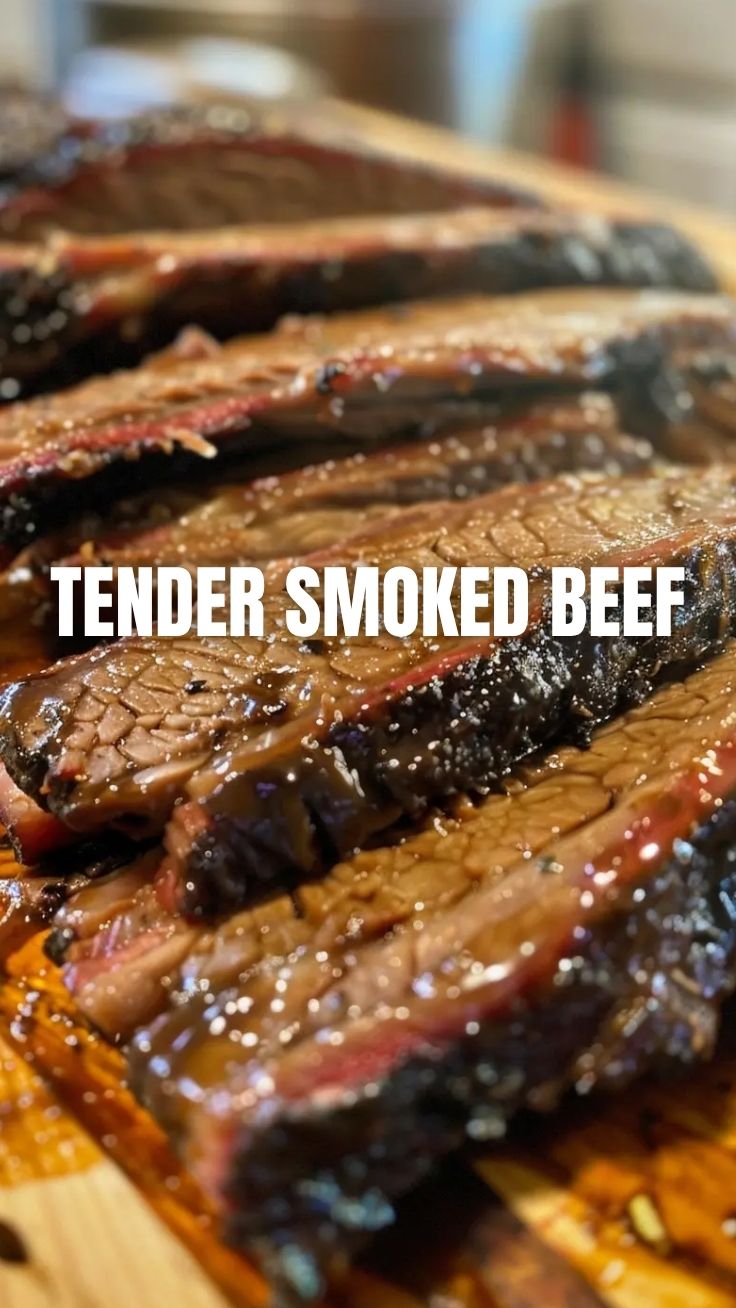
4. Smoke the Brisket: Place the seasoned BBQ Brisket (Texas Style) fat-side up on the smoker grates. Smoke until the internal temperature reaches around 165-175°F (74-79°C), or until a dark, mahogany bark has formed. This can take 6-10 hours.
5. The Stall and Wrapping: Around the 150-170°F (65-77°C) range, your brisket will hit “the stall,” where its temperature plateaus. This is when you’ll wrap it tightly in butcher paper or aluminum foil. This helps push through the stall and keeps the brisket moist. Return the wrapped smoked brisket to the smoker.
6. Finish Cooking: Continue cooking until the internal temperature reaches 200-205°F (93-96°C) and the brisket feels “probe tender” – the thermometer should slide in with little resistance, like butter. This can take another 4-6 hours.
7. Resting is Key: Once probe tender, remove the brisket from the smoker (still wrapped) and let it rest on a counter in an insulated cooler (without ice) for at least 1-4 hours. This crucial step allows the juices to redistribute, resulting in a more tender and flavorful product.
8. Slice and Serve: Slice against the grain, separating the point and flat if desired. Serve immediately.
Nutritional Benefits & Advantages
Brisket, while rich, offers significant protein content, essential for muscle repair and growth. When slow-cooked, like in this Texas-style preparation, connective tissues break down, making the meat more digestible. The smoky flavor comes without the need for excessive added sugars often found in marinades, relying instead on the natural richness of the beef and a simple rub.
Tips, Variations & Cooking Advice
- Wood Choice: Experiment with different woods like pecan, cherry, or apple for subtle flavor variations.
- Rub Variations: While salt and pepper is traditional, you can add a touch of garlic powder, onion powder, or a pinch of cayenne for a little kick.
- Maintaining Temperature: Consistent temperature is key. Use a good quality smoker and an external thermometer for accurate readings.
- The “Texas Crutch”: Wrapping the brisket is often called the “Texas Crutch” and is a widely accepted technique for tender, juicy results.
- Leftover Brisket: Excellent for sandwiches, tacos, chili, or even breakfast hashes.
Common Mistakes to Avoid
- Cutting Against the Grain: Always slice against the grain for maximum tenderness. Slicing with the grain will result in tough, stringy meat.
- Opening the Smoker Too Often: “If you’re looking, you’re not cooking.” Resist the urge to constantly check on the brisket, as this causes temperature fluctuations.
- Not Enough Rest Time: Skipping or shortening the rest period will result in a dry, less flavorful brisket. Be patient!
- Over-Trimming: Removing too much fat can lead to a dry brisket. The fat renders down, contributing flavor and moisture.
Storage & Meal Prep Tips
Leftover BBQ Brisket (Texas Style) can be stored in an airtight container in the refrigerator for up to 3-4 days. For longer storage, slice the brisket and vacuum seal portions before freezing for up to 3 months. When reheating, it’s best to do so slowly with a bit of beef broth to prevent drying out. Gentle reheating in an oven or on the stovetop is ideal.
Conclusion
Crafting a magnificent BBQ Brisket (Texas Style) at home is a testament to patience and technique. The unparalleled flavor and tender texture of a perfectly cooked smoked brisket are truly worth the effort. We hope this guide empowers you to tackle this iconic recipe with confidence. Don’t be afraid to experiment and make it your own! We’d love to hear about your brisket adventures in the comments below – share your tips, triumphs, and questions.
FAQs
Q: What is the “stall” when smoking brisket?
A: The stall is a period during cooking where the internal temperature of the brisket plateaus, sometimes for several hours. This is due to evaporative cooling on the surface of the meat.
Q: Do I really need to rest the brisket for so long?
A: Yes, resting is crucial! It allows the muscle fibers to relax and reabsorb moisture, resulting in a significantly juicier and more tender brisket.
Q: Can I use a different cut of beef?
A: While other cuts can be smoked, brisket’s unique composition of fat and lean meat is ideal for the slow-cooking process required to achieve that classic Texas BBQ texture and flavor.
Q: How do I know when the brisket is done?
A: The most reliable indicator is “probe tenderness” – an instant-read thermometer should slide into the thickest part of the flat with minimal resistance, like pushing it through soft butter, typically around 200-205°F (93-96°C) internal temperature.
Q: My bark isn’t as dark as I’d like. What went wrong?
A: A good bark forms from consistent smoke and dry air. Ensure your smoker’s vents are open enough for good airflow, and avoid wrapping too early. Some rubs also contain sugar, which can contribute to a darker bark.
BBQ Brisket (Texas Style)
Ingredients
Equipment
Method
- Trim the beef brisket, leaving a uniform 1/4-inch fat cap on one side, then generously season all surfaces with a 50/50 mixture of coarse black pepper and coarse salt.
- Preheat your smoker to a consistent temperature between 225-275°F (107-135°C), then place the seasoned brisket fat-side up or towards the main heat source and smoke until its internal temperature reaches 165-175°F (74-79°C). During the smoking process, spritz the brisket with water every 1-2 hours after the initial few hours to maintain moisture.
- Once the brisket reaches the desired internal temperature (165-175°F / 74-79°C), wrap it tightly in butcher paper or foil and return it to the smoker, cooking until the internal temperature reaches 200-205°F (93-96°C) and the meat is probe-tender. After cooking, allow the wrapped brisket to rest in an insulated cooler for 2-4 hours before slicing it against the grain for serving.