Introduction
Have you ever wondered why a Garden Salad from your kitchen tastes infinitely better than store-bought versions? The secret lies in the freshness of each ingredient, especially the crisp Lettuce that forms the base. Preparing this vibrant dish at home not only saves money but also lets you control the quality of every vegetable, ensuring maximum flavor and nutrition. A well-crafted garden salad is a cornerstone of healthy eating, offering endless customization for any palate. Whether you’re a busy parent or a meal-prep enthusiast, mastering this simple recipe transforms everyday dining.
Ingredients & Kitchen Tools
To build the perfect garden salad, gather these essentials:
– Lettuce (romaine, iceberg, or mixed greens): Wash and tear into bite-sized pieces. Substitution: Use arugula for a peppery bite.
– Cherry tomatoes (halved): Add sweetness; sub with grape tomatoes or diced Roma.
– Cucumber (diced): Provides crunch; sub with zucchini for a low-carb option.
– Bell peppers (sliced): Use any color; sub with roasted red peppers for depth.
– Red onion (thinly sliced): Soak in ice water to mellow the bite.
– Dressing: Olive oil, fresh lemon juice, salt, pepper. Sub: Balsamic vinegar or Greek yogurt for creaminess.
– Tools: Large salad bowl, chef’s knife, cutting board, salad spinner (ensures dry greens), measuring spoons.
Prep Time & Cooking Schedule
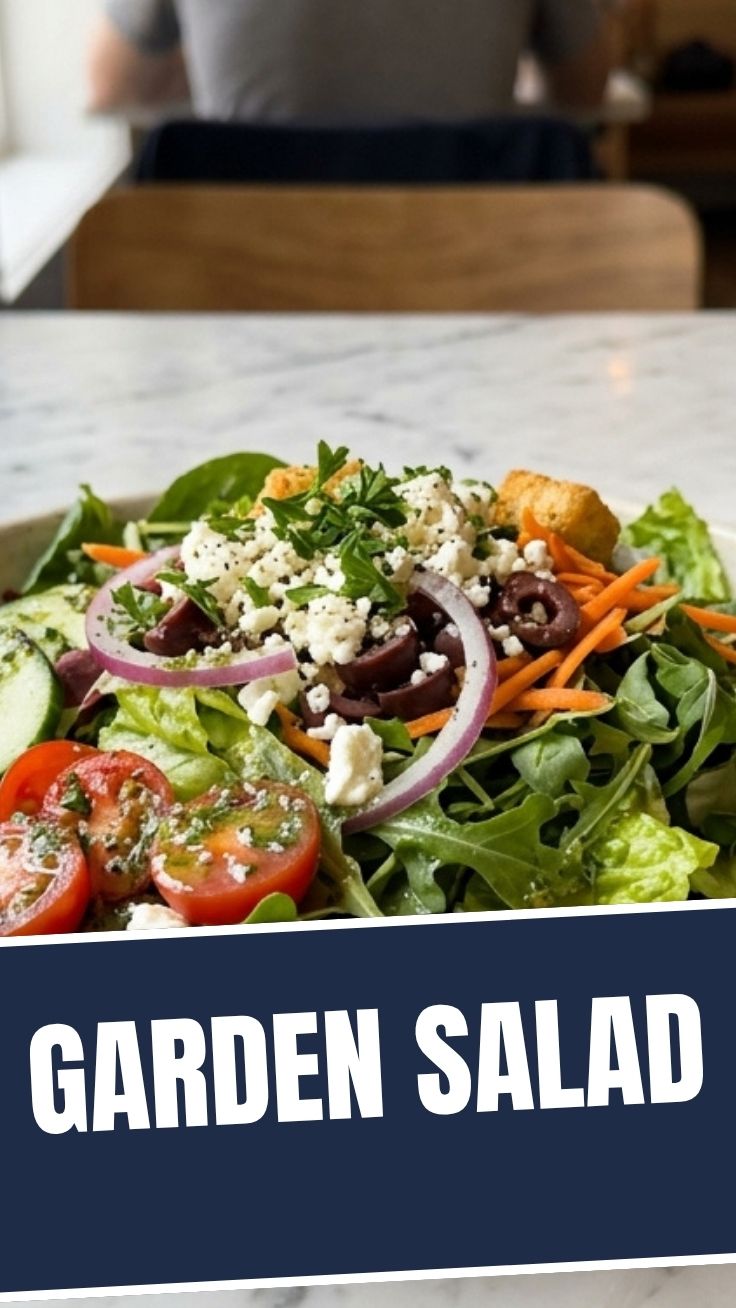
Prep time: 15 minutes. Cook time: 0 minutes. Resting time: 5 minutes after dressing.
This schedule is perfect for last-minute meals. Wash and dry the lettuce, chop vegetables, whisk dressing, and toss—all in under 20 minutes. Plan to serve immediately for peak crispness, or prep components separately ahead of time.
Step-by-Step Instructions
1. Prepare the lettuce: Wash thoroughly in cold water and spin dry until no moisture remains. Damp greens make dressing slide off and cause sogginess.
2. Chop vegetables uniformly: Halve cherry tomatoes, dice cucumber into ½-inch cubes, slice bell peppers into thin strips, and thinly slice red onion. Uniform sizes ensure even coating.
3. Combine base ingredients: In a large bowl, toss the lettuce with all chopped vegetables until well distributed.
4. Make the dressing: Whisk 3 tablespoons olive oil, 1 tablespoon lemon juice, ½ teaspoon salt, and ¼ teaspoon black pepper. Adjust acidity or salt to taste.
5. Dress and serve: Pour dressing over the garden salad and toss gently with tongs. For best texture, serve immediately. Pro tip: Add dressing just before eating to keep greens crisp.
Nutritional Benefits & Advantages
This garden salad is a nutrient-dense powerhouse. A single serving provides approximately 30% of your daily vitamin A from lettuce, 20% vitamin C from tomatoes, and 8 grams of fiber. The combination of leafy greens and colorful vegetables supports digestive health, reduces inflammation, and boosts hydration. Customizing with lean protein (chicken, chickpeas) makes it a complete meal. Studies show that raw vegetable intake correlates with lower risk of chronic diseases, making this salad a smart daily habit.
Tips Variations & Cooking Advice
– Flavor twists: Add crumbled feta, sliced olives, or toasted nuts for Mediterranean flair. For an Asian spin, use sesame oil and rice vinegar.
– Dietary adaptations: Gluten-free? Ensure dressings are certified (most are). Dairy-free? Skip cheese or use avocado for creaminess.
– Portion changes: Double for parties; cook vegetables like grilled corn for texture.
– Pro technique: Massage lettuce with a drizzle of olive oil before adding other ingredients—it softens leaves and enhances flavor.
Common Mistakes to Avoid
– Soggy greens: Dressing lettuce when wet is the #1 error. Spin dry thoroughly and store with paper towels.
– Uneven chopping: Large chunks break apart; small dice melts into dressing. Aim for uniform 1-inch pieces.
– Over-dressing: A heavy hand turns salad into soup. Start with half the dressing and add more as needed.
– Skipping seasoning: Undressed vegetables taste flat. Salt and pepper the greens directly before adding dressing.
Storage & Meal Prep Tips
Store undressed salad in an airtight container layered with paper towels in the refrigerator. It stays fresh up to 2 days. Keep dressing in a separate jar. When ready to eat, toss together. For meal prep, portion vegetables and lettuce into separate bags. Avoid freezing, as greens wilt irreversibly. Reheat? Not needed—this salad is best cold or at room temperature.
Conclusion
In summary, a homemade garden salad celebrates fresh ingredients while simplifying healthy eating. The key is using crisp lettuce for texture and balancing flavors with seasonal vegetables. Experiment with dressings and toppings to keep it exciting, and share your photos with us. Whether served as a side or main course, this recipe proves that simplicity wins. Try it tonight and taste the difference.
FAQs
1. Can I use iceberg lettuce instead of romaine?
Yes, but iceberg has less flavor and nutrition. Add other greens for depth.
2. How do I keep salad from getting soggy?
Dry greens completely with a spinner, and dress only before serving.
3. What’s the best dressing for garden salad?
A simple vinaigrette (olive oil, lemon, salt, pepper) highlights vegetable flavors.
4. Can I add fruits to this salad?
Absolutely—strawberries, apples, or dried cranberries add sweetness.
5. How long does dressed salad last?
Best within 30 minutes. After that, greens wilt. Store undressed for maximum freshness.
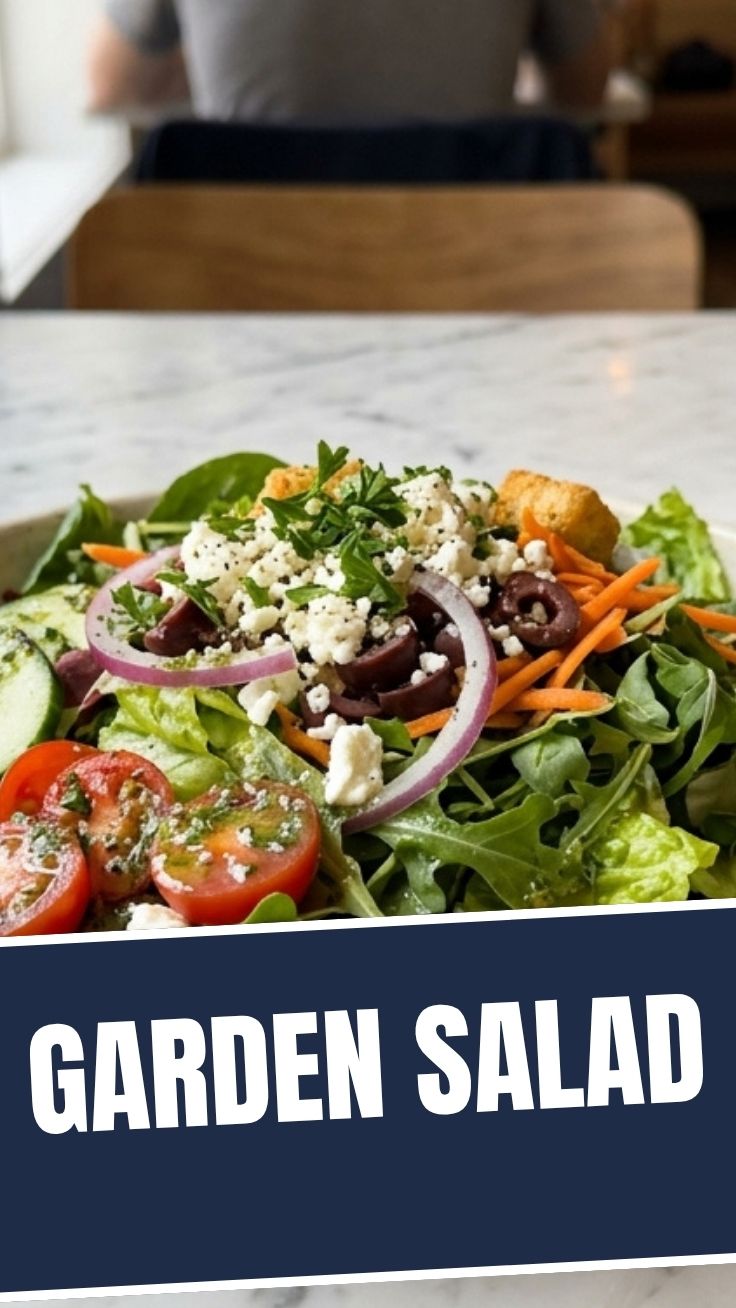
Proven way to grow a Garden Salad in 7 days.Garden Salad
Ingredients
Equipment
Method
- Choose a sunny spot in your garden or a large container with good drainage, then fill it with quality potting mix.
- Plant lettuce, radish, and spinach seeds according to package directions, ensuring proper spacing.
- Gently water the newly planted seeds, keeping the soil consistently moist.
- Water your garden daily, especially in the morning, to keep the soil moist but not waterlogged.
- Ensure the plants receive at least 6 hours of direct sunlight per day, rotating containers if necessary.
- By day 7, your lettuce, radishes, and spinach should be ready for harvest; carefully pick the outer leaves of lettuce and spinach, and pull radishes when their roots are about an inch in diameter.