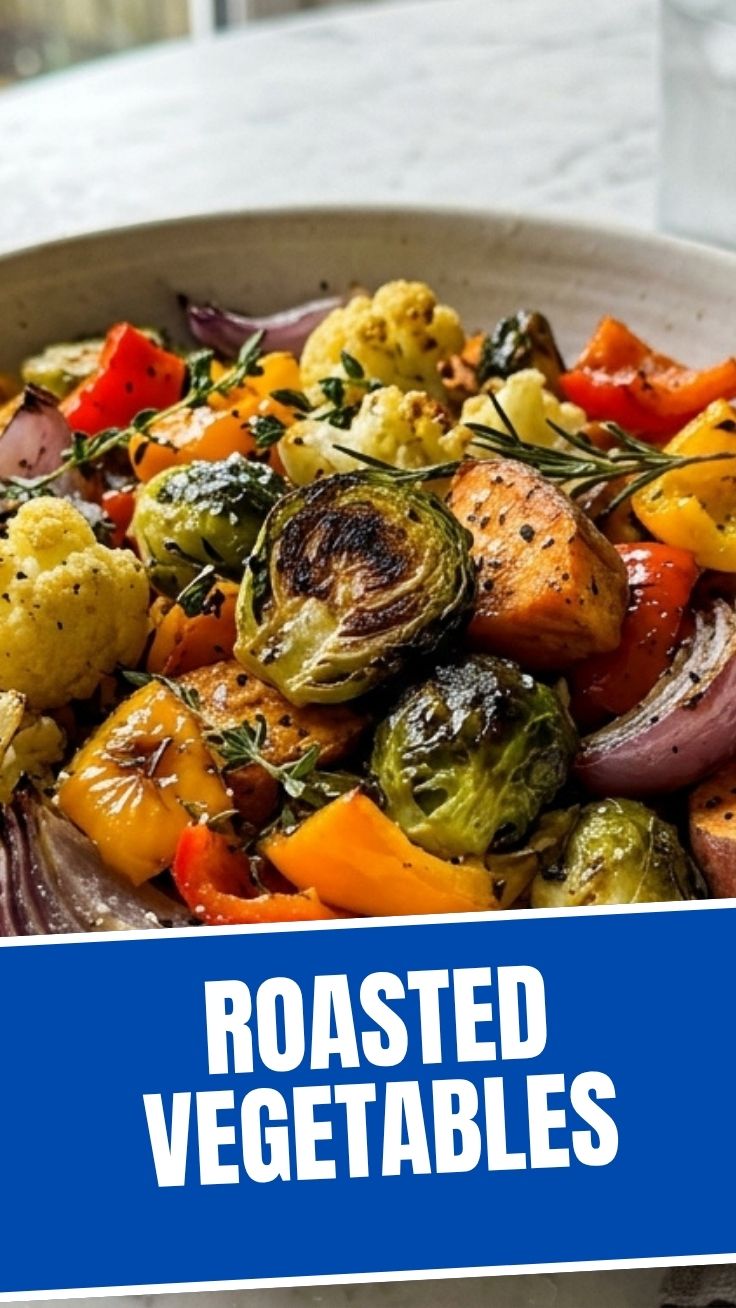
The Ultimate Guide to Perfect Roasted Vegetables: A Sheet Pan Dinner Revolution
Have you ever pulled a sheet pan from the oven only to find soggy, unevenly cooked vegetables that lack that irresistible caramelized charm? You are not alone. Mastering the art of roasted vegetables transforms humble produce into a deeply flavorful, crispy-edged side dish that can anchor an entire meal. Preparing this dish at home is not only cost-effective—allowing you to use whatever vegetables are in season or languishing in your crisper drawer—but it also gives you complete control over seasoning, oil quality, and doneness. Whether you are a busy parent looking for a hands-off dinner or a meal-prep enthusiast seeking a versatile staple, this guide will walk you through every detail. We will also explore how a simple sheet pan vegetables technique can become your go-to strategy for effortless, delicious, and healthy weeknight meals.
—
Ingredients & Kitchen Tools
Ingredients (Serves 4–6)
– Assorted vegetables (about 6 cups total, chopped into 1-inch pieces): Use a mix of sturdy vegetables like carrots, broccoli, cauliflower, bell peppers, red onion, and zucchini. Clarification: Starchy vegetables (potatoes, sweet potatoes, carrots) take longer to cook than tender ones (zucchini, bell peppers). Cut them smaller to ensure even roasting.
– 3 tablespoons olive oil or avocado oil: For best browning, use a high-smoke-point oil. Clarification: Extra-virgin olive oil adds flavor but can burn at very high temps; avocado oil is more neutral and heat-stable.
– 1 teaspoon salt (kosher or sea salt): Essential for drawing out moisture and enhancing flavor.
– ½ teaspoon black pepper, freshly ground
– 1 teaspoon garlic powder (optional, but recommended): Adds savory depth without burning.
– 1 teaspoon dried herbs (thyme, rosemary, or oregano): Use dried herbs; fresh ones can burn during roasting.
– Optional: 1–2 tablespoons balsamic vinegar or lemon juice (added after roasting for brightness).
Kitchen Tools
– Large rimmed baking sheet (18×13 inches): A rimmed sheet prevents juices from spilling. Tip: Avoid overcrowding; use two sheets if needed.
– Parchment paper or silicone baking mat: Promotes even browning and easy cleanup.
– Sharp chef’s knife and cutting board
– Mixing bowl (large enough for tossing vegetables)
– Spatula or tongs for flipping vegetables halfway through.
Optional Substitutions
– Oil-free: Toss with 2 tablespoons vegetable broth and roast at 400°F (200°C), checking frequently to prevent sticking.
– Low-sodium: Use a salt-free herb blend or add salt sparingly at the end.
– Vegan/Whole30: This recipe is naturally vegan and Whole30-compliant.
—
Prep Time & Cooking Schedule
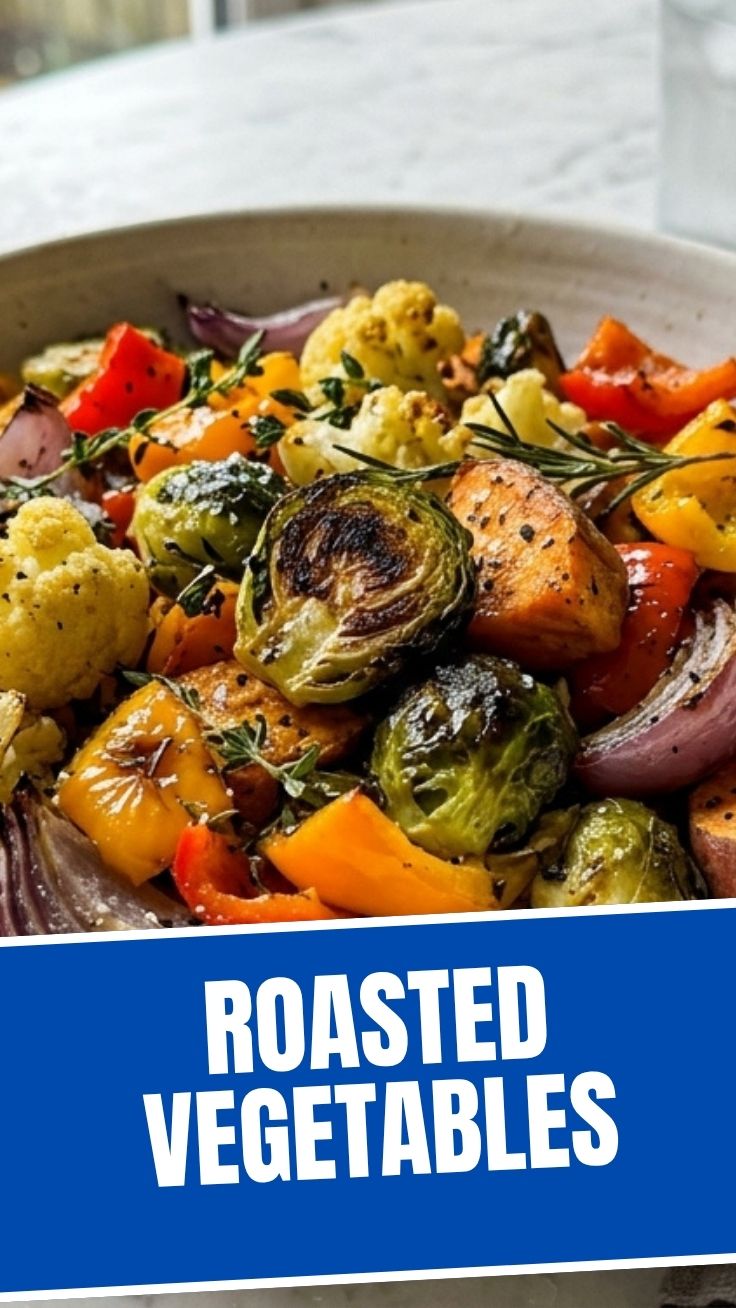
– Prep Time: 15 minutes (washing, chopping, and tossing)
– Cook Time: 25–35 minutes (depending on vegetable size and type)
– Resting Time: 5 minutes (let vegetables rest on the hot pan after removing from oven for better texture)
– Total Time: 45–55 minutes
Timing tip: If you are using a mix of quick-cooking and slow-cooking vegetables, add the dense ones (carrots, potatoes) to the oven first, then add the tender ones (zucchini, cherry tomatoes) 10–15 minutes later. This ensures everything finishes at the same time.
—
Step-by-Step Instructions
1. Preheat the oven to 425°F (220°C). A hot oven is critical for caramelization. Place the rack in the middle position.
2. Prepare the vegetables: Wash and cut all vegetables into uniform 1-inch pieces. Dense vegetables like carrots and potatoes should be cut slightly smaller than tender ones like peppers and onions.
3. Season the vegetables: In a large mixing bowl, combine the chopped vegetables with olive oil, salt, pepper, garlic powder, and dried herbs. Toss well with your hands or a spatula until every piece is evenly coated.
4. Arrange on the sheet pan: Spread the vegetables in a single, even layer. Do not overcrowd the pan—if they are packed too tightly, they will steam instead of roast. Use two pans if necessary.
5. Roast for 20 minutes: Place the pan in the oven and roast undisturbed for 20 minutes. This allows the initial sear to develop.
6. Flip and continue roasting: Remove the pan from the oven, use a spatula to flip the vegetables, and return to the oven for another 10–15 minutes. The vegetables are done when they are tender on the inside and golden brown with crispy edges on the outside.
7. Optional finishing touches: Drizzle with balsamic vinegar or fresh lemon juice immediately after removing from the oven. This step brightens the flavors and adds a final layer of complexity.
Practical tip: For perfect roasted vegetables, always pat dry washed vegetables with a clean towel before seasoning—excess moisture prevents browning. If you want a complete meal, try the sheet pan vegetables method by adding protein (chicken thighs, salmon, or tofu) to the same pan during the last 15–20 minutes of cooking.
—
Nutritional Benefits & Advantages
This dish is a powerhouse of nutrition. A single serving (about 1 cup) of mixed roasted vegetables provides:
– Vitamins A and C: Carrots, bell peppers, and broccoli are rich in these antioxidants, which support immune function and skin health.
– Fiber: Essential for digestive health and blood sugar regulation. A cup of roasted vegetables contains 4–6 grams of fiber.
– Low in calories, high in volume: Roasted vegetables are naturally low in calories (around 80–120 per serving) but filling, making them an excellent choice for weight management.
– Healthy fats: The olive oil provides monounsaturated fats, which are heart-healthy and help absorb fat-soluble vitamins (A, D, E, K).
Compared to boiled or steamed vegetables, roasting concentrates flavors without adding significant calories or sodium. It also preserves more nutrients than boiling, which can leach water-soluble vitamins into the cooking water.
—
Tips, Variations & Cooking Advice
Flavor Variations
– Mediterranean: Add a pinch of smoked paprika, oregano, and a handful of Kalamata olives during the last 5 minutes.
– Spicy: Toss with ½ teaspoon cayenne pepper or red pepper flakes, plus a squeeze of lime after roasting.
– Garlic Lovers: Add 4–6 whole garlic cloves (unpeeled) to the pan. They will soften and become sweet; squeeze out the roasted garlic paste to serve.
Ingredient Swaps
– Starchy swaps: Replace potatoes with parsnips, turnips, or sweet potatoes.
– Cruciferous swaps: Use Brussels sprouts (halved), cauliflower, or cabbage wedges.
– Protein additions: Add chickpeas (drained and patted dry) for a crisp, plant-based protein boost.
Alternative Cooking Methods
– Air fryer: Cook at 400°F (200°C) for 12–15 minutes, shaking the basket halfway through. Use a single layer for best results.
– Grill: Use a grill basket or aluminum foil packet. Cook over medium-high heat for 15–20 minutes, turning occasionally.
Dietary Adaptations
– Gluten-free: This recipe is naturally gluten-free. Ensure any added spice blends are certified gluten-free.
– Dairy-free: Use oil instead of butter. For a cheesy flavor, sprinkle with nutritional yeast after roasting.
– Low-carb/Keto: Focus on low-carb vegetables like broccoli, cauliflower, zucchini, and bell peppers. Avoid starchy options like potatoes and carrots.
—
Common Mistakes to Avoid
1. Overcrowding the pan: Vegetables need space to release steam. If they are stacked, they will steam and become mushy. Use two pans if necessary, or roast in batches.
2. Insufficient oil: Oil is essential for browning and flavor. Do not skimp; use at least 2–3 tablespoons for 6 cups of vegetables.
3. Underseasoning: Vegetables have a high water content and need robust seasoning. Do not be shy with salt and pepper.
4. Opening the oven too often: Each time you open the door, heat escapes, extending cooking time. Only flip once, halfway through.
5. Using the wrong pan size: A small, dark pan can cause uneven cooking. Use a large, light-colored, rimmed baking sheet for best results.
—
Storage & Meal Prep Tips
– Refrigeration: Store leftover roasted vegetables in an airtight container in the refrigerator for up to 4 days. They will lose some crispness, but the flavor remains excellent.
– Freezing: Spread cooled vegetables in a single layer on a baking sheet and freeze for 1–2 hours. Transfer to a freezer-safe bag or container. They will keep for up to 3 months. Freezing is best for vegetables that will be used in soups, stews, or blended into sauces, as texture may soften upon thawing.
– Reheating: For best texture, reheat in a 400°F (200°C) oven for 5–7 minutes. Avoid microwaving, which turns them rubbery. Alternatively, reheat in a dry skillet over medium-high heat for 2–3 minutes.
– Meal prep tip: Roast a large batch on Sunday and use throughout the week in salads, grain bowls, omelets, or as a side with protein.
—
Conclusion
Mastering the art of roasted vegetables is a fundamental kitchen skill that opens the door to countless healthy, delicious, and satisfying meals. By following the simple steps outlined here—choosing a mix of colorful vegetables, seasoning generously, and mastering the sheet pan technique—you can consistently achieve caramelized, tender, and flavorful results. The beauty of sheet pan vegetables is their versatility: they can be a side dish, a main course with added protein, or a meal-prep staple that saves you time all week. We encourage you to experiment with different spice blends, seasonal vegetables, and cooking methods to make this recipe your own. Share your results, tag us in your creations, and explore more recipes on our site. Happy roasting!
—
FAQs
1. Can I use frozen vegetables for roasting?
Yes, but do not thaw them first. Spread frozen vegetables directly on the pan, toss with oil and seasoning, and roast at 425°F (220°C) for 10–15 minutes longer than fresh. The texture will be softer, but flavors are still good. For best results, pat dry frozen vegetables to remove excess ice before seasoning.
2. Why are my roasted vegetables soggy?
Sogginess usually results from overcrowding the pan, insufficient oven temperature, or not patting vegetables dry before roasting. Ensure your oven is fully preheated to 425°F (220°C), use a single layer, and blot vegetables with a clean towel after washing.
3. How do I make roasted vegetables crispy?
To maximize crispiness, use a high heat (425°F–450°F), do not overcrowd, flip halfway through, and avoid adding acidic ingredients (like vinegar or lemon juice) until after roasting. A light coating of cornstarch (about 1 teaspoon per 2 cups of vegetables) can also enhance crispness.
4. Can I roast vegetables without oil?
Yes, but the texture will be drier and less caramelized. Use vegetable broth or a light spray of oil to help seasoning adhere. You can also roast at a slightly lower temperature (400°F) and check frequently to prevent burning.
5. What is the best way to reheat roasted vegetables to maintain crispness?
The oven is your best friend. Spread leftovers in a single layer on a baking sheet and reheat at 400°F (200°C) for 5–7 minutes. A toaster oven or air fryer (at 350°F for 3–4 minutes) also works well. Avoid microwaving, as it creates steam and ruins the texture.