Master the Art of the Perfect Pan-Seared Ribeye: Your Ultimate Guide to a Restaurant-Quality Steak (Pan-Seared Ribeye) at Home
Ever dreamt of sinking your teeth into a perfectly seared, juicy, and tender Steak (Pan-Seared Ribeye), right in the comfort of your own kitchen? There’s a certain magic to a home-cooked meal, especially when it rivals or even surpasses your favorite restaurant’s offering. Beyond the cost savings, preparing this culinary masterpiece yourself gives you unparalleled control over ingredients, cooking methods, and, ultimately, the flavor profile. This comprehensive guide will empower you to transform a simple cut of beef into an unforgettable dining experience, showing you exactly how to achieve a beautiful, flavorful crust through expert Pan-Seared techniques.
Ingredients & Kitchen Tools
Crafting the perfect Pan-Seared Ribeye requires a handful of quality ingredients and essential kitchen tools.
Ingredients:
- Ribeye Steak (1.5-inch thick, bone-in or boneless): The star of the show. Choose a cut with good marbling for maximum flavor and tenderness.
- Coarse Sea Salt (e.g., Kosher salt): Essential for seasoning and creating a delicious crust. Avoid fine salt, which can over-salt quickly.
- Freshly Ground Black Pepper: Adds a pungent, aromatic kick. Grind just before use for best flavor.
- High Smoke Point Oil (e.g., avocado oil, grapeseed oil): Crucial for searing at high temperatures without burning. Do not use olive oil for high-heat searing.
- Unsalted Butter (2 tablespoons): Used for basting, adding richness and a nutty aroma. Unsalted allows you to control the salt content.
- Fresh Garlic Cloves (2-3, smashed): Infuses the butter with aromatic flavor during basting.
- Fresh Rosemary Sprigs (2-3): Enhances the herbal notes during basting.
- Fresh Thyme Sprigs (2-3): Complements the rosemary and garlic with earthy undertones.
Kitchen Tools & Utensils:
- Heavy-Bottomed Skillet (Cast Iron or Stainless Steel): Essential for even heat distribution and achieving a superior sear. A cast iron skillet is highly recommended.
- Tongs: For safely flipping the steak and handling it during cooking.
- Instant-Read Meat Thermometer: Your best friend for ensuring perfect doneness. No more guessing!
- Cutting Board: For prepping and resting the steak.
- Small Bowl: For mixing seasonings.
- Wire Rack: For resting the steak evenly, promoting airflow.
- Aluminum Foil: To lightly tent the steak during resting.
Prep Time & Cooking Schedule
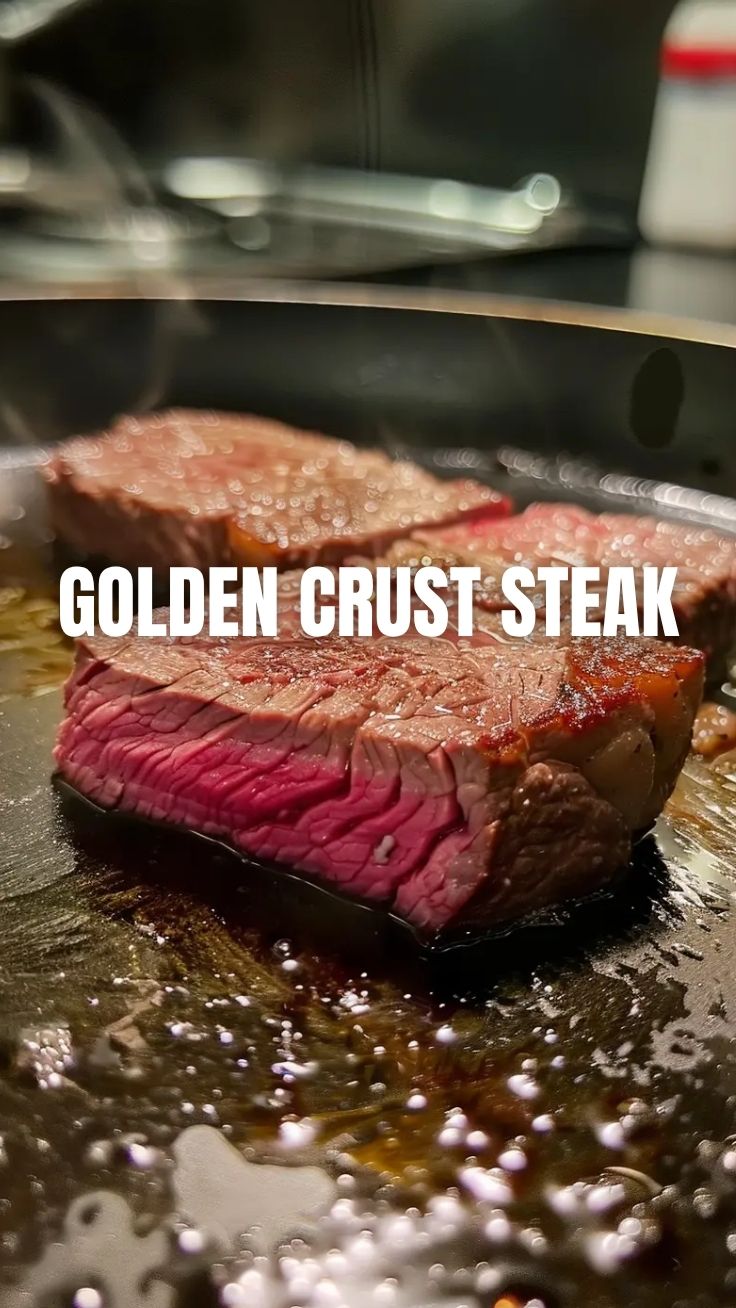
Achieving steak perfection is all about timing and preparation. Plan accordingly!
- Prep Time: 15 minutes (includes bringing steak to room temperature)
- Cook Time: 8-12 minutes (depending on desired doneness and steak thickness)
- Resting Time: 10 minutes
Planning Ahead: For optimal results, remove your steak from the refrigerator at least 30-60 minutes before cooking. This allows the meat to come closer to room temperature, ensuring more even cooking and a better sear.
Step-by-Step Instructions
Follow these detailed steps to achieve a perfectly Pan-Seared Steak (Pan-Seared Ribeye) every time.
1. Pat Dry & Season Generously: Using paper towels, thoroughly pat the ribeye steak dry on all sides. This is crucial for achieving a good crust. Season generously with coarse sea salt and freshly ground black pepper on all surfaces, including the edges. Don’t be shy; professional chefs season liberally.
2. Preheat the Skillet: Place your heavy-bottomed skillet over high heat. Allow it to preheat for 3-5 minutes until it’s smoking lightly. This intense heat is key for the initial sear.
3. Add Oil: Add the high smoke point oil to the hot skillet, just enough to coat the bottom. Swirl to distribute.
4. Sear the Steak: Carefully place the seasoned steak into the hot skillet. Do not overcrowd the pan if cooking multiple steaks. Sear for 2-3 minutes per side until a deep, golden-brown crust forms. Resist the urge to move or flip the steak too early. For a 1.5-inch thick ribeye, searing for 2.5 minutes per side is a good starting point.
5. Lower Heat & Baste (Optional but Recommended): Reduce the heat to medium. Add the unsalted butter, smashed garlic, rosemary, and thyme to the pan. Tilt the pan slightly and, using a spoon, continuously baste the melted butter and aromatics over the steak for 2-3 minutes, flipping occasionally to ensure even cooking and flavor infusion.
6. Check Doneness: Use an instant-read meat thermometer to check the internal temperature.
* Rare: 120-125°F
* Medium-Rare: 130-135°F
* Medium: 140-145°F
* Medium-Well: 150-155°F
* Well-Done: 160°F+
Remove the steak 5 degrees before your desired doneness, as it will continue to cook as it rests.
7. Rest the Steak: Transfer the cooked steak to a wire rack set over a cutting board. Tent loosely with aluminum foil and let it rest for at least 10 minutes. This allows the juices to redistribute, resulting in a more tender and flavorful steak. Do not skip this step!
8. Slice and Serve: Slice the steak against the grain into desired portions. Serve immediately with your favorite sides.
Nutritional Benefits & Advantages
The Steak (Pan-Seared Ribeye) isn’t just delicious; it’s a powerhouse of nutrition. Ribeye is an excellent source of high-quality protein, essential for muscle growth and repair, satiety, and overall body function. It’s also rich in vital micronutrients such as iron, which is crucial for oxygen transport in the blood, and zinc, important for immune function and wound healing. Furthermore, ribeye provides B vitamins (B6, B12, niacin, riboflavin), which play a significant role in energy metabolism. While it contains saturated fat, moderating portion sizes and pairing it with plenty of vegetables can create a balanced and nutrient-dense meal.
Tips, Variations & Cooking Advice
- Flavor Boosts: Experiment with rubs! Before searing, try a coffee rub for a deeper flavor, or a touch of smoked paprika for a smoky note.
- Alternative Fats: For a richer flavor, you can render a piece of beef tallow or bacon fat in the pan before adding the steak.
- Herb Variations: Beyond rosemary and thyme, consider sage or even a bay leaf for different aromatic profiles during basting.
- Compound Butter: After cooking, melt a knob of compound butter (e.g., garlic-herb butter, blue cheese butter) over the resting steak for an extra layer of flavor.
- Dietary Adaptations: For a lower-fat option, trim excess fat from the ribeye. For a gluten-free meal, ensure all seasonings and oils are certified gluten-free.
- Reverse Sear Method: For very thick steaks (2 inches or more), consider a reverse sear. Bake the steak on low heat in an oven until just below your desired doneness, then finish with a quick, high-heat sear in the skillet for a perfect crust.
Common Mistakes to Avoid
- Cooking a Cold Steak: Leads to uneven cooking, with the outside overcooked and the inside still rare. Always bring to room temperature first.
- Not Patting Dry: Moisture on the surface prevents a good sear, leading to a steamed rather than a seared exterior.
- Under-Seasoning: A well-seasoned steak is a flavorful steak. Don’t be afraid of salt and pepper.
- Overcrowding the Pan: Reduces the pan’s temperature, leading to steaming instead of searing. Cook steaks in batches if necessary.
- Flipping Too Often: Interferes with crust formation. Let the steak sit undisturbed to develop a beautiful crust.
- Skipping the Rest: The biggest mistake! Resting allows juices to redistribute, resulting in a tender, juicy steak. Cutting too early will lead to a dry, tough steak.
Storage & Meal Prep Tips
Leftover Steak (Pan-Seared Ribeye) can be a delicious addition to future meals. Store cooled, sliced steak in an airtight container in the refrigerator for up to 3-4 days. For longer storage, freeze in a freezer-safe bag or container for up to 2-3 months. To reheat, gently warm slices in a skillet over low heat with a splash of broth or water to prevent drying out. You can also thinly slice cold leftovers for salads, sandwiches, or steak wraps.
Conclusion
Mastering the art of a perfectly Pan-Seared Steak (Pan-Seared Ribeye) is a truly rewarding culinary achievement. By following these detailed steps, you can consistently produce a restaurant-quality meal at home. From the initial dry-brining to the crucial resting phase, every step plays a vital role in achieving that coveted juicy interior and savory, crusty exterior. Don’t hesitate to give this recipe a try; you’ll be amazed at the difference a few simple techniques can make. Share your results in the comments below, and let us know your favorite sides to pair with this magnificent ribeye!
FAQs
Q1: How do I know when my skillet is hot enough for searing?
A1: Your skillet is hot enough when you see a faint wisp of smoke rising from the pan or when a drop of water flicked into the pan immediately evaporates.
Q2: Can I use a different cut of steak?
A2: Yes, while ribeye is ideal for its marbling, you can apply these Pan-Seared techniques to other cuts like New York strip, sirloin, or even tenderloin, adjusting cooking times based on thickness and desired doneness.
Q3: My steak didn’t get a good crust. What did I do wrong?
A3: Common culprits include not patting the steak dry enough, not preheating the pan sufficiently, or overcrowding the pan. Ensure your steak is very dry, your pan is screaming hot, and you’re not trying to cook too many pieces at once.
Q4: How important is resting the steak?
A4: Resting is arguably one of the most critical steps. It allows the muscle fibers to relax and reabsorb the juices that have migrated to the center during cooking, preventing them from Gushing out when you slice the steak and ensuring maximum tenderness and flavor.
Q5: What are some good side dishes for Pan-Seared Ribeye?
A5: Classic pairings include roasted asparagus, creamed spinach, garlic mashed potatoes, a fresh garden salad, or sautéed mushrooms and onions.
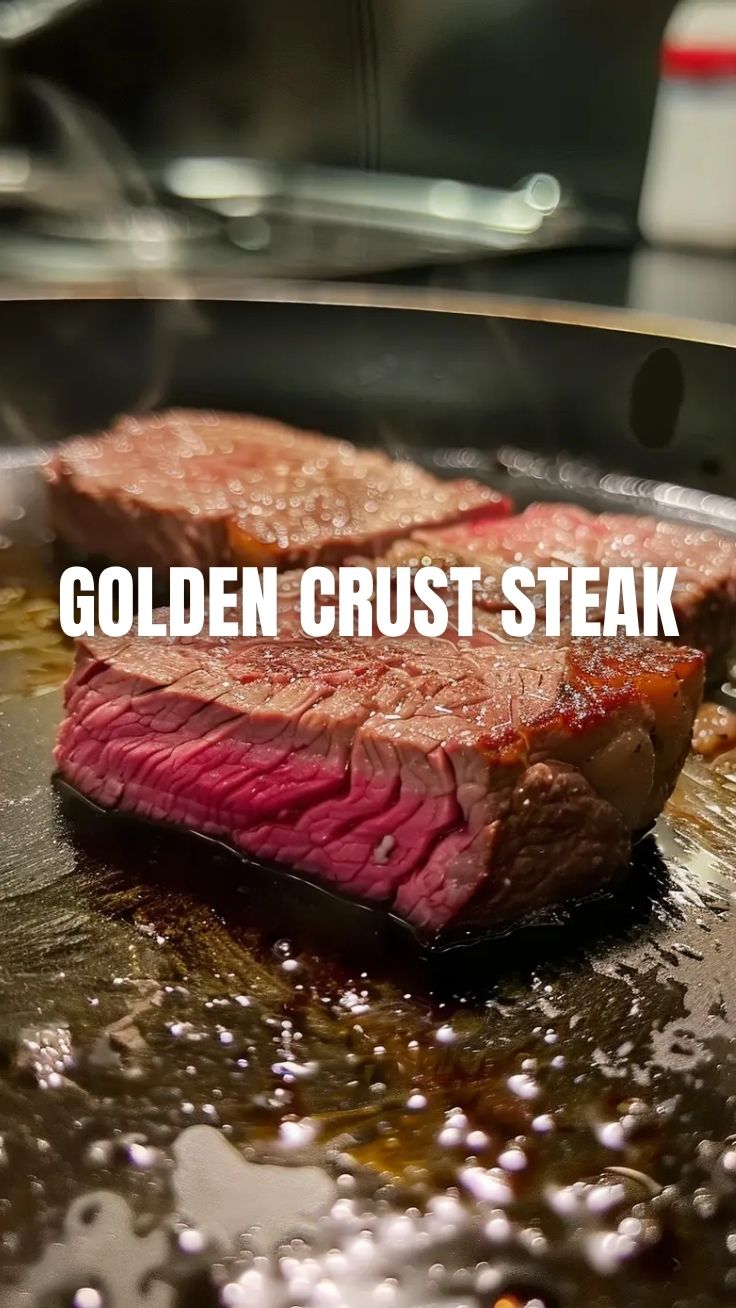
Quick way to grow a Perfect Steak (Pan-Seared Ribeye) in 6 Steps
Ingredients
Equipment
Method
- Season the ribeye steak generously with salt and black pepper on all sides, then let it rest at room temperature for 30 minutes to an hour.
- Heat a heavy-bottomed pan, such as a cast iron skillet, over high heat for 3-5 minutes until it's smoking hot, then add the olive oil.
- Carefully place the seasoned steak in the hot pan and sear for 2-3 minutes per side until a deep, golden-brown crust forms.
- Reduce heat to medium, add butter, smashed garlic, and rosemary or thyme sprigs to the pan.
- Tilt the pan and continuously baste the steak with the melted butter and aromatics for 1-2 minutes, ensuring even flavor and doneness.
- Remove the steak from the pan and let it rest on a cutting board for at least 5-10 minutes before slicing against the grain and serving.