Ready to elevate your comfort food game to an entirely new level? What if I told you that the creamiest, most satisfying Mac and Cheese you’ve ever tasted is not from a fancy restaurant, but waiting to be crafted in your own kitchen? Preparing this classic dish at home isn’t just about saving money; it’s about infusing every bite with love, control over ingredients, and a personalized touch that store-bought versions simply can’t replicate. Dive into the world of homemade goodness, and discover an array of delightful Cheese recipes that will become instant family favorites.
Ingredients & Kitchen Tools
- Elbow Macaroni (1 lb / 450g): The classic choice for its ability to hold cheesy sauce in its crevices. Other pasta shapes like shells or rotini work well too.
- Butter (1/2 cup / 113g, unsalted): Forms the base of our roux and adds rich flavor.
- All-Purpose Flour (1/2 cup / 60g): Essential for thickening the béchamel sauce.
- Milk (4 cups / 1 liter, whole milk recommended): Provides the creamy base; whole milk yields the richest result, but 2% can be used.
- Sharp Cheddar Cheese (4 cups / 450g, freshly grated): The star of our Mac and Cheese. Grating it yourself ensures a smoother melt and avoids anti-caking agents found in pre-shredded varieties.
- Gruyère or Monterey Jack Cheese (1 cup / 113g, freshly grated): Adds depth, nuttiness, and extra meltiness. Feel free to experiment with other good melting cheeses like fontina or Colby.
- Dijon Mustard (1 tsp): A secret ingredient that enhances the cheese’s flavor without making the dish taste like mustard.
- Nutmeg (1/4 tsp, freshly grated optional): A touch of warmth and spice that complements creamy sauces beautifully.
- Salt (to taste): Seasons the pasta water and the sauce.
- Black Pepper (to taste): Adds a subtle kick.
- Large Pot: For cooking the pasta.
- Large Saucepan or Dutch Oven: For making the cheese sauce.
- Whisk: Essential for a lump-free béchamel.
- Grater: For freshly grating the cheese.
- 9×13 inch Baking Dish: For baking the Mac and Cheese (if baking).
Prep Time & Cooking Schedule
- Prep time: 20 minutes (mostly grating cheese)
- Cook time: 30 minutes (pasta and sauce) + 20-25 minutes (baking, optional)
- Resting time: 10 minutes (after baking, allows sauce to set)
Plan to start grating your cheeses first – this is often the most time-consuming part. While your pasta cooks, you can begin preparing the béchamel sauce. If you choose to bake your mac and cheese, remember to preheat your oven while the sauce comes together.
Step-by-Step Instructions
1. Cook the Pasta: Bring a large pot of heavily salted water to a rolling boil. Add the elbow macaroni and cook according to package directions until al dente – slightly firm. Drain well and set aside. Do not rinse the pasta, as the starch helps the sauce adhere.
2. Make the Roux: In a large saucepan or Dutch oven, melt the butter over medium heat. Once melted, add the flour, whisking continuously for 1-2 minutes until a thick paste forms and it smells slightly nutty (a roux). This is crucial for thickening your sauce.
3. Build the Béchamel: Gradually whisk in the milk, a little at a time, until smooth. Continue whisking constantly until the sauce thickens to a consistency that coats the back of a spoon, about 5-7 minutes. Bring it to a gentle simmer, but do not boil vigorously.
4. Add the Cheese: Reduce the heat to low. Stir in the Dijon mustard and nutmeg (if using). Slowly add the grated sharp cheddar and the Gruyère/Monterey Jack, a handful at a time, stirring until each addition is completely melted and smooth before adding more. This controlled heat prevents the cheese from becoming oily or grainy. Season generously with salt and black pepper to taste. You’re now on your way to an incredible Mac and Cheese, showcasing the best of homemade Cheese recipes.
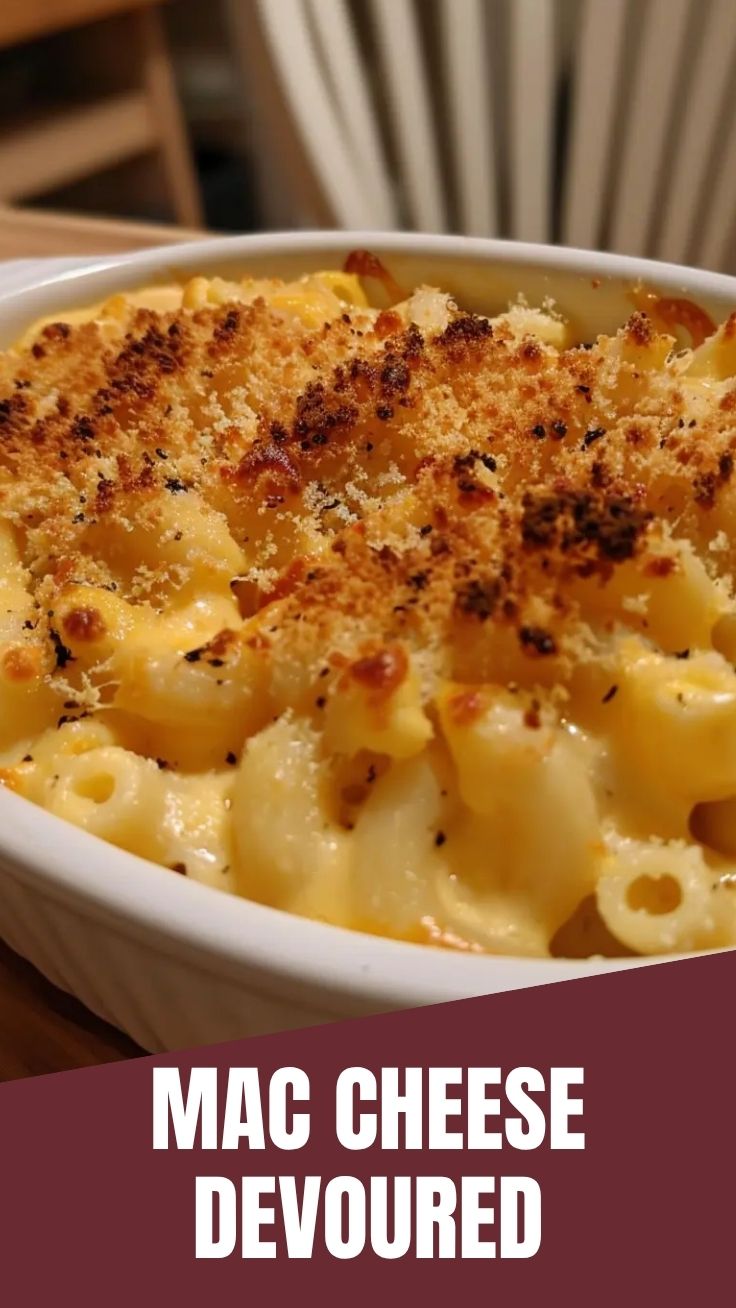
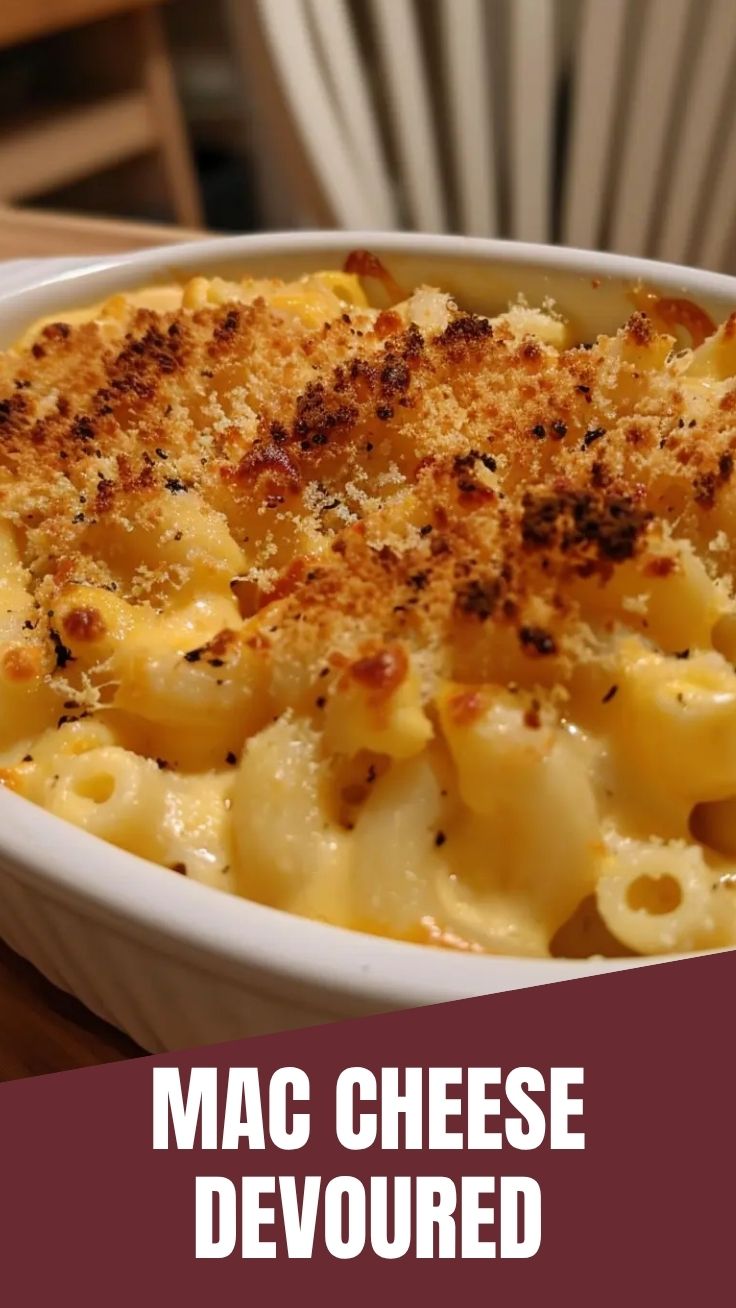
5. Combine & Bake (Optional): Add the cooked pasta to the cheese sauce and stir gently to combine everything thoroughly. If serving immediately, transfer to bowls. For a baked version, pour the mixture into a greased 9×13 inch baking dish. You can top with extra cheese or breadcrumbs for a crispy crust. Bake in a preheated oven at 375°F (190°C) for 20-25 minutes, or until bubbly and golden brown.
6. Rest & Serve: Let the baked Mac and Cheese rest for 5-10 minutes before serving. This allows the sauce to set slightly, preventing it from being too runny.
Nutritional Benefits & Advantages
Homemade Mac and Cheese, while a comforting indulgence, offers some advantages. When you make it from scratch, you control the quality of ingredients, opting for real cheese over processed alternatives, and choosing whole milk for more nutrients. Dairy products are an excellent source of calcium for bone health and protein for muscle repair. Whole wheat pasta can also be substituted for added fiber. The inclusion of various cheeses provides a good spectrum of vitamins and minerals.
Tips Variations & Cooking Advice
- Spice It Up: Add a pinch of cayenne pepper or a dash of hot sauce to the cheese sauce for a subtle kick.
- Crispy Topping: For a baked version, combine 1 cup panko breadcrumbs with 2 tablespoons melted butter and sprinkle over the top before baking.
- Protein Boost: Stir in cooked, shredded chicken, crispy bacon bits, or diced ham for a more substantial meal.
- Veggie Power: Incorporate blanched broccoli florets, peas, or sautéed spinach right into the pasta mixture.
- Gluten-Free: Use gluten-free pasta and a gluten-free all-purpose flour blend for the roux.
- Dairy-Free: This is a more challenging adaptation, but store-bought vegan cheese alternatives and unsweetened plant-based milk can be used. Be mindful that the texture and flavor will differ.
- Cheese Blend Fun: Don’t limit yourself to just cheddar and Gruyère! Experiment with smoked gouda, havarti, or even a touch of cream cheese for extra creaminess in your Cheese recipes.
Common Mistakes to Avoid
- Overcooking the Pasta: Mushy pasta won’t hold the sauce well. Cook it just until al dente.
- Cold Milk in the Roux: Adding cold milk to a hot roux can cause lumps. Ensure your milk is at least room temperature, if not slightly warmed.
- High Heat for Cheese: Melting cheese over high heat can cause the proteins to seize, resulting in a grainy, oily sauce. Always add cheese off the heat or over very low heat.
- Pre-Shredded Cheese: These often contain anti-caking agents that can make your sauce clumpy and less smooth. Grate your own for the best results.
- Not Seasoning Enough: Taste and adjust seasoning throughout the process, especially the cheese sauce.
Storage & Meal Prep Tips
Store leftover Mac and Cheese in an airtight container in the refrigerator for up to 3-4 days. To reheat, add a splash of milk or cream and microwave in short bursts, stirring frequently, or reheat gently on the stovetop. It can also be frozen for up to 2-3 months. Thaw overnight in the refrigerator before reheating, adding a little extra liquid if needed to restore creaminess. For meal prep, consider baking individual portions in ramekins.
Conclusion
Mastering the art of homemade Mac and Cheese is a truly rewarding culinary journey. With control over fresh ingredients and a few simple techniques, you can create a dish that surpasses any store-bought alternative, bursting with rich, comforting flavor. So why wait? Dive into your kitchen, gather your ingredients, and surprise your family and friends with this incredible recipe. Share your cheesy creations in the comments below, or tell us about your favorite Cheese recipes!
FAQs
Q1: Can I make the cheese sauce ahead of time?
A1: While possible, it’s best made fresh. If you must, prepare the béchamel (milk and roux) ahead, then gently reheat and add the cheese just before combining with pasta.
Q2: My cheese sauce is lumpy, what went wrong?
A2: This usually happens if the roux wasn’t smooth, the milk was added too quickly, or the cheese was melted over too high heat. Try whisking vigorously, or for very lumpy sauce, you can carefully pass it through a fine-mesh sieve.
Q3: What’s the best cheese blend for Mac and Cheese?
A3: A good blend usually includes a sharp, flavorful cheese (like sharp cheddar), a good melting cheese (Gruyère, Monterey Jack, Fontina), and sometimes a creamy cheese (like cream cheese or mascarpone) for silkiness.
Q4: How do I prevent my baked Mac and Cheese from drying out?
A4: Ensure your sauce is quite loose before baking, as the pasta will absorb more liquid. You can also cover it loosely with foil for part of the baking time, uncovering only for the last 10 minutes to brown the top. Adding extra milk or cream when reheating also helps.
Q5: Can I use different pasta shapes?
A5: Absolutely! While elbow macaroni is traditional, cavatappi, shells, penne, or rotini all work wonderfully as they have nooks and crannies to hold the delicious cheese sauce.
Mac and Cheese
Ingredients
Equipment
Method
- Boil elbow macaroni according to package directions until al dente; drain and set aside.
- In a saucepan, melt butter, then whisk in flour to create a roux. Gradually add milk, stirring constantly until thickened, then stir in shredded cheese, salt, pepper, and mustard powder until melted and smooth.
- Gently mix the cooked macaroni into the cheese sauce until well coated, then transfer to a baking dish and bake at 375°F (190°C) for 20-25 minutes, or until bubbly and golden.