Master the Classic: Your Ultimate Guide to Homemade Spaghetti Bolognese
Tired of lackluster, jarred sauces that just don’t hit the spot? Imagine a rich, slow-simmered, utterly delicious Spaghetti Bolognese, a dish that wraps you in comfort with every bite. Preparing this Italian classic at home isn’t just about cooking; it’s about crafting an experience, infusing love into every simmer, and creating a masterpiece that will have your family asking for seconds. Beyond the incredible flavor, the satisfaction of knowing exactly what goes into your meal—fresh, wholesome ingredients—adds immense value. Forget the quick fixes; true culinary joy comes from dishes like this, where a well-made Bolognese sauce truly elevates humble pasta. Whether you call it Spaghetti Bolognese or Pasta Bolognese, the secret to its unparalleled deliciousness lies in patience and quality ingredients.
Ingredients & Kitchen Tools
Crafting the perfect Bolognese requires a thoughtful selection of provisions and the right implements.
Ground Beef (1.5 lbs, 80/20 lean): The foundation of our rich sauce. The fat content adds flavor and moisture. Substitution: Ground pork, veal, or a mix for depth.*
Pancetta (4 oz, diced): Adds a salty, savory depth that’s quintessential to authentic Bolognese. Substitution: Smoked bacon, rendered and crumbled.*
- Yellow Onion (1 large, finely diced): Aromatic base.
- Carrots (2 medium, finely diced): Adds sweetness and enhances the color of the sauce.
- Celery Stalks (2 medium, finely diced): Essential part of the “soffritto” (aromatic base).
- Garlic (4 cloves, minced): Pungent flavor booster.
- Crushed Tomatoes (28 oz can, high quality): The main tomato component, providing body and acidity.
- Tomato Paste (6 oz can): Intensifies tomato flavor and thickens the sauce.
Dry Red Wine (1 cup, e.g., Chianti or Merlot): Deglazes the pan, adding complex fruit and tannin notes. Substitution: Beef broth for an alcohol-free version.*
- Whole Milk (1 cup): Tenderizes the meat and mellows the acidity of the tomatoes.
- Beef Broth (2 cups): Adds liquid and another layer of savory richness.
- Dried Bay Leaves (2): A subtle, herbaceous aroma.
Fresh Rosemary (1 sprig): Earthy and piney notes. Substitution: 1/2 tsp dried rosemary.*
Fresh Thyme (1 sprig): Delicate, savory flavor. Substitution: 1/2 tsp dried thyme.*
- Nutmeg (1/4 tsp, freshly grated preferred): A surprising but essential spice that adds warmth and depth.
- Salt and Freshly Ground Black Pepper: To taste.
- Olive Oil (2 tablespoons): For sautéing.
Spaghetti (1 lb): The classic pairing for this hearty sauce. Substitution: Tagliatelle, pappardelle, or other wide pasta for a greater sauce-to-pasta surface area.*
- Parmigiano-Reggiano Cheese (for serving, freshly grated): Essential for garnish and flavor.
Kitchen Tools:
- Large Dutch Oven or Heavy-Bottomed Pot: Ideal for slow simmering; retains heat well.
- Cutting Board & Chef’s Knife: For precise dicing.
- Wooden Spoon: For stirring and scraping the bottom of the pot.
- Measuring Cups & Spoons: For accurate ingredient quantities.
- Colander: For draining pasta.
Prep Time & Cooking Schedule
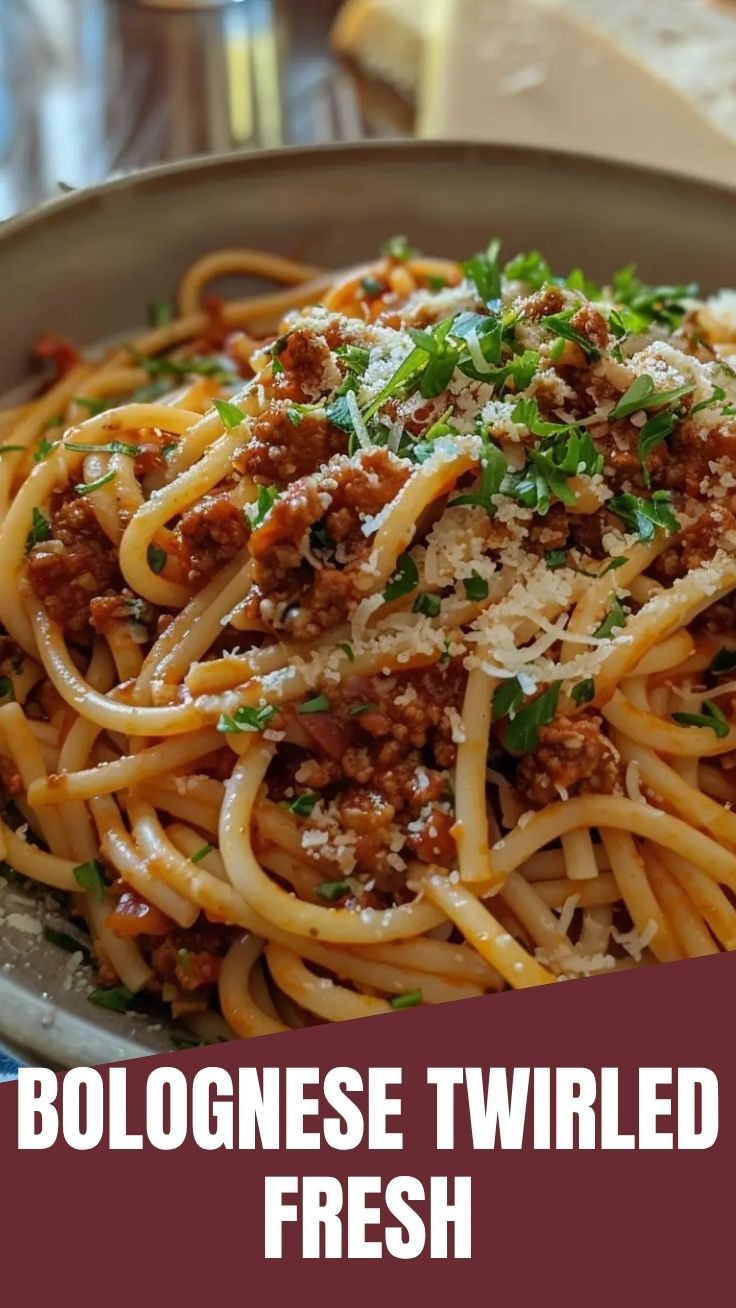
Planning is key for a truly exceptional Bolognese. This recipe thrives on a long, gentle simmer.
- Prep Time: 30 minutes (This includes all chopping of vegetables).
- Cook Time: 2.5 – 3 hours (Minimum 2 hours actively simmering, longer is better!).
- Resting Time: 15 minutes (Before serving, allows flavors to meld).
Context: The extended cook time is crucial for developing the complex flavors and achieving a rich, velvety texture in the sauce. Don’t rush this step. You can easily start this in the late afternoon for a delicious dinner, or even prepare it a day in advance for even deeper flavor. The prep work is mostly hands-on at the beginning, then it’s gentle stirring and waiting.
Step-by-Step Instructions
Follow these detailed steps to create a truly unforgettable Bolognese sauce.
1. Render Pancetta: Heat 1 tablespoon of olive oil in your large Dutch oven or heavy-bottomed pot over medium heat. Add the diced pancetta and cook until crispy and golden brown, about 5-7 minutes. Remove the pancetta with a slotted spoon and set aside, leaving the rendered fat in the pot.
2. Sauté Soffritto: Add the remaining 1 tablespoon of olive oil to the pot if needed. Add the diced onion, carrots, and celery. Cook over medium-low heat, stirring occasionally, until the vegetables are very soft and translucent, about 10-15 minutes. This slow sauté is vital for building flavor.
3. Brown the Meat: Increase the heat to medium-high. Add the ground beef to the pot, breaking it up with your wooden spoon. Cook until thoroughly browned, about 8-10 minutes. Drain off any excess fat if there’s a lot. Add the minced garlic and cook for another minute until fragrant.
4. Deglaze with Wine: Pour in the red wine, scraping the bottom of the pot with your wooden spoon to release any browned bits. Let the wine simmer vigorously until it has almost completely evaporated, about 5-7 minutes. This concentrates the wine’s flavor.
5. Add Tomato Power: Stir in the tomato paste and cook for 2-3 minutes, stirring constantly, until it darkens slightly. This step deepens the tomato flavor. Add the crushed tomatoes, bay leaves, rosemary, thyme, nutmeg, a generous pinch of salt, and freshly ground black pepper.
6. Simmer with Milk: Pour in the whole milk. Bring to a gentle simmer, then reduce the heat to low. Let it cook, uncovered, for about 15-20 minutes, stirring occasionally, until the milk has largely evaporated and integrated into the sauce. The milk tenderizes the meat wonderfully.
7. The Long Simmer: Add the beef broth. Bring the sauce to a very gentle simmer. Cover the pot, leaving the lid slightly ajar to allow some steam to escape. Cook on the lowest heat setting for at least 2 hours, or up to 3 hours, stirring every 30-45 minutes to prevent sticking. The sauce should be thick, rich, and deeply flavored. The long, low simmer is what transforms this from a good sauce into an exceptional Spaghetti Bolognese. As it cooks, you’ll see the sauce reduce and concentrate, developing a gorgeous complex flavor that’s perfect for any Pasta Bolognese.
8. Cook Pasta & Serve: About 15-20 minutes before the sauce is done, cook the spaghetti according to package directions in well-salted water until al dente. Drain, reserving about 1 cup of pasta water. Discard the bay leaves, rosemary, and thyme sprigs from the sauce.
9. Combine & Finish: Add the cooked spaghetti directly into the sauce. Add the reserved crispy pancetta. Stir to coat the pasta thoroughly. If the sauce seems too thick, add a splash of reserved pasta water until it reaches your desired consistency. Serve immediately, garnished with generous amounts of freshly grated Parmigiano-Reggiano cheese.
Nutritional Benefits & Advantages
This hearty Spaghetti Bolognese isn’t just delicious; it offers significant nutritional value. The ground beef provides a substantial source of heme iron and B vitamins (especially B12), crucial for energy and red blood cell formation. The vibrant mix of carrots, celery, and onions contribute essential fiber, vitamins (A and K), and antioxidants, promoting digestive health and reducing inflammation. Tomatoes are a powerhouse of lycopene, a potent antioxidant linked to heart health and cancer prevention. Milk adds calcium for strong bones. When made at home, you control the salt and sugar content, making it a healthier alternative to many store-bought options. It’s a balanced meal providing protein, complex carbohydrates, and a rich array of micronutrients.
Tips, Variations & Cooking Advice
- Deeper Flavor Ahead: Make the sauce a day or two in advance. The flavors meld and deepen wonderfully overnight.
- Vegetable Power-Up: For added nutrients, finely mince mushrooms, bell peppers, or zucchini and add them to the soffritto.
- Spice It Up: A pinch of red pepper flakes added with the garlic can introduce a subtle heat.
- Herb Variations: Experiment with different fresh herbs like flat-leaf parsley or oregano towards the end of cooking.
- Healthier Twist: Substitute ground turkey or chicken for beef, or use a leaner beef (90/10) if preferred. Adjust cooking time for leaner meats to prevent drying out.
- Gluten-Free: Use gluten-free pasta. The sauce itself is naturally gluten-free.
- Dairy-Free: Omit the whole milk. The sauce will still be delicious, just with a slightly different texture. Using beef broth instead of wine also makes it alcohol-free.
- Portion Control: Bolognese is very rich. Serve with a crisp green salad to balance the meal.
Common Mistakes to Avoid
- Rushing the Soffritto: Under-cooking the onions, carrots, and celery will result in a less flavorful, crunchy sauce. Take your time here!
- Not Browning the Meat Properly: Inadequate browning prevents the development of rich, savory “Maillard reaction” flavors. Ensure the meat gets a good sear.
- Skipping the Wine or Milk: Both ingredients play crucial roles—wine adds depth and acidity, and milk tenderizes the meat and mellows the sauce. Don’t omit them unless for dietary reasons.
- Insufficient Simmer Time: This is perhaps the biggest mistake. A quick simmer won’t develop the complex, rich flavors Bolognese is famous for. Patience is a virtue here.
- Over-Seasoning too Early: Season in layers. Add salt early with the vegetables and meat, then adjust more at the end after the sauce has reduced and flavors have concentrated.
- Adding Pasta to the Pot Too Soon: Only add the cooked pasta to the sauce right before serving to prevent it from getting mushy.
Storage & Meal Prep Tips
Bolognese is an excellent dish for meal prepping!
- Refrigeration: Store leftover sauce in an airtight container in the refrigerator for up to 3-4 days. Cooked pasta should ideally be stored separately, then combined just before reheating.
- Freezing: For longer storage, the sauce freezes beautifully. Allow it to cool completely, then transfer to freezer-safe containers or resealable bags. It can be frozen for up to 3 months. Thaw overnight in the refrigerator before reheating.
- Reheating: Gently reheat the sauce on the stovetop over low heat, adding a splash of water, broth, or milk if it’s too thick. If reheating with pasta, add a little liquid and stir gently until heated through. Microwaving is also an option for single servings, stirring halfway through.
Conclusion
There you have it – your definitive guide to creating a truly authentic and incredibly satisfying Spaghetti Bolognese from scratch. This isn’t just a recipe; it’s a journey into the heart of Italian comfort food, proving that time and quality ingredients are the most important elements in truly great cooking. The effort is minimal, but the reward – a rich, deeply flavored sauce that clings perfectly to every strand of pasta – is immense. So, roll up your sleeves, embrace the culinary process, and marvel at how a little patience can transform simple ingredients into an extraordinary Spaghetti Bolognese. Whether you refer to it as Pasta Bolognese or its more specific counterpart, this recipe is guaranteed to become a cherished favorite in your kitchen. We encourage you to try this recipe, savor every bite, and share your delicious results with us!
FAQs
Q1: Can I make Bolognese in a slow cooker?
A1: Yes! After browning the meat and sautéing the soffritto, transfer everything to a slow cooker. Add all remaining sauce ingredients (except pasta) and cook on low for 6-8 hours or high for 3-4 hours. You’ll still get wonderful flavors, though searing in a pot initially is recommended.
Q2: What’s the best type of pasta for Bolognese?
A2: While spaghetti is traditional, wide, flat pastas like tagliatelle or pappardelle are excellent choices as their larger surface area allows them to hold more of the rich sauce.
Q3: My sauce is too thin/thick. How can I fix it?
A3: If too thin, continue simmering uncovered to reduce and thicken. If too thick, add small amounts of beef broth, pasta water, or even a splash of milk until desired consistency is reached.
Q4: Can I omit the alcohol (red wine)?
A4: Absolutely. You can substitute the red wine with an equal amount of beef or vegetable broth. While the wine adds a layer of depth, the sauce will still be delicious without it.
Q5: What’s the secret to a really flavorful Bolognese?
A5: The “secret” lies in several steps: thoroughly browning the meat, patiently sautéing the soffritto until very soft, using high-quality crushed tomatoes and tomato paste, and most importantly, a long, slow simmer. These steps allow the flavors to meld and deepen over time.
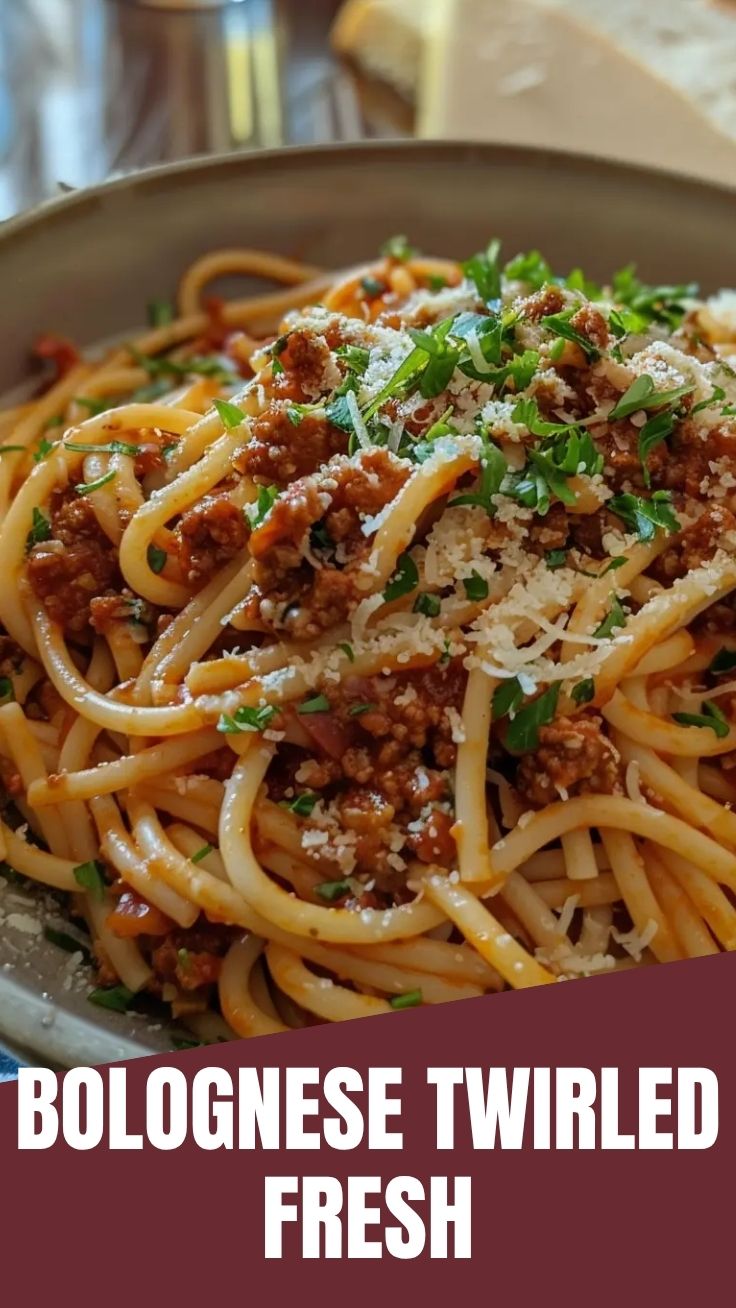
Best way to grow your perfect Spaghetti Bolognese
Ingredients
Equipment
Method
- Heat olive oil in a large pot or Dutch oven over medium heat, then add pancetta and cook until crispy.
- Remove pancetta, leaving the fat, and add chopped onions, carrots, and celery, cooking until softened.
- Stir in minced garlic and cook for another minute until fragrant, then add ground beef and pork, breaking it up and browning evenly.
- Drain excess fat, pour in red wine, and simmer until nearly evaporated, scraping up any browned bits from the bottom.
- Add crushed tomatoes, beef broth, milk, bay leaves, and oregano, then bring to a gentle simmer.
- Reduce heat to low, cover, and let simmer for at least 2-3 hours, stirring occasionally, or up to 4 hours for deeper flavor.
- Season the Bolognese with salt and pepper to taste, then remove the bay leaves.
- Cook spaghetti according to package instructions until al dente.
- Serve the Bolognese sauce over hot spaghetti, garnished with grated Parmesan cheese and fresh basil.