Why Shrimp and Grits Deserves a Place in Your Weekly Rotation
Have you ever wondered why a simple bowl of creamy grits topped with succulent shrimp became a cornerstone of Southern cuisine? The answer lies in its perfect balance of textures, flavors, and cultural heritage. Mastering homemade Shrimp and Grits transforms humble ingredients into a dish that rivals any fine-dining experience—and preparing it at home ensures you control the quality, seasoning, and portion size while saving money compared to restaurant versions. Whether you prefer the classic Lowcountry preparation or the slightly spicier Cajun Shrimp and Grits, this recipe delivers restaurant-quality results in under an hour.
—
Ingredients & Kitchen Tools
For the Grits
– Stone-ground grits (1 cup) – Avoid instant grits; they lack the creamy, toothsome texture essential for authentic results.
– Whole milk (2 cups) – Adds richness; substitute with water for a lighter version.
– Chicken broth (2 cups) – Enhances savory depth; vegetable broth works for a vegetarian base.
– Unsalted butter (4 tablespoons) – Salted butter can be used but reduce added salt later.
– Sharp cheddar cheese (½ cup, shredded) – Opt for white cheddar for a classic appearance.
– Salt and white pepper – White pepper blends invisibly; black pepper is acceptable.
For the Shrimp
– Fresh or frozen shrimp (1 pound, peeled and deveined) – Jumbo or large size (16–20 count) holds texture best.
– Andouille sausage (4 ounces, sliced) – Optional but traditional; smoked sausage or bacon are good substitutes.
– Bacon (4 strips, chopped) – Adds smokiness; skip for a lighter dish.
– Yellow onion (½ cup, diced) – Sweet yellow onions balance the savory elements.
– Green bell pepper (½ cup, diced) – Red or orange bell peppers add sweetness.
– Celery (½ cup, diced) – Essential for the “holy trinity” foundation.
– Garlic (3 cloves, minced) – Fresh garlic outperforms pre-minced varieties.
– Chicken broth (½ cup) – Deglazes the pan and creates the sauce.
– Heavy cream (¼ cup) – Creates a velvety sauce; half-and-half works but yields thinner results.
– Hot sauce (1 teaspoon) – Louisiana-style preferred; adjust to taste.
– Cajun seasoning (1 teaspoon) – Store-bought or homemade blend of paprika, cayenne, oregano, thyme.
– Salt and black pepper – Season according to your preference.
Essential Tools
– Large cast-iron skillet or heavy-bottomed pan – Retains heat evenly for perfect searing.
– Medium saucepan with lid – For cooking grits without scorching.
– Wooden spoon or silicone spatula – Prevents scratching cookware.
– Chef’s knife and cutting board – Sharp knives make prep faster and safer.
– Measuring cups and spoons – Precision ensures balanced flavors.
—
Prep Time & Cooking Schedule
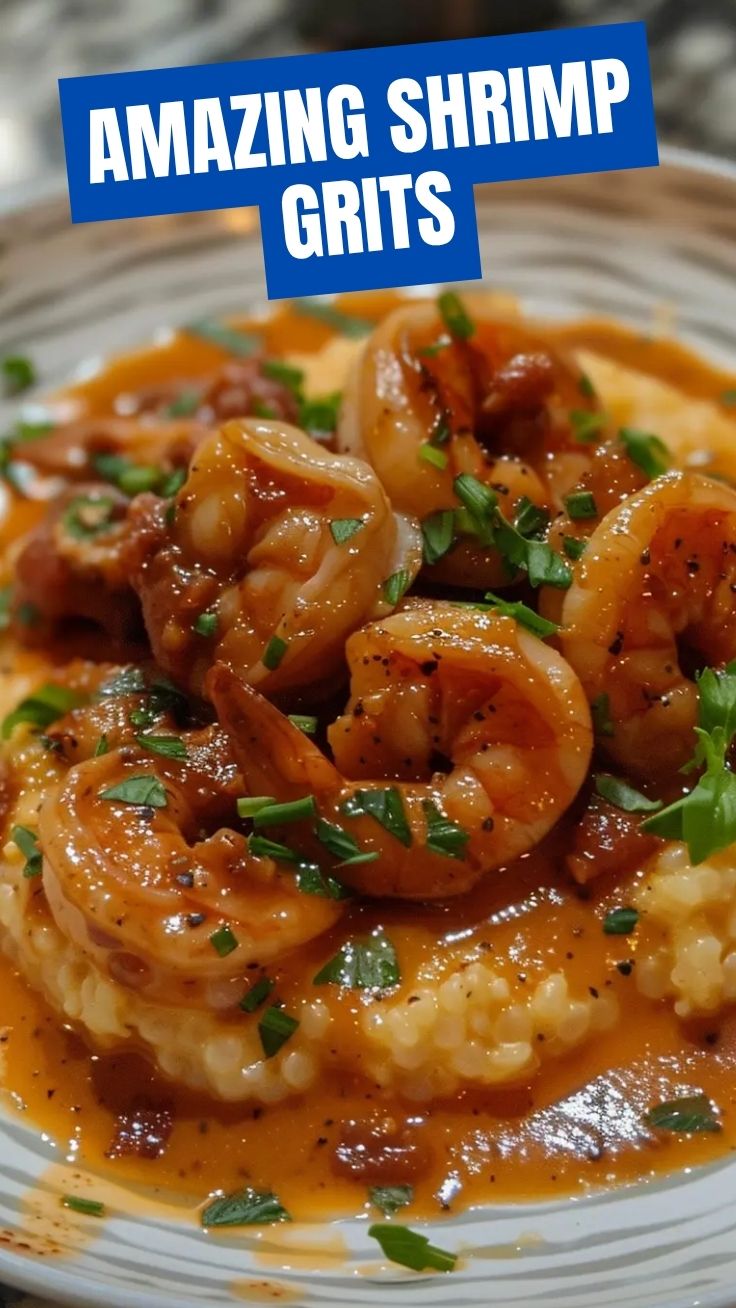
– Prep time: 15 minutes (peel shrimp, chop vegetables, slice sausage)
– Cook time: 35 minutes
– Total time: 50 minutes
The grits require low, slow cooking (20–25 minutes) while you prepare the shrimp mixture simultaneously. This overlapping schedule allows both components to finish at the same time, ensuring a hot, cohesive meal.
Pro tip: Start the grits first. They can rest covered for 5–10 minutes if the shrimp finishes earlier, but shrimp must be served immediately to avoid overcooking.
—
Step-by-Step Instructions
Step 1: Prepare the Grits
In a medium saucepan, bring 2 cups of milk, 2 cups of chicken broth, and ½ teaspoon salt to a gentle boil over medium-high heat. Slowly whisk in 1 cup of stone-ground grits to prevent lumps. Reduce heat to low, cover, and simmer for 20–25 minutes, stirring every 5 minutes to prevent sticking. When the grits are thick and creamy, remove from heat and stir in 4 tablespoons butter and ½ cup shredded cheddar cheese until melted. Season with white pepper to taste. Keep covered.
Step 2: Cook the Bacon
While grits simmer, place 4 strips of chopped bacon in a cold cast-iron skillet. Heat to medium and cook until crispy, about 5–7 minutes. Transfer bacon to a paper towel-lined plate, leaving 2 tablespoons of rendered fat in the skillet.
Step 3: Sauté the Vegetables
Add sliced andouille sausage to the hot bacon fat. Cook 3 minutes until browned on both sides. Remove sausage and set aside. Add onions, bell peppers, and celery to the skillet. Sauté 4–5 minutes until softened. Add minced garlic and cook 30 seconds until fragrant.
Step 4: Cook the Shrimp
Season 1 pound of peeled shrimp with 1 teaspoon Cajun seasoning, salt, and pepper. Push vegetables to the edges of the skillet and add shrimp in a single layer. Cook 2 minutes per side until pink and opaque. Remove shrimp and vegetables to a plate.
Step 5: Build the Sauce
Pour ½ cup chicken broth into the hot skillet, scraping up browned bits from the bottom. Stir in ¼ cup heavy cream and 1 teaspoon hot sauce. Simmer 2 minutes until slightly thickened. Return shrimp, sausage, vegetables, and bacon to the pan. Toss to coat and heat through.
Step 6: Assemble and Serve
Spoon a generous portion of creamy grits into bowls. Top with the shrimp and sausage mixture, ensuring each serving gets plenty of sauce. Garnish with chopped green onions or fresh parsley if desired.
Pro tips: For the classic Shrimp and Grits (Southern), use sharp cheddar and more butter. For Cajun Shrimp and Grits, double the Cajun seasoning and add a pinch of cayenne to the sauce.
—
Nutritional Benefits & Advantages
This dish offers surprising nutritional value beyond its comfort food reputation. Shrimp provides lean protein (about 20g per 4-ounce serving) while being low in calories and rich in selenium, vitamin B12, and omega-3 fatty acids. The combination of andouille sausage and bacon adds iron and B vitamins, though you can reduce saturated fat by using turkey sausage or omitting bacon.
Stone-ground grits are a whole grain, offering fiber and complex carbohydrates that provide sustained energy. When cooked with milk, they also contribute calcium and vitamin D. The “holy trinity” of onions, bell peppers, and celery delivers antioxidants like quercetin and vitamin C, supporting immune function.
For a lighter version, replace heavy cream with half-and-half and use less butter. The dish naturally contains gluten-free ingredients, making it suitable for those with celiac disease or gluten sensitivity. Each serving provides approximately 450–550 calories, depending on portion size and ingredient choices.
—
Tips, Variations & Cooking Advice
Flavor Variations
– Garlic butter shrimp and grits: Skip the tomato-based sauce and instead toss cooked shrimp with melted butter, garlic, lemon juice, and parsley.
– Blackened shrimp: Coat shrimp in blackening seasoning and sear in a screaming-hot cast-iron skillet for a crusty exterior.
– Cheese grits upgrade: Add cream cheese or Gruyère for extra creaminess and tang.
Ingredient Swaps
– Shrimp substitutes: Diced chicken breast, firm tofu, or scallops work well.
– Grits alternatives: Polenta or finely ground cornmeal (cook time varies).
– Dairy-free: Use unsweetened oat milk and vegan butter; nutritional yeast replaces cheese flavor.
Cooking Methods
– One-pot version: Cook grits separately, but build the shrimp mixture in a Dutch oven and serve over grits.
– Slow cooker method: Cook grits on low for 4–5 hours with extra liquid; prepare shrimp on the stovetop and combine before serving.
– Grilled shrimp: Marinate shrimp in Cajun seasoning and olive oil, grill 2 minutes per side, then add to prepared grits.
Dietary Adaptations
– Low-carb: Serve shrimp mixture over cauliflower grits or roasted vegetables.
– Keto-friendly: Use heavy cream in grits and skip the cornmeal entirely—serve shrimp over sautéed spinach.
– Vegetarian: Replace shrimp with roasted mushrooms and use vegetable broth.
—
Common Mistakes to Avoid
Mistake 1: Using instant grits
Instant grits cook in 5 minutes but produce a gummy, pasty texture. Stone-ground grits require patience but reward you with creamy, individual corn particles. If time is limited, use quick grits (cook 10 minutes) instead of instant.
Mistake 2: Overcooking shrimp
Shrimp cook in 2–3 minutes per side. Overcooking makes them rubbery and tough. Remove them from heat as soon as they turn pink and curl into a loose “C” shape.
Mistake 3: Not stirring grits frequently enough
Grits scorch easily on the bottom. Stir every 5 minutes with a wooden spoon, scraping the bottom of the pot. If grits become too thick, add warm broth or milk ¼ cup at a time.
Mistake 4: Skimping on seasoning
Southern-style grits need generous salt, pepper, and butter. Taste as you cook. The shrimp mixture also requires proper—not timid—seasoning. Under-seasoned grits taste flat.
Mistake 5: Adding cheese too early
Cheese added to boiling grits can become stringy or separate. Remove grits from heat, wait 30 seconds, then stir in cheese until melted. High heat breaks the emulsion.
—
Storage & Meal Prep Tips
Refrigeration: Store shrimp and grits separately in airtight containers. The grits will thicken as they cool. Refrigerate both for up to 3 days.
Freezing: Grits freeze well for up to 3 months. Cool completely, transfer to freezer-safe bags, and flatten for quick thawing. Shrimp does not freeze well after cooking—the texture becomes watery when reheated. Prepare fresh shrimp when serving frozen grits.
Reheating:
– Stovetop (best method): Reheat grits with 2–3 tablespoons of milk or broth per cup. Warm over medium-low heat, stirring frequently, until smooth and hot. Reheat shrimp mixture in a skillet over medium heat, adding a splash of broth if dry.
– Microwave: Heat grits in 30-second intervals, stirring after each, adding liquid as needed. Reheat shrimp mixture on 50% power to prevent rubberiness.
– Oven: Place grits in a covered baking dish at 300°F for 15–20 minutes. Stir once halfway through.
Meal prep strategy: Cook a large batch of grits on Sunday, portion into containers, and refrigerate. Each night, quickly prepare fresh shrimp and sauce while reheating grits. Dinner is ready in 15 minutes.
—
Conclusion
This recipe proves that creating authentic Southern comfort food at home is both achievable and rewarding. By focusing on proper technique—slow-cooked stone-ground grits, perfectly seared shrimp, and a well-seasoned sauce—you can replicate the magic of a Charleston or New Orleans kitchen in your own home. Whether you choose the classic Shrimp and Grits (Southern) with sharp cheddar or the spicier Cajun Shrimp and Grits, this dish delivers satisfaction every time. The flexible ingredient options allow you to tailor it to your dietary needs without sacrificing flavor.
Now it’s your turn to hit the kitchen. Try the recipe this weekend, experiment with variations, and share your results in the comments below. We’d love to hear which version becomes your go-to.
—
FAQs
1. Can I use frozen shrimp instead of fresh?
Yes. Thaw frozen shrimp overnight in the refrigerator or under cold running water for 10 minutes. Pat them completely dry before cooking—excess moisture prevents proper searing.
2. Why are my grits lumpy?
Lumps form when you add grits to cold liquid or dump them all at once. Always whisk grits into boiling liquid in a slow, steady stream. If lumps appear, whisk vigorously or use an immersion blender.
3. Can I make this dish dairy-free?
Absolutely. Use unsweetened oat milk or almond milk for grits, substitute vegan butter, and replace cheese with nutritional yeast (2 tablespoons). For the sauce, use full-fat coconut cream instead of heavy cream for richness.
4. How do I prevent my shrimp from becoming rubbery?
Cook shrimp over medium-high heat for only 2 minutes per side. Remove them from the pan as soon as they turn pink and curl slightly. Never boil shrimp—quick searing is superior.
5. What’s the difference between Southern and Cajun versions?
Classic Southern shrimp and grits uses a creamy, buttery sauce with cheddar cheese and mild seasonings. Cajun-style incorporates andouille sausage, the “holy trinity” vegetables, and bolder spices like cayenne, paprika, and thyme, often with a slightly thinner sauce.
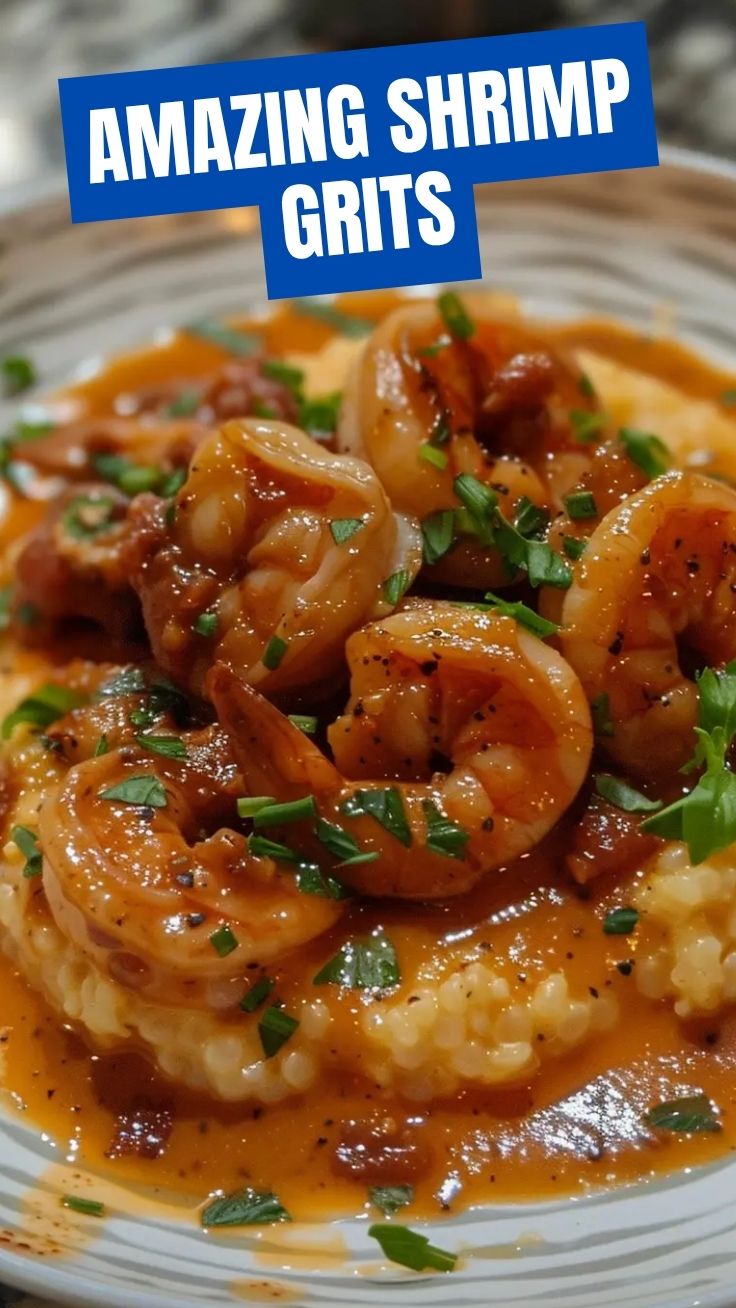
How to grow: Shrimp and Grits (Southern) (3 ways)
Ingredients
Equipment
Method
- To cook quick-cooking grits, bring water or broth and salt to a boil, then whisk in grits, reduce heat, and simmer until thick; for stone-ground grits, adjust cooking time per package directions.
- Stir in butter and shredded cheddar cheese until melted and creamy, seasoning with additional salt and pepper if needed.
- In a large skillet, heat olive oil over medium-high heat, then add garlic and sauté for 30 seconds until fragrant.
- Add shrimp, smoked paprika, salt, and pepper, cooking for 2-3 minutes per side until pink and opaque.
- Cook diced bacon in the same skillet until crispy, then remove and set aside, reserving 1 tablespoon of drippings.
- Add chopped onion and bell pepper to the skillet, sautéing until softened.
- Stir in diced tomato and chicken broth, simmering for a few minutes until slightly reduced.
- Return cooked shrimp to the skillet and toss with the sauce; serve immediately over warm grits, garnished with crispy bacon.
- In the same skillet, cook sliced Andouille sausage until browned, then remove it and set aside.
- Proceed with sautéing onion and bell pepper as in Method 1, then add Creole seasoning with the tomato and chicken broth.
- Stir in the cooked shrimp and Andouille sausage, serving over grits.
- Optionally, garnish with sliced green onions and hot sauce.
- After sautéing onion and bell pepper, deglaze the pan with white wine, scraping up any browned bits.
- Stir in chicken broth and lemon juice, simmering briefly, then return shrimp to the pan.
- Finish with fresh chopped parsley and serve over grits, garnishing with green onions if desired.