The Ultimate Tres Leches Cake: A Creamy, Dreamy Dessert That Melts in Your Mouth
Have you ever bitten into a cake so moist and luscious that it felt like clouds and cream dancing on your tongue? That’s exactly what happens when you make an authentic Tres Leches Cake at home. This beloved Latin American classic gets its name—literally “three milks”—from the trifecta of evaporated milk, condensed milk, and heavy cream that soaks into a light sponge. While store-bought versions often turn out dry or overly sweet, preparing this recipe in your own kitchen gives you full control over texture, sweetness, and freshness. Plus, it’s surprisingly simple once you understand a few key techniques. Whether you’re hosting a celebration or simply craving something indulgent, this dessert recipes staple will earn a permanent spot in your baking rotation.
Ingredients & Kitchen Tools
For the sponge cake:
– 1 cup all-purpose flour (sifted for lightness)
– 1½ tsp baking powder (ensures proper rise)
– ¼ tsp salt (balances sweetness)
– 5 large eggs (room temperature, separated)
– 1 cup granulated sugar (divided)
– 1 tsp vanilla extract
– ⅓ cup whole milk (adds tenderness)
For the three-milk mixture:
– 1 can (12 oz) evaporated milk
– 1 can (14 oz) sweetened condensed milk
– 1 cup heavy cream
For the topping:
– 2 cups heavy whipping cream
– 3 tbsp powdered sugar
– ½ tsp vanilla extract
– Ground cinnamon for dusting
Kitchen Tools Needed:
– 9×13-inch baking dish (glass or metal works)
– Electric mixer or stand mixer
– Mixing bowls (large and medium)
– Spatula
– Whisk
– Toothpick or cake tester
– Aluminum foil
Optional substitutions: Use gluten-free all-purpose flour blend for a GF version. For dairy-free, substitute canned coconut milk for evaporated milk, coconut condensed milk for sweetened condensed, and full-fat coconut cream for heavy cream. Texture will be slightly different but still delicious.
Prep Time & Cooking Schedule
Total time: Approximately 4 hours (45 minutes active, plus resting)
– Prep time: 20 minutes
– Bake time: 25–30 minutes at 350°F
– Cooling time: 30 minutes at room temperature
– Soaking time: At least 2 hours in the refrigerator (overnight is best)
The magic happens during the soaking phase. While the cake bakes quickly, the resting period allows the three-milk mixture to fully penetrate every crumb. Plan to make this the day before serving for the most cohesive texture—the cake actually improves after 12–24 hours of refrigeration as the flavors meld and the sponge becomes uniformly creamy.
Step-by-Step Instructions
1. Prepare the sponge cake base
Preheat oven to 350°F. Grease your 9×13-inch dish lightly. In a medium bowl, whisk together flour, baking powder, and salt. In a large mixing bowl, beat egg whites until soft peaks form. Gradually add ¾ cup sugar, beating until stiff and glossy. In a separate bowl, beat yolks with remaining ¼ cup sugar and vanilla until thick and pale yellow—about 3 minutes. Fold yolk mixture gently into whites, then sift flour mixture over top and fold until just combined. Stir in ⅓ cup milk. Pour batter into dish and bake 25–30 minutes until a toothpick comes out clean.
2. Cool and poke the cake
Let cake cool in pan for 30 minutes. Once cool but still warm, poke holes all over using a fork or skewer—space them about ½ inch apart. This is critical for absorption. If you skip this step, the milk mixture will pool on top rather than soak in evenly.
3. Prepare and pour the three-milk soak
Whisk together evaporated milk, condensed milk, and 1 cup heavy cream until smooth. Slowly pour the mixture over the entire cake, focusing on the poked areas. The sponge will look saturated—that’s exactly what you want. Cover with foil and refrigerate at least 2 hours. For best results in any dessert recipes, patience with soaking time makes a noticeable difference in final creaminess.
4. Whip and finish the topping
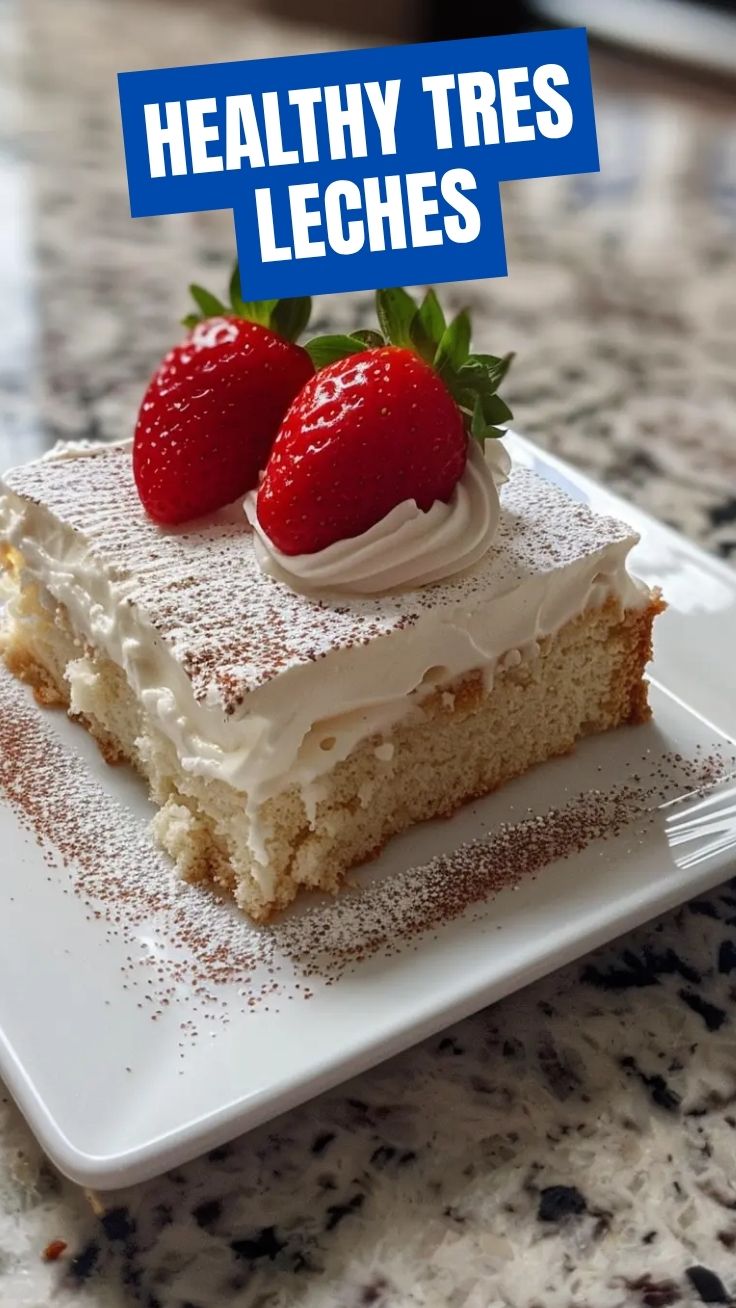
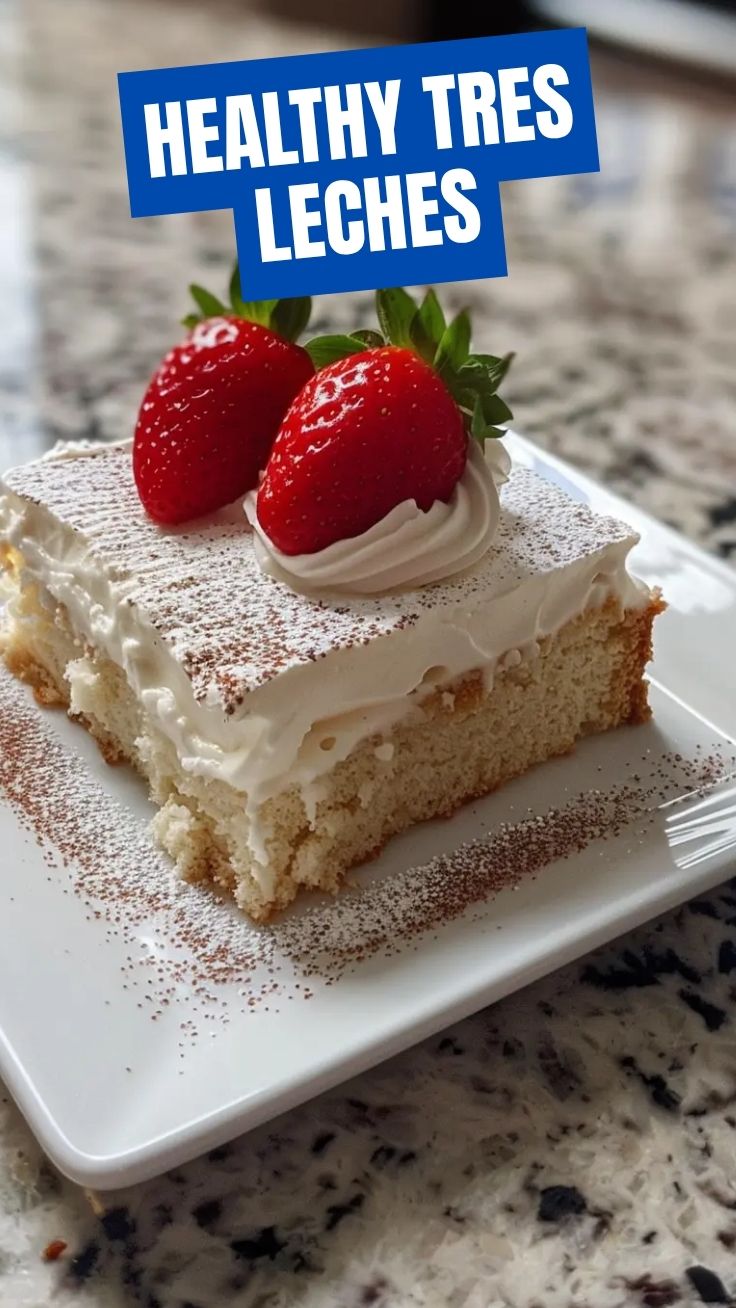
Just before serving, beat 2 cups heavy cream with powdered sugar and vanilla until medium-stiff peaks form. Spread over chilled cake. Dust generously with cinnamon. Slice and serve cold. The cake should be spoon-tender—almost like a custard at room temperature. If you find your Tres Leches Cake too dense after chilling, you may have overmixed the batter initially.
Pro tip: For perfectly even soaking, tilt the pan gently after pouring the milk mixture to redistribute any liquid that collects at the edges.
Nutritional Benefits & Advantages
While Tres Leches Cake is certainly an indulgence, it offers surprising benefits when made from scratch. Whole milk and eggs provide high-quality protein and calcium, supporting bone health and muscle repair. Heavy cream contains fat-soluble vitamins A, D, E, and K. The cake’s saturated nature means smaller portions satisfy more quickly—one modest slice (about ⅛ of the pan) typically provides 350–400 calories, which is comparable to many gourmet desserts. By controlling sugar in the topping and using real ingredients, you avoid the preservatives and artificial flavors found in commercial versions. For those monitoring protein intake, each serving delivers roughly 7–9 grams of protein from eggs and dairy.
Tips Variations & Cooking Advice
Flavor variations:
– Coffee-infused: Add 1 tsp instant espresso powder to the milk mixture for mocha undertones
– Citrus twist: Mix 1 tbsp orange zest into the whipped topping
– Coconut: Replace evaporated milk with coconut milk and toast coconut flakes on top
Dietary adaptations:
– Gluten-free: Swap all-purpose flour for a 1:1 gluten-free baking blend containing xanthan gum
– Dairy-free: Use full-fat coconut cream (chilled) for whipped topping; combine coconut milk and condensed coconut milk for the soak
– Lower sugar: Use unsweetened condensed milk alternative and reduce sugar in the sponge to ⅔ cup
Cooking method: For individual servings, bake in ramekins for 15–18 minutes and adjust soaking time to 1 hour. This works beautifully for dinner parties.
Common Mistakes to Avoid
1. Overmixing the batter: Once you add flour, mix only until combined. Overworking develops gluten, making the cake tough instead of airy.
2. Skipping the poke step: Without holes, the milk mixture sits on top and the center stays dry. Use a fork aggressively.
3. Pouring milk while cake is too warm: The sponge can become mushy if the milk mixture hits a hot cake. Wait until it’s warm but not hot.
4. Under-chilling: The cake needs at least 2 hours to absorb properly. Cutting too early results in a soggy top and dry bottom.
5. Over-whipping the cream: Stop at medium peaks. Whipped cream that’s too stiff becomes grainy and won’t spread smoothly.
Storage & Meal Prep Tips
Store leftover Tres Leches Cake covered in the refrigerator for up to 5 days. The texture actually improves through day 3 as the milk continues to distribute. For freezing, wrap individual slices tightly in plastic wrap then foil—they keep for up to 2 months. Thaw overnight in the refrigerator. To reheat, microwave a slice for 10–15 seconds to soften without melting the cream, or enjoy cold, which is traditional. Never leave this cake at room temperature for more than 2 hours due to the dairy content. For meal prep, bake the sponge up to 2 days ahead, soak, and add whipped topping just before serving.
Conclusion
Mastering this Tres Leches Cake at home transforms a simple sponge into something truly luxurious. The key takeaways are simple: handle the batter gently, poke thoroughly, and give it time to soak. When you combine that airy vanilla sponge with the rich three-milk soak and cloud-like whipped topping, you’ll understand why this is one of the most beloved dessert recipes across Latin America and beyond. The beauty of making it yourself is that you can adjust sweetness, experiment with flavors, and serve it at its absolute peak freshness. I encourage you to try this recipe for your next gathering—your guests will ask for the recipe every time. Share your results in the comments or tag me in your photos; I’d love to see your creamy creations!
FAQs
Can I use skim or low-fat milk for the soak?
Technically yes, but the cake will be less rich and may separate. Evaporated and condensed milks are already processed, so stick with the full-fat versions for best texture.
Why did my cake collapse after baking?
This usually happens if egg whites were under-beaten (not stiff enough) or if you opened the oven door too early. Ensure whites hold a stiff peak and resist peeking before the 25-minute mark.
How do I prevent the whipped cream from deflating?
Whip cream in a chilled bowl with cold beaters. For extra stability, add 1 tbsp instant vanilla pudding mix per cup of cream before whipping.
Can I use a different pan size?
Yes, but adjust baking time. An 8×8 pan will need 5–7 more minutes; a 9-inch round pan needs about 30–32 minutes. Always test with a toothpick.
What if my cake tastes too sweet?
Reduce condensed milk by 2 tbsp and add ¼ cup additional evaporated milk. Also, use unsweetened whipped cream and dust with cinnamon—the spice balances sweetness beautifully.
Best way to grow Tres Leches Cake in 3 Steps
Ingredients
Equipment
Method
- Preheat your oven to 350°F (175°C) and grease and flour a 9x13 inch baking pan. In a medium bowl, whisk together the flour, baking powder, and salt.
- In a large bowl, cream together the softened butter and granulated sugar until light and fluffy. Beat in the eggs one at a time, then stir in the vanilla extract.
- Gradually add the dry ingredients to the wet ingredients, alternating with the milk, beginning and ending with the dry ingredients. Mix until just combined.
- Pour the batter into the prepared baking pan and bake for 30-35 minutes, or until a toothpick inserted into the center comes out clean. Let the cake cool completely in the pan.
- While the cake is cooling, prepare the tres leches mixture. In a bowl, whisk together the evaporated milk, condensed milk, and heavy cream.
- Once the cake is completely cool, use a fork or skewer to poke holes all over the top of the cake. Slowly and evenly pour the tres leches mixture over the cake, allowing it to soak in.
- Cover the cake with plastic wrap and refrigerate for at least 4 hours, or preferably overnight, to allow the milks to fully absorb.
- Just before serving, top the cake with whipped cream and garnish with fresh fruit or a sprinkle of cinnamon, then slice and serve cold.