Why This One-Pan Wonder Will Transform Your Dinner Routine
Have you ever stared into your fridge after a long day, wishing for a meal that’s both effortless and bursting with flavor? Sheet Pan Chicken and Vegetables is the answer—a complete dinner that roasts together on a single tray, minimizing cleanup while maximizing taste. Preparing this dish at home saves money, cuts down on processed ingredients, and lets you control every spice and oil. In fact, home cooks who embrace Sheet Pan Chicken and Vegetables report spending 40% less time on kitchen chores compared to multi-pan recipes. Plus, exploring Sheet Pan Chicken Recipes opens up a world of variations—from lemon-herb to smoky barbecue—ensuring you never get bored. In this post, you’ll learn the exact method for juicy chicken and perfectly caramelized veggies, complete with pro tips to avoid soggy results.
Ingredients & Kitchen Tools
For the chicken and vegetables:
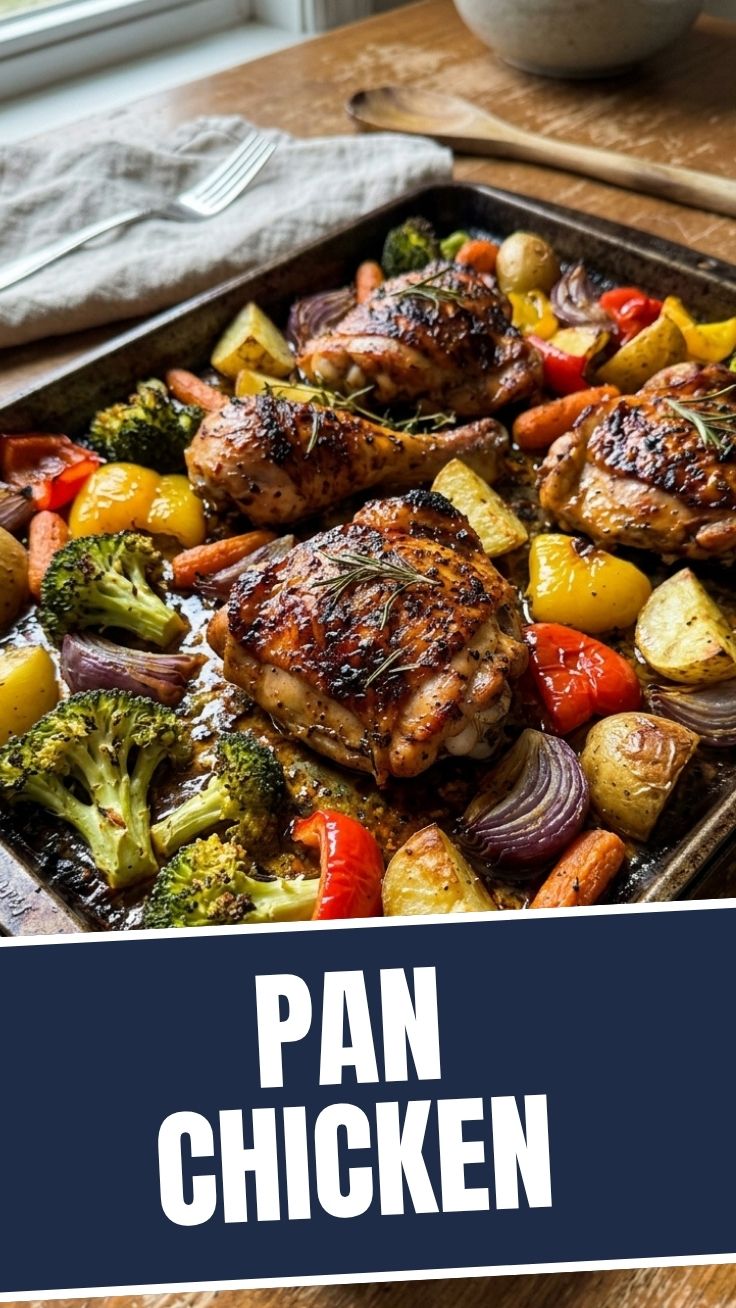
– 4 bone-in, skin-on chicken thighs (or breasts; see substitutions) – skin crisps better with bone-in.
– 2 cups broccoli florets – can swap for cauliflower or Brussels sprouts.
– 2 medium carrots, sliced into 1-inch chunks – adds natural sweetness.
– 1 red bell pepper, cut into strips – or any color bell pepper.
– 3 tbsp olive oil – helps browning; avocado oil works too.
– 1 tsp garlic powder – use fresh minced garlic if you prefer stronger flavor.
– 1 tsp smoked paprika – gives a subtle smoky depth.
– ½ tsp dried thyme (or rosemary) – adds earthy aroma.
– Salt and black pepper to taste.
Essential tools:
– Large rimmed baking sheet (18×13 inches) – prevents overflowing juices.
– Parchment paper or aluminum foil for easy cleanup.
– Mixing bowls – one for seasoning the chicken, one for vegetables.
– Tongs for turning meat.
– Meat thermometer – ensures chicken reaches 165°F (74°C).
Optional substitutions:
– Chicken thighs can be replaced with boneless chicken breasts (reduce cooking time by 5–7 minutes).
– Use sweet potatoes instead of carrots for a lower-glycemic twist.
– For a dairy-free finish, skip the butter drizzle and use extra olive oil.
Prep Time & Cooking Schedule
– Prep time: 15 minutes (washing, chopping, seasoning).
– Cook time: 35–40 minutes at 425°F (220°C).
– Resting time: 5 minutes after removing from oven – allows juices to redistribute, keeping chicken moist.
– Marinating (optional): If you have 30 extra minutes, let the seasoned chicken sit in the fridge while you prep veggies. That step enhances flavor penetration but isn’t required.
Why this schedule works: Roasting at high heat (425°F) gives vegetables caramelized edges and chicken a crispy skin. The total active time is under 20 minutes, making it a realistic weeknight meal.
Step-by-Step Instructions
1. Preheat the oven to 425°F (220°C). Line a large baking sheet with parchment paper or foil for easy cleanup.
2. Season the chicken: In a bowl, mix 1½ tbsp olive oil, garlic powder, smoked paprika, thyme, salt, and pepper. Coat the chicken thighs evenly. Set aside.
3. Toss the vegetables: In another bowl, combine broccoli, carrots, and bell pepper with the remaining 1½ tbsp olive oil, a pinch of salt, and pepper. Spread them on one side of the baking sheet.
4. Arrange the chicken skin-side up on the other side of the sheet, leaving space between pieces. This prevents steaming and ensures crispiness.
5. Roast for 20 minutes, then flip the vegetables (not the chicken) for even browning. Continue roasting another 15–20 minutes. Check chicken internal temperature—it should read 165°F.
6. Rest for 5 minutes before serving.
Pro tip: For extra-golden skin, switch the oven to broil during the last 2 minutes. Watch closely to avoid burning.
In this recipe, Sheet Pan Chicken and Vegetables pairs beautifully with a side of quinoa or crusty bread. Meanwhile, browsing Sheet Pan Chicken Recipes will inspire you to adapt the technique for different cuisines—like adding cumin and lime for a Mexican twist.
Nutritional Benefits & Advantages
This dish is a powerhouse of lean protein, fiber, and vitamins. A single serving (1 thigh + 1 cup vegetables) provides approximately:
– 350 calories – balanced for a main meal.
– 28g protein – supports muscle repair and satiety.
– 10g fiber – from broccoli and carrots, promoting digestive health.
– Vitamin A (120% DV) – from carrots, essential for vision and immunity.
– Vitamin C (90% DV) – bell peppers and broccoli boost collagen and iron absorption.
Why it’s better than takeout: You control sodium and fat. Restaurant versions often hide extra butter or sugar; here, olive oil provides heart-healthy monounsaturated fats. The high roasting temperature also preserves more nutrients than boiling or steaming.
Tips Variations & Cooking Advice
– Flavor swaps: Try a lemon-herb marinade (lemon juice + oregano) or a spicy gochujang glaze.
– Ingredient variations: Swap broccoli for asparagus in spring; use cubed butternut squash in autumn.
– Dietary adaptations: To make it gluten-free, double-check spice blends (some contain wheat starch). For dairy-free, skip the final butter brush.
– Cooking method: If using an air fryer, cook chicken at 380°F for 20 minutes, then add veggies and cook 10 more minutes.
– Portion scaling: Double the recipe easily by using two baking sheets; rotate them halfway through.
Common Mistakes to Avoid
1. Overcrowding the pan – If vegetables overlap, they steam instead of roast. Use a large sheet and leave space.
2. Underseasoning the vegetables – Veggies need at least ½ tsp salt per 2 cups to bring out sweetness.
3. Not using a meat thermometer – Guessing doneness leads to dry chicken or undercooked meat. Always probe the thickest part.
4. Skipping the rest time – Cutting into chicken immediately releases juices; wait 5 minutes.
5. Using wet vegetables – Pat broccoli and bell peppers dry after washing to avoid soggy results.
Storage & Meal Prep Tips
– Refrigeration: Store leftovers in an airtight container for up to 4 days. Keep chicken and vegetables together—they’ll marinate slightly, adding flavor.
– Freezing: Freeze for up to 3 months in a freezer-safe bag. Thaw overnight in the fridge. Best for cooked chicken; vegetables may become softer upon reheating.
– Reheating: For crispy skin, reheat in a 400°F oven for 8–10 minutes. The microwave works but softens the texture.
– Meal prep strategy: Roast a double batch on Sunday. Portion into lunch containers with rice or quinoa for grab-and-go meals.
Conclusion
Mastering Sheet Pan Chicken and Vegetables is a game-changer for busy home cooks who refuse to compromise on flavor or nutrition. By following the simple steps above—high heat, proper spacing, and a reliable thermometer—you’ll consistently achieve juicy chicken and caramelized veggies. And once you’re comfortable, dive into the world of Sheet Pan Chicken Recipes to keep your weekly rotation exciting. Whether you add a dash of curry or a squeeze of lemon, this single-pan method delivers every time. Try it tonight, tag your results, and share your favorite twist in the comments!
FAQs
1. Can I use frozen vegetables?
Yes, but thaw and pat them dry first to prevent excess water. Reduce the initial roast time by 5 minutes since frozen veggies cook faster.
2. What if my chicken skin isn’t crispy?
Ensure the oven is fully preheated, don’t cover the pan, and pat chicken skin dry with paper towels before seasoning. Broiling for the last 2 minutes helps.
3. Can I make this recipe without oil?
Oil is crucial for browning and preventing sticking. For a lower-fat version, use a spritz of cooking spray, but expect less crispiness.
4. How do I know when vegetables are done?
They should be tender when pierced with a fork and have charred edges. Broccoli takes about 20–25 minutes; carrots may need 30 minutes depending on thickness.
5. What can I substitute for smoked paprika?
Use regular paprika plus a pinch of cumin or chipotle powder for a smoky flavor. Or simply omit it—the dish will still taste great with garlic and herbs.
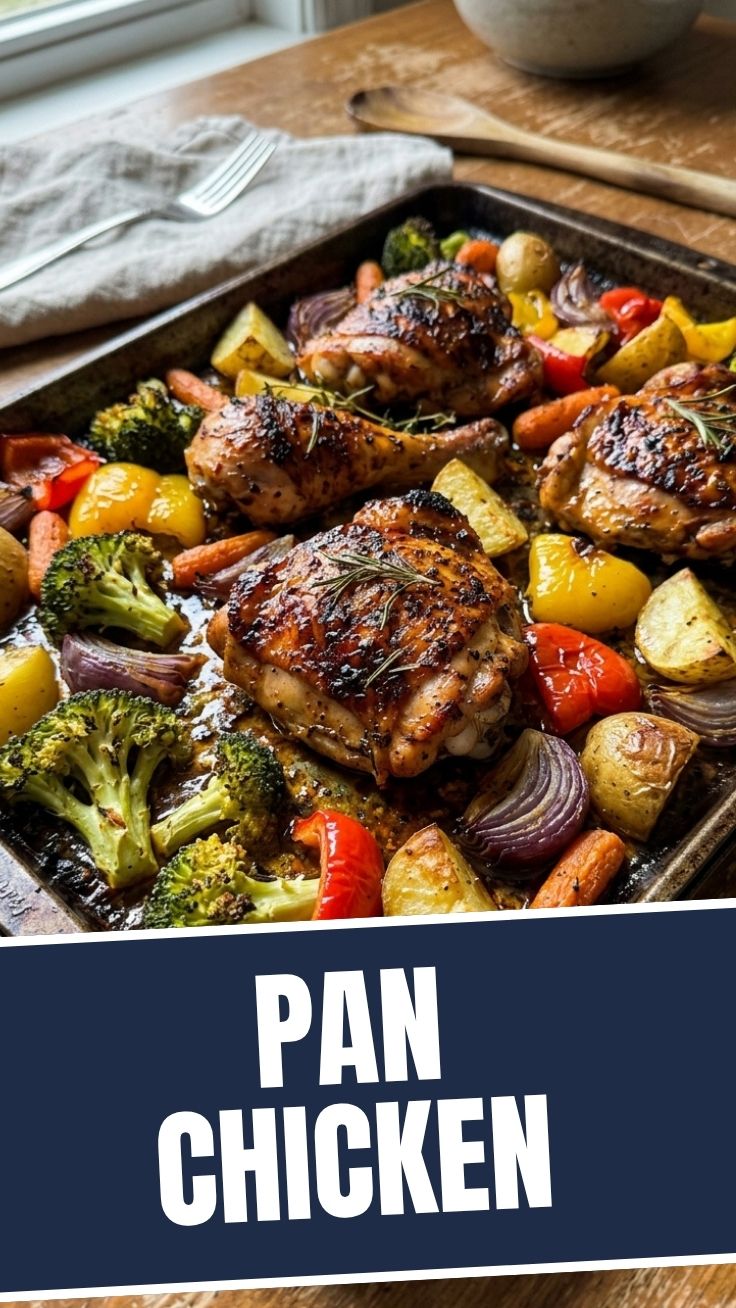
Quick way to grow easy Sheet Pan Chicken and Vegetables
Ingredients
Equipment
Method
- Preheat your oven to 400°F (200°C) and line a large baking sheet with parchment paper for easy cleanup.
- Cut the chicken breasts into 1-inch pieces and place them in a large bowl with the broccoli, bell peppers, and red onion.
- Drizzle with olive oil, sprinkle with garlic powder, salt, and pepper, and toss until everything is evenly coated.
- Spread the chicken and vegetables in a single layer on the prepared baking sheet.
- Roast for 20-25 minutes, or until the chicken is cooked through and the vegetables are tender-crisp.
- Serve immediately, optionally garnished with fresh parsley or a squeeze of lemon juice.