Why Your Homemade Fried Rice Deserves a Spot in Your Weekly Meal Plan
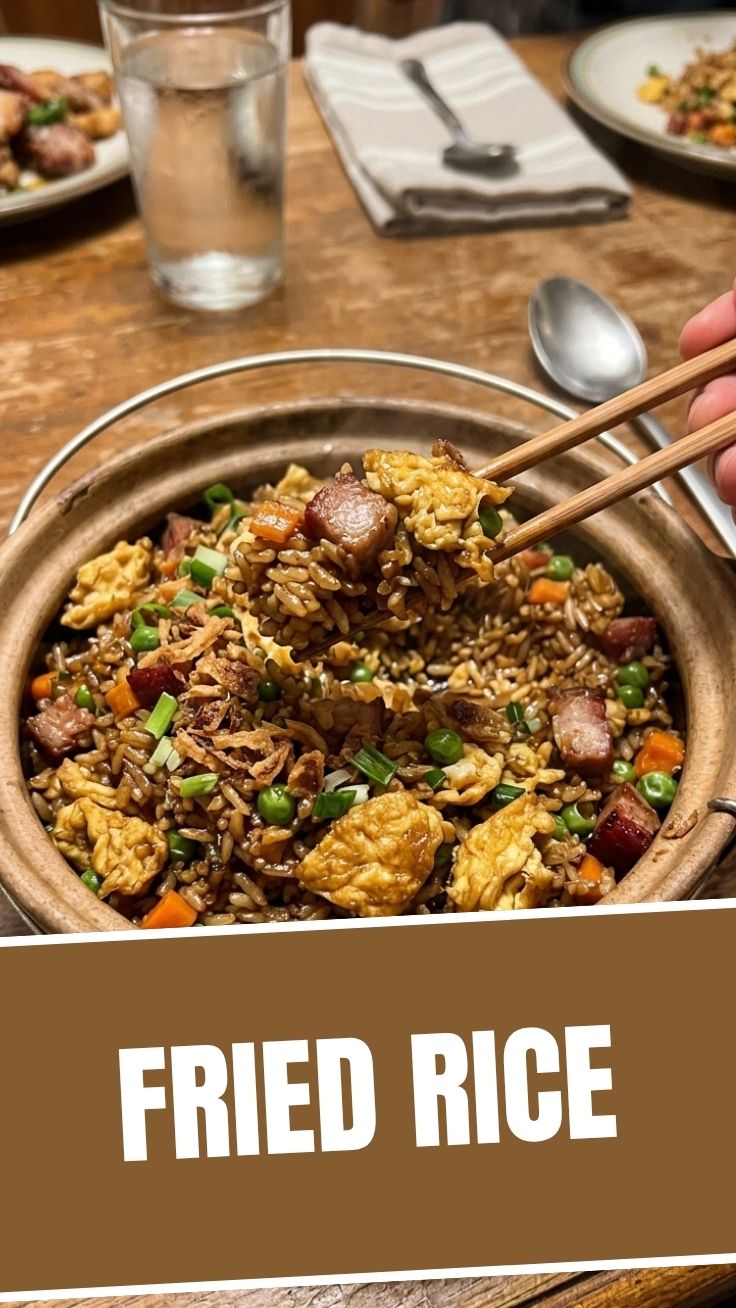
Have you ever wondered why the fried rice from your favorite takeout spot tastes so much better than your own attempts? The secret isn’t a hidden ingredient—it’s technique. Mastering Homemade Fried Rice and the classic Fried Rice (Classic) at home means you control every grain, every flavor, and every nutritional detail. Preparing this versatile dish from scratch is not only cost-effective but also allows you to customize it to your dietary needs while avoiding excessive sodium and MSG often found in restaurant versions. In fact, a single serving of homemade fried rice can save you up to 40% of your daily sodium intake compared to takeout. Let’s unlock the secrets to achieving that perfect, wok-fried texture right in your kitchen.
Ingredients & Kitchen Tools
Ingredients
– 3 cups cooked and cooled jasmine or long-grain rice (day-old works best for texture)
– 2 large eggs (lightly beaten)
– 1 cup mixed vegetables (frozen peas, carrots, corn, or diced bell peppers)
– 3 green onions (sliced, white and green parts separated)
– 3 tablespoons soy sauce (low-sodium recommended; tamari for gluten-free)
– 1 tablespoon sesame oil (toasted for richer flavor)
– 2 tablespoons vegetable or peanut oil (high smoke-point)
– 1 teaspoon grated fresh ginger (optional but recommended)
– ½ teaspoon white pepper (or black pepper)
– Protein options (optional): ½ cup diced cooked chicken, shrimp, or cubed tofu
Kitchen Tools
– Large wok or deep non-stick skillet (wok preferred for even high heat)
– Wooden spatula or wok spatula (for tossing without scratching)
– Small bowl (for mixing sauce)
– Cutting board and knife
– Measuring spoons and cups
Prep Time & Cooking Schedule
– Prep time: 15 minutes (cook rice day before or allow 30 minutes cooling)
– Cook time: 8–10 minutes
– Total time: 25 minutes (if using pre-cooked, cooled rice)
– Resting time: None required—serve immediately for best texture
To plan ahead, cook your rice the night before, spread it on a baking sheet, and refrigerate uncovered for several hours. Cold, dry rice ensures each grain stays separate during frying—a critical step that many home cooks overlook.
Step-by-Step Instructions
1. Prepare your rice – If using fresh-cooked rice, spread it on a tray and refrigerate uncovered for at least 30 minutes. Cold rice is essential to prevent clumping and achieve that iconic Fried Rice (Classic) texture. Meanwhile, whisk the eggs and set aside.
2. Preheat the wok – Place your wok over high heat until it begins to smoke lightly. Add 1 tablespoon of vegetable oil and swirl to coat. This high heat creates the wok hei (breath of the wok) flavor.
3. Scramble the eggs – Pour in the beaten eggs and let them set for 10 seconds, then stir vigorously until just cooked. Remove to a plate. Do not overcook—they will continue cooking when added back later.
4. Stir-fry aromatics – Add another tablespoon of oil, then toss in the white parts of the green onions and the grated ginger. Stir for 15 seconds until fragrant.
5. Cook vegetables and protein – Add the mixed vegetables and any optional protein. Stir-fry for 2 minutes, keeping the heat high. For shrimp or chicken, ensure they are fully cooked before the next step.
6. Add the rice – Break up the cold rice with your fingers, then add it to the wok. Use the spatula to spread it into an even layer. Let it sear untouched for 30 seconds before tossing. Repeat this sear-and-toss motion 3–4 times to develop golden spots.
7. Season and combine – Drizzle soy sauce and sesame oil over the rice. Add the scrambled eggs back in, along with the green onion tops. Toss everything vigorously for 1 minute. Taste and adjust seasoning—add a pinch of white pepper or an extra dash of soy sauce if needed.
At this stage, you will have achieved a truly satisfying Homemade Fried Rice that rivals any takeout. The key is patience with the searing steps—don’t rush the high heat.
Nutritional Benefits & Advantages
A typical serving of this fried rice (about 1½ cups) delivers approximately 420 calories, 14g protein, 8g fat, and 72g carbohydrates, with 5g fiber. The use of vegetables adds vitamins A and C, while the eggs provide high-quality protein and choline for brain health. Sesame oil contributes healthy unsaturated fats and antioxidants. Compared to restaurant versions, Homemade Fried Rice uses about 50% less sodium (around 600mg vs. 1,200mg per serving) and contains no artificial flavor enhancers. For a balanced meal, pair it with a side of steamed greens or a light broth.
Tips, Variations & Cooking Advice
– Flavor variations: Swap soy sauce for coconut aminos (paleo), or add a tablespoon of oyster sauce for umami depth. For a spicy kick, stir in 1 teaspoon of chili garlic sauce.
– Ingredient swaps: Use brown rice, quinoa, or cauliflower rice (low-carb). For gluten-free, ensure soy sauce is tamari-based.
– Dietary adaptations: Vegan – skip eggs and use crumbled tofu or chickpeas; add nutritional yeast for cheesy flavor. Dairy-free – naturally free of dairy.
– Alternative method: If you lack a wok, a large cast-iron skillet heated to high works well. Avoid overcrowding—cook in two batches if necessary.
– Cold rice cheat: If you forgot to prep, cook fresh rice, spread it thin on a baking sheet, and freeze for 15 minutes before stir-frying.
Common Mistakes to Avoid
– Using warm or sticky rice: Fresh rice releases starch and turns mushy. Always use cold, day-old rice.
– Low heat: A hot wok is non-negotiable. Medium heat leads to steamed, soggy rice.
– Overcrowding the pan: Too many ingredients lowers temperature. Cook in smaller batches for that wok-fried effect.
– Skipping the sear: Stirring constantly prevents browning. Let the rice rest against the hot surface for 20–30 seconds between tosses.
– Marinating ingredients with soy sauce before cooking: Soy sauce burns easily. Add it only after the rice is in the wok.
Storage & Meal Prep Tips
– Refrigeration: Store cooled fried rice in an airtight container for up to 4 days. Reheat in a hot wok or skillet with a splash of water or soy sauce to revive moisture.
– Freezing: Portion into freezer bags, flatten, and freeze for up to 3 months. Thaw overnight in the fridge before reheating.
– Reheating: For best texture, use a hot pan with a little oil over high heat. Microwave is acceptable but will soften the rice—add a teaspoon of water and cover with a damp paper towel.
– Meal prep: Double the recipe and refrigerate in individual containers. Add fresh green onions after reheating to restore crunch.
Conclusion
Perfecting a classic fried rice at home is a skill that pays dividends in flavor, health, and budget. By mastering the high-heat technique and using cold rice, you can create a dish that is not only better than takeout but also fully customizable to your tastes. Whether you opt for the traditional Fried Rice (Classic) or a veggie-packed Homemade Fried Rice, each batch teaches you something new about balancing texture and seasoning. I encourage you to try this recipe this week—experiment with your favorite proteins or vegetables, and share your results in the comments below. For more weeknight dinner inspiration, explore our collection of quick stir-fry recipes.
FAQs
Q1: Can I use freshly cooked rice for fried rice?
Yes, but you must cool it completely first. Spread hot rice on a baking sheet and refrigerate uncovered for at least 30 minutes. For best results, use day-old rice.
Q2: Why does my fried rice turn out mushy?
Most likely due to warm, moist rice. Ensure your rice is cold and dry. Also, avoid using too much soy sauce—just 2–3 tablespoons per 3 cups of rice is sufficient.
Q3: How can I make this dish gluten-free?
Simply substitute regular soy sauce with tamari or coconut aminos. All other ingredients are naturally gluten-free.
Q4: Can I add more vegetables?
Absolutely. Add up to 1½ cups of vegetables; just stir-fry them first to remove excess moisture before adding rice. Good options include broccoli, snap peas, and bell peppers.
Q5: What is the best oil for stir-frying?
Use oils with a high smoke point like avocado, peanut, or vegetable oil. No olive oil—it burns and imparts a bitter flavor. Sesame oil should only be used as a finishing drizzle, not for frying.
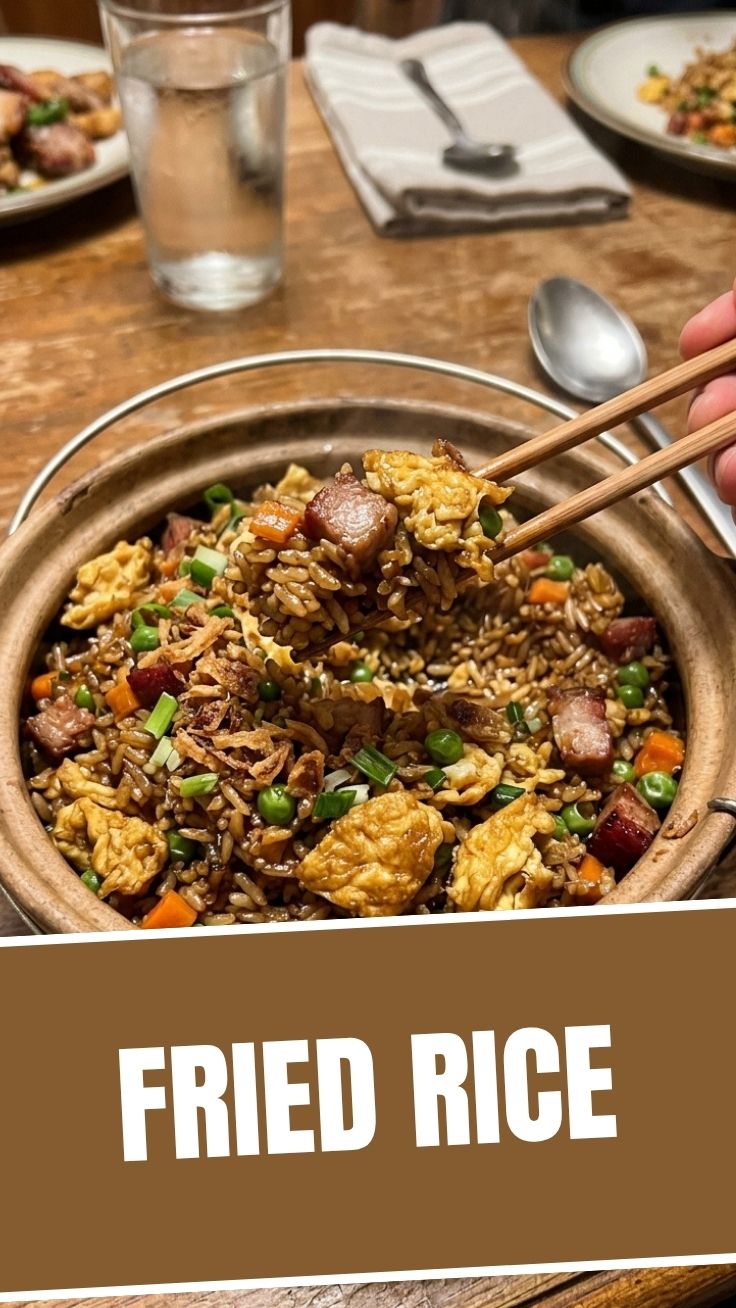
Proven way to grow 5-Star Fried Rice (Classic)
Ingredients
Equipment
Method
- Prepare your ingredients by mincing garlic, grating ginger, chopping green onions, and dicing carrots.
- Beat the eggs in a small bowl and set aside, ensuring all components are ready for quick cooking.
- Heat vegetable oil in a large skillet or wok over medium-high heat until shimmering.
- Add the beaten eggs and scramble them until just set, then remove from the skillet and set aside.
- Add a bit more oil to the skillet, then sauté the white parts of the green onions, garlic, and ginger until fragrant.
- Stir in the diced carrots and peas, cooking for 2-3 minutes until slightly tender.
- Introduce the day-old rice to the skillet, breaking up any clumps, and stir-fry for 3-5 minutes until heated through and slightly crispy.
- Return the scrambled eggs and optional cooked protein to the skillet, mixing well with the rice and vegetables.
- Pour in the soy sauce and sesame oil, tossing everything together to ensure even coating and flavor distribution.
- Finally, stir in the green parts of the green onions and cook for an additional minute before removing from heat.
- Serve the 5-star fried rice immediately and enjoy this classic dish.