The Secret to Perfect Beignets (New Orleans Style) at Home
Have you ever bitten into a warm, pillowy square of fried dough dusted with mountains of powdered sugar and wondered why you can’t replicate that magic in your own kitchen? You’re not alone. The iconic Beignets (New Orleans Style) have a mystique that makes home cooks feel like only Café du Monde holds the key. But the truth is, with the right technique and a little patience, you can create these heavenly treats in your own home—and save the airfare for your next vacation. This beignet recipe is designed to demystify the process, giving you restaurant-quality results without the flight to the French Quarter. Whether you’re craving a weekend brunch showstopper or a sweet midnight snack, mastering these fluffy squares will change your breakfast game forever.
—
Ingredients & Kitchen Tools
Ingredients
– 2 ¼ teaspoons active dry yeast (one packet) – ensures that signature airy interior
– ¾ cup warm water (110°F/45°C) – too hot kills yeast; too cold stalls it
– ½ cup granulated sugar – adds sweetness and helps yeast bloom
– 1 large egg – structure and richness
– ½ teaspoon salt – balances sweetness, strengthens gluten
– 1 cup evaporated milk – traditional New Orleans ingredient; whole milk works but yields less tenderness
– 4 cups all-purpose flour (plus more for dusting) – bread flour yields chewier texture; all-purpose is classic
– 2 tablespoons vegetable shortening or melted butter – shortening for flakiness, butter for flavor
– Oil for deep frying (peanut or canola oil) – high smoke point and neutral flavor
– Powdered sugar for dusting – use a fine-mesh sieve for even coverage
Kitchen Tools
– Large mixing bowl or stand mixer with dough hook
– Rolling pin (heavy enough to flatten dough evenly)
– Sharp knife or pizza cutter (clean edges = even puffing)
– Deep heavy pot or Dutch oven (holds heat steady)
– Candy or deep-fry thermometer (critical for temperature control)
– Wire rack set over baking sheet (drains excess oil, prevents sogginess)
– Clean kitchen towel for covering dough
Optional Substitutions
– Dairy-free: Use coconut milk + vegan butter (oat milk makes dough too wet)
– Gluten-free: Swap with 1:1 gluten-free flour blend; expect denser texture
– Sugar-free: Monk fruit sweetener works, but yeast may need sugar to bloom (use ¼ teaspoon honey)
—
Prep Time & Cooking Schedule
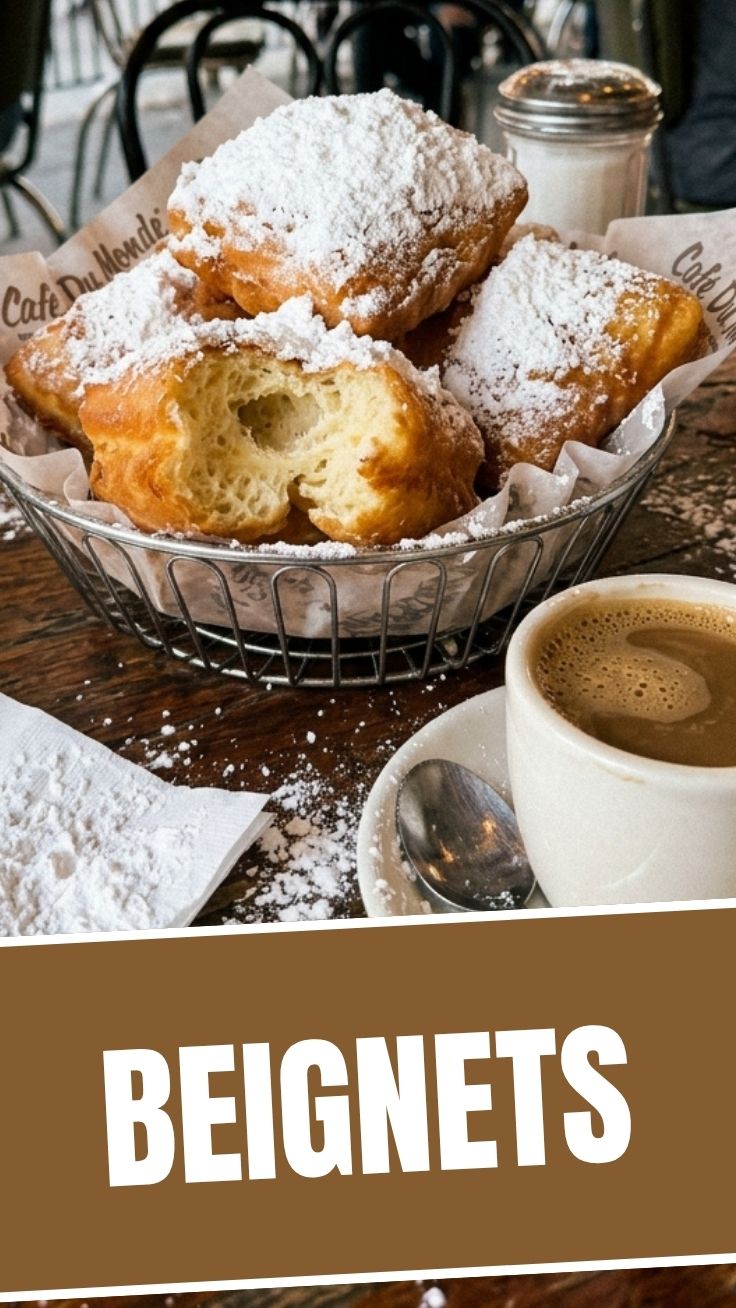
– Prep time: 20 minutes (activate yeast, mix dough)
– Rising time: 1.5 to 2 hours (first rise) + 30 minutes (second rise after cutting)
– Cook time: 3–4 minutes per batch (frying in batches)
– Total time: About 3 hours from start to finish
Plan ahead: mostly inactive time. You can mix the dough the night before, refrigerate, and fry fresh in the morning. Cold dough actually fries up with a slightly crisper exterior—perfect for brunch entertaining.
—
Step-by-Step Instructions
1. Bloom the yeast: In a small bowl, dissolve yeast in warm water with 1 tablespoon of the sugar. Let sit 5–10 minutes until foamy (if no foam after 10 minutes, your yeast is dead—start over).
2. Combine wet ingredients: In a large bowl, beat the egg, remaining sugar, salt, evaporated milk, and shortening. Stir in the yeast mixture until smooth.
3. Form the dough: Gradually add flour, 1 cup at a time, mixing until a shaggy dough forms. Transfer to a floured surface and knead for 6–8 minutes until smooth and elastic. Add minimal extra flour—stickiness is your friend here.
4. First rise: Place dough in a greased bowl, cover with towel, and let rise in a warm spot until doubled (1.5–2 hours). Check by poking: if the indentation stays, you’re ready.
5. Roll and cut: Punch down dough and roll to ¼-inch thickness on a floured surface. Cut into 2×2-inch squares (exact sizing matters for even frying). Among home cooks, this beignet recipe is famous for puffing dramatically—don’t skip the second rise.
6. Second rise: Place squares on a lightly floured baking sheet, cover, and let rest 30 minutes. They’ll puff slightly.
7. Heat oil: In your pot, heat 2 inches of oil to 350°F (use thermometer). Test with a dough scrap—it should bubble vigorously.
8. Fry: Gently drop 3–4 squares at a time (don’t crowd). Fry 60–90 seconds per side until deep golden brown. Flip once using a slotted spoon.
9. Drain and dust: Transfer to wire rack. Let cool 30 seconds, then generously dust with powdered sugar. Serve immediately—these are best within 10 minutes of frying.
Temperature control tip: If oil drops below 330°F, beignets absorb grease. If above 370°F, they brown before cooking through. Keep batches small and adjust heat between rounds. Finally, ensure you get that perfect New Orleans-style Beignets (New Orleans Style) by maintaining steady heat.
—
Nutritional Benefits & Advantages
While beignets are a treat (not a health food), they offer some surprising perks when enjoyed in moderation:
– Protein boost: The egg and evaporated milk add about 4g protein per serving, helping satiety.
– Yeast-fermented dough: Fermentation breaks down phytates in wheat, making minerals more bioavailable.
– Psychological payoff: A warm, sugar-dusted beignet triggers dopamine release—this culinary tradition is an experience, not empty calories.
– Portion control: One typical 2-inch square is about 120 calories, so you can enjoy 2–3 without guilt.
Pro tip: Use whole wheat pastry flour (replace 1 cup of all-purpose) to add fiber and B vitamins without sacrificing texture.
—
Tips, Variations & Cooking Advice
Flavor Twists
– Chocolate lovers: Add ¼ cup cocoa powder to dry ingredients and dip fried beignets in dark chocolate sauce.
– Savory versions: Reduce sugar to 2 tablespoons, add 1 teaspoon garlic powder and fresh herbs, serve with honey butter.
– Lemon zest: Grate zest of 1 lemon into the dough—adds brightness that cuts the richness.
Alternative Methods
– Air fryer: Brush with oil, air-fry at 375°F for 5–6 minutes (less greasy but denser).
– Baking: Bake at 425°F for 8–10 minutes (definitely not traditional, but lower mess for kids).
– Gluten-free adaptation: Use a high-quality 1:1 blend + 1 teaspoon xanthan gum; the dough will be wetter, so refrigerate 1 hour before rolling.
Serving Ideas
Serve with café au lait (chicory coffee), fresh berries, or a drizzle of caramel for brunch elegance.
—
Common Mistakes to Avoid
| Mistake | Solution |
|———|———-|
| Dough too sticky | Don’t add extra flour; use oiled hands instead. |
| Beignets collapse after frying | Your oil was too cold—check preheat accuracy. |
| Powdered sugar melts instantly | Let beignets cool 30 seconds before dusting. |
| Dense, bread-like texture | Over-kneading develops too much gluten—knead only until smooth. |
| Uneven puffing | Roll dough to uniform thickness (1/4 inch). |
—
Storage & Meal Prep Tips
Short-term storage: Place unfried cut squares on a parchment-lined tray, cover with plastic wrap, and refrigerate up to 12 hours. Fry fresh when ready.
Freezing: Flash-freeze fried beignets on a baking sheet, then transfer to a freezer bag (up to 1 month). Reheat in a 350°F oven for 5 minutes—never microwave, or you’ll get a gummy mess.
Reheating: For day-old beignets, reheat in an air fryer at 350°F for 2 minutes. They won’t be as puffy but retain decent flavor.
Powdered sugar trick: Store sugar-dusted beignets in a paper bag (not plastic) to prevent condensation from melting the sugar.
—
Conclusion
Making Beignets (New Orleans Style) at home is more accessible than most people think—it’s simply yeast dough with a few critical tricks. Whether you follow this beignet recipe for a Mardi Gras party, a lazy Sunday, or just because you deserve something special, the payoff is worth every minute of rising and frying. The warm, golden pillows dusted with sugar become a memory long after the last bite disappears. Try this recipe this weekend and share your results on social media (tag #beignetsAtHome). Your kitchen is about to become the most popular spot in the neighborhood.
—
FAQs
1. Can I use rapid-rise yeast instead of active dry?
Yes. Skip the blooming step and mix dry yeast directly with flour. Reduce second rise to 15 minutes since rapid-rise works faster.
2. Why did my beignets taste greasy?
Oil temperature was too low (below 340°F). Invest in a thermometer and always preheat thoroughly. Also, drain immediately on a wire rack, not paper towels.
3. Can I make this dairy-free?
Absolutely. Use unsweetened almond or oat milk plus vegan butter. The texture will be slightly less tender but still delicious.
4. How do I get that perfect dusty look?
Fill a fine-mesh sieve with powdered sugar and tap it from a height of 12 inches above the beignets—the air layer distributes evenly.
5. Can I add filling inside?
Yes! Pipe jam, chocolate ganache, or lemon curd into the beignets after frying using a piping tip—classic at many New Orleans bakeries.
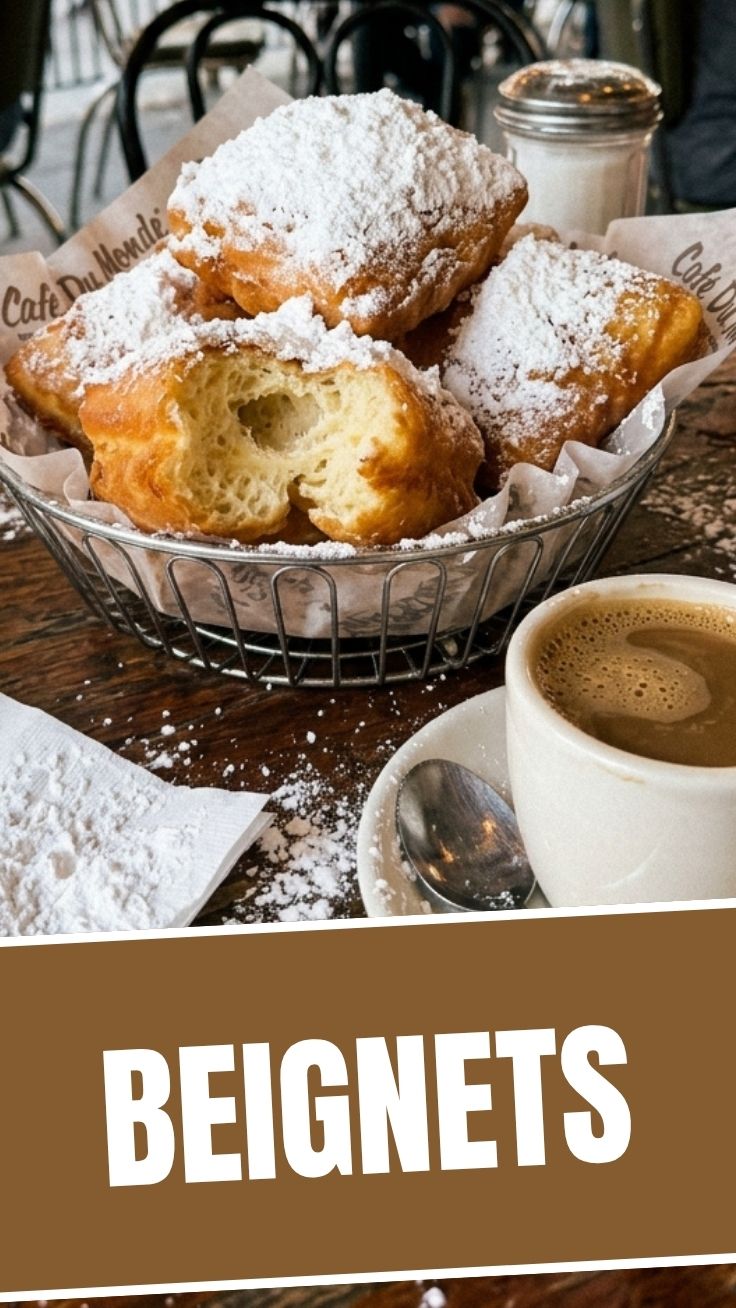
Best way to grow 6 Beignets (New Orleans Style)
Ingredients
Equipment
Method
- In a large bowl, whisk together the flour, sugar, baking powder, and salt.
- In a separate bowl, whisk together the milk, egg, and vanilla extract.
- Pour the wet ingredients into the dry ingredients and mix until just combined.
- Heat the vegetable oil in a deep pot or Dutch oven to 350°F (175°C).
- Drop spoonfuls of dough into the hot oil, careful not to overcrowd the pot.
- Fry for 2-3 minutes per side, until golden brown and puffed.
- Remove the beignets with a slotted spoon and drain on paper towels.
- Dust generously with powdered sugar before serving warm.