The Ultimate Guide to Making a Perfect Stone Fruit Salad (Peach Plum) at Home
Have you ever bitten into a perfectly ripe peach or plum and wondered why store-bought fruit salads never capture that same bright, juicy magic? The secret lies in selecting peak-season stone fruits and respecting their natural textures. Preparing this Stone Fruit Salad (Peach Plum) at home lets you control sweetness, acidity, and freshness—turning a simple side dish into a show-stopping centerpiece for summer gatherings. Plus, mastering homemade versions of popular Stone Fruit Salad Recipes ensures you can adapt flavors to your pantry and dietary needs without relying on preservatives or artificial sweeteners.
—
Ingredients & Kitchen Tools
Produce
– 2 ripe peaches – freestone varieties (like Elberta) are easiest to slice; look for a slight give when pressed.
– 2 ripe plums – black or red plums add color; avoid overly soft ones.
– 1 cup mixed berries (strawberries, blueberries, or raspberries) – optional, but they add tartness and visual contrast.
– 1 tablespoon fresh mint leaves – chiffonade (thinly sliced) for garnish.
Dressing
– 2 tablespoons honey or agave syrup – adjust based on fruit sweetness.
– 1 tablespoon fresh lime juice – acidity balances the stone fruits.
– ½ teaspoon vanilla extract – deepens flavor without overwhelming.
Tools
– Sharp chef’s knife – for clean cuts through peach flesh.
– Cutting board – non-porous material (like bamboo) prevents juice absorption.
– Mixing bowl – glass or stainless steel (do not use aluminum; acids react).
– Microplane or zester (optional) – for lime zest if you want extra punch.
– Salad spinner or paper towels – to dry berries thoroughly (wet fruit dilutes dressing).
Substitutions: Swap honey for maple syrup (vegan), use lemon juice instead of lime, or replace berries with diced mango or kiwi for tropical flair.
—
Prep Time & Cooking Schedule
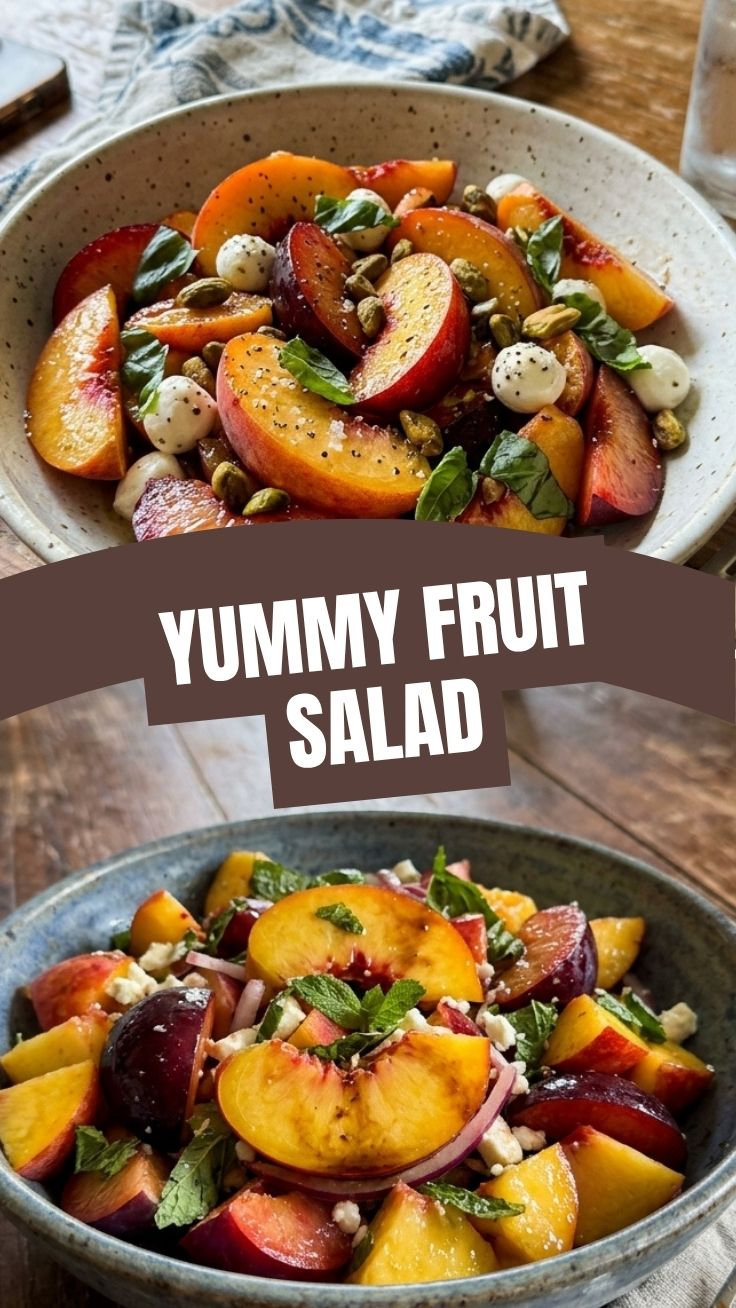
– Prep time: 15 minutes
– Resting / marinating time: 10 minutes (optional, but recommended for flavor meld)
– Total time from start: 25 minutes
Plan this salad immediately before serving if you prefer crisp textures. If you want the fruits to release their juices and marry with the dressing, let it rest covered in the refrigerator for up to 30 minutes—but note that peaches may soften slightly. For picnics or potlucks, dress the fruit no more than 20 minutes ahead to avoid a watery bowl.
—
Step-by-Step Instructions
1. Prepare the fruits: Wash peaches, plums, and berries under cool running water. Pat dry with a clean towel—moisture dilutes the dressing. Slice peaches in half around the pit, twist gently to separate, then remove the pit. Cut each half into ½-inch wedges. Repeat with plums. If berries are large (e.g., strawberries), halve or quarter them.
2. Make the dressing: In a small bowl, whisk together honey (or agave), lime juice, and vanilla extract until smooth. Taste and adjust: if your Stone Fruit Salad (Peach Plum) is exceptionally sweet, add an extra squeeze of lime; if tart, increase honey by ½ teaspoon.
3 Combine and toss: Place peach and plum slices in a large mixing bowl. Pour the dressing over them and gently fold with a rubber spatula—avoid crushing the fruit. Add berries last to prevent them from bleeding color prematurely.
4 Garnish and serve: Transfer to a serving platter or bowl. Sprinkle chiffonade mint over the top. For best texture, serve within 15 minutes. This step-by-step approach works equally well for other Stone Fruit Salad Recipes—just swap the base fruit proportions (nectarines, apricots, or cherries) while keeping the same dressing ratio.
—
Nutritional Benefits & Advantages
Stone fruits like peaches and plums are packed with vitamin C (boosts immunity), dietary fiber (aids digestion), and potassium (supports heart health). Peaches also provide beta-carotene, which the body converts into vitamin A for eye health. The berries add anthocyanins—antioxidants that reduce inflammation. Using honey instead of refined sugar lowers the glycemic index slightly, and lime juice adds a pH-balanced dose of vitamin C without extra calories. This salad is naturally gluten-free, dairy-free, and vegan if you substitute agave for honey. A single serving (about 1 cup) contains roughly 90–110 calories, making it a light, nutrient-dense dessert or side dish.
—
Tips Variations & Cooking Advice
– Flavor twist: Add a pinch of chili powder or cayenne for sweet-heat contrast—works beautifully with plums.
– Herb swap: Replace mint with basil or lemon thyme; basil pairs surprisingly well with peaches.
– Dairy addition: Top with crumbled feta or goat cheese for a creamy, salty counterpoint.
– Grilled version: Halve peaches and plums, grill cut-side down for 2 minutes over medium heat, then slice. The caramelization adds depth.
– Portion change: For a crowd, double all ingredients; use a large shallow serving dish to prevent fruit from crushing.
– Dietary adaptation: For low-sugar diets, omit honey and rely on very ripe fruit + a splash of orange juice to sweeten the dressing.
—
Common Mistakes to Avoid
– Using underripe fruit: Hard, green peaches or plums lack sweetness and have a rubbery texture. Let them sit at room temperature for a day or two until they yield slightly under gentle pressure.
– Slicing too early: Cut fruit just before serving. Pre-cut fruit oxidizes (turns brown) and loses moisture, especially peaches.
– Overdressing: Too much liquid makes the salad soggy. Start with half the dressing, toss, then add more if needed.
– Mixing hot and cold ingredients: If you grill the fruit, let it cool completely before dressing—warm fruit will wilt the mint and thin the dressing.
– Skipping the resting step: While optional, a 10-minute rest allows flavors to meld. Without it, the dressing may taste separate from the fruit.
—
Storage & Meal Prep Tips
Store leftover undressed fruit (without dressing) in an airtight container in the refrigerator for up to 2 days. If already dressed, consume within 24 hours—the acid and enzymes from the fruit will break down the texture and create excess liquid. Do not freeze this salad; thawed stone fruits become mushy and watery. For meal prep, slice fruits and store them separately (peaches and plums in one container, berries in another). Combine dressing ingredients in a small jar. When ready to eat, toss everything together. To revive leftover dressed fruit, drain excess liquid and add a splash of fresh lime juice plus a sprinkle of fresh mint to refresh the flavors.
—
Conclusion
Making a vibrant Stone Fruit Salad (Peach Plum) at home is a quick, rewarding way to celebrate summer’s bounty without complicated techniques or heavy syrups. By following these prep steps, avoiding common pitfalls like over-soft fruit, and experimenting with variations (grilled versions or herb swaps), you’ll consistently create a dish that tastes bright, balanced, and seasonal. Whether you serve it alongside grilled poultry, spoon it over yogurt, or enjoy it as a standalone dessert, this recipe proves that simple ingredients done well steal the spotlight. For more inspiration, explore our collection of Stone Fruit Salad Recipes—each one adapts easily to what’s ripe in your market. Try this version tonight, snap a photo of your creation, and share your results in the comments below!
—
FAQs
1. Can I use canned or frozen peaches and plums?
Fresh is best for texture, but if using canned, drain them well and reduce added sweetener. Frozen fruits (thawed and drained) work for smoothies or chutneys, but they become too mushy for a crisp salad.
2. How do I prevent the peaches from browning?
Toss sliced peaches with the lime-based dressing immediately after cutting—the citrus acid slows oxidation. If prepping ahead, coat slices in a little pineapple or lemon juice before refrigerating.
3. What if my fruit is too sour?
Add an extra teaspoon of honey or a drizzle of maple syrup. Also consider adding a handful of diced banana, which naturally sweetens and creamifies the salad.
4. Can I make this salad ahead for a party?
Yes, but combine fruit and dressing no more than 30 minutes before serving. Store components separately: sliced fruit in fridge, dressing at room temp. Toss just before guests arrive.
5. Is this salad suitable for a low-FODMAP diet?
Peaches and plums are moderate in polyols. Limit serving size to ½ cup and avoid honey (use maple syrup or glucose syrup). Berries like strawberries and blueberries are low-FODMAP in small amounts.
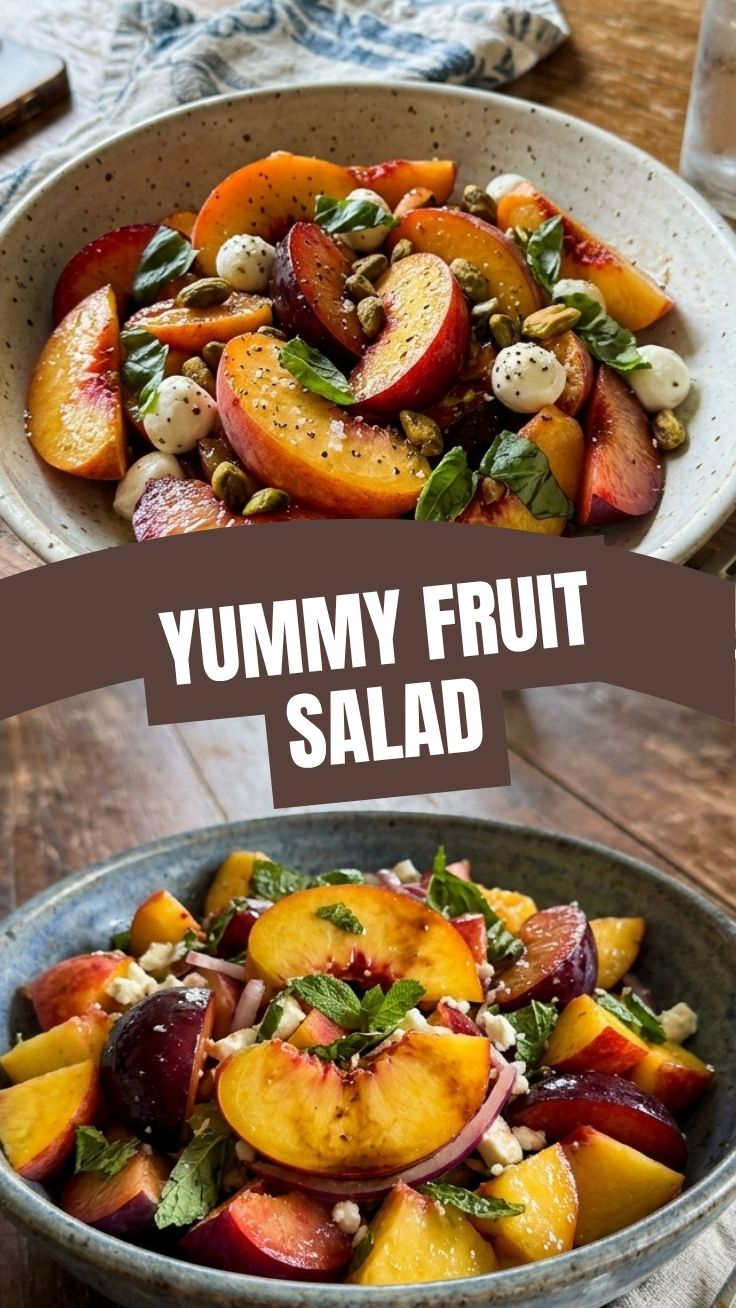
Best way to grow Stone Fruit Salad (Peach Plum)
Ingredients
Equipment
Method
- Choose a sunny location with well-draining soil for planting your peach and plum trees, ensuring they have ample space to grow.
- Plant dormant bare-root trees in late winter or early spring, making sure to dig a hole wide enough for the roots to spread and backfill with soil.
- Water newly planted trees deeply and regularly, and apply a layer of mulch around the base to retain moisture and suppress weeds.
- Prune young trees to establish a strong framework and promote good air circulation, removing any dead, diseased, or crossing branches.
- Fertilize trees annually in early spring with a balanced fertilizer, adjusting the amount based on the tree's age and vigor.
- Protect trees from pests and diseases by monitoring regularly and applying appropriate organic or chemical controls as needed.
- Harvest peaches and plums when they are fully ripe, typically indicated by a soft feel and easily detaching from the branch.
- Wash and gently slice the harvested peaches and plums, then toss them together in a bowl with fresh mint for a refreshing summer salad.