The Ultimate Guide to Perfect Steak Fajitas at Home
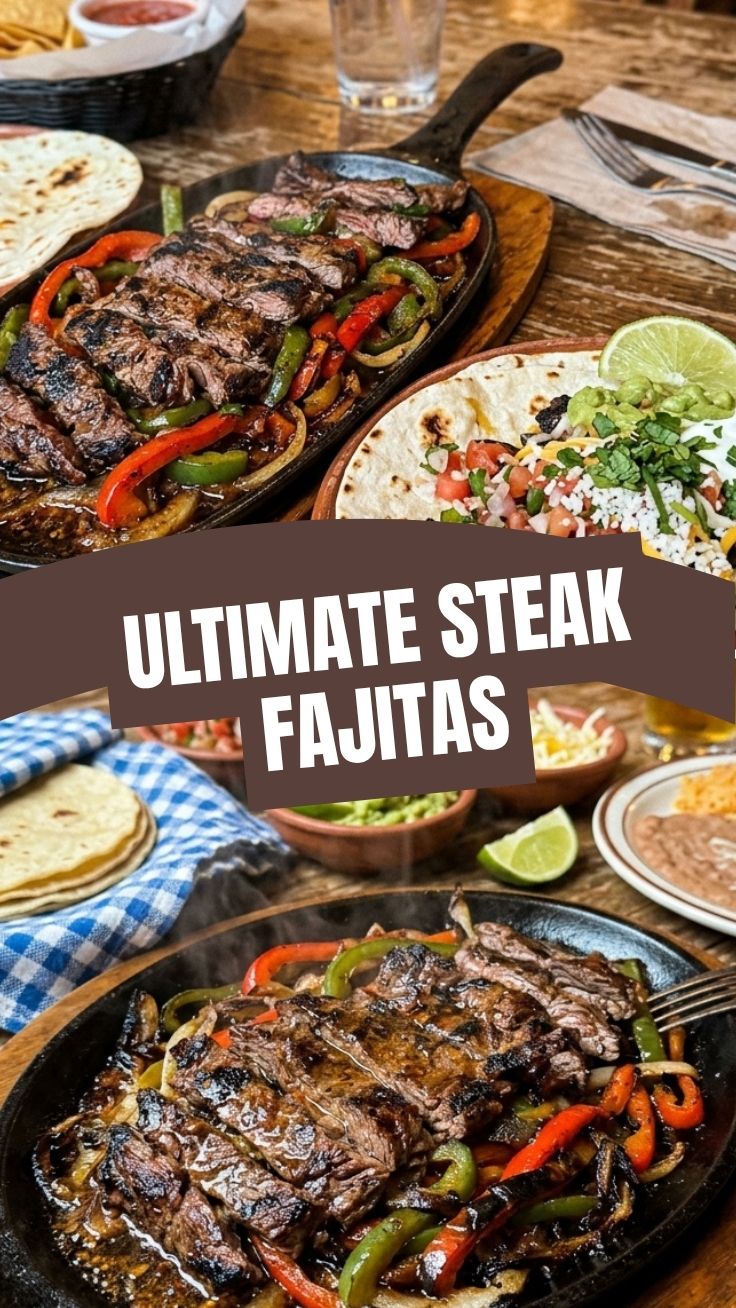
Have you ever wondered why restaurant Steak Fajitas taste so much better than what you make at home? The secret isn’t a special ingredient—it’s technique. By mastering a few simple principles, you can create sizzling, restaurant-quality fajitas that rival any taqueria. Preparing this dish at home gives you complete control over ingredient quality, spice level, and doneness, while saving money and impressing dinner guests. This guide will walk you through every step, from selecting the perfect cut of beef to achieving that signature char. For even more inspiration, explore authentic Mexican steak recipes to expand your repertoire. Let’s transform your weeknight dinner into a fiesta.
Ingredients & Kitchen Tools
For the Steak & Marinade
– 1½ lbs flank steak – Skirt steak works well too; both absorb marinade beautifully
– 3 tablespoons olive oil – Use extra virgin for richer flavor
– ¼ cup fresh lime juice – Bottled lacks brightness; always use fresh
– 3 cloves garlic, minced – Adjust to taste, but don’t skimp
– 1 teaspoon ground cumin – The backbone of authentic fajita flavor
– 1 teaspoon chili powder – Ancho or chipotle adds smoky depth
– 1 teaspoon smoked paprika – Optional but highly recommended
– Salt and black pepper – To season generously
For the Vegetables
– 2 bell peppers – Mix colors (red, yellow, green) for visual appeal
– 1 large red onion – Yellow onion works but red is sweeter when caramelized
For Serving
– Flour or corn tortillas – Warm before serving; char slightly over a gas flame
– Fresh cilantro, chopped – Adds freshness
– Sour cream or Mexican crema – Optional but balances heat
– Guacamole or sliced avocado – Creamy contrast to smoky steak
– Salsa or pico de gallo – Homemade elevates the dish
Essential Kitchen Tools
– Cast-iron skillet or heavy-bottomed pan – Retains high heat for perfect sear
– Sharp chef’s knife – For slicing steak against the grain
– Cutting board – Preferably two: one for raw meat, one for veg
– Tongs – For flipping steak without piercing
– Meat thermometer – Ensures precise doneness every time
– Mixing bowl – For marinade
Optional Substitutions
– Chicken or shrimp – Adjust cooking times accordingly
– Gluten-free tamari – Not traditional but adds umami
– Greek yogurt – Replaces sour cream for a tangy, protein-rich swap
Prep Time & Cooking Schedule
| Stage | Time | Notes |
|——-|——|——-|
| Marinating | 30 minutes (minimum) to 4 hours | Extended marinating tenderizes and flavors deeply |
| Prep vegetables | 10 minutes | Slice peppers and onions into ½-inch strips |
| Cooking steak | 6-10 minutes | Depends on thickness and desired doneness (130°F for medium-rare) |
| Resting steak | 5-10 minutes | Critical for juiciness; tent with foil |
| Sautéing vegetables | 4-6 minutes | Maintain some crunch |
| Total active time | ~25 minutes | Plus marinating time |
Tip: Marinate while prepping vegetables to save time. The steak can marinate overnight if you cover and refrigerate.
Step-by-Step Instructions
1. Prepare the Marinade
In a mixing bowl, whisk together olive oil, fresh lime juice, minced garlic, cumin, chili powder, smoked paprika, 1 teaspoon salt, and ½ teaspoon black pepper. Reserve 2 tablespoons of this mixture for later use on vegetables if desired—but do not reuse marinade that touched raw meat.
2. Marinate the Steak
Place the flank steak in a shallow dish or resealable bag. Pour the marinade over the meat, turning to coat evenly. Refrigerate for at least 30 minutes or up to 4 hours. Do not exceed 4 hours; the acid in lime juice can begin to break down the meat’s texture, making it mushy.
3. Heat the Pan for Searing
Place a cast-iron skillet over high heat for 4-5 minutes until it’s smoking hot. Test by flicking a drop of water: it should sizzle and evaporate instantly. This high heat is non-negotiable for developing the caramelized crust that defines great Steak Fajitas.
4. Cook the Steak
Remove steak from marinade, letting excess drip off. Pat dry with paper towels—moisture prevents browning. Place in the hot skillet and cook undisturbed for 3-4 minutes for a deep sear. Flip and cook another 3-4 minutes for medium-rare (130°F internal temperature). Adjust timing: add 1-2 minutes per side for medium (140°F), avoid going beyond medium-well.
5. Rest the Steak
Transfer steak to a cutting board, tent with foil, and let rest for 5-10 minutes. This step is imperative: it allows juices to redistribute, preventing a dry, tough final dish. While resting, proceed to cook vegetables.
6. Sauté Vegetables
Add a drizzle of oil to the same hot skillet (no need to clean between). Add sliced peppers and onions, season with salt and pepper, and cook 4-6 minutes, stirring occasionally. Keep vegetables moving to prevent burning but allow slight charring for authentic fajita flavor. Look for softened edges with a bit of crunch remaining.
7. Slice Against the Grain
Identify the direction of the meat fibers (they run lengthwise along the steak). Using a sharp knife, slice perpendicular to those fibers into thin strips. Slicing against the grain shortens muscle fibers, making every bite tender. For the best texture, cut at a slight diagonal angle, creating wider, more elegant strips. If you enjoy this technique, explore authentic Mexican steak recipes that employ similar slicing methods for tacos and burritos.
8. Warm Tortillas and Assemble
Warm tortillas in a dry skillet or directly over a gas flame for 30 seconds per side until pliable but not brittle. Lay tortillas flat, add a layer of steak strips, top with sautéed peppers and onions, and finish with cilantro, crema, avocado, and salsa. Serve immediately while sizzling.
Nutritional Benefits & Advantages
This steak fajita recipe offers substantial nutritional value beyond its delicious flavor:
– High-quality protein: A 4-ounce serving of flank steak provides approximately 30 grams of protein, supporting muscle repair and satiety.
– Iron-rich: Beef is a primary source of heme iron (more easily absorbed than plant iron), which combats fatigue and supports oxygen transport.
– Vitamin C powerhouse: Bell peppers, particularly red varieties, contain more vitamin C per gram than oranges, boosting immune function.
– Low-carb adaptable: Skip the tortillas or use lettuce wraps for a keto-friendly meal.
– Healthy fats: Avocado and olive oil provide monounsaturated fats that support heart health.
– Customizable macros: Adjust portion sizes of steak and vegetables to fit specific dietary needs.
Note: For lower sodium, reduce added salt and choose low-sodium tortillas and salsa.
Tips Variations & Cooking Advice
Flavor Variations
– Spicy chipotle: Add 1-2 minced chipotle peppers in adobo sauce to the marinade for smoky heat.
– Citrus-herb: Substitute orange juice for half the lime juice and add 2 tablespoons chopped fresh oregano.
– Balsamic twist: Add 1 tablespoon balsamic vinegar to the marinade for subtle sweetness and depth.
Cooking Method Alternatives
– Grill method: Cook steak over high direct heat for 4-5 minutes per side. Grill vegetables in a basket or foil pack.
– Air fryer: Cook steak at 400°F for 10-12 minutes (flip halfway) for a quick, evenly charred result.
– Slow cooker: For ultra-tender meat, cook marinated steak on low for 4-6 hours, then shred and sear briefly.
Dietary Adaptations
– Gluten-free: Use corn tortillas or lettuce wraps; ensure spices are certified gluten-free.
– Dairy-free: Omit sour cream and cheese, or use coconut-based alternatives.
– Lower fat: Use a leaner cut like sirloin and reduce oil; trim visible fat before cooking.
Portion Adjustments
– Feeding a crowd: Double or triple the recipe; cook steak in batches to avoid overcrowding the pan.
– Single serving: Halve ingredients; cook steak in a smaller skillet.
Common Mistakes to Avoid
| Mistake | Consequence | Solution |
|———|————-|———-|
| Slicing with the grain | Tough, chewy steak | Always slice perpendicular to muscle fibers |
| Overcrowding the pan | Steams instead of sears, no crust | Cook steak in batches; leave space between pieces |
| Skipping the rest period | Juices run out when cut, dry meat | Rest 5-10 minutes under foil; do not skip |
| Over-marinating | Mushy, mealy texture | Limit marinade to 4 hours max |
| Cold steak | Uneven cooking; burnt exterior, raw center | Let steak sit at room temperature 20 minutes before cooking |
| Wet steak before searing | No browning; gray exterior | Pat dry thoroughly with paper towels |
| Not preheating pan properly | Steak sticks; no caramelization | Heat pan 4-5 minutes on high until smoking |
Storage & Meal Prep Tips
Refrigeration
– Store cooked steak and vegetables separately from tortillas and toppings.
– Place in airtight containers; use within 3-4 days.
– Keep steak in its own container to prevent sogginess from vegetable moisture.
Freezing
– Steak only: Sliced cooked steak freezes well for up to 3 months. Wrap tightly in plastic wrap, then foil or freezer bag.
– Vegetables: Sautéed peppers and onions can be frozen for 1-2 months; they soften slightly upon thawing.
– Avoid freezing assembled fajitas – tortillas become soggy, and toppings separate.
Reheating Instructions (for best texture)
– Steak: Reheat quickly in a hot skillet with a splash of broth or water for 1-2 minutes per side. Avoid microwaving – it toughens the meat.
– Vegetables: Sauté in a dry pan over medium-high heat for 2 minutes to restore char.
– Tortillas: Wrap in foil and warm in a 350°F oven for 5 minutes, or char directly over a gas flame.
– Toppings: Use fresh – do not reheat sour cream, guacamole, or pico de gallo.
Meal Prep Strategy
– Marinate steak and slice vegetables up to 24 hours in advance (store separately).
– Cook steak and vegetables on meal prep day; reheat individually when serving.
– Portion into containers with steak, vegetables, and tortillas separated.
Conclusion
Mastering Steak Fajitas at home unlocks a world of bold, customizable Mexican flavors that rival any restaurant. By following this guide—searing over high heat, resting the meat, and slicing against the grain—you’ll consistently achieve tender, juicy steak with deeply charred vegetables. The key is understanding temperature control and patience: let the pan get screaming hot, and give the meat time to rest. Once you’ve nailed this technique, experiment with variations like chipotle-marinated versions or grilled preparations. For more inspiration, explore authentic Mexican steak recipes that use different cuts and flavor profiles. We’d love to hear how yours turn out—share your results, tag us in your creations, or drop questions in the comments below. Now go fire up that skillet and bring the fiesta to your kitchen.
FAQs
Can I use chicken instead of steak for this recipe?
Absolutely. Boneless, skinless chicken thighs (more forgiving) or breasts work well. Adjust cooking time: chicken thighs need about 8-10 minutes total, breasts 6-8 minutes (165°F internal). The marinade flavors work beautifully with poultry.
How do I know when the steak is done without a thermometer?
Use the finger test: press the center of the steak. For medium-rare, it should feel like pressing the fleshy area between your thumb and index finger when your hand is relaxed. For medium, it should have slight spring but still yield. Practice with a thermometer to train your hand.
Can I make these dairy-free?
Yes. Omit sour cream and cheese. Use avocado and salsa as creamy replacements. Check tortillas for dairy (most corn tortillas are dairy-free). The recipe itself contains no dairy except optional toppings.
What if I don’t have a cast-iron skillet?
A heavy stainless steel or nonstick pan works, but avoid nonstick for high-heat searing (it can degrade). Preheat any pan thoroughly. For best results, use a pan that retains heat well. Alternatively, grill the steak outdoors.
How do I adjust the spice level?
For milder fajitas, reduce chili powder to ½ teaspoon and omit chipotle peppers. For extra heat, add 1 teaspoon cayenne pepper or serve with sliced jalapeños and hot sauce on the side.
Can I prepare the fajitas ahead of time for a party?
Partially: cook the steak and vegetables up to 24 hours in advance, store separately, then reheat quickly in a hot skillet just before serving. Prepare toppings fresh. This ensures the best texture and prevents sogginess.
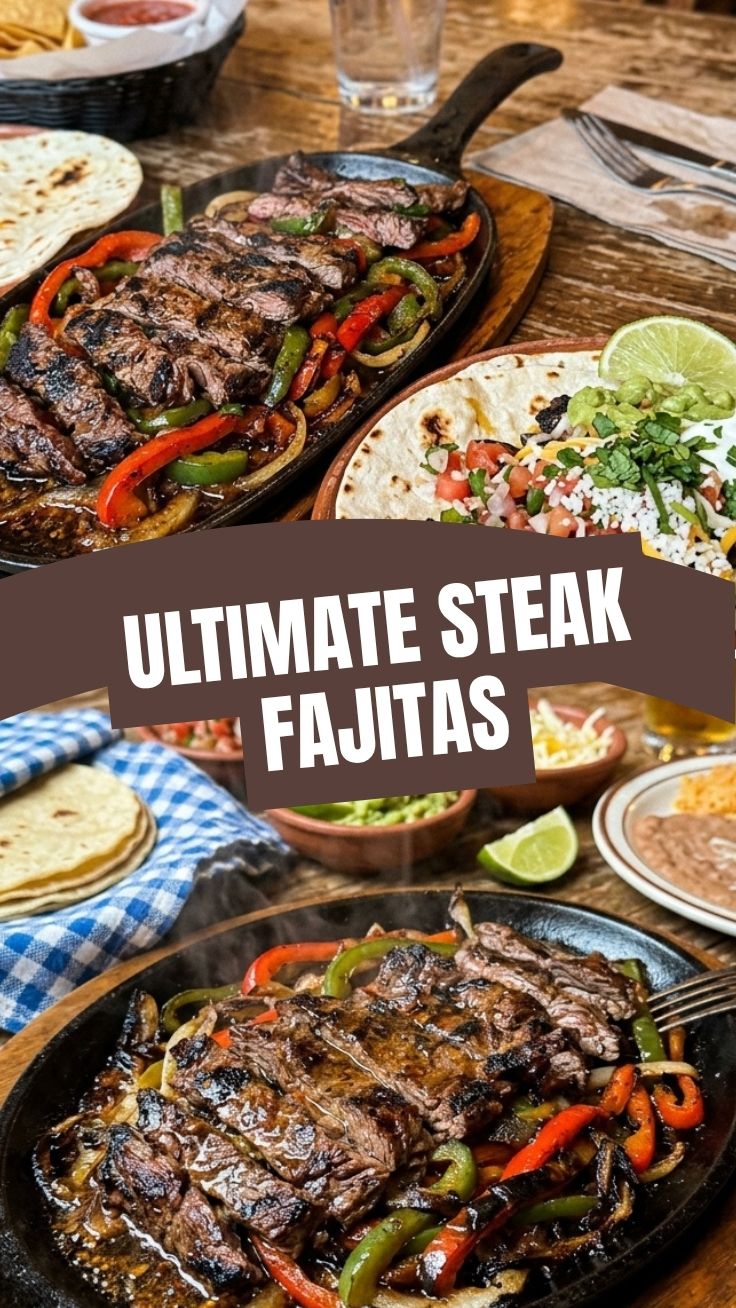
Proven way to grow 3 Steak Fajitas
Ingredients
Equipment
Method
- Slice the beef skirt steak into thin strips against the grain. In a bowl, toss the sliced steak with 1 tablespoon of olive oil and the fajita seasoning, ensuring it is well coated.
- Heat the remaining 1 tablespoon of olive oil in a large skillet or cast-iron pan over medium-high heat. Add the sliced bell peppers and onion to the skillet and cook for 5-7 minutes until they are tender-crisp.
- Push the vegetables to one side of the skillet and add the seasoned steak strips to the other side. Cook the steak for 3-5 minutes, stirring occasionally, until it is browned and cooked through.
- Stir the steak and vegetables together to combine thoroughly.
- Serve the hot steak and vegetable mixture in warm tortillas, topped with salsa, sour cream, and guacamole as desired.