Savory Pad Thai at Home: Your Ultimate Guide to Restaurant-Quality Noodles
Have you ever craved the sweet, tangy, and umami-packed bite of authentic Pad Thai only to settle for takeout that’s either too greasy or too dry? The truth is, mastering Pad Thai in your own kitchen isn’t just possible—it’s surprisingly straightforward when you understand the key balancing act of tamarind, fish sauce, and palm sugar. By preparing this iconic Thai street food from scratch, you gain total control over freshness, spice level, and portion size, all while saving money and impressing your dinner guests. In this guide, we’ll walk through every step, from selecting the right Noodles to achieving that perfect char on the wok. Let’s dive into the art of making unforgettable Pad Thai at home.
Ingredients & Kitchen Tools
| Ingredient | Amount | Notes & Substitutions |
|————|——–|———————-|
| Dried flat rice noodles (stick) | 8 oz (225 g) | Use medium width; for gluten-free, ensure rice only. |
| Tamarind concentrate | 3 tbsp | Substitute with lime juice + brown sugar (1:1) if unavailable. |
| Fish sauce | 3 tbsp | For vegan, use soy sauce + seaweed flakes. |
| Palm sugar (or brown sugar) | 2 tbsp, packed | Light brown sugar works; dark adds deeper caramel notes. |
| Rice vinegar | 1 tbsp | Balances acidity; white vinegar okay. |
| Vegetable oil | 3 tbsp | Peanut oil adds authentic flavor; use avocado for neutral. |
| Protein (shrimp, chicken, or tofu) | 8 oz | Shrimp is classic; firm tofu for vegetarian. |
| Eggs | 2 large | Free-range preferred. |
| Garlic | 3 cloves, minced | Fresh is crucial; avoid pre-minced. |
| Dried chili flakes | 1 tsp | Adjust to taste; omit for mild. |
| Bean sprouts | 1 cup | Fresh, crunchy; can substitute with shredded cabbage. |
| Roasted peanuts | ½ cup, crushed | Unsalted; saltiness varies. |
| Lime wedges & cilantro | For serving | Adds brightness. |
Kitchen Tools: Large wok or non‑stick skillet, colander for soaking noodles, small bowl for sauce, spatula, chef’s knife, cutting board.
Prep Time & Cooking Schedule
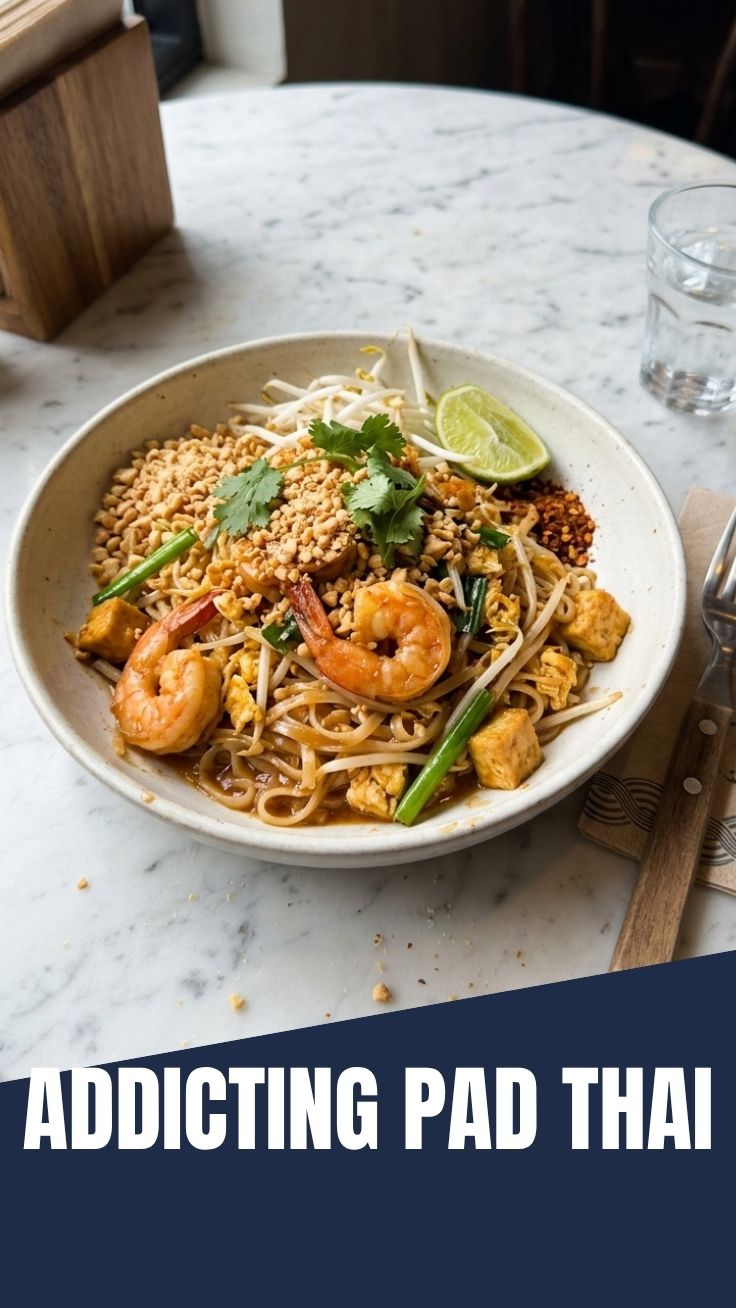
– Prep Time: 20 minutes (soak noodles, make sauce, chop garlic and peanuts).
– Cooking Time: 10 minutes (high-heat stir‑fry).
– Total Time: 30 minutes.
Plan ahead: Noodles must pre‑soak in warm water for 20 minutes—do this before prepping other ingredients. Have everything measured and within arm’s reach; stir‑frying moves fast.
Step-by-Step Instructions
1. Soak the noodles: Place dried rice sticks in a large bowl and cover with warm (not boiling) water for 20–25 minutes until pliable but still firm. Drain and set aside.
2. Make the sauce: In a small bowl, whisk together tamarind concentrate, fish sauce, palm sugar, rice vinegar, and chili flakes until the sugar dissolves. Taste—it should be sour, salty, and sweet in balance. Set aside.
3. Stir‑fry the protein: Heat 1 tbsp oil in a wok over high heat. Add shrimp (or preferred protein) and cook 2 minutes until pink; remove to a plate.
4. Scramble the eggs: Add 1 tbsp oil to the wok. Crack eggs and scramble quickly (about 30 seconds) until just set. Remove and set aside with protein.
5. Combine noodles and sauce: Add remaining 1 tbsp oil to the wok. Add garlic and toss for 10 seconds. Add drained noodles and the sauce mixture; toss constantly for 1–2 minutes until noodles are evenly coated and slightly softened.
6. Add protein and eggs: Return cooked protein and scrambled eggs to the wok. Toss everything together for 30 seconds.
7. Finish with crunch and freshness: Remove from heat. Fold in bean sprouts (save a handful for garnish) and half the crushed peanuts. Toss once more.
8. Plate and serve: Divide among bowls. Top with remaining bean sprouts, peanuts, and lime wedges. Sprinkle with cilantro.
Key tips: Maintain high heat throughout—don’t crowd the wok. If noodles start to stick, add a splash of water or extra oil. Adjust seasoning at the end: more fish sauce for salt, lime for sour, sugar for sweetness. And remember, the perfect bowl of Pad Thai relies on the right texture of the Noodles—they should be chewy, not mushy.
Nutritional Benefits & Advantages
This homemade Pad Thai packs impressive nutrition. Rice Noodles provide quick‑release carbohydrates for energy—great pre‑workout. Shrimp delivers lean protein and omega‑3 fatty acids. Bean sprouts offer vitamin C and crunch with minimal calories, while peanuts contribute healthy fats and magnesium. Tamarind is rich in antioxidants and may aid digestion. Compared to takeout, you control sodium (swap low‑sodium fish sauce) and avoid MSG or excessive sugar. For a lighter version, double the veggies and halve the noodles.
Tips Variations & Cooking Advice
Flavor variations: Add a spoonful of tamarind paste for extra tang; swap fish sauce for soy + lime for a vegetarian twist; toss in Thai basil for herbal brightness.
Ingredient swaps: Use zucchini noodles for low‑carb; replace shrimp with leftover roast chicken; try cashews instead of peanuts.
Dietary adaptations: Gluten‑free by default (ensure soy sauce if used is GF). Dairy‑free as is. Vegan: use tofu, tamari, and omit eggs.
Cooking method: If no wok, use a large cast‑iron skillet. For authentic “wok hei” (char), heat the pan until smoking before adding oil.
Common Mistakes to Avoid
1. Soggy noodles: Over‑soaking or boiling instead of soaking leads to mushy texture. Soak only until pliable.
2. Burnt garlic: Garlic burns quickly over high heat; add it just before noodles.
3. Clumpy sauce: Use the sauce at room temperature and toss noodles immediately—if sauce curdles, whisk in a splash of hot water.
4. Dull flavor: Underseasoning is common. Taste sauce before adding; you should detect strong sour‑salty‑sweet notes.
5. Sticky wok: Insufficient oil or crowding causes sticking. Use enough oil and work in batches if necessary.
Storage & Meal Prep Tips
Store leftover Pad Thai in an airtight container in the refrigerator for up to 3 days. Do not freeze—rice noodles become mushy after thawing. To reheat, place in a hot skillet with a splash of water and toss over medium heat until steaming (2–3 minutes). Avoid microwaving, which makes noodles rubbery. For meal prep, keep sauce separate from noodles and combine only when reheating—this preserves texture.
Conclusion
Now you hold the secrets to crafting an authentic, balanced Pad Thai that rivals any Bangkok street vendor. The journey from soaking the Noodles to that final lime squeeze rewards you with a vibrant, flavorful meal that’s both budget‑friendly and deeply satisfying. Remember: the magic lies in the sauce ratio, high heat, and quick movements. Don’t be afraid to tweak the sweet‑sour‑salty triad to your preference. Try this recipe tonight, snap a photo of your beautiful bowl, and share your results in the comments! For more Thai-inspired noodle adventures, browse our collection of coconut‑based soups and stir‑fries—your next culinary discovery is just a click away.
FAQs
Can I use dried rice vermicelli instead of flat noodles?
Yes, but adjust soak time—vermicelli softens in 10 minutes. Texture will be thinner, yet still delicious.
What if I can’t find tamarind?
Mix 2 tbsp lime juice + 1 tbsp brown sugar + ½ tsp soy sauce as a quick replacement. It won’t be identical but works in a pinch.
My Pad Thai turned out too sweet – how to fix?
Add extra lime juice and a dash of fish sauce to balance. Next time, reduce sugar by 1 teaspoon and adjust to taste.
Can I make this ahead for a party?
Yes, but cook only the base noodles and sauce; toss with fresh sprouts and peanuts just before serving. Reheat noodles in a hot pan with a little oil.
Is it okay to use pre-cooked frozen shrimp?
Absolutely—thaw, pat dry, and add them in the last minute to avoid overcooking.
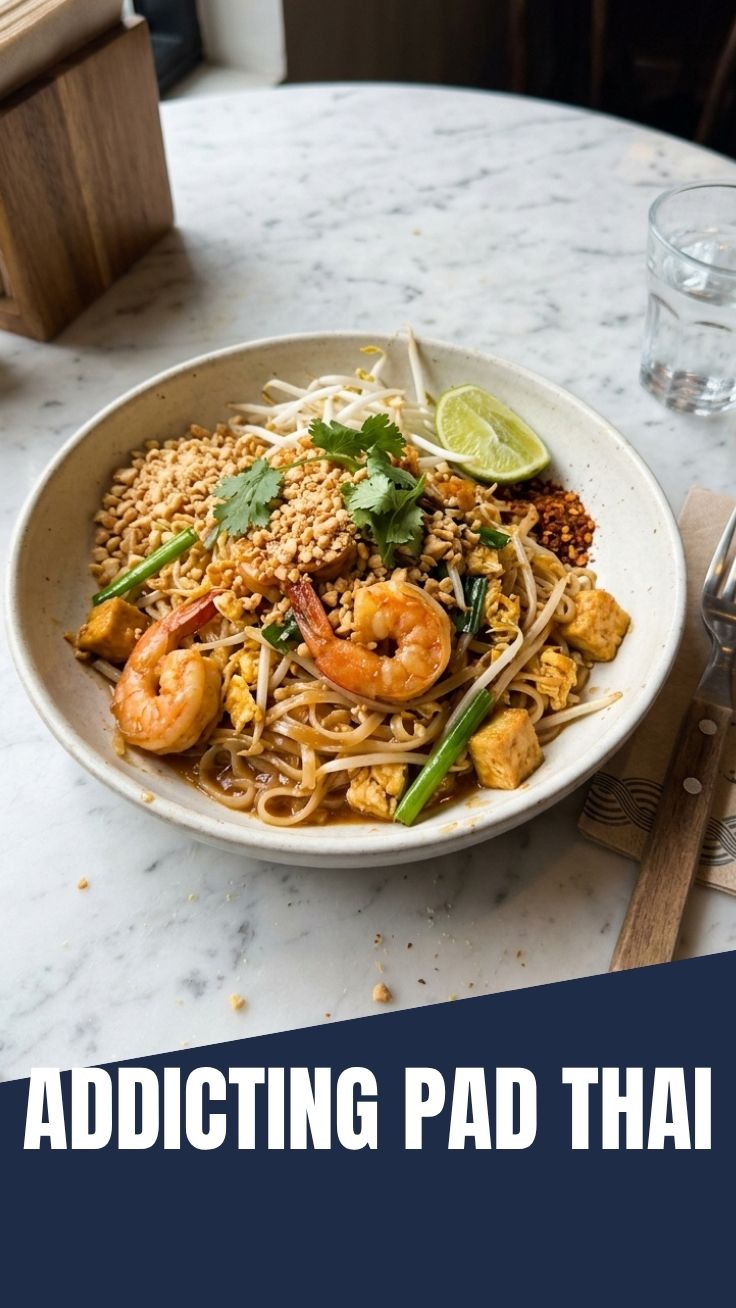
Proven way to grow pad thai sauce in 5 steps. Pad Thai.
Ingredients
Equipment
Method
- Combine all sauce ingredients in a small saucepan.
- Heat the mixture over medium heat, stirring until the sugar dissolves.
- Bring the sauce to a gentle simmer, then remove from heat and let it cool.
- Taste the sauce and adjust seasonings as needed, adding more fish sauce for saltiness, tamarind for tang, or palm sugar for sweetness.
- Store the cooled sauce in an airtight container in the refrigerator for up to 2 weeks.