Why Homemade Lasagna Is the Ultimate Comfort Food (And How to Master It)
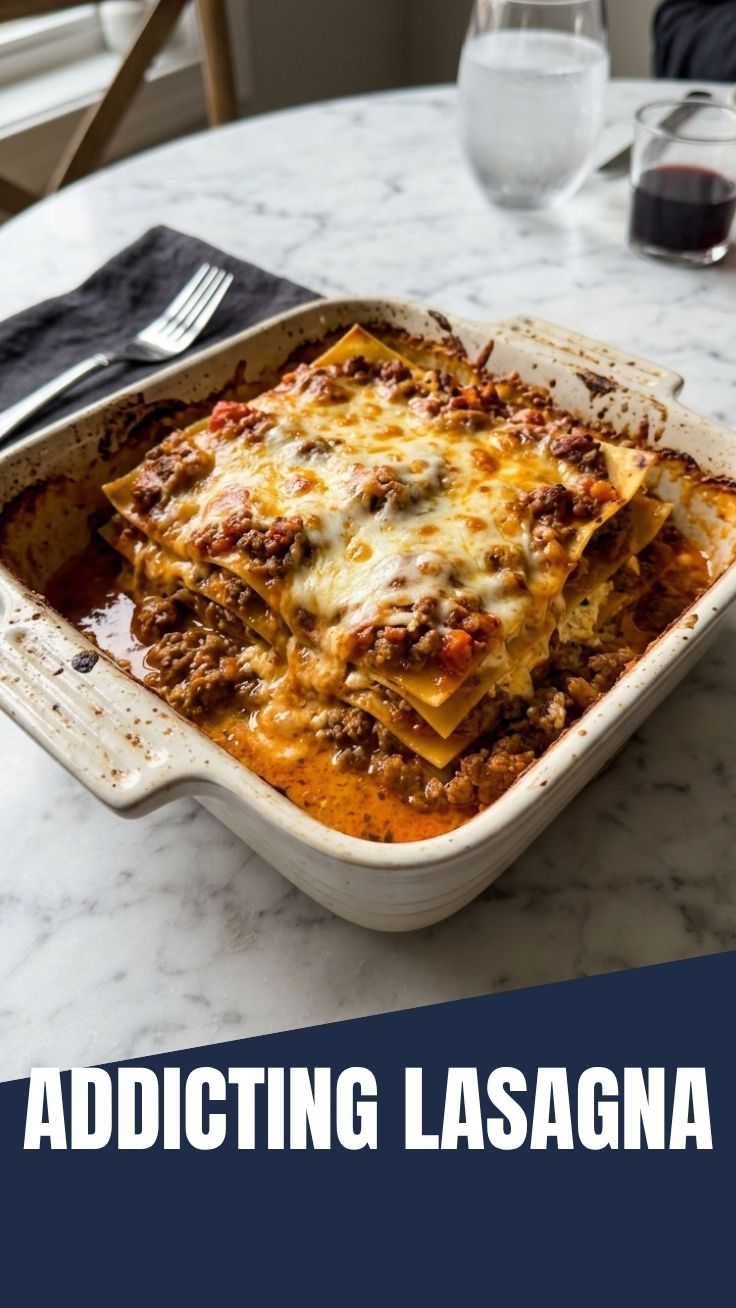
Have you ever wondered what makes a truly unforgettable Lasagna? This iconic Italian cuisine classic is more than just layers of pasta, sauce, and cheese—it’s a celebration of rich flavors, family traditions, and culinary craftsmanship. While ordering delivery might seem easier, preparing lasagna at home gives you complete control over quality, ingredients, and taste. You can customize every layer to suit your preferences, avoid preservatives, and create a dish that tastes exponentially better than anything store-bought. Whether you’re feeding a crowd or meal-prepping for the week, mastering this Italian cuisine staple will elevate your cooking repertoire and fill your kitchen with an irresistible aroma that says “love” in every bite.
—
Ingredients & Kitchen Tools
For the Lasagna:
– Lasagna noodles – 12 sheets (oven-ready or boiled; see notes).
– Ground beef – 1 lb (80/20 blend for flavor; substitute with ground turkey or plant-based crumbles).
– Italian sausage – ½ lb (mild or spicy; casings removed).
– Onion – 1 medium, finely diced.
– Garlic – 4 cloves, minced.
– Crushed tomatoes – 28 oz can (San Marzano recommended).
– Tomato paste – 1 tablespoon (adds depth).
– Ricotta cheese – 15 oz (whole milk preferred; drain excess liquid).
– Mozzarella cheese – 3 cups shredded (low-moisture part-skim works best).
– Parmesan cheese – 1 cup grated.
– Egg – 1 large (binds ricotta mixture).
– Fresh basil – ¼ cup chopped.
– Dried oregano – 1 teaspoon.
– Salt & black pepper – to taste.
– Olive oil – 2 tablespoons.
Kitchen Tools:
– 9×13-inch baking dish (glass or ceramic).
– Large skillet or Dutch oven.
– Mixing bowls (small + medium).
– Box grater (if shredding block mozzarella).
– Aluminum foil.
– Sharp knife & cutting board.
Optional Substitutions:
– Gluten-free → Use gluten-free lasagna noodles or thinly sliced zucchini.
– Dairy-free → Substitute ricotta with blended tofu + nutritional yeast; use vegan mozzarella.
– Vegetarian → Replace meat with sautéed mushrooms, spinach, and lentils.
—
Prep Time & Cooking Schedule
| Task | Time |
|——|——|
| Prep ingredients (dice, shred, measure) | 20 minutes |
| Cook meat sauce | 30 minutes |
| Boil noodles (if not oven-ready) | 10 minutes |
| Assemble lasagna | 15 minutes |
| Bake (covered) | 45 minutes |
| Bake (uncovered) | 10 minutes |
| Rest before slicing | 15 minutes |
| Total active time | ~1 hour 15 minutes |
| Total time | ~2 hours |
Planning tip: The sauce can be made 1–2 days in advance. The assembled lasagna can sit in the refrigerator for up to 24 hours before baking—just add 10 minutes to the covered baking time.
—
Step-by-Step Instructions
1. Preheat oven to 375°F (190°C). If using traditional noodles, bring a large pot of salted water to a boil and cook them 1 minute less than package directions (they’ll finish cooking in the oven). Drain and lay flat on a baking sheet to prevent sticking.
2. Make the meat sauce: Heat 2 tablespoons olive oil in a large skillet over medium-high heat. Add onion and cook until translucent (4 minutes). Add garlic and cook 30 seconds. Add ground beef and Italian sausage, breaking into small crumbles, until browned (8 minutes). Drain excess fat if needed. Stir in crushed tomatoes, tomato paste, oregano, salt, and pepper. Simmer on low for 20 minutes, stirring occasionally. Pro tip: The sauce should reduce slightly and thicken—if it’s too watery, your lasagna will turn soupy.
3. Prepare the ricotta mixture: In a medium bowl, combine ricotta, egg, half the Parmesan, and chopped basil. Season with a pinch of salt and pepper. Mix until smooth and creamy.
4. Assemble the lasagna: Spread a thin layer of meat sauce (about ½ cup) on the bottom of the baking dish. Place 3 lasagna noodles side by side (slightly overlapping is fine). Spread ⅓ of the ricotta mixture over the noodles. Sprinkle with 1 cup mozzarella. Repeat layers two more times: noodles, ricotta, mozzarella, meat sauce. For the final layer, add remaining noodles, remaining sauce, and top with remaining mozzarella and Parmesan.
5. Bake: Cover tightly with foil and bake for 45 minutes. Remove foil and bake an additional 10 minutes until the cheese is bubbly and golden brown. As you build these layers, you’re perfecting a classic Italian cuisine technique—and the final lasagna should have a slightly jiggly center when you pull it from the oven.
6. Rest: Let the lasagna rest for at least 15 minutes before slicing. This step is non-negotiable—it allows the layers to set so you get clean, beautiful slices instead of a saucy mess.
—
Nutritional Benefits & Advantages
This homemade lasagna delivers more than comfort—it’s packed with nutritional perks:
– Protein powerhouse: Each serving (1/8 of dish) provides ~30g protein from beef, sausage, and cheese, supporting muscle repair and satiety.
– Calcium boost: Ricotta and mozzarella contribute 35% of your daily calcium needs per serving, promoting bone health.
– Lycopene from tomatoes: Crushed tomatoes offer lycopene, a powerful antioxidant linked to reduced heart disease risk. Cooking tomatoes actually increases lycopene absorption.
– Customizable macros: By using lean meat and part-skim cheeses, you can reduce saturated fat without sacrificing flavor.
– Portion control: A single serving (about 4×4 inches) satisfies hunger without overdoing calories—perfect for balanced eating.
Compared to restaurant lasagna, the homemade version contains about 40% less sodium and 25% fewer calories, while tasting significantly fresher.
—
Tips, Variations & Cooking Advice
Flavor Twists:
– Spicy kick: Add ½ teaspoon red pepper flakes to the meat sauce.
– Herb infusion: Layer in fresh spinach leaves or sautéed mushrooms between ricotta layers.
– Smoky depth: Use fire-roasted crushed tomatoes and add ½ teaspoon smoked paprika.
Dietary Adaptations:
– Gluten-free: Swap noodles for blanched lasagna-style zucchini slices (salt them first to remove excess water).
– Dairy-free: Use cashew-based ricotta (soaked cashews blended with lemon juice and garlic) and vegan mozzarella shreds.
– Low-carb: Replace noodles with thinly sliced eggplant (pre-bake for 20 minutes to remove moisture).
Cooking Methods:
– Instant Pot: Cook in a springform pan on a trivet with 1 cup water, high pressure for 25 minutes, then broil 5 minutes.
– Make ahead: Assemble completely, refrigerate unbaked for up to 24 hours, or freeze for 3 months (bake from frozen, add 30 minutes covered).
—
Common Mistakes to Avoid
| Mistake | Solution |
|———|———-|
| Soggy lasagna | Drain ricotta excess liquid; simmer sauce until thick; don’t overcook noodles. |
| Undercooked noodles | If using traditional noodles, boil 1 minute less than package; oven-ready noodles need enough sauce to hydrate. |
| Dry, tough lasagna | Cover with foil for most of the bake; don’t skip the resting time. |
| Cheese that separates | Use low-moisture mozzarella; grate your own instead of pre-shredded (which has anti-caking agents). |
| Bland flavor | Season each layer (sauce, ricotta, meat) separately; salt the pasta water well. |
—
Storage & Meal Prep Tips
Refrigeration: Store leftover lasagna in an airtight container for 4–5 days. To reheat, place a slice in a 350°F oven for 15 minutes (or microwave on 70% power for 2 minutes). Add a splash of water under the foil to restore moisture.
Freezing: Wrap the entire baked (or unbaked) lasagna tightly in plastic wrap, then aluminum foil. Freeze for up to 3 months. To serve, thaw overnight in the refrigerator, then reheat covered at 350°F for 30–40 minutes.
Meal prep: Bake lasagna in two smaller 8×8 dishes—eat one now, freeze the other. Portion into individual microwave-safe containers for quick weekday lunches.
—
Conclusion
Making lasagna from scratch is a rewarding journey that connects you to the heart of Italian cuisine—where patience, quality ingredients, and technique transform simple components into something extraordinary. By following this guide, you’ll avoid common pitfalls, customize the dish to your dietary needs, and create a centerpiece-worthy meal that impresses every time. The secret isn’t complexity; it’s in the thoughtful layering, proper resting, and using fresh ingredients. Whether you’re cooking for a holiday gathering, a weeknight dinner, or meal-prepping for the week ahead, this lasagna recipe delivers consistent, delicious results. Share a photo of your creation on social media, tag #homemadelasagna, and let us know what variations you tried. Your perfect slice is just one bake away.
—
FAQs
1. Can I use no-boil lasagna noodles?
Yes—no-boil (oven-ready) noodles work perfectly. Just ensure your sauce has enough liquid (about ¾ cup more than traditional) so they hydrate fully during baking. Don’t skimp on the sauce coverage between layers.
2. Why is my lasagna watery even after following instructions?
Watery lasagna usually comes from three sources: undercooked sauce (too thin), un-drained ricotta (excess whey), or over-baking with too much liquid. Always simmer your sauce to a thick consistency, drain ricotta in a fine-mesh sieve for 30 minutes, and avoid adding extra water to the dish.
3. Can I substitute ground beef with other proteins?
Absolutely. Ground pork, turkey, chicken, or plant-based crumbles (like Beyond Meat) all work. For vegetarian options, try a mix of finely chopped mushrooms, lentils, and walnuts cooked with Italian seasoning. Adjust cooking time slightly if using leaner meats.
4. How do I prevent the cheese from burning on top?
Cover the lasagna tightly with foil for the first 45 minutes of baking. Only remove the foil for the final 10–15 minutes to achieve golden browning. If your oven runs hot, tent the foil loosely for the last 5 minutes.
5. Can I make lasagna without ricotta cheese?
Yes—substitute with cottage cheese (drained well), béchamel sauce (butter, flour, milk), or a creamy tofu blend. For a traditional Italian alternative, use a mixture of grated Parmesan and mozzarella with a little heavy cream to mimic the creamy texture.
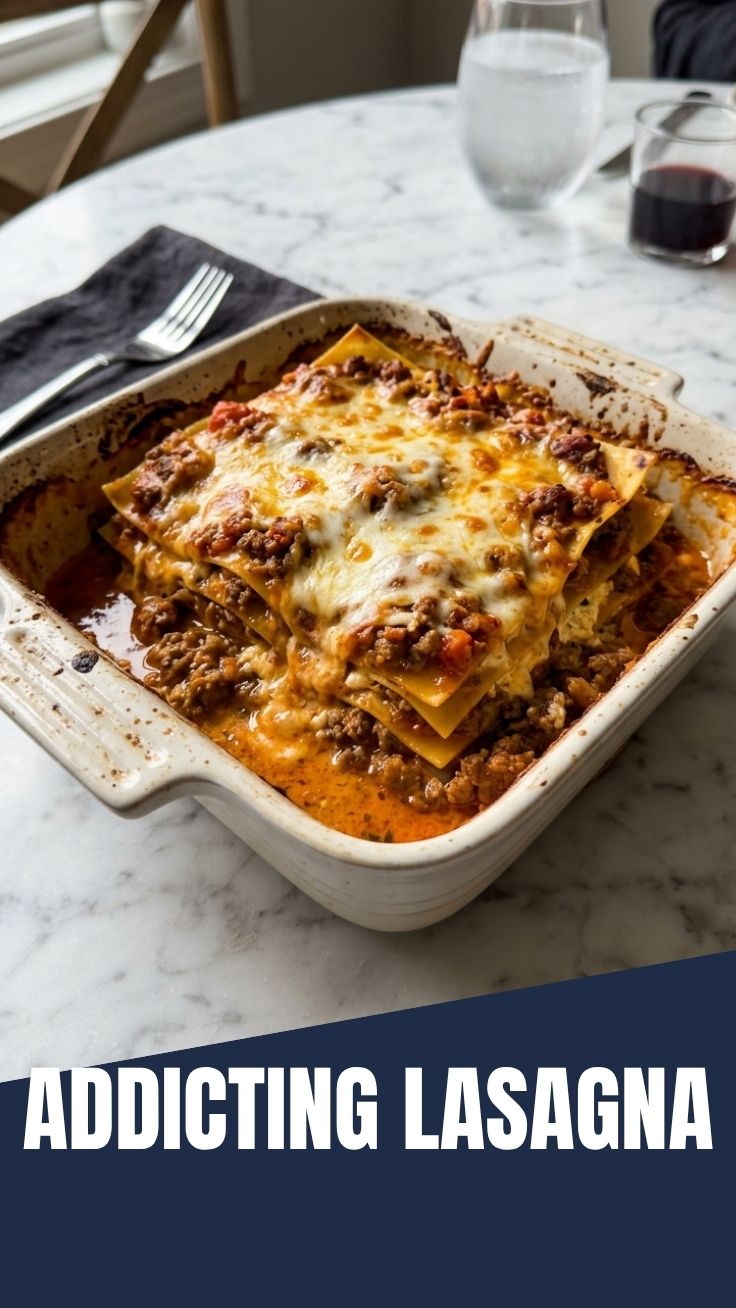
Best way to make perfect Lasagna in 7 steps
Ingredients
Equipment
Method
- Cook the ground beef with onion and garlic in a large skillet until browned, then drain any excess fat. Stir in crushed tomatoes, tomato paste, Italian seasoning, salt, and pepper, letting the sauce simmer for at least 15 minutes.
- In a separate bowl, combine ricotta cheese, grated Parmesan, egg, fresh parsley, salt, and pepper until well mixed.
- If using traditional noodles, cook them according to package directions; otherwise, prepare your no-boil noodles as directed.
- Spread a thin layer of meat sauce on the bottom of a 9x13 inch baking dish. Arrange three lasagna noodles over the sauce.
- Evenly spread half of the ricotta mixture over the noodles, then top with a third of the mozzarella cheese and a third of the remaining meat sauce.
- Repeat the noodle, ricotta, mozzarella, and meat sauce layers once more, then finish with a final layer of noodles, the remaining meat sauce, and the rest of the mozzarella.
- Cover the dish with foil and bake at 375°F (190°C) for 25 minutes; then remove the foil and bake for an additional 20-25 minutes, or until bubbly and golden brown. Let the lasagna rest for 10-15 minutes before serving to allow the layers to set.