Sizzling Skewers: The Ultimate Guide to Perfect Beef Kabobs at Home
Have you ever bitten into a dry, overcooked kabob and wondered why restaurant versions always seem juicier? The secret isn’t a fancy grill—it’s technique, timing, and a few pro-level Beef Kabobs tips you can master right in your backyard. Preparing Beef Kabobs at home gives you total control over marinades, doneness, and ingredient quality, all while saving money and impressing your guests. Whether you’re a weekend warrior or a seasoned pitmaster, this guide blends science with simple methods to ensure every skewer emerges tender, charred, and bursting with flavor. And don’t worry—we’ve packed in essential grilling tips to keep your meat from turning into shoe leather. Let’s fire up the coals and get started.
Ingredients & Kitchen Tools
For the marinade (makes ~1 cup):
– ½ cup plain Greek yogurt (tenderizes without overpowering)
– 3 tbsp olive oil (adds moisture and helps sear)
– 2 tbsp fresh lemon juice (acid brightens flavor)
– 4 garlic cloves, minced (pungent base)
– 1 tsp smoked paprika (depth)
– 1 tsp ground cumin (earthy warmth)
– ½ tsp cayenne pepper (optional heat)
– Salt and black pepper to taste
For the kabobs:
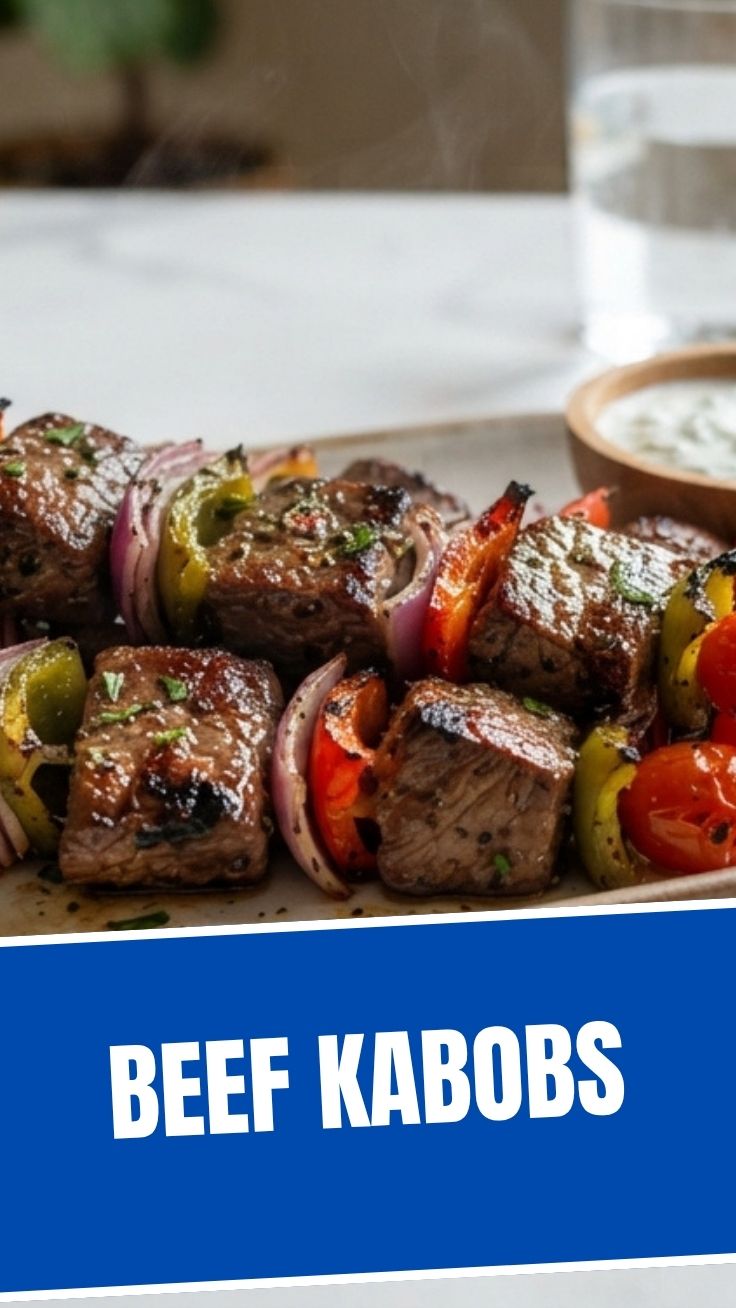
– 1.5 lbs beef sirloin or ribeye, cut into 1.5-inch cubes (marbling ensures juiciness)
– 2 bell peppers (red, yellow), cut into 1-inch pieces
– 1 large red onion, quartered and separated into layers
– 8–10 wooden or metal skewers (soak wooden ones 30 min to prevent burning)
Optional substitutions:
– Swap yogurt for buttermilk (dairy-free? Use coconut cream + 1 tsp vinegar)
– Replace beef with lamb or chicken (adjust grilling time accordingly)
– Add cherry tomatoes or zucchini for extra color
Tools you’ll need:
– Large mixing bowl (non-reactive like glass or stainless steel)
– Tongs with silicone grips (don’t scratch grill grates)
– Instant-read thermometer (takes the guesswork out)
– Grill brush and oil for cleaning
Prep Time & Cooking Schedule
– Marinating time: Minimum 2 hours (ideally 6–8 hours for deeper penetration)
– Prep time: 20 minutes (cube meat, chop veggies, mix marinade)
– Grilling time: 8–12 minutes total (rotating every 2–3 minutes)
– Resting time: 5 minutes after grilling (lets juices redistribute)
Plan ahead: If you’re hosting, start marinating the night before. The yogurt marinade works overnight without making beef mushy—unlike acidic-only marinades that can turn it mealy. For a weeknight meal, even 30 minutes of marinating adds noticeable flavor, but 2 hours is the sweet spot.
Step-by-Step Instructions
1. Prepare the marinade: In a large bowl, whisk together yogurt, olive oil, lemon juice, garlic, paprika, cumin, cayenne, salt, and pepper until smooth. Reserve 2 tablespoons for basting later.
2. Cube and toss: Cut beef into uniform 1.5-inch cubes—irregular sizes cause uneven cooking. Add beef to the marinade, stirring to coat every piece. Cover and refrigerate for at least 2 hours.
3. Assemble skewers: While beef marinates, soak wooden skewers (if using) in water. Thread beef, peppers, and onion alternately onto each skewer, leaving a small gap between pieces for even heat flow. Don’t pack too tightly—crowding traps steam and prevents charring.
4. Preheat grill: Set your grill to medium-high heat (about 400–450°F). Clean the grates thoroughly and oil them with a paper towel dipped in vegetable oil. This mimics restaurant-seared crust.
5. Grill to perfection: Place skewers on the grill. Cook 2–3 minutes per side, rotating a quarter turn each time, until an instant-read thermometer reads 130°F for medium-rare (135°F for medium). Basting with reserved marinade after the first flip adds a glossy finish.
6. Rest and serve: Remove skewers and let them sit for 5 minutes. During this step, the internal temperature climbs another 5°F. Serve immediately with warm pita, rice, or a crisp salad.
Following these grilling tips ensures your Beef Kabobs stay juicy. Always use a thermometer—don’t rely on time alone, as grill temperatures vary.
Nutritional Benefits & Advantages
Beef kabobs deliver a protein punch—about 25 g per 4‑ounce serving—supporting muscle repair and satiety. The bell peppers and onions add fiber, vitamin C (which increases iron absorption from the beef), and antioxidants like quercetin. Marinating with yogurt not only tenderizes but also provides probiotics and calcium. Grilling reduces fat compared to pan‑frying, and the high heat creates minimal char when you avoid flare‑ups. This dish fits low‑carb, keto, and paleo diets naturally; for gluten‑free, just skip any soy‑based sauces.
Tips, Variations & Cooking Advice
– Flavor twists: Substitute half the yogurt with coconut milk for a Thai‑inspired version. Add 1 tbsp fish sauce and lemongrass paste.
– Alternative methods: No grill? Broil on a foil‑lined baking sheet 4–5 inches from the element, rotating once. Or use a cast‑iron grill pan over medium‑high heat.
– Vegetable swaps: Try mushrooms, zucchini, or pineapple chunks (for a sweet‑tangy contrast).
– Dietary adaptations: For dairy‑free, use coconut yogurt or a simple olive‑oil‑herb marinade. For low‑sodium, skip added salt and rely on garlic, herbs, and lemon.
– Wood vs. metal skewers: Metal heats up and can cook the interior faster; wooden adds rustic charm but requires soaking. If using metal, turn the skewers less often to avoid overcooking the center.
Common Mistakes to Avoid
– Over‑marinating in acidic mixes: Lemon‑or‑vinegar‑heavy marinades can denature proteins, making beef mushy. Stick to 6–8 hours max; yogurt‑based marinades are more forgiving.
– Crowding the skewers: Tight packing creates steam instead of sear. Leave a ½‑inch gap between pieces.
– Constant flipping: Let each side develop a crust before turning. Flip only 3–4 times total.
– Cutting meat unevenly: Uniform cubes cook at the same rate. Weigh or measure your pieces to ensure consistency.
– Skipping the rest: Cutting into kabobs immediately leaks juices onto the plate. A 5‑minute rest makes a noticeable difference.
Storage & Meal Prep Tips
– Refrigeration: Store leftover kabobs in an airtight container for up to 3 days. Remove the skewers first to save space and avoid scratches.
– Freezing: Flash‑freeze cooked kabobs (without skewers) on a baking sheet, then transfer to a freezer bag. They keep for up to 3 months. Thaw overnight in the fridge.
– Reheating: For best texture, reheat in a skillet over medium heat with a splash of water or broth, covered, 3–4 minutes. Or use an air fryer at 350°F for 4 minutes. Microwaving tends to toughen beef.
– Meal prep: Marinate raw beef cubes and vegetables separately up to 24 hours in advance. Assemble skewers just before grilling—pre‑threaded skewers can leak moisture into the veggies.
Conclusion
Mastering Beef Kabobs at home isn’t difficult—the key is a balanced marinade, even cutting, and precise temperature control. By applying the grilling tips outlined here, you’ll transform simple sirloin into skewered perfection every time. Experiment with different spice blends, veggie combos, or cooking methods to make this recipe your own. Ready to fire up the grill? Give these Beef Kabobs a try this weekend and share your sizzling results in the comments below or tag us in your photos. Happy grilling!
FAQs
1. Can I use a different cut of beef for kabobs?
Yes. Sirloin, ribeye, and top round work well. Avoid lean cuts like eye of round—they dry out quickly. Marbling equals moisture.
2. How long should I marinate beef kabobs?
Minimum 2 hours, ideal 6–8 hours. Overnight is fine with yogurt‑based marinades. Avoid acidic marinades beyond 8 hours.
3. Can I cook beef kabobs in the oven?
Absolutely. Broil on a baking sheet 4–5 inches from the heat, turning once, until internal temp reaches 130°F for medium‑rare. No need for skewers—use a wire rack.
4. My kabobs always turn out tough. What am I doing wrong?
Likely one of three things: you’re cooking beyond medium doneness, your meat pieces are too small, or you skipped resting. Use a thermometer and aim for 130–135°F.
5. Are wooden skewers better than metal?
Metal conducts heat, cooking the interior slightly faster—good for thick pieces. Wooden skewers are traditional and prevent the skewer from getting too hot to handle. Either works; just adjust your technique.
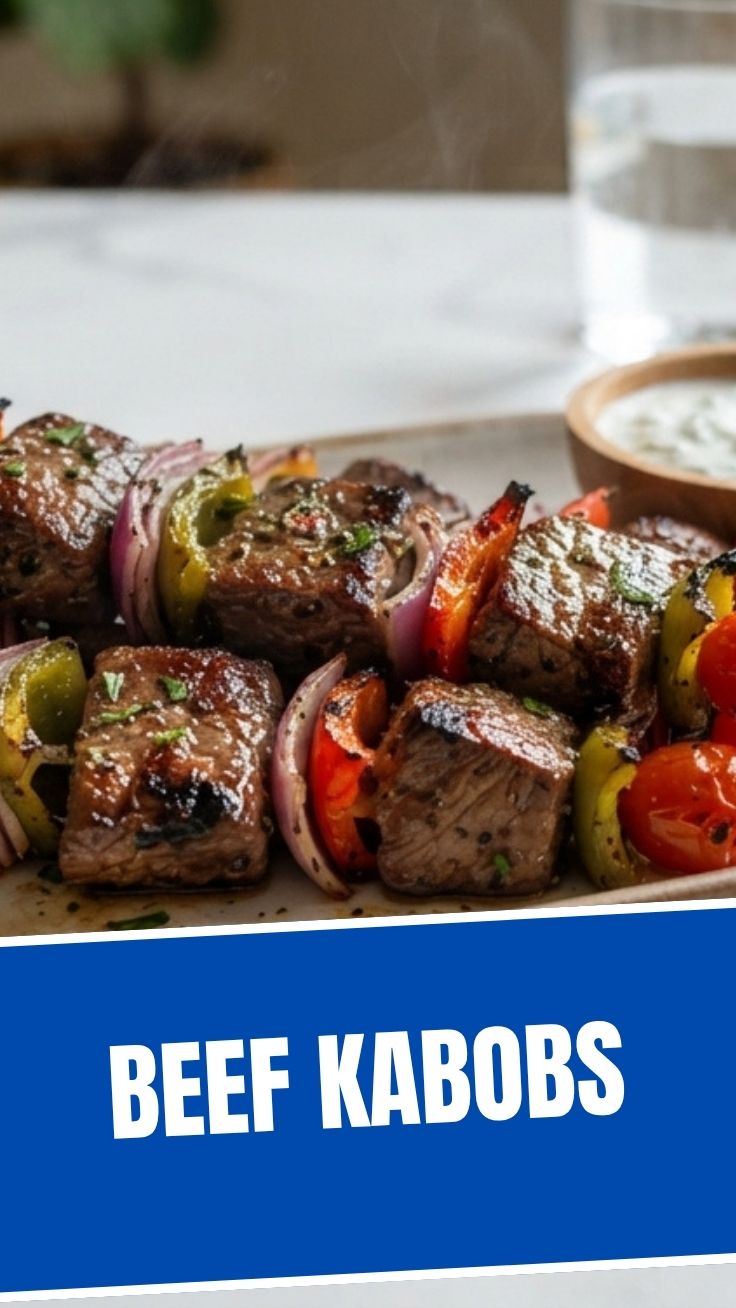
Best way to grow Beef Kabobs in 4 steps
Ingredients
Equipment
Method
- Prepare the marinade by whisking together soy sauce, olive oil, honey, minced garlic, grated ginger, and black pepper in a bowl.
- Add the beef cubes to the marinade, ensuring they are well coated, then cover and refrigerate for at least 30 minutes, or preferably 2-4 hours.
- Thread the marinated beef and vegetables (bell peppers, red onion, cherry tomatoes, and zucchini) alternately onto skewers.
- Preheat your grill to medium-high heat, then grill the kabobs for 10-15 minutes, turning occasionally, until the beef is cooked to your desired doneness and the vegetables are tender-crisp.