The Ultimate Guide to Making Restaurant-Quality Coleslaw at Home
Have you ever wondered why the Coleslaw from your favorite barbecue joint tastes so much better than the soggy, bland versions you’ve tried making? The secret isn’t a hidden ingredient—it’s technique, timing, and understanding the science behind the perfect coleslaw dressing. By preparing this crunchy, creamy side dish at home, you gain complete control over flavor, texture, and nutritional content, saving money while impressing guests with a classic that pairs with everything from pulled pork to fried chicken.
Ingredients & Kitchen Tools
For the Coleslaw:
– 1 medium head green cabbage (about 2 pounds) – Shred finely for best texture; savoy or napa cabbage work as substitutes.
– 2 large carrots – Peeled and grated; adds natural sweetness and color.
– 1/2 medium red onion – Thinly sliced; optional for bite, or substitute with shallots.
– 1/4 cup fresh parsley – Chopped; adds freshness (optional).
For the Coleslaw Dressing:
– 1/2 cup mayonnaise – Full-fat for creaminess; Greek yogurt works for a lighter version.
– 2 tablespoons apple cider vinegar – Balances richness; white wine vinegar is a good alternative.
– 1 tablespoon Dijon mustard – Adds tang and emulsifies the dressing.
– 1 tablespoon granulated sugar – Adjust to taste; honey or maple syrup can replace it.
– 1/2 teaspoon celery seeds – Signature flavor; omit if unavailable.
– 1/2 teaspoon salt – Plus more to taste.
– 1/4 teaspoon black pepper – Freshly ground preferred.
Kitchen Tools:
– Large mixing bowl
– Chef’s knife and cutting board
– Box grater or food processor with shredding disc
– Whisk or mason jar for dressing
– Colander (for salting cabbage)
– Clean kitchen towel or paper towels
Prep Time & Cooking Schedule
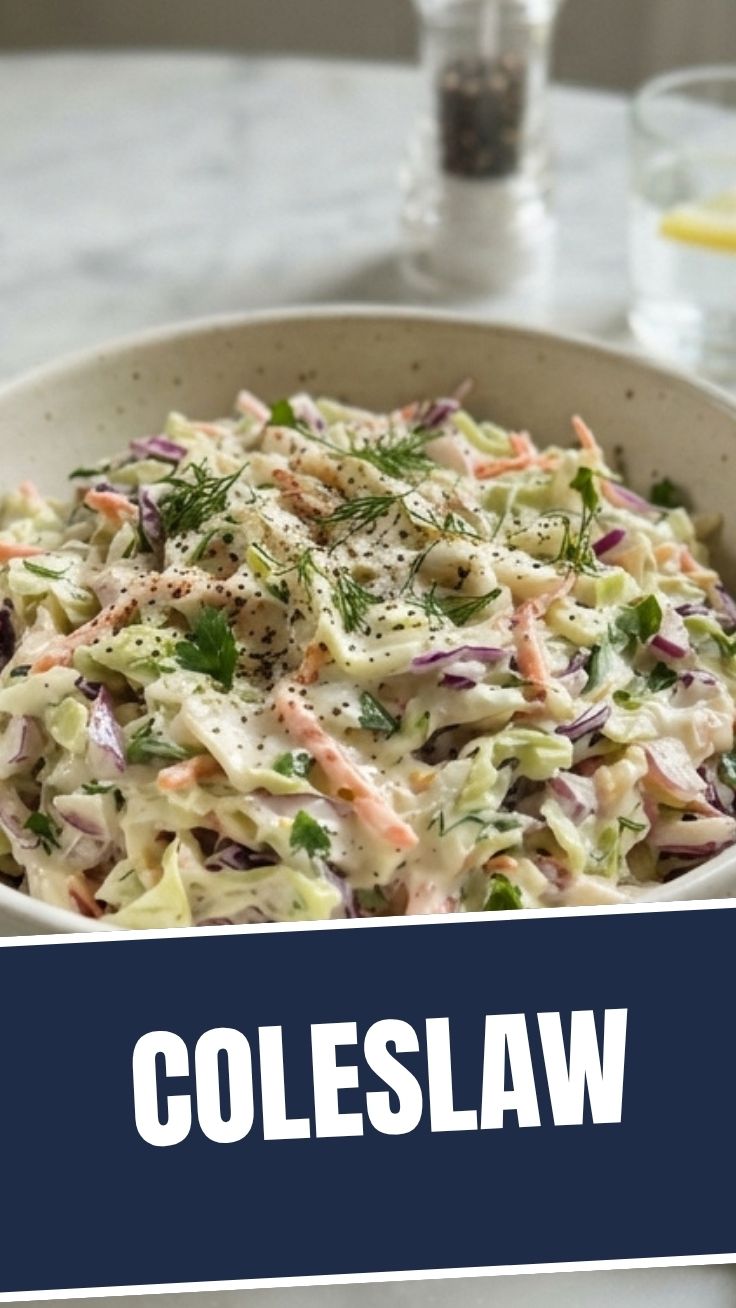
– Prep Time: 15 minutes
– Salting Time: 20–30 minutes (active: 5 minutes)
– Chill Time (optional): 30 minutes to 2 hours
– Total Minimum Time: 50 minutes
Planning Tip: For the crispiest results, salt the cabbage first and let it rest while you prepare the dressing. If making ahead, combine dressing and vegetables up to 24 hours in advance—the flavors meld beautifully overnight.
Step-by-Step Instructions
1. Prepare the cabbage: Remove outer leaves, quarter the head, and cut out the core. Shred finely using a knife or food processor. Place shredded cabbage in a colander over a bowl, sprinkle with 1 teaspoon salt, and toss. Let sit for 20–30 minutes. This draws out excess moisture—the #1 secret to non-soggy Coleslaw.
2. Rinse and dry: After salting, rinse cabbage under cold water to remove excess salt. Squeeze handfuls in a clean kitchen towel to remove as much liquid as possible. Transfer to a large bowl.
3. Prepare vegetables: Grate carrots using a box grater or food processor. Thinly slice red onion (if using). Add to the cabbage along with parsley.
4. Make the dressing: In a small bowl or mason jar, whisk together mayonnaise, apple cider vinegar, Dijon mustard, sugar, celery seeds, remaining salt, and pepper. Taste and adjust—add more vinegar for tang, sugar for sweetness. This balanced coleslaw dressing coats each strand perfectly.
5. Combine and chill: Pour dressing over vegetables and toss thoroughly. Cover and refrigerate for at least 30 minutes to allow flavors to meld. Stir before serving and adjust seasoning if needed.
Pro Tip: For extra crunch, add 1/4 cup toasted sunflower seeds or chopped pecans just before serving.
Nutritional Benefits & Advantages
This coleslaw is more than just a side dish—it’s a nutritional powerhouse. Cabbage is rich in vitamin C, vitamin K, and fiber, supporting digestion and immune health. Carrots provide beta-carotene for eye health, while the dressing’s vinegar aids blood sugar regulation. Compared to store-bought versions, homemade coleslaw contains no preservatives or artificial flavors, and you control the sugar and fat content. A single serving (about 1 cup) provides roughly 150 calories, 12g fat, 8g carbs, and 2g protein.
Tips, Variations & Cooking Advice
– Creamy vs. Tangy: Increase vinegar to 3 tablespoons for a sharper dressing; add 1 tablespoon sour cream for extra creaminess.
– Asian-Inspired: Replace mayonnaise with sesame oil, rice vinegar, and soy sauce; add shredded bok choy and edamame.
– Dairy-Free/Vegan: Use vegan mayonnaise or blended silken tofu with lemon juice and mustard.
– Spicy Kick: Add 1 teaspoon sriracha or a pinch of cayenne pepper.
– Crunch Factor: Fold in 1/2 cup crushed ramen noodles, sliced almonds, or crispy bacon bits.
Common Mistakes to Avoid
– Skipping the salting step: Leads to watery coleslaw that dilutes the dressing within minutes.
– Overdressing: Start with 3/4 of the dressing; you can always add more. Too much makes the salad limp.
– Using pre-shredded cabbage: It’s often dry and chopped too coarsely; fresh shredding ensures optimal texture.
– Not chilling long enough: Flavors need at least 30 minutes to blend—overnight is even better.
– Forgetting to re-season: After chilling, taste and adjust salt, pepper, or vinegar as cold dulls flavors.
Storage & Meal Prep Tips
– Refrigeration: Store in an airtight container for up to 3–4 days. The cabbage will soften over time but remains delicious.
– Freezing: Not recommended—freezing destroys the cabbage’s crisp texture and the dressing may separate.
– Reviving leftovers: If the coleslaw seems dry after a day, add 1 tablespoon of extra dressing or a splash of vinegar and toss well.
– Meal Prep: Prepare the dressing and vegetables separately (salting and drying cabbage first). Combine up to 24 hours before serving, or toss just before eating for maximum crunch.
Conclusion
Mastering Coleslaw at home transforms an ordinary side into a crave-worthy staple that rivals any restaurant version. The key lies in salting the cabbage for crunch and balancing your coleslaw dressing to suit your taste. Whether you’re pairing it with smoked brisket, grilled burgers, or using it as a taco topping, this recipe delivers consistent, crowd-pleasing results every time. Try it this weekend—your taste buds (and dinner guests) will thank you. Share your creation using #HomemadeColeslaw and tag a friend who needs to up their side dish game!
FAQs
1. Can I use bagged coleslaw mix instead of fresh cabbage?
Yes, but expect a less crunchy result because pre-shredded cabbage is washed and dried, reducing natural crispness. If using bagged mix, skip the salting step and proceed directly to dressing.
2. How do I make coleslaw dairy-free?
Simply substitute vegan mayonnaise for regular mayonnaise. Most vegan versions work perfectly—just check for a neutral flavor. For a tangier option, use dairy-free yogurt blended with lemon juice.
3. My coleslaw turned out watery—what went wrong?
Most likely, you skipped salting the cabbage or didn’t squeeze out enough moisture. Next time, salt for at least 20 minutes and press firmly with a towel. You can also add 1 tablespoon of chia seeds to absorb excess liquid.
4. Can I make this coleslaw spicy?
Absolutely! Add 1–2 teaspoons of prepared horseradish, a minced jalapeño, or a dash of hot sauce to the dressing. For extra heat, toss in sliced banana peppers or crushed red pepper flakes.
5. How long does homemade coleslaw last in the fridge?
Properly stored in an airtight container, it stays fresh for 3–4 days. The cabbage softens over time but remains edible. Discard if you notice an off smell or slimy texture.

Coleslaw
Ingredients
Equipment
Method
- In a large bowl, combine the shredded cabbage and carrots.
- In a separate small bowl, whisk together mayonnaise, apple cider vinegar, sugar, salt, and pepper until smooth.
- Pour the dressing over the cabbage mixture and toss well to coat all ingredients evenly.
- Cover the bowl and refrigerate for at least 30 minutes before serving to allow the flavors to meld.