The Ultimate Guide to Perfectly Roasted Brussels Sprouts: A Healthy Dinner Revelation
Have you ever wondered why restaurant-quality Brussels sprouts taste so impossibly good—crispy on the outside, tender on the inside, with a caramelized depth that makes you forget you’re eating vegetables? The secret isn’t complicated culinary technique or proprietary ingredients. It’s about mastering the art of heat management, oil distribution, and seasoning timing. When you learn how to make elevated Roasted Brussels Sprouts at home, you unlock a versatile side dish that transforms humble cruciferous vegetables into a crave-worthy centerpiece. This recipe is also part of my curated collection of healthy dinner recipes that prove nutritious eating doesn’t mean sacrificing flavor. By preparing this dish yourself, you control the quality of ingredients, reduce excess sodium and unhealthy fats commonly found in restaurant versions, and master a technique that works beautifully for weekly meal prep.
Ingredients & Kitchen Tools
For the Roasted Brussels Sprouts:
– 1½ pounds fresh Brussels sprouts (look for firm, bright green sprouts with tightly packed leaves; smaller sprouts tend to be sweeter)
– 3 tablespoons extra-virgin olive oil (avocado oil works as a neutral substitute; avoid using too much oil to prevent soggy texture)
– 3 cloves garlic, minced (use a microplane for paste-like consistency; jarred minced garlic works but use 1½ teaspoons)
– ½ teaspoon fine sea salt (kosher salt requires slightly more; flaky salt is best for finishing)
– ¼ teaspoon freshly ground black pepper
– 2 tablespoons balsamic vinegar (optional but recommended for glaze; reduce by simmering 5 minutes for thicker consistency)
Kitchen Tools:
– Large rimmed baking sheet (heavy-duty aluminum or stainless steel prevents warping at high heat)
– Sharp chef’s knife and cutting board
– Mixing bowl (stainless steel conducts cold well for cooling roasted sprouts)
– Tongs or spatula for flipping
– Paper towels for drying sprouts thoroughly (critical for achieving crispiness)
Optional Substitutions:
– Add 2 tablespoons maple syrup for sweetness; reduce roasting temperature by 25°F to prevent burning
– Substitute Parmesan cheese (shredded, ¼ cup) added during last 5 minutes of roasting for umami boost
Prep Time & Cooking Schedule
– Prep Time: 15 minutes (includes washing, trimming, halving, and mixing)
– Cook Time: 25–30 minutes at 400°F (200°C)
– Resting Time: 5 minutes after roasting (allows internal steam to equalize; sprouts continue cooking slightly)
– Total Time: Approximately 45 minutes
Timing Context: This recipe works beautifully for weeknight dinners because you can prep the Brussels sprouts up to 24 hours in advance (store trimmed, halved sprouts in an airtight container in the refrigerator). The active cooking window is just 30 minutes, during which you can prepare a protein like grilled chicken or seared salmon. For best texture, avoid overcrowding the baking sheet—use two sheets if necessary, rotating them halfway through cooking.
Step-by-Step Instructions
1. Preheat and Prepare: Position your oven rack in the middle position and preheat to 400°F (200°C). While the oven heats, rinse Brussels sprouts under cold water and pat thoroughly dry with paper towels—moisture is the enemy of crispiness.
2. Trim and Halve: Using a sharp chef’s knife, trim the tough stem ends (about ⅛ inch), removing any yellow or wilted outer leaves. Cut each sprout vertically through the stem end into halves. For larger sprouts (diameter over 1½ inches), quarter them to ensure even cooking.
3. Season Strategically: In your mixing bowl, combine halved sprouts with olive oil, minced garlic, salt, and pepper. Toss with your hands until every cut surface is coated—this ensures even caramelization. Here’s where temperature control matters: adding vinegar now can prevent browning, so reserve balsamic for the final 5 minutes if using.
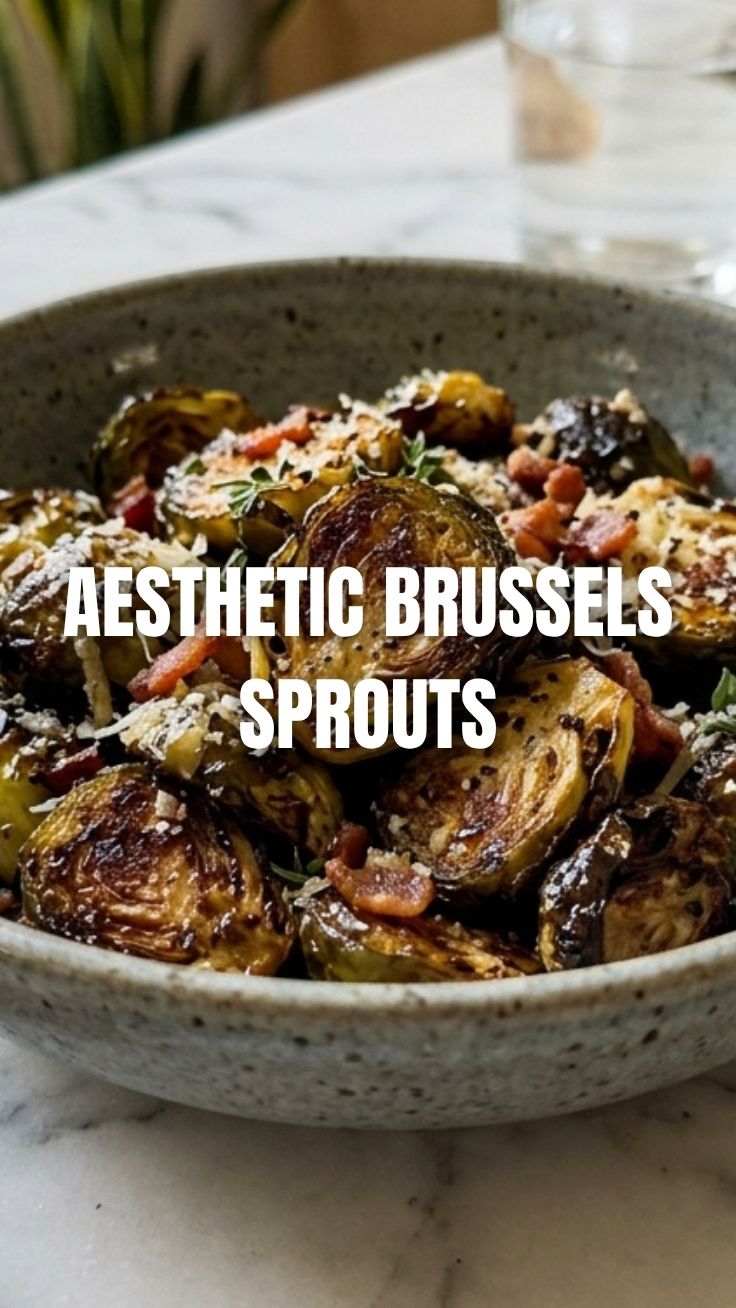
4. Arrange for Maximum Crispiness: Spread sprouts in a single layer on your baking sheet, cut-side down. This maximizes contact with the hot pan surface, creating deep golden-brown caramelization. Leave space between each sprout—overcrowding traps steam and produces soggy results. These Roasted Brussels Sprouts achieve their signature texture precisely because of this arrangement technique.
5. Roast Without Disturbing: Place the sheet in the oven and roast undisturbed for 15 minutes. This initial period allows the cut surfaces to develop a crust. After 15 minutes, use tongs to flip each sprout carefully. Return to the oven for another 10–15 minutes, checking at the 10-minute mark for your desired doneness. The sprouts are ready when they’re deeply caramelized on the outside—look for dark brown edges and a fork-tender interior that yields easily. This step demonstrates why mastering healthy dinner recipes like this one requires patience rather than complicated techniques.
6. Finishing Touch: If using balsamic vinegar or maple syrup, drizzle over the sprouts during the last 5 minutes of roasting. Remove from the oven and let rest on the baking sheet for 5 minutes—this allows the residual heat to complete cooking while the exterior stays crisp.
Nutritional Benefits & Advantages
Brussels sprouts are nutritional powerhouses that justify their place in any health-conscious kitchen. One cup (156g) provides:
– Fiber: 4 grams (16% daily value)—supports digestive health and blood sugar regulation
– Vitamin C: 97% daily value—immune-supporting antioxidant that’s also essential for collagen production
– Vitamin K: 195% daily value—critical for bone health and blood clotting
– Folate: 23% daily value—especially important for cell division and DNA synthesis
– Sulforaphane: A glucosinolate compound studied for its anti-cancer properties; roasting preserves more of this compound than boiling
This preparation method uses olive oil rich in monounsaturated fats and polyphenol antioxidants, which enhance absorption of fat-soluble vitamins A and K. By roasting rather than frying, you avoid excessive calorie intake while maximizing nutritional retention. The garlic addition provides allicin, a sulfur compound with antimicrobial and cardiovascular benefits.
Tips Variations & Cooking Advice
Flavor Variations:
– Spicy Honey-Lime: Toss roasted sprouts with 1 tablespoon honey, juice of half a lime, and ½ teaspoon red pepper flakes
– Asian-Inspired: Replace olive oil with sesame oil, add 1 tablespoon soy sauce and 1 teaspoon gochujang (Korean chili paste)
– Herb & Lemon: Add 2 tablespoons fresh thyme leaves and lemon zest before roasting
Cooking Method Alternatives:
– Air Fryer: Cook at 375°F for 12–15 minutes, shaking basket halfway through
– Sheet Pan Meal: Add quartered sweet potatoes and chicken thighs to the same pan; adjust cooking time to 35–40 minutes
– Grilled: Thread halved sprouts onto skewers or use a grill basket; cook over medium heat 10–12 minutes, turning occasionally
Dietary Adaptations:
– Gluten-Free: Naturally gluten-free; verify balsamic vinegar labels (most are gluten-free)
– Dairy-Free: Skip Parmesan variations; use nutritional yeast for umami
– Low-FODMAP: Limit garlic to one clove; use garlic-infused oil for flavor without fructans
Common Mistakes to Avoid
1. Overcrowding the Pan: Sprouts release moisture as they cook. If packed together, they steam instead of roast. Solution: Use two baking sheets if needed, or roast in batches.
2. Insufficient Drying: Water on the surface creates steam before the oil can conduct heat. Solution: After washing, spread sprouts on a clean kitchen towel for 10 minutes, then pat dry.
3. Skipping the Flip: One-sided caramelization leaves the other side pale and undercooked. Solution: Flip precisely at 15 minutes; use a thin metal spatula to avoid disturbing crust.
4. Adding Acid Too Early: Vinegar or lemon juice inhibits browning by lowering the surface pH. Solution: Add acidic ingredients during the last 5 minutes or as a finishing drizzle.
5. Using Cold Sprouts: Straight-from-refrigerator sprouts take longer to cook and may burn on the outside before cooking through. Solution: Let trimmed sprouts sit at room temperature for 20 minutes before roasting.
Storage & Meal Prep Tips
Refrigeration:
– Store cooled roasted Brussels sprouts in an airtight container lined with paper towels (absorbs excess moisture)
– Keeps fresh for 3–4 days
– To reheat: Spread on a baking sheet, bake at 375°F for 8–10 minutes until crisp; avoid microwaving (makes them rubbery)
Freezing:
– Freeze in a single layer on a parchment-lined baking sheet until solid (about 2 hours)
– Transfer to freezer-safe bags or containers; remove as much air as possible
– Best within 2 months for optimal texture
– Reheat from frozen: Bake at 400°F for 15–18 minutes directly on a baking sheet; no need to thaw
Meal Prep Strategy:
– Roast a double batch on Sunday for use throughout the week
– Add cold roasted sprouts to salads, grain bowls, or wraps (they stay crisp for 1–2 days in salads)
– Reheat in an air fryer at 350°F for 5 minutes for near-fresh texture
Conclusion
Mastering the art of roasting Brussels sprouts transforms what could be a side dish into a culinary highlight that belongs in any repertoire of healthy dinner recipes. The technique is surprisingly simple—proper heat management, thorough drying, and patience during the initial roasting phase make all the difference. These Roasted Brussels Sprouts prove that healthy eating doesn’t require complicated preparations or expensive ingredients. By following these steps, you consistently achieve that elusive combination of crispy caramelized exteriors and tender interiors that makes everyone reach for seconds. I encourage you to experiment with the suggested variations and discover your family’s favorite version. Share your results in the comments below—what flavor combination surprised you most?
FAQs
Q: Can I use frozen Brussels sprouts for roasting?
A: Yes, but they won’t achieve the same level of crispiness because freezing breaks down cell walls, releasing more moisture. Thaw completely, pat extremely dry, and increase oven temperature to 425°F for the final 5 minutes to encourage browning.
Q: Why are my Brussels sprouts bitter?
A: Bitterness can result from overcooking (sulfur compounds release unpleasant flavors) or from using older sprouts. Choose small-to-medium sprouts (1–1½ inches diameter) for sweeter flavor, and add a small amount of honey or maple syrup to balance bitterness.
Q: How do I know when Brussels sprouts are fully cooked?
A: Insert a paring knife or fork into the center of a large sprout. It should slide in with little resistance but still encounter slight firmness (not mushy). The exterior should be deep golden brown with some darker caramelized spots—this is where the flavor concentrates.
Q: Can I make this recipe oil-free?
A: Omit oil and roast at 375°F on parchment paper. Sprouts will be softer and less caramelized. For flavor, toss cooked sprouts with a tablespoon of tahini mixed with lemon juice. The texture won’t match the original, but the taste remains excellent.
Q: What should I serve with roasted Brussels sprouts?
A: They pair beautifully with roasted chicken thighs, grilled salmon, seared steak, or as a topping for grain bowls with quinoa and tahini dressing. For vegetarian meals, serve alongside lentil meatballs or stuffed portobello mushrooms.
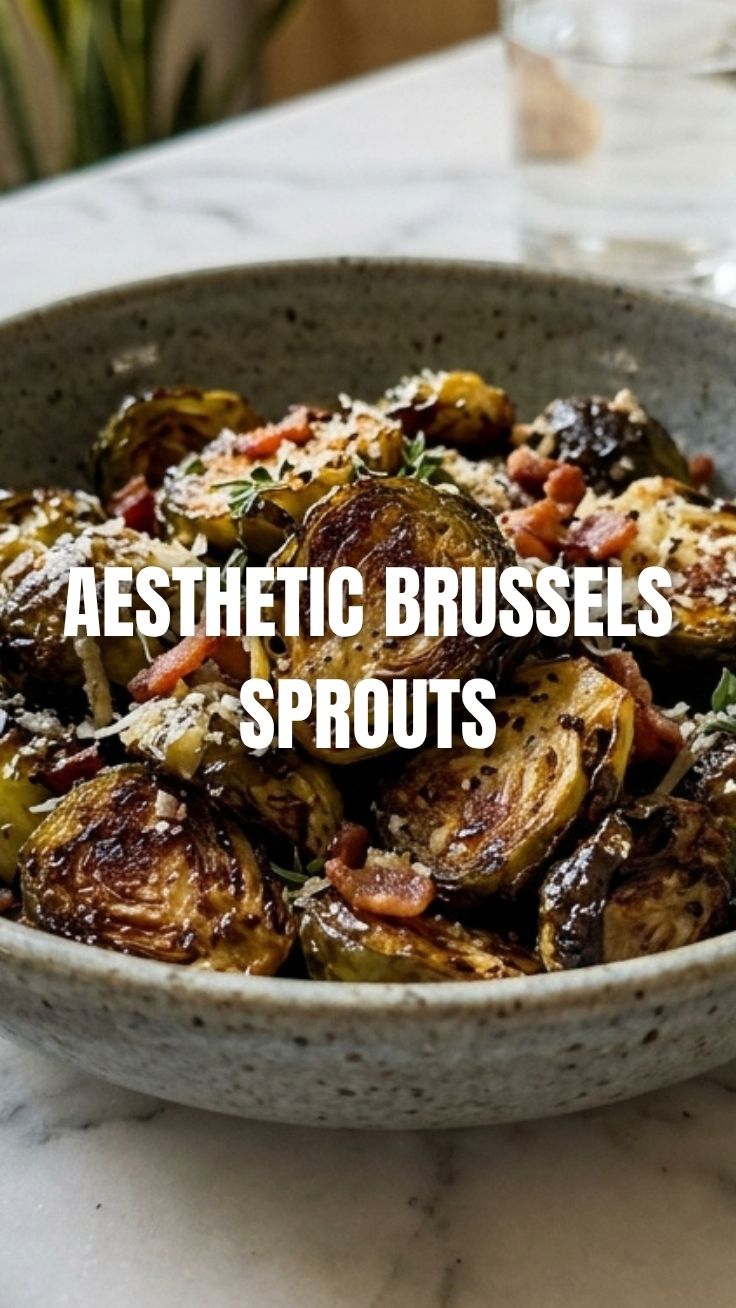
Roasted Brussels Sprouts
Ingredients
Equipment
Method
- Preheat your oven to 400°F (200°C) and prepare a baking sheet with parchment paper.
- In a large bowl, combine the halved Brussels sprouts with olive oil, salt, and pepper, ensuring they are well coated.
- Spread the seasoned Brussels sprouts in a single layer on the prepared baking sheet.
- Roast for 20-25 minutes, or until tender and caramelized with crispy edges.
- Remove from the oven and serve immediately as a delicious side dish.