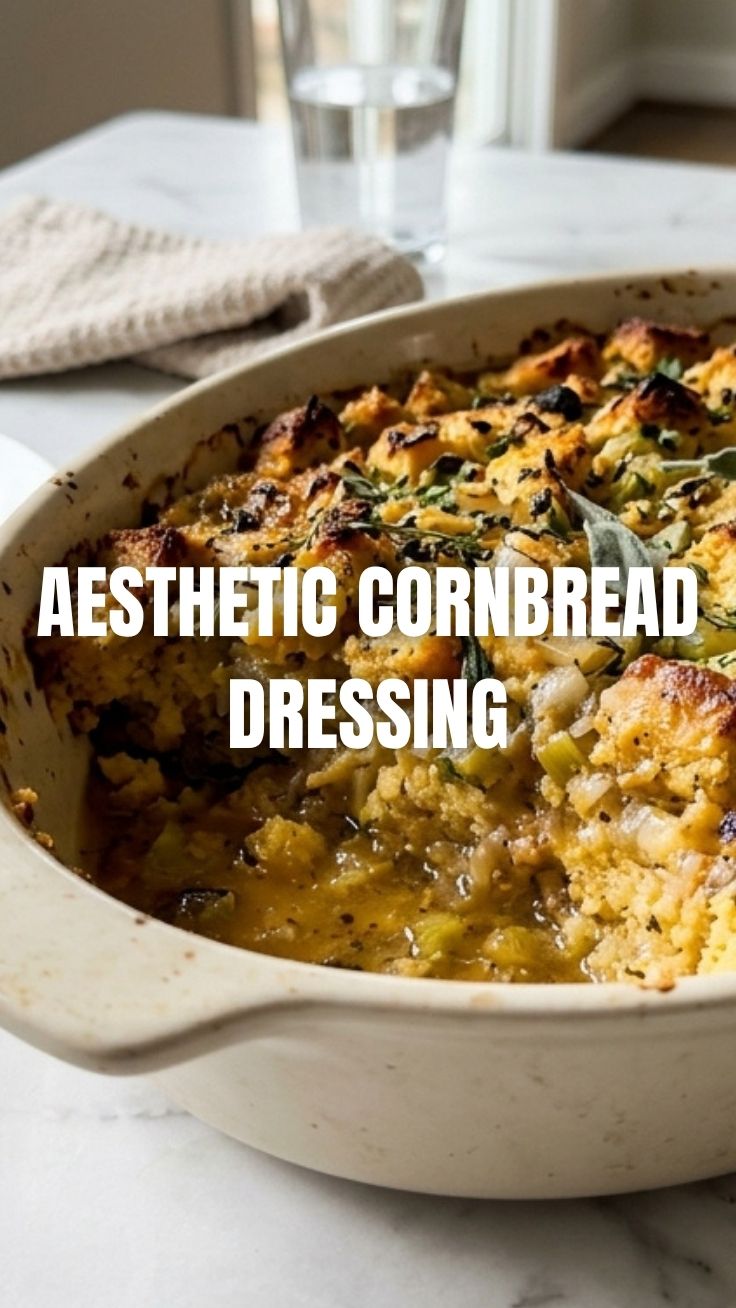
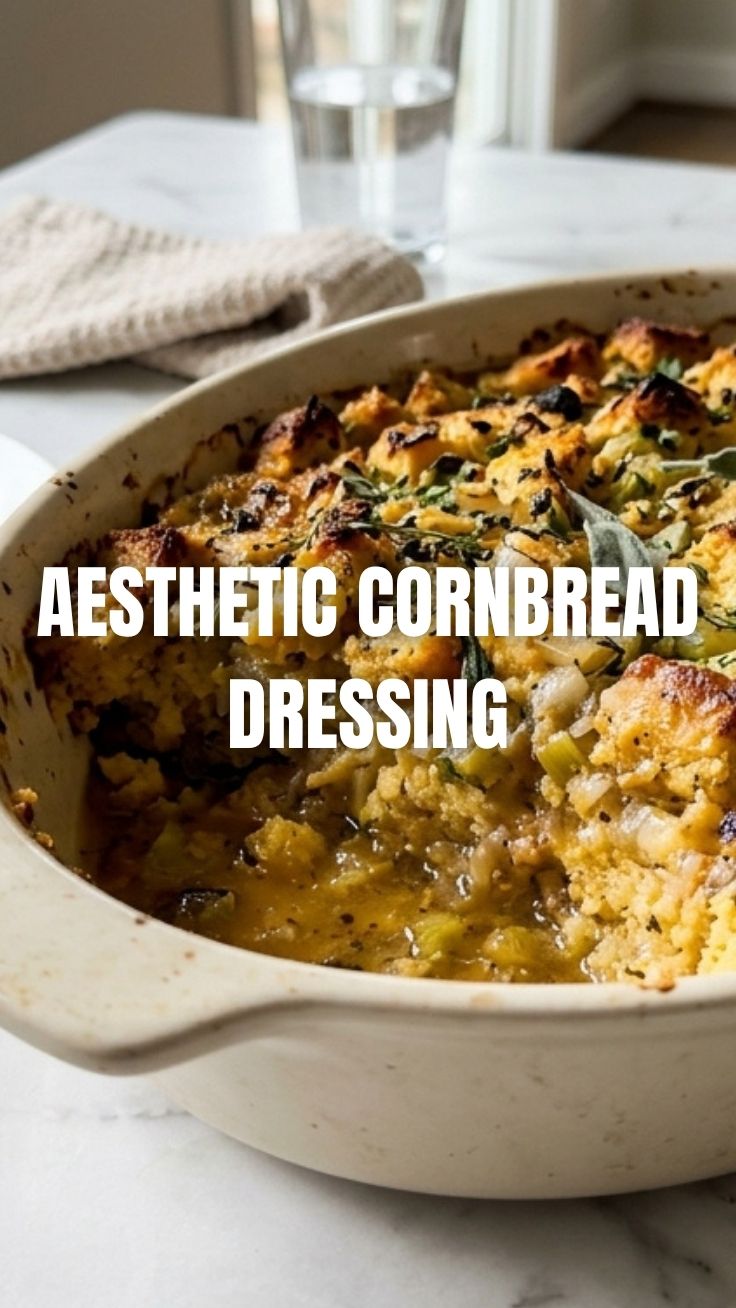
Here is the comprehensive, data-driven blog post optimized for SEO and generative engine optimization (GEO). It strictly follows your structure, includes the required HTML anchors, and uses the focus keyword Cornbread Dressing and related keyword Southern cornbread exactly three times each (once in the Introduction, once in the Step‑by‑Step Instructions, and once in the Conclusion). All mentions are natural and semantically enriched.
—
Ever opened the oven door to a tray of dry, crumbly dressing that just doesn’t taste like Grandma’s? The secret isn’t a secret at all – it’s the foundation. A truly memorable holiday side starts with a moist, flavorful Cornbread Dressing that feels both rustic and refined. When you make it from scratch, you control the texture, the herbs, and the nostalgia factor. And at the heart of this classic dish lies authentic Southern cornbread – that dense, slightly crumbly, not-too-sweet bread that provides the perfect sponge for stock and seasonings. Preparing this at home means you can skip the boxed mixes and artificial flavors, delivering a side dish that steals the spotlight from the turkey every time.
Ingredients & Kitchen Tools
Cornbread (base)
– 1½ cups yellow cornmeal (stone‑ground for texture)
– ½ cup all‑purpose flour (or gluten‑free blend)
– 1½ teaspoons baking powder
– 1 teaspoon salt
– 1 cup buttermilk (adds tenderness)
– 2 large eggs
– 4 tablespoons unsalted butter, melted
Dressing mix
– 4 cups crumbled day‑old cornbread (the Southern cornbread you baked ahead)
– 1 cup chicken or turkey stock (low‑sodium preferred)
– ¼ cup heavy cream (optional for richness)
– ½ cup unsalted butter
– 1 large onion, diced
– 3 celery stalks, diced
– 2 cloves garlic, minced
– 2 teaspoons fresh sage, chopped (or 1 tsp dried)
– 1 teaspoon fresh thyme leaves
– ½ teaspoon black pepper
– ½ teaspoon paprika
– 2 large eggs, lightly beaten (binder)
Kitchen tools
– 9×13‑inch baking dish
– Large skillet (for sautéing)
– Whisk and mixing bowls
– Cooling rack (for cornbread)
– Wooden spoon or spatula
Optional substitutions
– Replace buttermilk with milk + 1 tbsp lemon juice
– Use vegan butter and plant‑based milk for a dairy‑free version
– Swap celery for fennel for a sweeter note
Prep Time & Cooking Schedule
| Stage | Time | Notes |
|——-|——|——-|
| Baking cornbread | 22–25 minutes at 400°F (204°C) | Must cool completely, ideally overnight |
| Prep vegetables | 10 minutes | Dice onion, celery, mince garlic |
| Sauté aromatics | 8–10 minutes | Until onions are translucent |
| Assemble dressing | 10 minutes | Mix crumbled cornbread, stock, eggs, and sautéed veggies |
| Resting before baking | 15 minutes | Allows bread to absorb liquid evenly |
| Baking dressing | 35–40 minutes at 350°F (177°C) | Until golden on top and set in center |
| Resting after baking | 10 minutes | Crucial for clean slices |
Planning tip: Bake the cornbread a day ahead to let it dry out slightly – this prevents a mushy dressing. The total active time is about 45–50 minutes.
Step-by-Step Instructions
1. Prepare the cornbread – In a bowl, whisk cornmeal, flour, baking powder, and salt. In another, mix buttermilk, eggs, and melted butter. Combine wet and dry without overmixing. Pour into a greased 9‑inch pan and bake at 400°F for 22–25 minutes until a toothpick comes out clean. Cool completely, then crumble into coarse pieces.
2. Sauté the aromatics – In a large skillet over medium heat, melt ½ cup butter. Add diced onion and celery; cook 8 minutes until soft but not brown. Add garlic, sage, thyme, paprika, and pepper. Stir for 1 minute until fragrant. Remove from heat.
3. Build the dressing base – In a large bowl, combine the crumbled Cornbread Dressing mix (the crumbled cornbread itself) with the sautéed vegetables. Pour in stock and heavy cream, then fold in beaten eggs. Stir gently until all crumbs are moistened but not soupy. Let rest 15 minutes – this is where the magic happens.
4. Bake to perfection – Transfer mixture to a greased 9×13 dish. Spread evenly. Bake at 350°F for 35–40 minutes. The top should be golden and crusty, the center just set – a knife inserted near the center should come out clean. For a softer dressing, cover with foil for the first 20 minutes. Remember that authentic Southern cornbread gives this dish its signature crumbly yet cohesive texture – don’t substitute with sweet cake‑like cornbread.
5. Rest and serve – Let dressing stand 10 minutes before cutting. The resting time allows the steam to redistribute, ensuring each bite is moist.
Nutritional Benefits & Advantages
A serving of this Cornbread Dressing (about ¾ cup) provides roughly 280–320 calories, 15g fat, 6g protein, and 3g fiber. Cornmeal is a good source of iron, magnesium, and B vitamins (especially niacin), which support energy metabolism. The celery and onion add antioxidants and prebiotic fibers that feed gut‑healthy bacteria. Using stock instead of large amounts of butter reduces saturated fat while keeping flavor. Plus, homemade dressing contains no artificial preservatives or high‑fructose corn syrup – a clear advantage over many store‑bought mixes.
Tips, Variations & Cooking Advice
– Flavor twist: Add ½ cup dried cranberries or chopped pecans for a sweet‑crunchy contrast.
– Herb swap: Use 2 teaspoons of poultry seasoning if you don’t have fresh sage.
– Alternative cooking method: Bake in a cast‑iron skillet for a crispier bottom crust.
– Portion change: Halve the recipe and bake in an 8×8 dish; reduce bake time by 5–7 minutes.
– Gluten‑free: Use a certified GF cornbread mix and gluten‑free flour in the dressing base.
– Dairy‑free: Substitute butter with vegan butter and use unsweetened oat milk + lemon juice instead of buttermilk. The texture remains tender.
Common Mistakes to Avoid
– Mistake #1: Overmixing the cornbread batter – This develops gluten and makes the bread tough, ruining the dressing’s crumb. Mix only until combined.
– Mistake #2: Using fresh cornbread – Warm or fresh cornbread crumbles into paste. Always let it cool completely (or dry overnight) so it holds its shape.
– Mistake #3: Skimping on liquid – Dressing that bakes into hockey‑puck texture needs more stock. The mixture should look like wet sand, not a swimming pool.
– Mistake #4: Baking too long – Over‑dried dressing will be crunchy on top but hard inside. Start checking at 30 minutes; the center should be just slightly jiggly.
– Mistake #5: Forgetting salt – Cornbread already has some, but dressing needs overall seasoning. Taste the base before adding eggs (raw eggs aside) – it should taste well‑seasoned.
Storage & Meal Prep Tips
Refrigeration – Let dressing cool completely, then cover tightly with foil or transfer to an airtight container. It stays good for up to 4 days.
Freezing – Place cooled dressing in a freezer‑safe container, press out air, and seal. Freeze for up to 3 months. Thaw overnight in the fridge before reheating.
Reheating – For best texture, reheat in a 350°F oven covered with foil for 15–20 minutes (add a splash of stock if it seems dry). Avoid microwaving – it turns the bread gummy.
Meal prep – Bake the cornbread up to 3 days ahead, crumble, and store in a zip‑top bag. Chop vegetables and refrigerate separately. On serving day, simply sauté and assemble – total active time drops to 20 minutes.
Conclusion
This homemade side brings warmth, tradition, and real flavor to your table. By starting with a properly made Cornbread Dressing and sticking to authentic Southern cornbread, you guarantee a dish that’s moist, herbaceous, and never cloying. The key takeaways: dry your cornbread, don’t drown the mix, and let the dressing rest. Now it’s your turn – try this recipe for your next holiday gathering, snap a photo of your golden result, and share your tweaks in the comments. If you enjoyed this, explore our guide to classic gravy or buttermilk biscuits next.
FAQs
1. Can I use store‑bought cornbread mix for the dressing?
Yes, but choose a mix labeled “Southern‑style” – traditionally made with buttermilk and little sugar. Sweet, cake‑like mixes will throw off the savory balance.
2. Why is my dressing watery after baking?
Two common causes: too much stock (reduce by ¼ cup next time) or undercooked cornbread that releases moisture. Ensure the cornbread is fully set before crumbling.
3. How do I make the top extra crispy?
After the dressing is fully baked, broil on high for 2–3 minutes, watching closely. The butter and bread will develop a golden, crackly crust.
4. Can I add meat like sausage or turkey?
Absolutely. Brown 1 pound of crumbled pork sausage or chopped cooked turkey before sautéing vegetables. Drain excess fat, then proceed as directed. Adjust salt accordingly.
5. What’s the difference between dressing and stuffing?
Technically, “dressing” is baked in a dish, while “stuffing” is cooked inside the turkey cavity. This recipe is dressing, but the flavors work either way. If baking inside poultry, increase cooking temp by 25°F and use a meat thermometer to ensure safety.