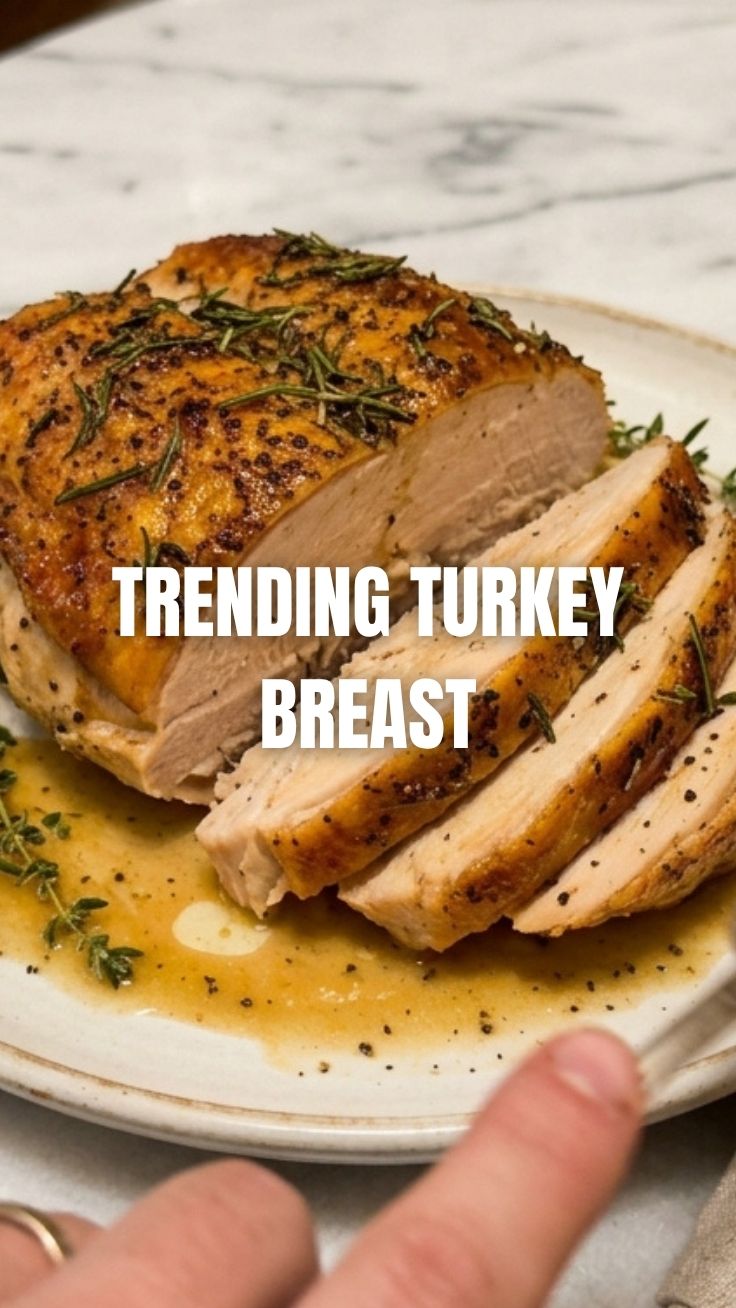
The Ultimate Guide to Perfect Turkey Breast: Juicy, Flavorful & Versatile
Have you ever pulled a roasted turkey breast out of the oven only to find it dry, bland, or unevenly cooked? You’re not alone. Mastering a moist, tender turkey breast at home is one of the most rewarding kitchen skills—it saves money, reduces waste, and lets you control every spice and cooking method. Whether you’re planning a holiday feast, a Sunday dinner, or meal prep for the week, learning to prepare a Turkey Breast from scratch unlocks endless possibilities. This recipe delivers a golden, herb-crusted exterior with succulent, juicy meat inside. And the best part? Leftovers transform into the most incredible Turkey Sandwich you’ll ever taste.
—
Ingredients & Kitchen Tools
Before you begin, gather everything you need. Having your mise en place ready prevents last-minute scrambling.
Ingredients:
– 1 bone-in, skin-on turkey breast (5–7 lbs) – yields more flavor and moisture.
– 3 tablespoons unsalted butter, softened – for basting and richness.
– 2 tablespoons olive oil – helps the seasoning adhere.
– 4 cloves garlic, minced – aromatic base.
– 1 tablespoon fresh rosemary, chopped (or 1 tsp dried) – classic poultry herb.
– 1 tablespoon fresh thyme leaves (or 1 tsp dried) – earthy undertones.
– 1 teaspoon smoked paprika – adds color and subtle smokiness.
– 1 teaspoon salt (plus more as needed) – enhances natural flavors.
– ½ teaspoon black pepper – for mild heat.
– 1 cup low-sodium chicken broth – keeps the pan moist and creates a light jus.
– Optional substitutions: swap butter with ghee for dairy-free; use turkey or vegetable broth; dried herbs work, but reduce quantity by half.
Kitchen Tools & Utensils:
– Roasting pan with rack – allows air circulation for even cooking.
– Meat thermometer (instant-read is best) – non-negotiable for doneness.
– Basting brush or spoon – for glazing.
– Aluminum foil – to tent if browning too quickly.
– Cutting board and sharp knife – for carving.
– Kitchen twine – optional, to tie legs for uniform shape.
—
Prep Time & Cooking Schedule
– Prep time: 20 minutes (including seasoning and bringing to room temperature).
– Cook time: 1 hour 30 minutes to 2 hours (depending on weight; 20 minutes per pound).
– Resting time: 20 minutes – essential for juices to redistribute.
– Total time: approximately 2 hours 40 minutes.
Plan ahead: If marinating overnight, add that time. For best results, let the turkey breast sit at room temperature for 30 minutes before roasting to ensure even cooking.
—
Step-by-Step Instructions
1. Preheat & prep the pan. Set oven to 350°F (175°C). Place rack in the lower third. Pat the turkey breast dry with paper towels – moisture is the enemy of crispy skin.
2. Make the herb butter. In a small bowl, mix softened butter, olive oil, minced garlic, rosemary, thyme, smoked paprika, salt, and pepper until well combined.
3. Season the bird. Gently loosen the skin over the breast meat with your fingers (without tearing). Spread half the herb butter directly under the skin. Rub the remaining mixture all over the outside. This technique infuses flavor into the meat while keeping the skin crispy.
4. Roast. Place the turkey breast skin-side up on the rack in the roasting pan. Pour chicken broth into the pan (not over the bird). Roast uncovered for about 1 hour 15 minutes.
5. Baste and monitor. Every 30 minutes, baste with pan juices. If the skin browns too fast, tent loosely with foil. Insert a meat thermometer into the thickest part of the breast – avoid touching bone. Target internal temperature: 160°F (71°C) – carryover cooking will bring it to 165°F.
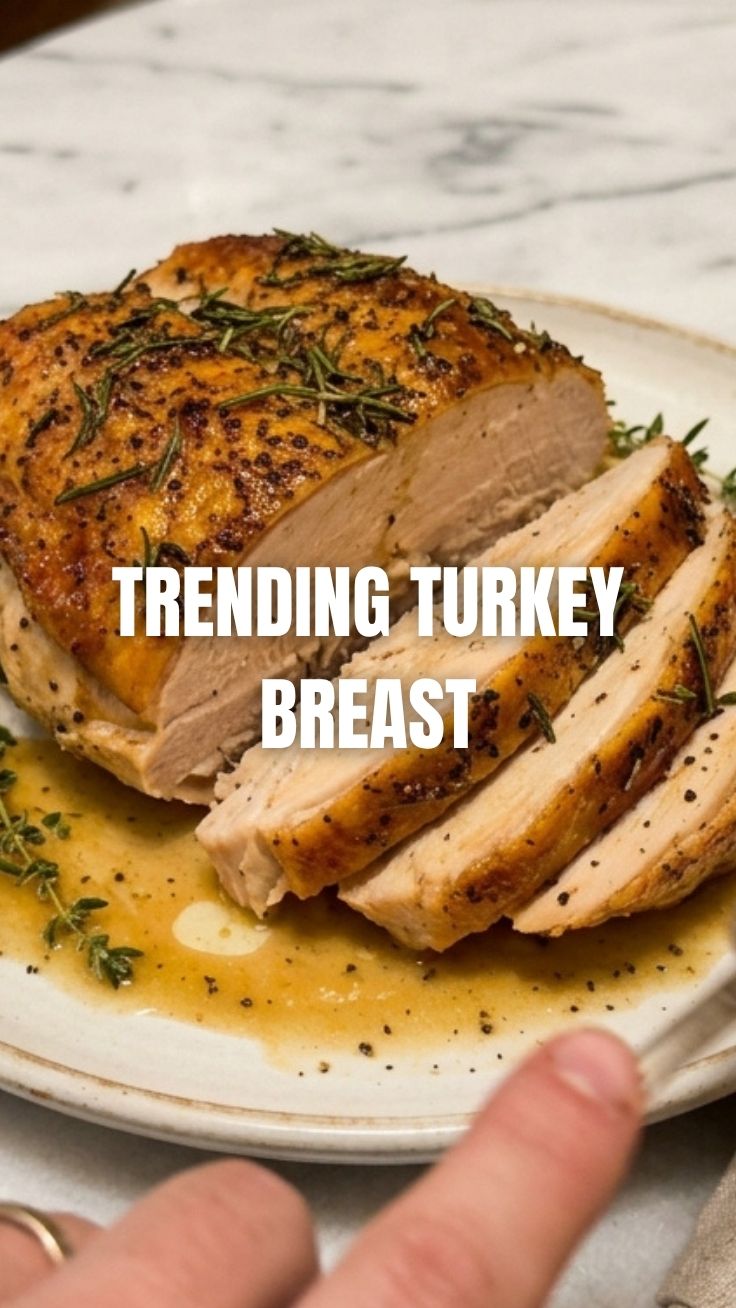
6. Rest and carve. Remove from oven, tent with foil, and rest for 20 minutes. Carve against the grain. This yields perfectly juicy slices. Use leftovers to build an exceptional Turkey Sandwich – try it with cranberry sauce and arugula on sourdough.
Temperature control tip: If your oven runs hot, reduce to 325°F after the first 30 minutes. For a crispier skin, finish under the broiler for 2–3 minutes (watch closely). Remember, cooking a Turkey Breast requires patience; rushing leads to dryness.
—
Nutritional Benefits & Advantages
Turkey breast is a lean, high-quality protein powerhouse. A 3-ounce serving provides about 25 grams of protein with only 3 grams of fat (mostly unsaturated). It’s rich in B vitamins (especially B6 and B12), selenium, and zinc – supporting energy metabolism and immune function. Because this recipe uses minimal added fat and a low-sodium broth, it’s heart-healthy and fits into balanced diets. Plus, cooking at home lets you control sodium – store-bought rotisserie birds often contain double the salt.
—
Tips, Variations & Cooking Advice
– Flavor swaps: Add orange zest to the herb butter for a citrusy twist. Or use sage and lemon for a classic Thanksgiving profile.
– Cooking methods: Instead of roasting, try a slow cooker (6–8 hours on low) or an air fryer (at 360°F for 35–40 minutes for a smaller cut).
– Portion changes: For a boneless breast, reduce cook time by 20%. For a crowd, roast two breasts side by side.
– Dietary adaptations: Gluten-free? All ingredients are naturally gluten-free. Dairy-free? Use vegan butter or olive oil instead of butter.
– Make it a meal: Roast vegetables (carrots, onions, potatoes) in the same pan during the last 45 minutes.
—
Common Mistakes to Avoid
– Skipping the rest step: Cutting immediately releases all juices – meat becomes chalky. Always rest at least 20 minutes.
– Overcooking: Rely on a thermometer, not the pop-up timer. Remove at 160°F – carryover heat finishes the job.
– Undersalting: Turkey needs generous seasoning. Don’t be shy – the broth will balance the final dish.
– Basting too often: Opening the oven door repeatedly drops temperature, extending cook time. Baste twice max unless necessary.
– Using a cold bird: Roasting straight from the fridge leads to uneven cooking. Always temper for 30 minutes.
—
Storage & Meal Prep Tips
– Refrigeration: Store leftover carved meat in an airtight container with a little pan juice or broth to keep moist. Use within 4 days.
– Freezing: Slice and wrap tightly in plastic wrap then foil, or vacuum seal. Freeze for up to 3 months. Thaw overnight in fridge.
– Reheating: To avoid drying, place slices in a skillet with a splash of broth, cover, and warm over low heat. Alternatively, microwave on 50% power in 30-second bursts. Perfect for that Turkey Sandwich the next day.
– Meal prep: Roast on Sunday, portion into containers with roasted veggies and quinoa for easy lunches.
—
Conclusion
Mastering a tender, flavorful Turkey Breast at home is easier than you think when you follow these science-backed steps. The key is a well-seasoned herb butter, precise temperature control, and a mandatory rest. Not only will you impress guests, but you’ll also have incredible leftovers to craft the perfect Turkey Sandwich—layered with cranberry relish and crisp greens on toasted bread. Give this recipe a try, share your results in the comments, and explore our other poultry guides for more inspiration.
—
FAQs
1. Can I use a boneless turkey breast?
Absolutely. Boneless cooks faster (about 15 minutes per pound). Adjust your thermometer target: still remove at 160°F. The herb butter can be spread directly on the meat since there’s no skin to lift.
2. My turkey breast is dry—how can I fix it next time?
Likely causes: overcooking or insufficient basting. Use a thermometer religiously, and add more broth to the pan. Also, brining the bird overnight (in a salt-sugar solution) dramatically increases moisture retention.
3. Can I make this recipe gluten-free?
Yes! All ingredients listed are naturally gluten-free. Just double-check your broth label (some brands add wheat). Serve with roasted potatoes or a wild rice pilaf.
4. How do I get extra crispy skin?
Pat the skin very dry before seasoning, and start roasting at 375°F for the first 15 minutes, then lower to 350°F. Or finish under the broiler for 2–3 minutes after reaching proper internal temperature.
5. Can I use frozen turkey breast?
Thaw completely in the refrigerator (24 hours per 4–5 lbs) before cooking. Do not roast frozen—you’ll end up with raw centers and overcooked edges.