I will generate a comprehensive WordPress blog post following your strict formatting, keyword placement, and linking instructions.
—
The Ultimate Guide to Crafting a Classic Greek Salad at Home
Have you ever wondered why a simple bowl of fresh vegetables can taste so much better at a taverna in Athens than anywhere else? The secret lies not just in the ingredients but in the philosophy of eating well. Preparing a vibrant Greek Salad at home is more than a meal—it’s an invitation to embrace a lifestyle rooted in fresh, whole foods. This dish celebrates the core principles of the Mediterranean diet, where quality ingredients like ripe tomatoes, creamy feta, and briny olives create harmony on a plate. Making it yourself lets you control every element, from the ripeness of the produce to the perfect balance of tangy dressing. Whether you’re new to this classic or a seasoned cook, this guide will help you build a salad that’s both authentic and adaptable to your kitchen.
Ingredients & Kitchen Tools
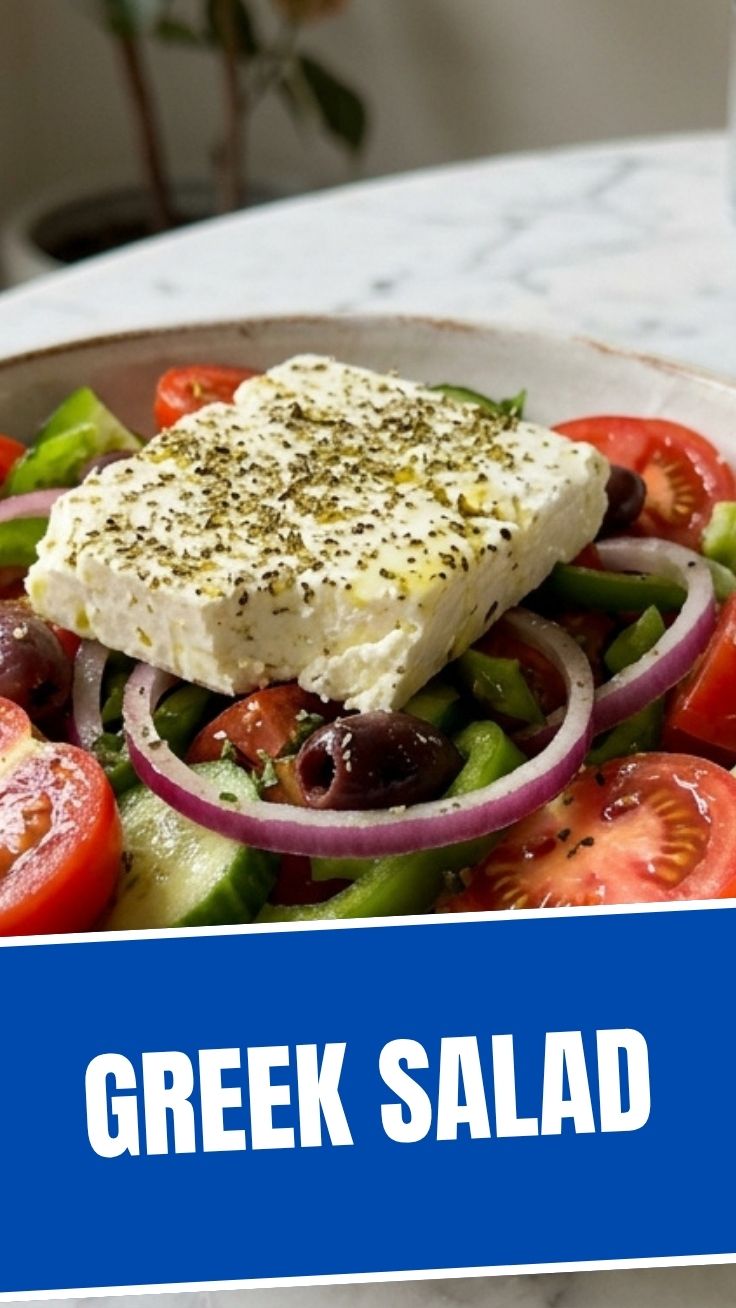
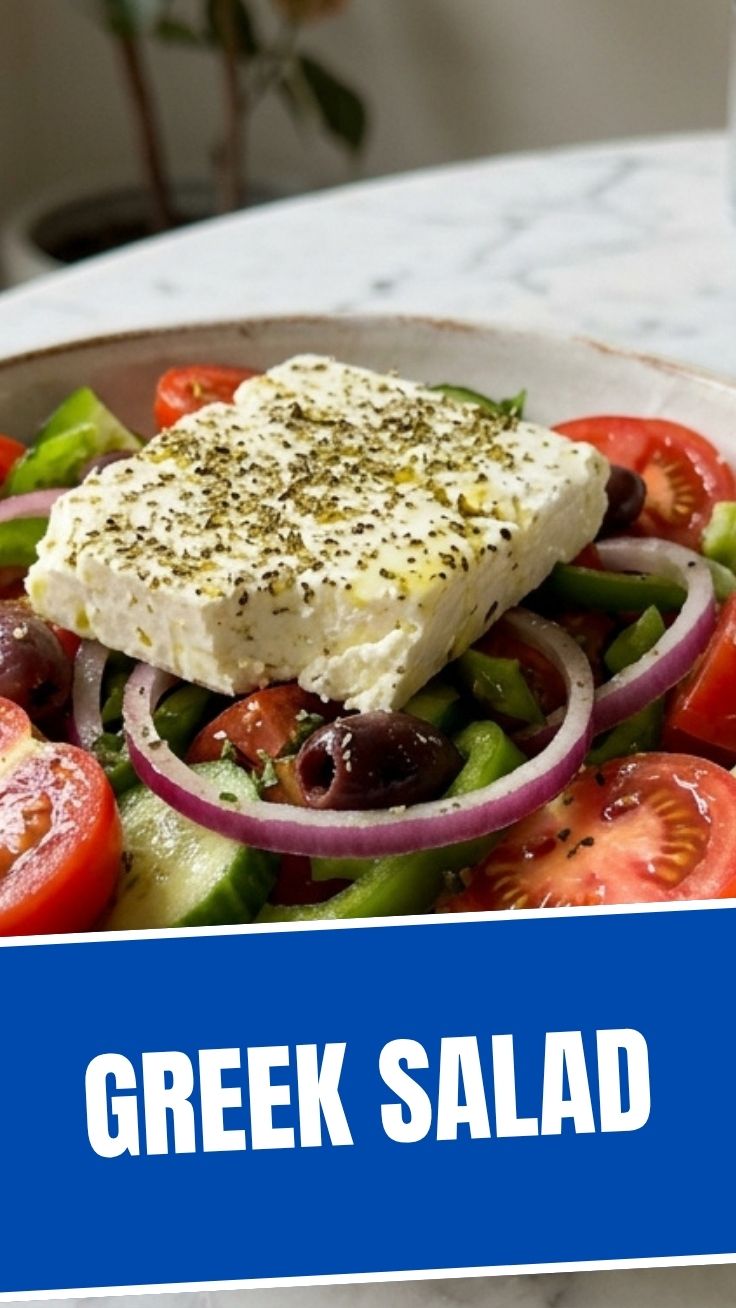
To assemble a flawless Greek Salad (Horiatiki), you need minimal but high-quality components. Each item plays a role in texture and flavor.
Ingredients:
– 4 large ripe tomatoes – Use beefsteak or Roma for meaty texture; vine-ripened if possible.
– 1 English cucumber – Less watery than standard cucumbers; peel partially if skin is thick.
– 1 medium red onion – Thinly sliced; soak in cold water 10 minutes to mellow sharpness.
– 1 green bell pepper – Adds crunch; seeds removed and sliced into rings.
– 200g feta cheese – Use a block, not crumbled; preferably sheep’s milk for creaminess.
– ½ cup Kalamata olives – Pitted, but whole olives retain more flavor.
– 3 tablespoons extra virgin olive oil – Look for peppery, grassy notes.
– 1 tablespoon red wine vinegar – Substitute lemon juice for a brighter tang.
– 1 teaspoon dried oregano – Greek oregano preferred; rub between palms to release oils.
– Flaky sea salt and black pepper – Season to taste.
Kitchen Tools:
– Large cutting board
– Chef’s knife (8-inch)
– Mixing bowl (wide and shallow works best)
– Vegetable peeler (optional)
– Small jar or bowl for dressing
– Serving platter or shallow bowl
Optional Substitutions:
– Dairy-free? Swap feta with marinated tofu or vegan feta.
– No red wine vinegar? Use white balsamic or lemon juice.
– Add capers for extra brininess, or fresh parsley for color.
Prep Time & Cooking Schedule
This salad requires no cooking, but timing matters for peak flavor.
– Prep time: 15 minutes
– Resting time: 10–15 minutes (optional but recommended)
– Total time: 25–30 minutes
Context for planning: Chop vegetables while the onion soaks. Prepare the dressing, then toss everything together. Letting the salad rest for 10 minutes allows the flavors to meld slightly without making the tomatoes watery. Serve immediately after resting or within 1 hour.
Step-by-Step Instructions
1. Prep the vegetables. Cut tomatoes into wedges (about 6 wedges per large tomato). Cucumber: quarter lengthwise, then slice into 1-inch chunks. Thinly slice red onion and soak in ice water for 10 minutes. Slice bell pepper into thin rings.
2. Assemble the base. On a large platter or in a wide bowl, arrange tomatoes, cucumber, bell pepper, and drained onion. Don’t overmix—keep the pieces visible.
3. Add the feta and olives. Place the whole feta block on top of the vegetables (or break into large chunks). Scatter Kalamata olives around.
4. Make the dressing. In a small jar, combine olive oil, red wine vinegar, dried oregano, salt, and pepper. Shake vigorously.
5. Dress and rest. Drizzle dressing evenly over the salad. Let it sit at room temperature for 10–15 minutes. This short rest allows the vegetables to absorb the vinaigrette without becoming soggy.
6. Finish and serve. Sprinkle a pinch of extra oregano and flaky sea salt just before serving. Do not toss—serve as is, allowing each person to mix their portion.
Temperature control tip: Keep all ingredients at room temperature (not chilled) to maximize flavor. Cold oils and tomatoes mute the taste.
Texture cue: The feta should be creamy, not crumbly. If using a hard feta, let it sit in olive oil for 30 minutes before serving.
Seasoning adjustment: Taste a tomato wedge dipped in dressing—if tomatoes are acidic, add a pinch of sugar to the dressing.
Remember that every authentic Greek Salad respects the quality of its ingredients. This dish naturally fits the Mediterranean diet by emphasizing vegetables, healthy fats, and minimal processing.
Nutritional Benefits & Advantages
This salad is a powerhouse of heart-healthy nutrients. Tomatoes provide lycopene (linked to reduced cancer risk) and vitamin C. Cucumber offers hydration and silica for skin health. Olive oil, rich in monounsaturated fats, supports brain function and reduces inflammation. Feta cheese delivers calcium and protein, while olives contribute antioxidants and healthy fats. The entire dish is naturally low-carb, gluten-free, and vegetarian. Following a Mediterranean diet pattern with meals like this one has been associated with lower rates of chronic disease, improved digestion, and better weight management.
Tips Variations & Cooking Advice
– Flavor variations: Add fresh mint or basil for a twist. Include artichoke hearts or roasted red peppers.
– Ingredient swaps: Use green olives instead of Kalamata for a milder brine. Substitute white onion for red if needed.
– Portion changes: Double the feta for a protein-heavy meal, or add chickpeas for fiber.
– Dietary adaptations: For vegan version, omit feta and use avocado chunks or marinated tofu. For low-sodium, rinse olives and use less salt.
– Serving ideas: Pair with crusty whole-grain bread or serve alongside grilled fish, lamb, or quinoa.
Common Mistakes to Avoid
– Over-chopping ingredients: Large chunks preserve texture and prevent sogginess.
– Using cold tomatoes: Chilling kills flavor—always use room-temperature produce.
– Dressing too early: Adding dressing more than 20 minutes before serving makes vegetables limp.
– Crumbling feta too fine: Keep pieces large (at least 2 cm) for a creamy bite.
– Skipping the resting step: Omitting the 10-minute rest results in a flat, one-dimensional taste.
– Using dried herbs that are old: Oregano loses potency within 6 months—buy fresh dried oregano.
Storage & Meal Prep Tips
– Refrigeration: Store leftover salad (undressed) in an airtight container for up to 2 days. Add dressing only when serving.
– Freezing: Not recommended—frozen vegetables will become watery and textures will degrade.
– Reheating: Serve cold or at room temperature. Do not microwave; instead, let it sit out for 15 minutes before eating.
– Meal prep: Chop vegetables and store separately. Combine dressing in a jar. When ready to serve, assemble and dress. Feta block can remain whole and unwrapped in the fridge for 3 days; wrap in parchment.
Conclusion
Crafting a Greek Salad at home is about honoring simplicity—fresh vegetables, good olive oil, and a few quality accents. This recipe embodies the core of the Mediterranean diet: eating whole foods in their natural state for maximum flavor and nutrition. Now that you understand the techniques and timing, give it a try with your favorite seasonal tomatoes. Share your creation with us in the comments, and explore our other Mediterranean-inspired dishes for more vibrant meals.
FAQs
1. Can I make Greek Salad ahead of time?
Yes, but keep the dressing separate. Combine vegetables and feta up to 4 hours ahead, then dress just before serving to avoid sogginess.
2. What type of feta is best?
Authentic Greek feta made from sheep’s milk or a blend of sheep and goat milk has a creamy, tangy flavor. Avoid pre-crumbled feta, which often contains anti-caking agents.
3. Why does my salad taste watery?
Tomatoes release moisture when salted too early. Add salt only at the end, and ensure cucumbers are patted dry after washing.
4. Can I add lettuce or other greens?
Traditional Horiatiki does not include lettuce. For a more substantial salad, you can add arugula or romaine, but it will shift the texture away from the classic version.
5. How can I make the salad more filling for a main dish?
Add protein: grilled chicken, chickpeas, canned tuna, or extra feta. Serve with warm pita bread or rustic sourdough. The Mediterranean diet often incorporates legumes and lean protein to round out a meal.