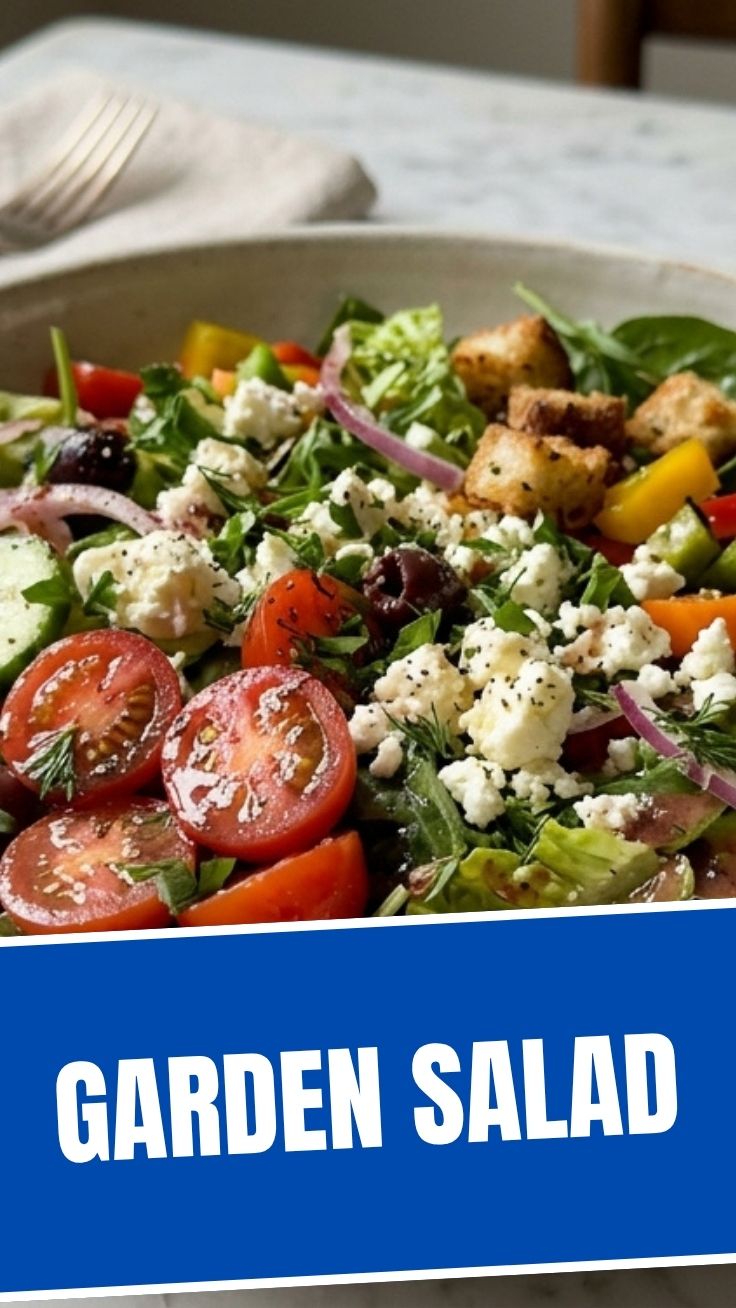
The Ultimate Guide to a Perfect Garden Salad: Fresh, Crunchy, and Bursting with Flavor
Have you ever wondered why a simple bowl of greens can taste so much better at a restaurant than at home? The secret isn’t a magic ingredient—it’s technique, timing, and the right balance of textures. When you prepare a Garden Salad from scratch, you unlock the power of peak freshness, custom dressing, and perfectly crisp vegetables. This isn’t just a side dish; it’s a canvas for seasonal produce, a celebration of vibrant colors, and a nutrient-packed meal that takes minutes to assemble. Whether you’re pairing it with a grilled protein or enjoying it as a light lunch, mastering this recipe will elevate your everyday cooking. And if you’re in the mood for something equally refreshing but with a tangy twist, an Heirloom Tomato Salad makes a perfect companion—bursting with sweet, sun-ripened flavor.
—
Ingredients & Kitchen Tools
For the Salad Base
– Mixed salad greens (4 cups) – Use a blend of romaine, arugula, and baby spinach for varied texture and nutrients.
– Cherry tomatoes (1 cup, halved) – Look for firm, brightly colored ones; substitute with grape tomatoes.
– English cucumber (1 medium, sliced) – Less watery than regular cucumbers; no need to peel.
– Red onion (½ small, thinly sliced) – Soak in cold water for 10 minutes to mellow the bite.
– Carrot (1 large, julienned or shredded) – Adds natural sweetness and crunch.
– Radishes (4–5, thinly sliced) – For a peppery kick.
– Optional add-ins: avocado, crumbled feta, toasted nuts, or edible flowers.
For the Vinaigrette
– Extra-virgin olive oil (3 tbsp) – Use a fruity, cold-pressed variety.
– Red wine vinegar (1 tbsp) – Or substitute with lemon juice or apple cider vinegar.
– Dijon mustard (1 tsp) – Emulsifies the dressing and adds tang.
– Honey or maple syrup (1 tsp) – Balances acidity.
– Salt and black pepper to taste.
Kitchen Tools
– Large salad bowl (preferably wooden or ceramic)
– Chef’s knife and cutting board
– Salad spinner (or paper towels for drying greens)
– Small whisk or jar for dressing
– Vegetable peeler or julienne tool
—
Prep Time & Cooking Schedule
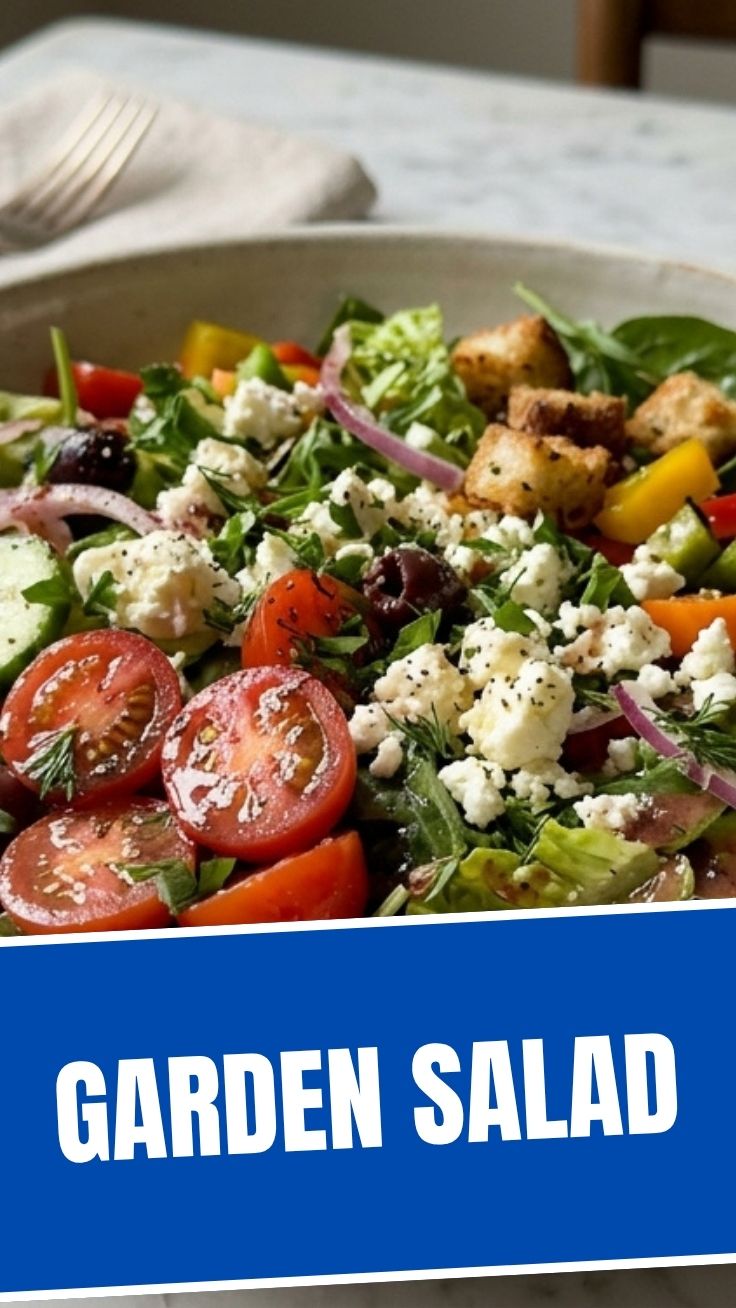
This recipe is all about assembly, not cooking. Prep time is 15–20 minutes, with no cook time required. However, if you plan to add grilled protein (chicken, shrimp, or tofu), budget an additional 10–15 minutes. The dressing can be made ahead and stored in the fridge for up to a week. Plan to serve the salad immediately after tossing to maintain crispness. For best results, prep all vegetables and keep them chilled until serving.
—
Step-by-Step Instructions
1. Wash and dry the greens thoroughly. Use a salad spinner to remove excess water—wet greens dilute the dressing and lead to soggy lettuce. If you don’t have a spinner, pat dry with clean kitchen towels.
2. Prepare the vegetables. Halve cherry tomatoes, slice cucumber and radishes, julienne the carrot, and thinly slice the red onion. For a milder onion flavor, soak slices in ice water for 10 minutes, then drain.
3. Make the vinaigrette. In a small bowl or jar, combine olive oil, vinegar, Dijon mustard, honey, and a pinch of salt and pepper. Whisk vigorously or shake until emulsified. Taste and adjust—add more vinegar for tang, more honey for sweetness.
4. Assemble the salad. Place the dried greens in a large bowl. Add the prepared vegetables. Drizzle with just enough dressing to lightly coat the leaves (about 2–3 tablespoons for 4 cups of greens). Toss gently using your hands or tongs—over-tossing bruises the greens.
5. Finish and serve. Add any optional toppings like avocado, cheese, or nuts. Serve immediately. This is the moment to enjoy a truly vibrant Garden Salad that highlights every crisp bite. For a heartier meal, pair it with a tangy Heirloom Tomato Salad on the side—the contrast of sweet tomatoes and herby dressing is irresistible.
—
Nutritional Benefits & Advantages
A well-made garden salad is a powerhouse of vitamins, minerals, and fiber. The leafy greens provide vitamin K, folate, and lutein for eye health. Cherry tomatoes contribute lycopene—a potent antioxidant linked to reduced inflammation. Cucumbers are hydrating and low in calories, while radishes offer a dose of vitamin C and digestive enzymes. The olive oil-based dressing supplies healthy monounsaturated fats, which aid in the absorption of fat-soluble vitamins (A, D, E, K). This dish is naturally gluten-free, low-carb, and can be made vegan by using maple syrup instead of honey. Regular consumption of fresh salads supports weight management, heart health, and glowing skin.
—
Tips, Variations & Cooking Advice
– Flavor variations: Swap red wine vinegar for balsamic or champagne vinegar. Add fresh herbs like basil, mint, or parsley.
– Ingredient swaps: Use kale or butter lettuce instead of mixed greens. Replace feta with goat cheese or omit for dairy-free.
– Protein boost: Top with grilled chicken, chickpeas, or hard-boiled eggs.
– Crunch factor: Sprinkle toasted sunflower seeds, pumpkin seeds, or crushed croutons.
– Dietary adaptations: For a nut-free version, skip nuts and seeds. For a low-sodium diet, reduce salt in the dressing and use fresh herbs for flavor.
– Make it a meal: Add quinoa, roasted sweet potatoes, or black beans for extra fiber and protein.
—
Common Mistakes to Avoid
– Dressing too early – If you dress the salad more than 10 minutes before serving, the greens wilt and become limp. Always dress just before eating.
– Overdressing – You can always add more, but you can’t take it away. Start with less and taste.
– Wet greens – Moisture is the enemy of crispness. Dry your greens thoroughly.
– Slicing vegetables too thick – Thin, uniform slices ensure every bite has a balanced mix of flavors.
– Skip the seasoning – A pinch of salt in the dressing and on the vegetables brings out natural sweetness. Taste and adjust.
—
Storage & Meal Prep Tips
This salad is best enjoyed fresh, but you can prep components ahead:
– Greens: Wash, dry, and store in a sealed container lined with paper towels for up to 2 days.
– Chopped vegetables: Store each in separate airtight containers in the fridge for up to 2 days.
– Dressing: Keep in a jar in the fridge for up to 1 week. Shake before using.
– Assembled salad: Can be refrigerated for up to 4 hours if undressed. To re-crisp, toss with a handful of fresh greens.
– Freezing: Not recommended—the texture of fresh vegetables will degrade upon thawing.
—
Conclusion
A Garden Salad is more than a simple side—it’s a celebration of fresh produce, a lesson in balance, and a quick way to nourish your body. By following the steps above, you’ll create a crisp, flavorful dish that rivals any restaurant version. Don’t forget to experiment with seasonal ingredients and make it your own. Pair it with a tangy Heirloom Tomato Salad for a truly memorable summer meal. Try this recipe tonight, share your results with friends, and explore more fresh ideas on our site. Your taste buds—and your health—will thank you.
—
FAQs
1. Can I use pre-washed bagged greens?
Yes, but re-wash and dry them even if they claim “pre-washed.” Bagged greens often have residual moisture that leads to faster wilting.
2. How do I make the dressing without mustard?
Omit the Dijon or use a pinch of tahini or a mashed anchovy to emulsify. Alternatively, simply shake oil and vinegar together—it will separate, but still tastes great.
3. Why is my salad bitter?
Bitterness usually comes from over-mature greens or too much arugula/radicchio. Balance with a sweeter dressing (add a bit more honey) and include sweet elements like cherry tomatoes or carrots.
4. Can I prep this salad the night before?
You can prep all ingredients separately, but do not toss with dressing until serving. Store the greens and veggies in separate containers in the fridge.
5. Is this salad keto-friendly?
Absolutely. The vegetables are low in net carbs, and the olive oil dressing is high in healthy fats. Skip the honey or use a keto-friendly sweetener (like stevia) in the dressing.