Master the Art of Roasted Chicken: A Culinary Journey to Perfection
Tired of dry, flavorless chicken? What if you could consistently create a succulent, aromatic centerpiece that impresses every time? Preparing a truly exceptional roasted chicken at home isn’t just about feeding yourself; it’s about mastering a culinary cornerstone, filling your kitchen with irresistible aromas, and enjoying a wholesome meal that rivals any restaurant. Today, we’re diving deep into the secrets of achieving the perfect Lemon Herb Roasted Chicken, a dish that embodies comfort and elegance. This comprehensive guide will equip you with the knowledge to transform a simple bird into a golden-brown masterpiece, effortlessly showcasing your culinary prowess. We’ll also touch upon the delicious variations, including a delightful Glazed Herb Roasted Chicken, ensuring your roasted poultry game is always on point.
Ingredients & Kitchen Tools
Crafting the perfect roasted chicken begins with quality ingredients and the right equipment. Here’s what you’ll need:
- Whole Chicken (3-4 lbs): Pasture-raised or organic for best flavor and texture.
- Lemons (2-3): Freshly squeezed juice and zest for brightness and acidity.
- Fresh Herbs (1/4 cup chopped): Rosemary, thyme, and oregano are classic choices; parsley and sage also work well.
- Garlic (6-8 cloves): Minced for intense aromatic flavor.
- Olive Oil (1/4 cup): Extra virgin for a rich, fruity base.
- Butter (2 tbsp, softened): Unsalted, for basting and crisping the skin.
- Salt & Black Pepper (to taste): Coarse sea salt and freshly ground pepper enhance flavor.
- Onions (1-2, quartered): For aromatics within the cavity and roasting pan.
- Carrots & Celery (2 stalks each, chopped): Optional; for a flavorful mirepoix base in the roasting pan.
- Roasting Pan with Rack: Essential for even cooking and crispy skin.
- Meat Thermometer: Crucial for ensuring the chicken is cooked to a safe internal temperature.
- Kitchen Twine: To truss the chicken for uniform cooking.
- Basting Brush: For applying butter and pan drippings.
- Sharp Knife & Cutting Board: For prep work.
Prep Time & Cooking Schedule
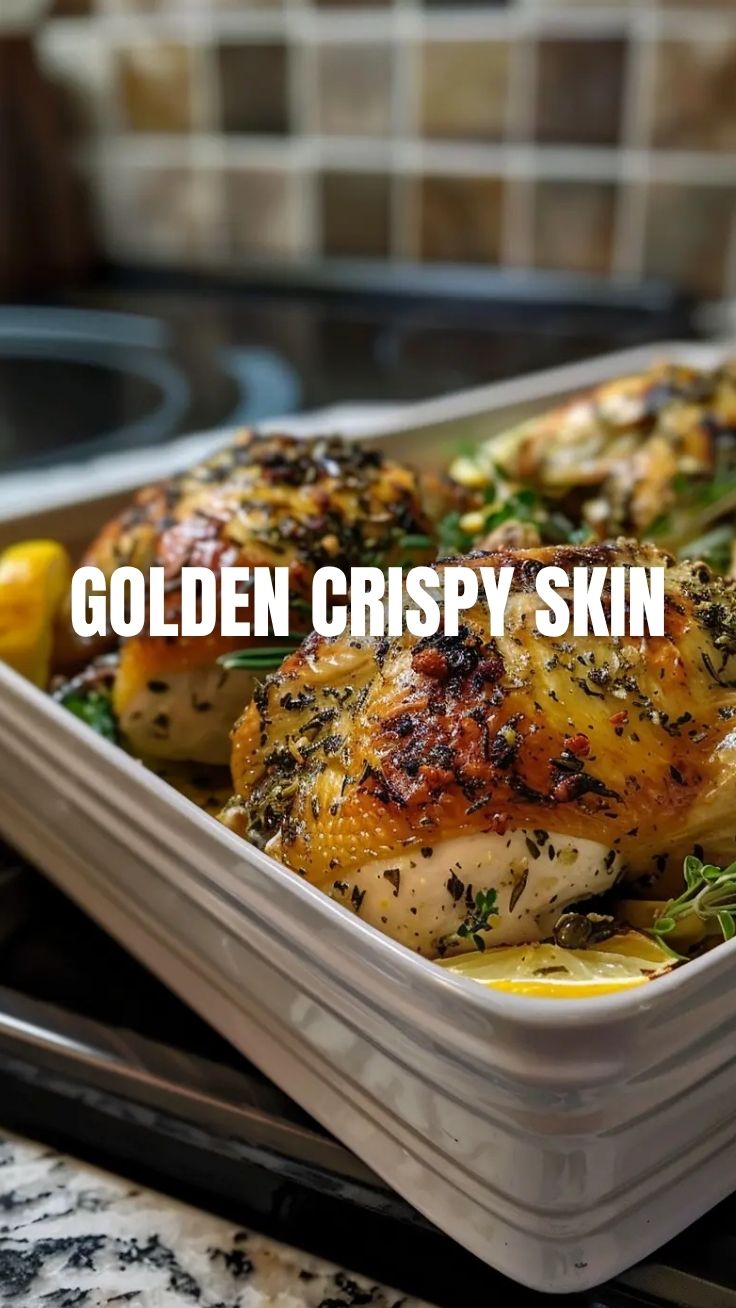
- Prep Time: 20-25 minutes (includes trussing and seasoning)
- Marinating Time (Optional): 30 minutes to 4 hours in the refrigerator, or overnight for deeper flavor infusion. This step significantly elevates the final taste.
- Cook Time: 60-90 minutes, depending on chicken size and oven calibration.
- Resting Time: 10-15 minutes after cooking. Crucial for juicy results.
Allow ample time for thawing if using a frozen chicken and bring it to room temperature for about 30 minutes before roasting for more even cooking.
Step-by-Step Instructions
1. Prepare the Chicken: Pat the chicken dry thoroughly with paper towels. This is key for crispy skin.
2. Make the Herb Butter: In a small bowl, combine softened butter, minced garlic, chopped fresh herbs, lemon zest, a pinch of salt, and pepper.
3. Season the Chicken: Gently loosen the skin over the breast and thighs, being careful not to tear it. Rub half of the herb butter mixture directly onto the meat under the skin. Then, rub the remaining herb butter mixture all over the exterior of the chicken.
4. Stuff and Truss: Stuff the chicken cavity with lemon halves, quartered onion, and a few sprigs of fresh herbs. Truss the chicken with kitchen twine to ensure even cooking and a compact shape. This prevents the wings and legs from burning before the breast is cooked through.
5. Prepare Roasting Pan: Place the chicken on a rack in a roasting pan. Drizzle with olive oil and sprinkle with additional salt and pepper. If desired, you can place chopped carrots and celery in the bottom of the pan to roast alongside, creating flavorful pan drippings for gravy.
6. Roast: Preheat your oven to 400°F (200°C). Roast the chicken for 15-20 minutes until the skin starts to brown.
7. Reduce Heat and Continue Roasting: Reduce the oven temperature to 375°F (190°C). Continue roasting, basting every 20-30 minutes with pan drippings, until a meat thermometer inserted into the thickest part of the thigh (without touching bone) reads 165°F (74°C). This usually takes an additional 45-70 minutes. For a delicious Lemon Herb Roasted Chicken, ensure the skin is golden brown and crackling. For a truly irresistible finish reminiscent of a Glazed Herb Roasted Chicken, consider brushing with a honey-mustard glaze during the last 15 minutes of cooking.
8. Rest: Remove the chicken from the oven, tent it loosely with foil, and let it rest for 10-15 minutes before carving. This allows the juices to redistribute, resulting in a more tender and moist bird.
Nutritional Benefits & Advantages
Roasted chicken is not just delicious; it’s a powerhouse of nutrition. It’s an excellent source of lean protein, essential for muscle building and repair. Chicken also provides B vitamins (niacin, B6, B12), which are crucial for energy metabolism and nervous system function. The herbs add a boost of antioxidants, while lemon contributes Vitamin C. Compared to fried options, roasting uses less fat, making it a healthier choice. This dish can easily fit into various dietary plans, from low-carb to Mediterranean, offering sustained energy without heavy processing.
Tips, Variations & Cooking Advice
- Flavor Variations: Experiment with different herb combinations (e.g., sage and thyme for a more earthy flavor, or cilantro and lime for a Latin twist). Add dried spices like smoked paprika, cumin, or chili powder for depth.
- Glazes: For a sticky, savory-sweet finish, whisk together honey, Dijon mustard, and a splash of apple cider vinegar, then brush it on during the last 20 minutes of roasting. This is how you’d achieve a fantastic Glazed Herb Roasted Chicken.
- Alternative Cooking Methods: You can spatchcock (butterfly) the chicken for faster, more even cooking and extra crispy skin. This method is great for weeknights.
- Dietary Adaptations: This recipe is naturally gluten-free and can be dairy-free by omitting the butter or using a plant-based alternative.
- Crispier Skin Secret: For extra crispy skin, sprinkle a little baking powder (about 1/2 tsp) mixed with salt on the skin before roasting. It helps draw out moisture.
Common Mistakes to Avoid
- Not Drying the Chicken: This is the number one culprit for soggy skin. Pat it thoroughly!
- Overcrowding the Pan: This can steam the chicken instead of roasting it, resulting in less crispy skin.
- Not Trussing: Untrussed chicken can cook unevenly, with the breast drying out before the thighs are done.
- Skipping the Resting Time: Cutting into the chicken too soon allows all the flavorful juices to run out, leaving you with dry meat.
- Guessing Core Temperature: Always use a meat thermometer. Visual cues can be misleading.
Storage & Meal Prep Tips
Leftover roasted chicken is incredibly versatile. Store cooked chicken, carved or on the bone, in an airtight container in the refrigerator for up to 3-4 days. For longer storage, you can freeze carved chicken meat in freezer-safe bags or containers for up to 2-3 months. Thaw overnight in the refrigerator. Reheat gently in the oven (covered to prevent drying) or microwave until warmed through. The leftovers are fantastic in salads, sandwiches, tacos, or simple chicken stock.
Conclusion
Mastering the perfect roasted chicken is a rewarding culinary achievement that brings warmth and flavor to any table. By following these detailed steps and embracing the nuances of seasoning and cooking, you can consistently create a show-stopping Lemon Herb Roasted Chicken that’s both juicy and beautifully browned. And for those who love a hint of sweetness and deeper flavor, exploring a Glazed Herb Roasted Chicken variation is an absolute treat. Give this recipe a try, experiment with your favorite herbs, and share your culinary successes! Your taste buds will thank you.
FAQs
Q1: How do I prevent my chicken breast from drying out?
A1: Pat the chicken dry, rub butter under the skin over the breast, truss the chicken, and always use a meat thermometer to pull it from the oven exactly when it reaches 165°F (74°C). The resting period is also crucial.
Q2: Can I use dried herbs instead of fresh ones?
A2: Yes, but use about one-third of the amount specified for fresh herbs, as dried herbs are more concentrated. For this recipe, fresh herbs impart the best flavor and aroma.
Q3: What can I do with the pan drippings?
A3: The pan drippings are liquid gold! You can make a delicious gravy by whisking in a tablespoon of flour or cornstarch to thicken, then adding chicken broth. Season to taste.
Q4: My chicken skin isn’t getting crispy, what am I doing wrong?
A4: Ensure the chicken is thoroughly patted dry before applying any seasoning. Don’t overcrowd the roasting pan, and make sure your oven temperature is accurate. A higher initial temperature can also help.
Q5: Can I add vegetables directly to the roasting pan with the chicken?
A5: Absolutely! Root vegetables like potatoes, carrots, parsnips, and onions are excellent choices. Cut them into similar-sized pieces so they cook evenly with the chicken, soaking up all those delicious juices.
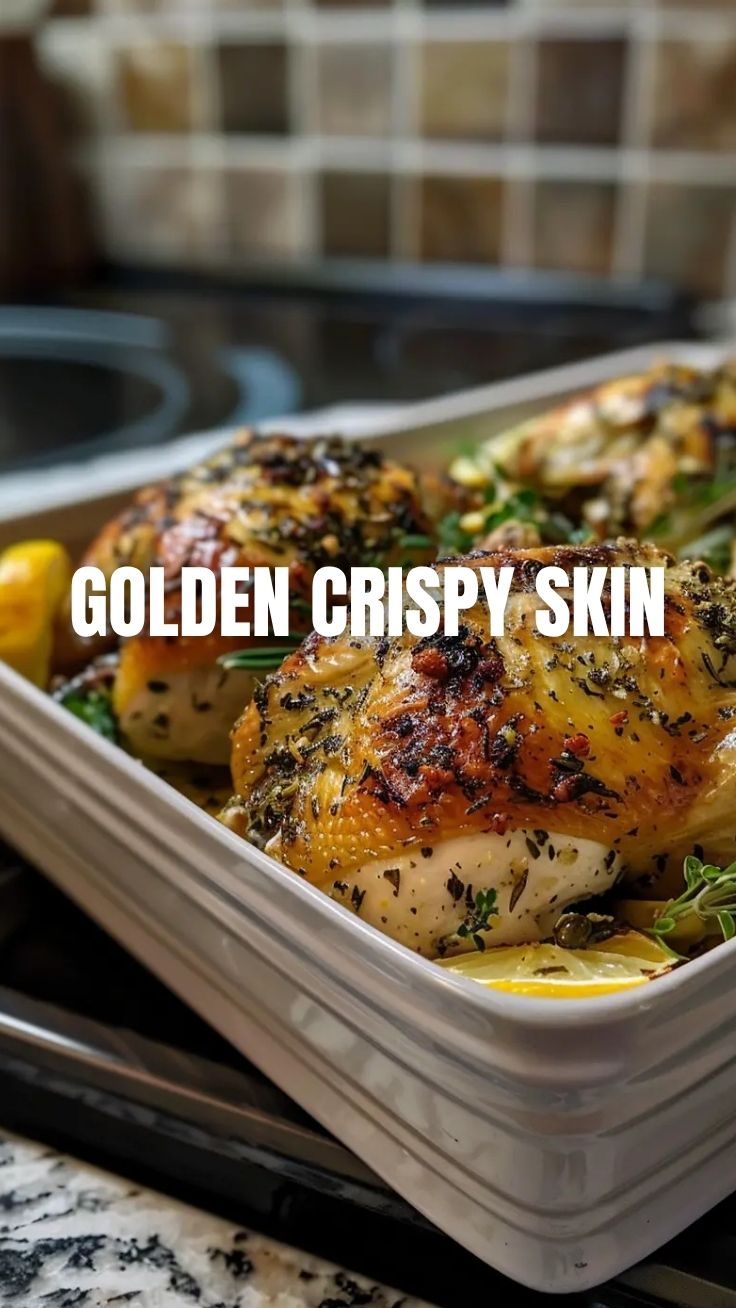
Lemon Herb Roasted Chicken
Ingredients
Equipment
Method
- Preheat your oven to 400°F (200°C) and prepare a roasting pan.
- Pat the chicken dry with paper towels, then rub it with olive oil, salt, and pepper.
- Stuff the chicken cavity with lemon slices, rosemary, thyme, and minced garlic.
- Roast the chicken for 30-35 minutes, or until the internal temperature reaches 165°F (74°C).
- Let the chicken rest for 5 minutes before carving and serving.