Unlock the Secret to the Best Homemade Banana Bread: A Guide to Baking Perfection
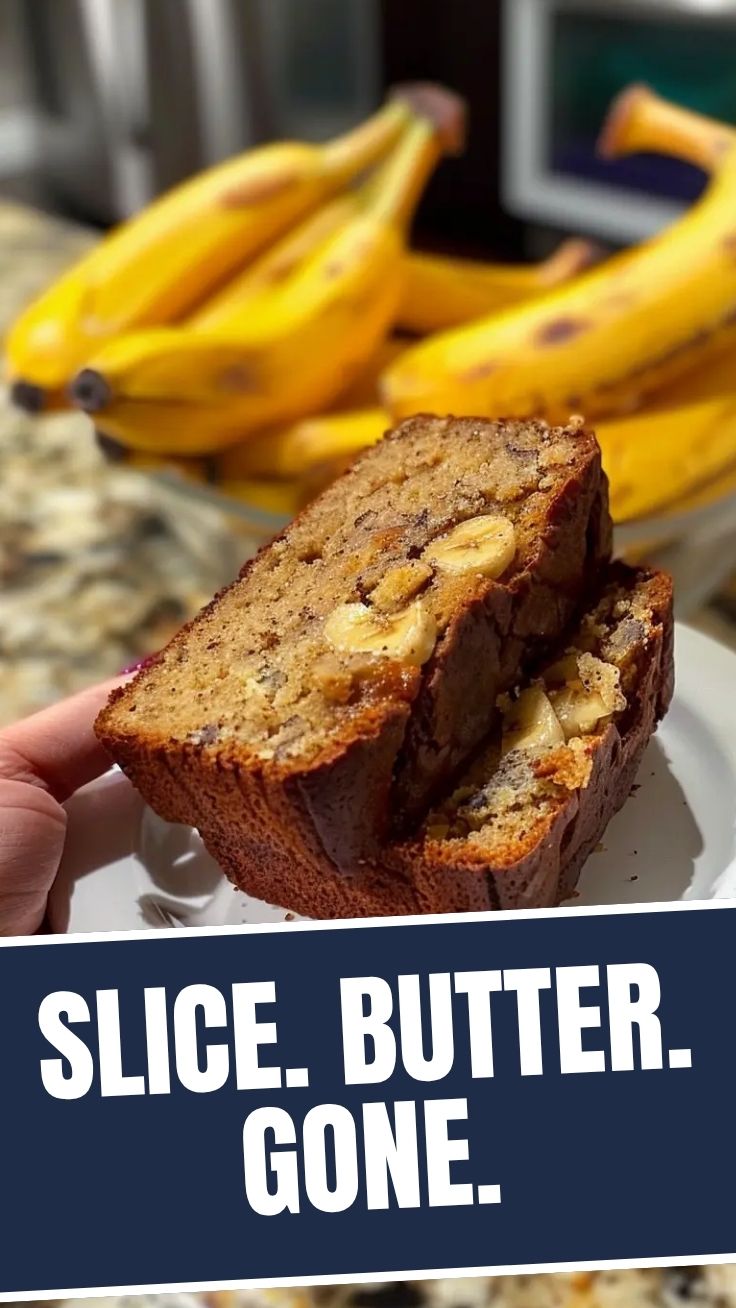
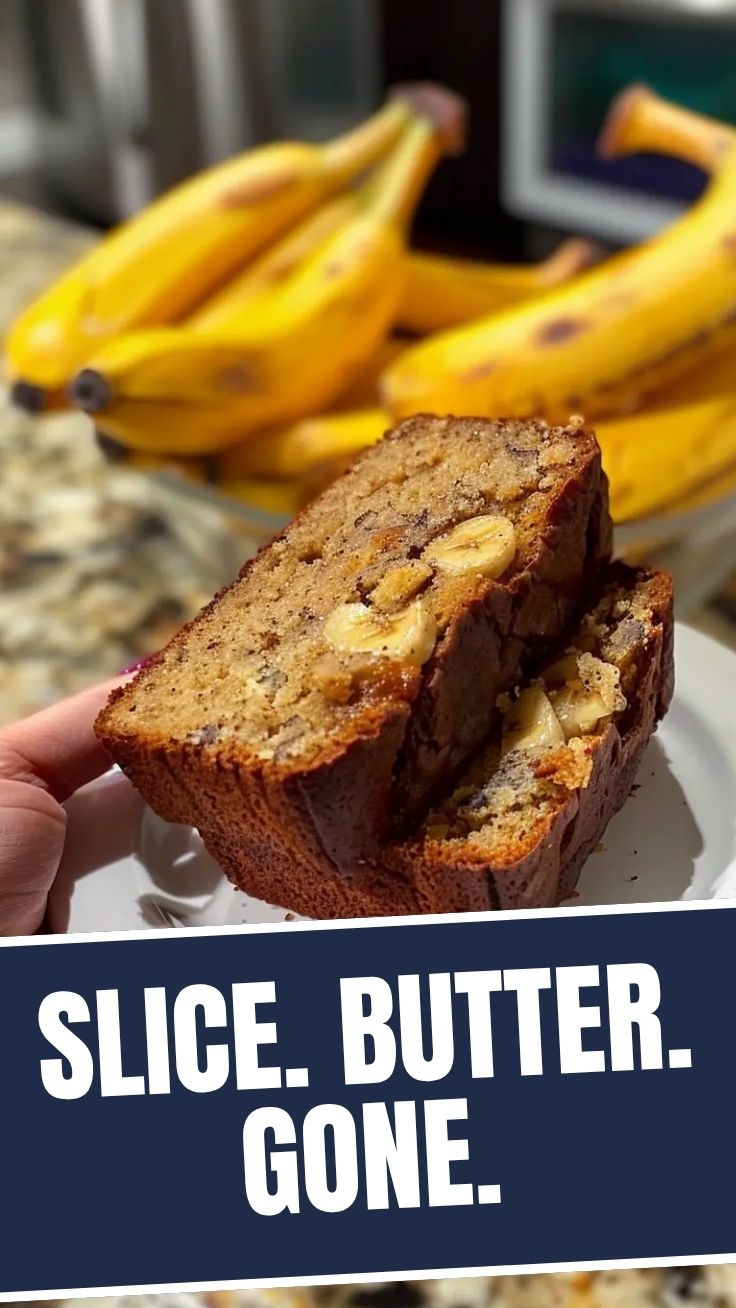
Ever wondered what makes a truly unforgettable slice of Banana Bread? Is it the perfect balance of sweetness, the tender crumb, or that irresistible aroma wafting through your kitchen? Look no further! This comprehensive guide will equip you with all the knowledge to bake the most delicious, homemade version of this beloved classic. Preparing this comforting treat at home isn’t just about saving money; it’s about customizing flavors, ensuring top-quality ingredients, and filling your home with warmth. We’re delving deep into the art of creating a truly exceptional loaf, including tips for a delightful Moist Banana Bread every single time.
Ingredients & Kitchen Tools
Here’s what you’ll need to create this culinary masterpiece:
- Ripe Bananas (3-4 medium): The browner, the better! Overripe bananas are sweeter and more flavorful, providing the natural sugar and distinct banana taste.
- All-Purpose Flour (1 ½ cups): Provides structure. For a lighter texture, you can sift it.
- Granulated Sugar (½ cup): Adds sweetness and aids in browning. Adjust to your preferred sweetness level.
- Brown Sugar (¼ cup, packed): Contributes moisture and a subtle caramel note.
- Large Eggs (2): Binds ingredients together and adds richness.
- Unsalted Butter (½ cup/1 stick, melted): Adds flavor and moisture. Using unsalted butter allows you to control the salt content.
- Baking Soda (1 teaspoon): A leavening agent that helps the bread rise.
- Salt (½ teaspoon): Balances sweetness and enhances other flavors.
- Vanilla Extract (1 teaspoon): Elevates the overall flavor profile.
- Optional Mix-ins (½ cup): Chocolate chips, chopped walnuts, pecans, or dried cranberries – personalize your loaf!
Kitchen Tools:
- Large Mixing Bowl: For combining ingredients.
- Fork or Potato Masher: To mash the bananas.
- Whisk: For dry ingredients.
- Spatula: For folding and scraping the bowl.
- Loaf Pan (9×5 inches): The perfect size for a standard loaf.
- Parchment Paper: For easy removal and cleanup (optional, but highly recommended).
Prep Time & Cooking Schedule
- Prep Time: 15 minutes
- Bake Time: 55-65 minutes
- Cooling Time: 15 minutes in the pan, then fully on a wire rack (about 1-2 hours)
Plan approximately 2 hours from start to finish, allowing ample time for cooling to achieve the best texture and avoid crumbling when slicing.
Step-by-Step Instructions
1. Preheat & Prep: Preheat your oven to 350°F (175°C). Grease and flour a 9×5-inch loaf pan, or line it with parchment paper for effortless removal. This ensures your Banana Bread slides out perfectly.
2. Mash Bananas: In a large bowl, thoroughly mash the ripe bananas with a fork or potato masher until mostly smooth with a few small lumps remaining.
3. Combine Wet Ingredients: Add the melted butter, granulated sugar, brown sugar, eggs, and vanilla extract to the mashed bananas. Whisk until well combined.
4. Whisk Dry Ingredients: In a separate medium bowl, whisk together the flour, baking soda, and salt. This ensures even distribution of the leavening agent.
5. Combine Wet and Dry: Pour the dry ingredients into the wet ingredients. Using a spatula, mix gently until just combined. Overmixing can lead to a tough loaf, so stop once no streaks of flour remain. If using, fold in your optional mix-ins now.
6. Bake: Pour the batter into your prepared loaf pan. Bake for 55-65 minutes, or until a wooden skewer inserted into the center comes out clean. This is key to achieving a truly Moist Banana Bread without being undercooked.
7. Cool: Let the loaf cool in the pan for 15 minutes before carefully transferring it to a wire rack to cool completely. Slicing warm banana bread can cause it to crumble.
Nutritional Benefits & Advantages
Bananas are a fantastic source of potassium, vitamin B6, vitamin C, and fiber. This recipe, while a treat, offers a boost of essential nutrients. Incorporating whole wheat flour or reducing sugar can further enhance its health profile, transforming it into a more guilt-free indulgence.
Tips, Variations & Cooking Advice
- Spice It Up: Add ½ teaspoon of cinnamon or nutmeg for a warming spice note.
- Gluten-Free Version: Substitute all-purpose flour with a 1:1 gluten-free baking blend.
- Dairy-Free: Use a dairy-free butter alternative or unsweetened applesauce (reduce wet ingredients slightly) in place of butter.
- Extra Moist: For an even moister loaf, add 1-2 tablespoons of sour cream or Greek yogurt to the wet ingredients.
- Baking Evenly: If the top starts to brown too quickly, loosely tent the loaf with foil during the last 15-20 minutes of baking.
Common Mistakes to Avoid
- Under-ripe Bananas: Using bananas that aren’t overly ripe results in a less flavorful and less sweet bread. Wait for brown spots!
- Overmixing the Batter: This develops the gluten too much, leading to a tough, dense loaf. Mix just until combined.
- Opening the Oven Door Too Often: This causes temperature fluctuations and can lead to the bread sinking in the middle.
- Underbaking: A gooey center is a tell-tale sign of underbaking. Always perform the skewer test.
Storage & Meal Prep Tips
Once cooled, your Banana Bread can be stored at room temperature in an airtight container for up to 3-4 days. For longer storage, wrap individual slices tightly in plastic wrap and then foil, freezing them for up to 3 months. Thaw at room temperature or gently warm in the microwave. This makes for a perfect grab-and-go breakfast or snack!
Conclusion
Baking the perfect Banana Bread is a truly rewarding experience, transforming simple ingredients into a comforting masterpiece. By following these steps and embracing the tips, you’re not just baking; you’re crafting a slice of joy. The key to achieving that irresistible Moist Banana Bread lies in ripe bananas, gentle mixing, and patience during cooling. Give this recipe a try and share your baking triumphs in the comments below! We can’t wait to hear how your homemade loaf turns out.
FAQs
Q: Can I use frozen bananas?
A: Yes! Thaw them completely and drain any excess liquid before mashing. Their texture will be softer, making them ideal for baking.
Q: How do I know if my bananas are ripe enough?
A: Look for bananas with plenty of brown spots and even some black marks on the peel. They should be soft to the touch.
Q: Can I reduce the sugar in the recipe?
A: Absolutely! You can reduce the granulated and brown sugar by up to ¼ cup depending on your preference and the sweetness of the bananas.
Q: My banana bread sank in the middle! What went wrong?
A: This usually indicates either overmixing the batter, underbaking, or opening the oven door too frequently during the early stages of baking. Ensure your leavening agent (baking soda) is fresh too!
Proven way to grow your Banana Bread
Ingredients
Equipment
Method
- Preheat your oven to 350°F (175°C) and grease a loaf pan.
- In a large bowl, combine the flour, baking soda, and salt.
- In a separate bowl, mash the ripe bananas and then stir in the granulated sugar, egg, melted butter, and vanilla extract.
- Add the wet ingredients to the dry ingredients, mixing until just combined and being careful not to overmix.
- Pour the batter into the prepared loaf pan and bake for 50-60 minutes, or until a toothpick inserted into the center comes out clean.
- Let the banana bread cool in the pan for 10 minutes before transferring it to a wire rack to cool completely.