The Ultimate Guide to Crafting the Perfect Carrot Cake with Cream Cheese Frosting
Ever wondered if you could recreate that moist, perfectly spiced slice of carrot cake you adore right in your own kitchen? The answer is a resounding yes! Preparing a homemade Carrot Cake with Cream Cheese Frosting offers an unparalleled sense of accomplishment and ensures you’re enjoying a treat made with fresh, wholesome ingredients. Forget store-bought versions; this comprehensive guide will walk you through every step, guaranteeing a show-stopping dessert that will impress everyone. Plus, mastering this carrot cake recipe opens the door to endless baking adventures.
Ingredients & Kitchen Tools
Crafting the perfect moist and flavorful carrot cake requires a thoughtful selection of ingredients and the right tools at your disposal.
- All-Purpose Flour (2 cups): The structural base for our cake. Sifted for a lighter texture.
- Granulated Sugar (1 ¾ cups): Provides sweetness and moisture.
- Brown Sugar (½ cup, packed): Adds deeper caramel notes and extra moisture.
- Baking Soda (2 teaspoons): A leavening agent that helps the cake rise.
- Salt (1 teaspoon): Balances the sweetness and enhances other flavors.
- Ground Cinnamon (2 teaspoons): The quintessential spice for carrot cake, adding warmth.
- Ground Nutmeg (½ teaspoon): Complements cinnamon with its aromatic depth.
- Ground Ginger (½ teaspoon, optional): For an extra spicy kick.
- Vegetable Oil (1 cup): Contributes to the cake’s incredible moistness. Can substitute with canola oil or a neutral-flavored oil.
- Large Eggs (4): Binds the ingredients and adds richness.
- Vanilla Extract (2 teaspoons): Enhances overall flavor. Pure vanilla is best.
- Carrots (3 cups, grated): The star ingredient! Finely grated carrots disperse evenly and contribute moisture without clumping.
- Chopped Pecans or Walnuts (1 cup, optional): Adds texture and nutty flavor. Toast them lightly for extra depth. Can substitute with raisins or pineapple for different twists.
- Cream Cheese (8 oz, softened): The foundation for our tangy frosting. Full-fat for best results.
- Unsalted Butter (½ cup/1 stick, softened): Provides richness and structure to the frosting.
- Powdered Sugar (3 ½ to 4 cups, sifted): Sweetens and thickens the cream cheese frosting. Start with less and add more to achieve desired consistency.
- Milk or Cream (1-2 tablespoons, optional): To adjust frosting consistency if needed.
Kitchen Tools:
- Two 9-inch round cake pans: For even baking. Grease and flour them, or line with parchment paper.
- Large mixing bowls (2): To combine wet and dry ingredients separately.
- Whisk: For dry ingredients.
- Electric mixer (stand or hand-held): Essential for creaming butter and sugar, and for the frosting.
- Rubber spatula: For folding in ingredients and scraping bowls.
- Measuring cups and spoons: Accuracy is key in baking.
- Grater: For fresh carrots.
- Wire rack: For cooling the cakes completely.
- Offset spatula or knife: For spreading frosting.
Prep Time & Cooking Schedule
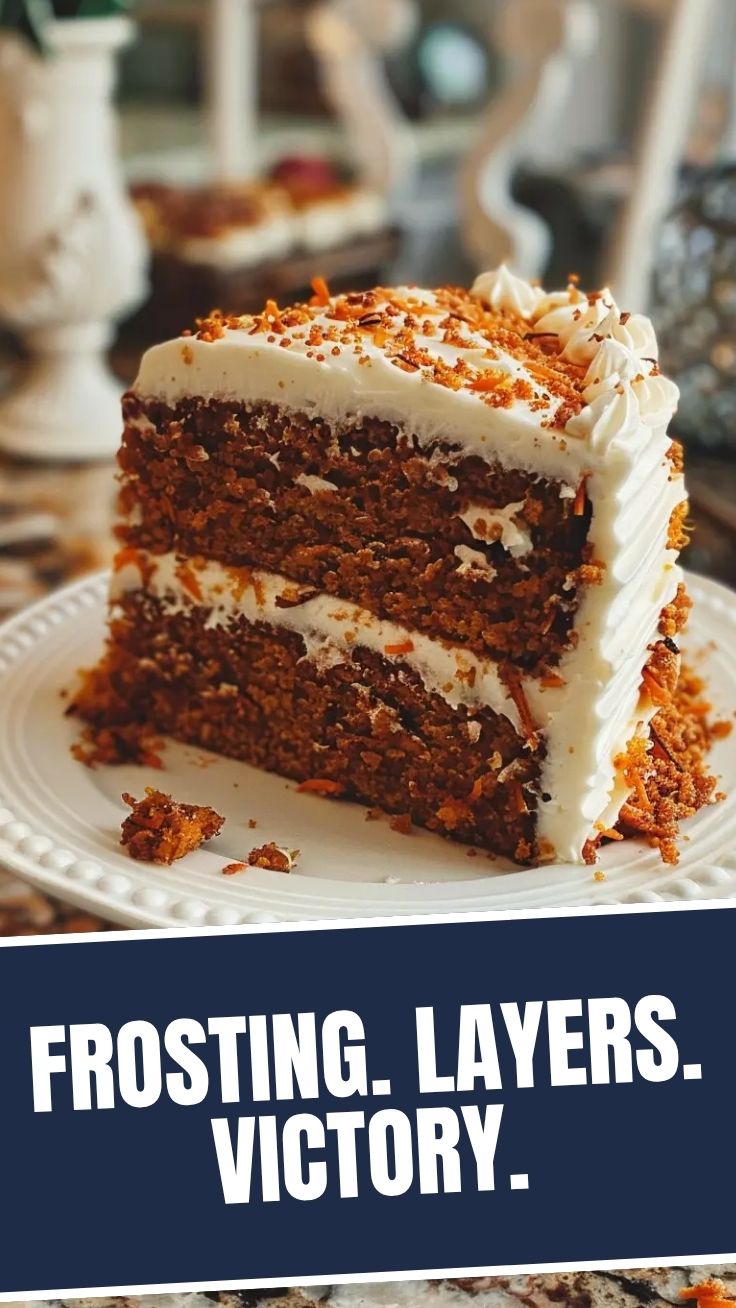
Planning is key for a seamless baking experience. This guide breaks down the timing to ensure your Carrot Cake with Cream Cheese Frosting comes out perfectly.
- Prep Time: 30 minutes (includes grating carrots and gathering ingredients).
- Baking Time: 30-35 minutes per cake layer (if baking simultaneously in two pans).
- Cooling Time: 1 to 2 hours (absolute minimum before frosting to prevent melting).
- Resting Time (frosted cake): 30 minutes (optional, but allows flavors to meld).
Total Estimated Time: Approximately 2.5 to 3 hours. It’s best to bake the cake layers a few hours or even a day in advance to allow for complete cooling, which is crucial for perfect frosting.
Step-by-Step Instructions
Follow these clear, detailed steps to create a homemade Carrot Cake with Cream Cheese Frosting that tastes as good as it looks. Mastering this carrot cake recipe is within your reach!
1. Prepare Oven and Pans: Preheat your oven to 350°F (175°C). Grease and flour two 9-inch round cake pans, or line the bottoms with parchment paper circles and grease the sides. This prevents sticking.
2. Combine Dry Ingredients: In a large bowl, whisk together the all-purpose flour, granulated sugar, brown sugar, baking soda, salt, cinnamon, nutmeg, and ginger (if using). Make sure there are no lumps.
3. Combine Wet Ingredients: In a separate large bowl, whisk together the vegetable oil, eggs, and vanilla extract until well combined and smooth.
4. Combine Wet and Dry: Pour the wet ingredients into the dry ingredients. Mix with a spatula until just combined. Be careful not to overmix; overmixing can lead to a tough cake.
5. Fold in Carrots and Nuts: Gently fold in the grated carrots and chopped nuts (if using) until evenly distributed. This ensures every bite has that delightful carrot flavor and crunch.
6. Bake the Cakes: Divide the batter evenly between the prepared cake pans. Bake for 30-35 minutes, or until a wooden skewer inserted into the center of a cake comes out clean.
7. Cool Completely: Let the cakes cool in their pans on a wire rack for 10-15 minutes before inverting them onto the rack to cool completely. This cooling step is critical – warm cakes will melt your frosting!
8. Prepare Cream Cheese Frosting: While the cakes are cooling, prepare the frosting. In a large bowl, using an electric mixer, beat the softened cream cheese and softened unsalted butter together until smooth and creamy, about 2-3 minutes.
9. Add Powdered Sugar and Vanilla: Gradually add the sifted powdered sugar, one cup at a time, beating until smooth after each addition. Mix in the vanilla extract. If the frosting is too thick, add milk or cream one tablespoon at a time until desired consistency is reached. Be careful not to overbeat, as this can make the frosting too runny.
10. Assemble and Frost: Once the cake layers are completely cool, place one layer on a serving plate or cake stand. Spread about a third of the frosting evenly over the top. Place the second cake layer on top and spread the remaining frosting over the top and sides of the cake.
11. Chill (Optional): For a firmer frosting and easier slicing, you can chill the frosted cake in the refrigerator for at least 30 minutes.
Nutritional Benefits & Advantages
Beyond its delicious taste, this homemade Carrot Cake with Cream Cheese Frosting offers several nutritional upsides, especially when compared to highly processed alternatives.
- Rich in Vitamin A: Carrots are a fantastic source of beta-carotene, which your body converts into Vitamin A. This vitamin is crucial for vision, immune function, and skin health.
- Fiber-Packed: The carrots also contribute dietary fiber, aiding in digestion and promoting a feeling of fullness.
- Healthy Fats (Optional): If you include nuts, you’re adding healthy monounsaturated and polyunsaturated fats, which are beneficial for heart health.
- Antioxidants: Carrots are loaded with antioxidants that help combat free radicals in the body.
- Customizable: Making it at home allows you to control sugar levels and choose high-quality ingredients, avoiding artificial colors, flavors, and excessive preservatives often found in commercial cakes.
Tips Variations & Cooking Advice
Elevate your Carrot Cake with Cream Cheese Frosting with these expert tips and creative variations.
- Don’t Overmix: Overmixing develops the gluten in the flour, leading to a tough, dry cake. Mix until just combined.
- Room Temperature Ingredients: Ensure eggs, cream cheese, and butter are at room temperature for the best emulsion (cake batter) and smoothest frosting.
- Toast Nuts: Lightly toast your pecans or walnuts before adding them to the batter for a deeper, more pronounced nutty flavor.
- Add Pineapple or Raisins: For extra moisture and sweetness, fold in ½ cup of drained crushed pineapple or golden raisins with the carrots.
- Spice It Up: Experiment with additional spices like cardamom or a touch more ginger for a richer flavor profile.
- Gluten-Free Version: Substitute all-purpose flour with a 1:1 gluten-free baking blend that contains xanthan gum.
- Dairy-Free Frosting: Use dairy-free cream cheese and butter alternatives, ensuring they are firm enough for frosting.
- Muffin or Cupcake Version: Bake the batter in muffin liners for 20-25 minutes at the same temperature. Adjust frosting ratio accordingly.
Common Mistakes to Avoid
A little foresight can prevent common baking woes. Steer clear of these pitfalls for a perfect Carrot Cake with Cream Cheese Frosting.
- Using Pre-Grated Carrots from the Store: These are often too thick and dry, making them less ideal for the cake’s texture and moisture. Grate your own for optimal results.
- Not Greasing and Flourishing Pans Properly: Leads to stuck cakes and frustration. Take your time with this step, or use parchment paper.
- Opening Oven Door Too Soon: Can cause the cake to sink, especially in the middle. Resist the urge until close to the end of the baking time.
- Overmixing the Batter: As mentioned, this develops gluten and results in a dense, chewy cake rather than a tender one.
- Frosting Warm Cakes: This is a cardinal sin! The warm cake will melt the butter and cream cheese in the frosting, leading to a runny, messy disaster. Ensure cakes are completely cool.
- Over-Beating Cream Cheese Frosting: Beating cream cheese frosting for too long can incorporate too much air, making it unstable and prone to separating or becoming watery. Beat until just smooth and creamy.
Storage & Meal Prep Tips
Maximize the enjoyment and freshness of your Carrot Cake with Cream Cheese Frosting with these storage and meal prep strategies.
- Refrigeration: Due to the cream cheese frosting, any leftover cake must be stored in an airtight container in the refrigerator. It will stay fresh for 3-5 days.
- Freezing Frosted Cake: For longer storage, wrap individual slices or the entire frosted cake tightly in plastic wrap, then an additional layer of aluminum foil. Freeze for up to 1 month. Thaw overnight in the refrigerator before serving.
- Freezing Unfrosted Cake Layers: Baked and cooled cake layers can be wrapped tightly in plastic wrap and then foil, and frozen for up to 2-3 months. Thaw in the refrigerator for a few hours or overnight before frosting.
- Reheating: This cake is best served at room temperature, so remove it from the refrigerator about 30-60 minutes before serving to allow the frosting to soften slightly and the flavors to open up.
- Meal Prep: You can grate your carrots a day or two in advance and store them in an airtight container in the refrigerator to save time on baking day.
Conclusion
Crafting a homemade Carrot Cake with Cream Cheese Frosting is a truly rewarding experience, transforming simple ingredients into a celebration-worthy dessert. With this detailed guide and the comprehensive carrot cake recipe, you’re now equipped to bake a moist, perfectly spiced cake with a luscious, tangy frosting that will become a beloved staple in your home. Don’t hesitate to dive in and discover the joy of baking this classic yourself! Share your creations with us!
FAQs
Q1: Can I make this cake ahead of time?
A1: Absolutely! You can bake the cake layers up to 2 days in advance, wrap them tightly, and store them at room temperature. The frosting can also be made a day ahead and refrigerated; just bring it to room temperature and re-whip briefly before frosting.
Q2: My frosting is too runny. What can I do?
A2: This often happens if ingredients aren’t cold enough or if too much liquid was added. Try adding more sifted powdered sugar (a tablespoon at a time) and chill the frosting in the refrigerator for 15-30 minutes to firm it up.
Q3: Can I use oil instead of butter in the cake?
A3: This recipe already calls for oil, which is a key factor in keeping the carrot cake incredibly moist. Using butter in the cake isn’t recommended as it can change the texture significantly.
Q4: How do I prevent my cake from sinking in the middle?
A4: Ensure your oven temperature is accurate (a thermometer helps), don’t open the oven door too early, and avoid overmixing the batter. Always cool cakes completely before inverting them.
Q5: What are some good additions or substitutions for the nuts?
A5: If you’re not a fan of nuts, you can omit them entirely or substitute with shredded coconut, golden raisins, or a small can of well-drained crushed pineapple for added moisture and flavor.
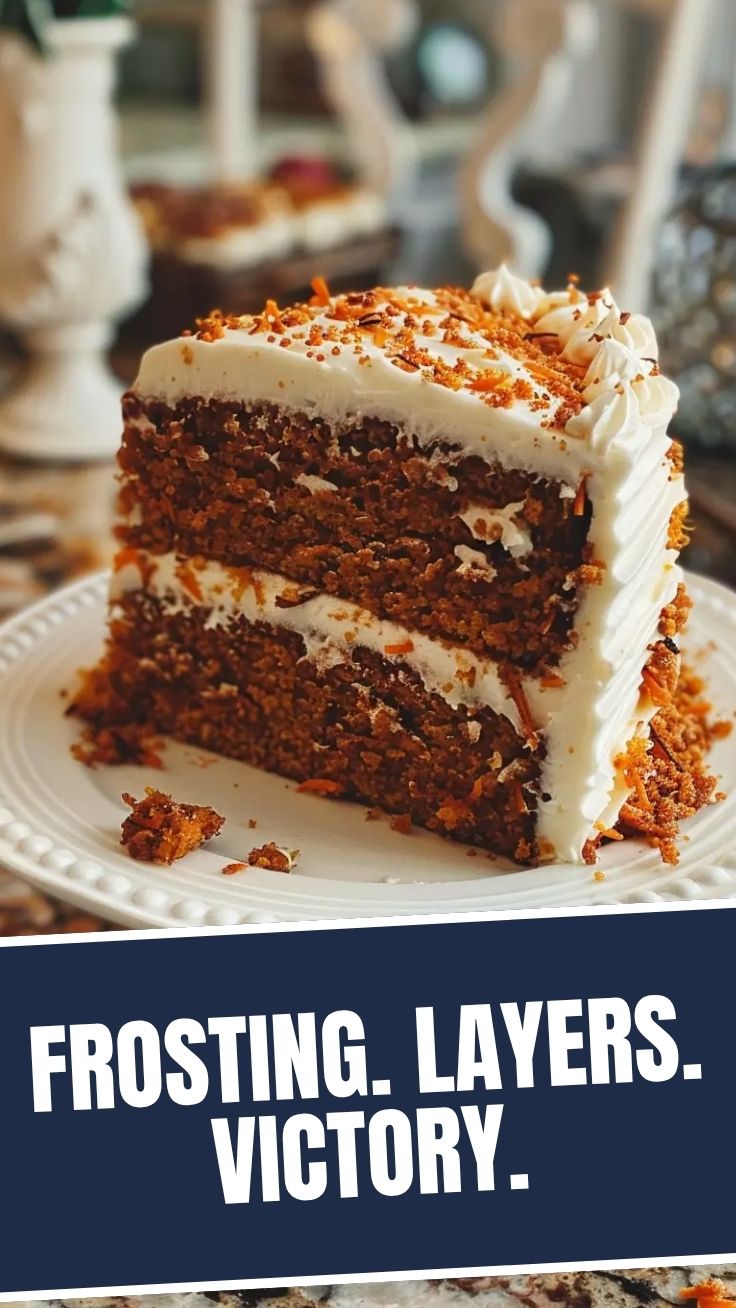
Proven way to grow delicious Carrot Cake with Cream Cheese Frosting
Ingredients
Equipment
Method
- Preheat your oven to 350°F (175°C) and grease and flour two 9-inch round cake pans.
- In a large bowl, whisk together the flour, sugar, baking soda, cinnamon, and salt.
- In a separate bowl, beat the eggs, oil, and vanilla extract until well combined.
- Gradually add the wet ingredients to the dry ingredients, mixing until just combined.
- Stir in the grated carrots and optional chopped nuts.
- Divide the batter evenly between the prepared cake pans and bake for 30-35 minutes, or until a wooden skewer inserted into the center comes out clean.
- Cool the cakes in the pans for 10 minutes before inverting them onto a wire rack to cool completely.
- In a large bowl, beat the softened cream cheese and butter until smooth and creamy.
- Gradually add the confectioners' sugar, beating until light and fluffy.
- Stir in the vanilla extract until combined.
- Once the cakes are completely cool, frost them with the cream cheese frosting.