Master the Art of Homemade Focaccia Bread: Your Ultimate Guide
Ever wondered how to achieve that perfect golden crust, airy interior, and aromatic savory flavor that makes Focaccia Bread utterly irresistible? This isn’t just about baking; it’s about crafting an experience, a journey into the heart of Italian culinary tradition. Preparing homemade focaccia isn’t just a gratifying endeavor, it’s also incredibly valuable for its fresh ingredients, personalized flavors, and the sheer joy of creating something truly spectacular from scratch. Forget those dense, uninspiring supermarket versions; we’re diving deep into the secrets of creating an Artisan Focaccia that will have your family and friends clamoring for more. This comprehensive guide will equip you with the knowledge and confidence to bake a focaccia that’s not only delicious but also deeply satisfying and surprisingly simple.
Ingredients & Kitchen Tools
To embark on your focaccia-making adventure, gather these essential items:
- All-Purpose Flour (500g): The foundation of our dough. While bread flour can create a chewier texture, AP flour offers a softer crumb. Organic unbleached is preferred.
- Active Dry Yeast (7g / 2 ¼ tsp): The leavening agent that gives our focaccia its characteristic airiness. Make sure it’s fresh for optimal rise.
- Warm Water (400ml / 1 ¾ cups): Crucial for activating the yeast. Aim for 105-115°F (40-46°C).
- Extra Virgin Olive Oil (60ml / ¼ cup + more for drizzling): Essential for flavor, moisture, and creating that signature crispy crust. Use good quality EVOO.
- Fine Sea Salt (10g / 1 ¾ tsp): Enhances the flavors of the dough.
- Granulated Sugar (5g / 1 tsp): Feeds the yeast, promoting a stronger rise.
- Flaky Sea Salt (for topping): Provides a delightful textural contrast and burst of flavor.
- Rosemary (fresh, 2-3 sprigs, optional): Classic aromatic topping for a herbaceous finish. Thyme or oregano are also great.
- Mixing Bowls (large): For combining ingredients and proofing.
- Whisk or Fork: For activating the yeast.
- Spatula or Wooden Spoon: For initial mixing.
- 9×13 inch Baking Pan (or similar size): A sturdy pan is key for even cooking.
- Plastic Wrap or Clean Kitchen Towel: For covering the dough during proofing.
Prep Time & Cooking Schedule
- Prep Time: 20 minutes (active)
- First Proofing: 1.5 – 2 hours
- Second Proofing: 30 minutes
- Bake Time: 25-30 minutes
- Total Time: Approximately 2.5 – 3 hours
This recipe requires patience with proofing times, but the hands-on work is minimal. Plan to start well in advance of when you want to serve it, allowing ample time for the yeast to work its magic. The beauty of focaccia lies in the slow fermentation, which develops its complex flavor profile.
Step-by-Step Instructions
1. Activate the Yeast: In a large mixing bowl, combine the warm water, sugar, and active dry yeast. Stir gently and let sit for 5-10 minutes until foamy. This confirms your yeast is alive and ready to work.
2. Combine Ingredients: Add the flour and fine sea salt to the yeast mixture. Pour in the ¼ cup of extra virgin olive oil.
3. Mix the Dough: Using a wooden spoon or spatula, mix until a shaggy dough forms and no dry spots remain. The dough will be quite wet and sticky – this is normal! Do not overmix.
4. First Proof (Bulk Fermentation): Lightly oil another large bowl. Transfer the dough to the oiled bowl, turning it once to coat. Cover the bowl tightly with plastic wrap or a clean kitchen towel. Let it rise in a warm place for 1.5 to 2 hours, or until doubled in size.
5. Prepare Baking Pan: Generously coat your 9×13 inch baking pan with extra virgin olive oil. Don’t be shy; this contributes to the crispy bottom.
6. Transfer and Shape: Gently pour the risen dough into the prepared baking pan. With oiled hands, gently stretch the dough to fill the pan. Avoid deflating it too much. If it resists, let it rest for 5 minutes and try again.
7. Second Proof: Cover the pan with a clean kitchen towel and let it rest for another 30 minutes. This allows the dough to relax and become more pliable.
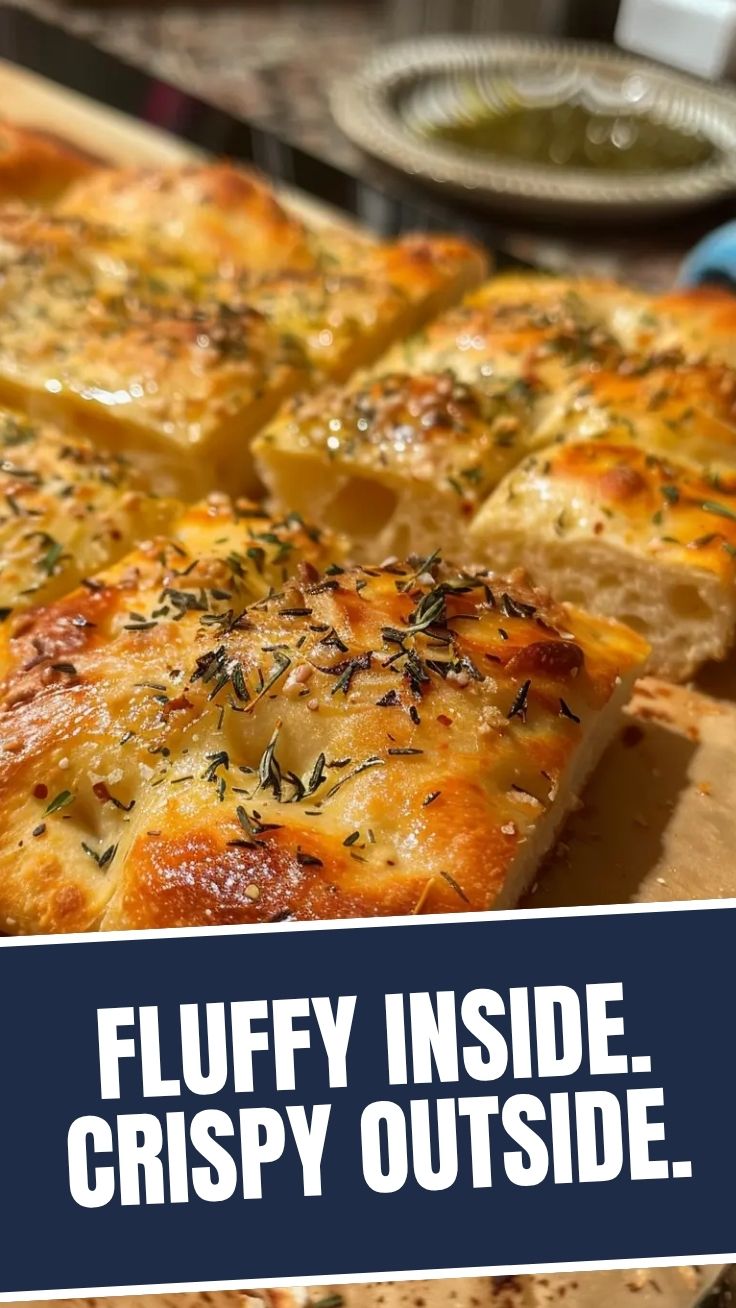
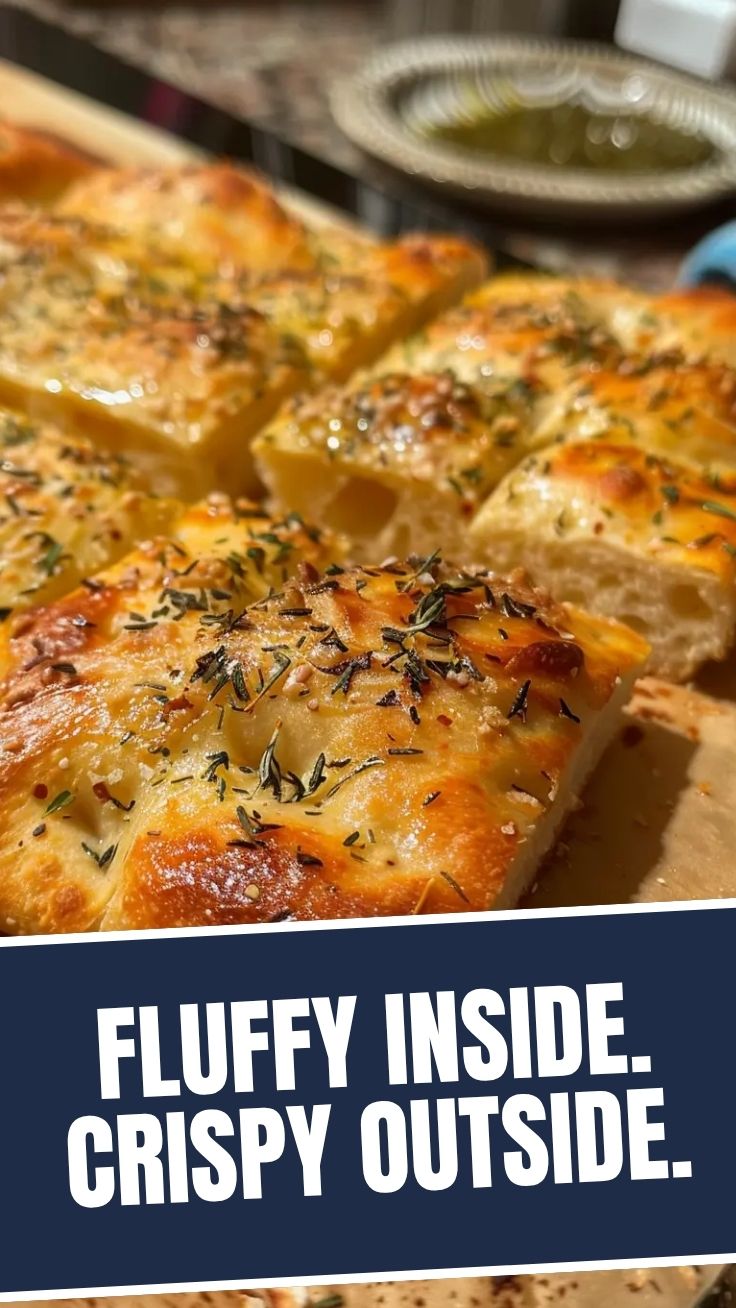
8. Dimple and Top: Preheat your oven to 400°F (200°C). Once the dough has rested, generously drizzle with more extra virgin olive oil. Using your oiled fingertips, gently press deep dimples all over the surface of the dough. This creates those characteristic pockets for oil and toppings. Sprinkle generously with flaky sea salt and fresh rosemary sprigs. This is where the magic really happens for our Artisan Focaccia!
9. Bake: Bake for 25-30 minutes, or until the Focaccia Bread is golden brown on top and bottom.
10. Cool and Serve: Remove from the oven and carefully transfer the focaccia to a wire rack to cool slightly. Serve warm, perhaps with a balsamic glaze or alongside your favorite Italian dishes.
Nutritional Benefits & Advantages
Homemade focaccia, especially when made with whole grains or quality olive oil, offers several advantages. Olive oil is rich in monounsaturated fats and antioxidants, promoting heart health. While focaccia is a delicious indulgence, controlling the quality and quantity of ingredients at home allows for a healthier version. It can serve as a fulfilling accompaniment to salads, soups, or as a base for sandwiches, providing carbohydrates for energy. Using fresh herbs like rosemary also adds beneficial micronutrients and flavor without added sodium.
Tips, Variations & Cooking Advice
- Flavor Variations: Experiment with toppings! Sautéed onions, cherry tomatoes, olives, garlic, cheese (parmesan or feta), or even thinly sliced potatoes are fantastic.
- Whole Wheat Focaccia: Substitute up to half of the all-purpose flour with whole wheat flour for a nuttier flavor and increased fiber. You might need a little extra water.
- Gluten-Free: Use a high-quality gluten-free all-purpose flour blend specifically designed for yeast baking. Results may vary slightly in texture.
- Overnight Cold Proof: For a deeper flavor, after the first rise, place the dough (in an oiled, covered bowl) in the refrigerator overnight (up to 24 hours). The next day, let it come to room temperature for 1-2 hours before transferring to the pan and proceeding with step 7.
- Temperature Control: Ensure your water is warm, not hot, to avoid killing the yeast. A warm, draft-free spot is ideal for proofing.
Common Mistakes to Avoid
- Using cold water: Inactivates the yeast, leading to no rise.
- Not enough oil: Results in a dry focaccia with a less crispy crust.
- Over-kneading: Can develop too much gluten, leading to a tough rather than airy bread. Focaccia is meant to be a wet, loosely mixed dough.
- Under-proofing: Fails to achieve proper rise and crumb structure. Be patient!
- Not dimpling enough: The dimples are key to the focaccia’s texture and for holding the olive oil and toppings.
Storage & Meal Prep Tips
Leftover focaccia can be stored at room temperature in an airtight container or wrapped in foil for 2-3 days. For longer storage, freeze individual slices or larger pieces wrapped tightly in plastic wrap and then foil for up to 3 months. To reheat, thaw if frozen, then warm in a preheated oven at 350°F (175°C) for 5-10 minutes, or until warmed through and the crust is crisp again. It’s also delicious lightly toasted in a pan or under the broiler.
Conclusion
Crafting your own Focaccia Bread at home is a truly rewarding experience, transforming simple ingredients into a culinary masterpiece. This guide has provided all the tools and techniques you need to conquer the art of baking this Italian classic. From activating your yeast to achieving that perfect golden crust, you’re now equipped to produce an Artisan Focaccia that will impress every palate. Don’t be afraid to experiment with toppings and make it your own! Share your focaccia creations with us in the comments below – we’d love to see your delicious results and any unique spins you put on this timeless recipe. Happy baking!
FAQs
1. Can I use instant yeast instead of active dry yeast?
Yes, you can. Instant yeast can typically be mixed directly with the dry ingredients without prior activation. However, for this recipe, I’d still recommend activating it as a safety check for its freshness.
2. Why is my focaccia dense and not airy?
This often indicates issues with yeast activity (old yeast, water too cold/hot) or under-proofing. Ensure your yeast is fresh and your dough rises sufficiently in a warm environment.
3. What’s the best type of olive oil to use?
A good quality extra virgin olive oil is highly recommended for both the dough and the topping, as its flavor greatly influences the final taste of the focaccia.
4. Can I make this focaccia sweet?
Absolutely! Skip the savory toppings and instead drizzle with honey or maple syrup after baking, or add dried fruits and nuts to the dough for a sweet treat.
5. My focaccia stuck to the pan, what went wrong?
You likely didn’t use enough olive oil to generously coat the baking pan. Don’t skimp on the oil here; it prevents sticking and contributes to the crispy bottom.
Proven way to grow perfect Focaccia Bread
Ingredients
Equipment
Method
- In a large bowl, whisk together flour, yeast, and salt, then gradually add warm water and olive oil, mixing until a shaggy dough forms.
- Knead the dough on a lightly floured surface for 8-10 minutes until it becomes smooth and elastic, then place it in a greased bowl, cover, and let it rise in a warm spot for 1-2 hours.
- Once risen, gently punch down the dough, transfer it to a greased baking sheet or cast-iron skillet, and carefully stretch it to fit the pan, then cover and let it rise again for 30 minutes.
- Preheat your oven to 400°F (200°C), then use your fingertips to create dimples in the dough, drizzle with olive oil, and sprinkle with desired toppings like flaky sea salt or herbs.
- Bake for 20-25 minutes until golden brown and cooked through, then remove the focaccia from the oven, let it cool slightly on a wire rack, and serve warm or at room temperature.