The Secret to Silky, Foolproof Hollandaise Sauce at Home
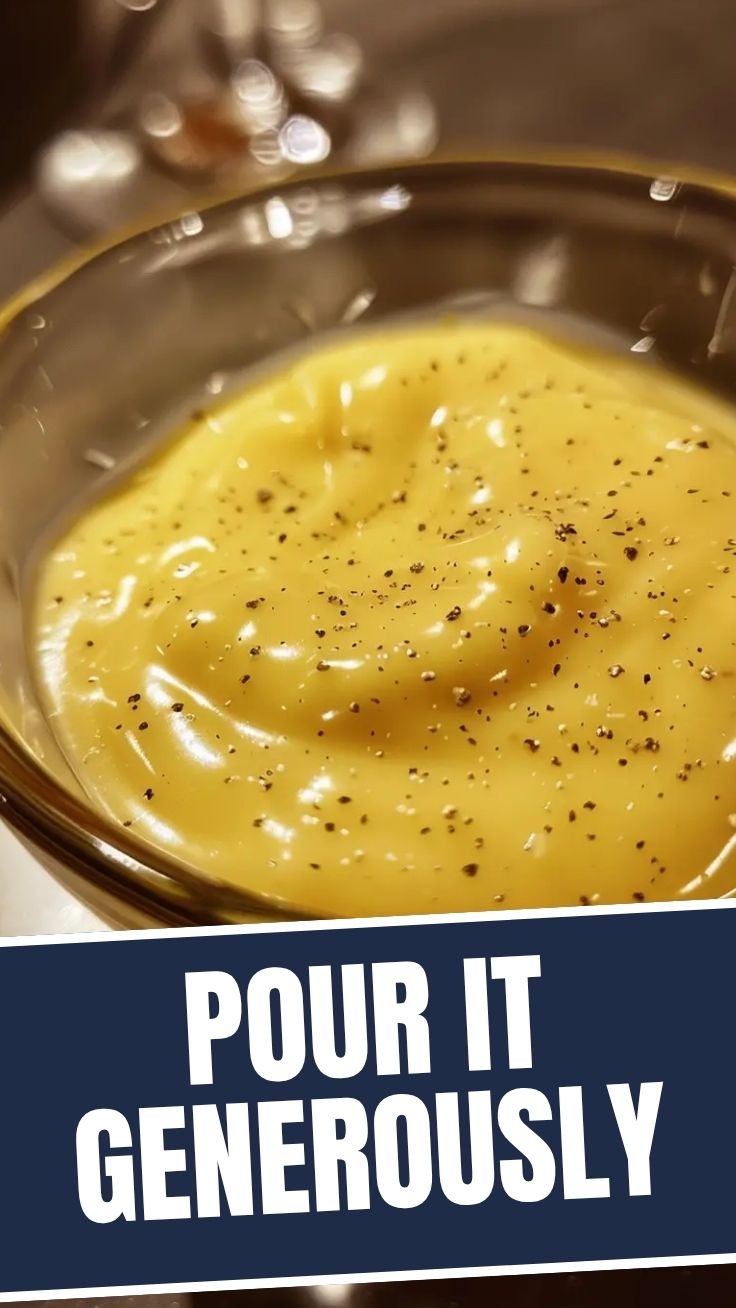
Have you ever ordered eggs Benedict at a brunch spot and wondered why that luscious, buttery Hollandaise Sauce seems so intimidating to make yourself? The truth is, with the right technique and a few insider tips, you can whip up this classic French emulsion in under ten minutes—no double-boiler drama required. Preparing Hollandaise Sauce at home not only saves money but also lets you control the quality of ingredients, adjust the tanginess to your liking, and impress your family with a restaurant‑worthy finish. In this guide, we’ll also share a reliable Hollandaise sauce recipe that avoids common pitfalls, so you can serve velvety perfection every single time.
Ingredients & Kitchen Tools
For the Sauce
– 3 large egg yolks – Use the freshest eggs possible; the yolks act as the emulsifier.
– 1 tablespoon fresh lemon juice – Provides acidity; substitute with white wine vinegar or apple cider vinegar.
– 1 tablespoon cold water – Helps stabilize the emulsion.
– ½ cup (1 stick) unsalted butter – Melted and still warm, but not boiling hot. Clarified butter works even better for a thicker sauce.
– Salt and cayenne pepper – A pinch of each; white pepper is a milder alternative.
– Optional: Dijon mustard (½ tsp) – Adds depth and helps emulsify.
Tools
– Small saucepan or heatproof bowl (for a makeshift double boiler)
– Whisk (preferably a balloon whisk for better aeration)
– Instant-read thermometer (optional but handy)
– Fine-mesh strainer (to catch any cooked egg bits)
Prep Time & Cooking Schedule
– Prep time: 2 minutes (separate yolks, melt butter)
– Cook time: 5–7 minutes (whisking over gentle heat)
– Resting time: None – serve immediately or hold warm for up to 30 minutes.
Why timing matters: Hollandaise is best served fresh. If you’re making eggs Benedict, start the sauce just after you’ve poached your eggs so everything comes together hot.
Step-by-Step Instructions
1. Melt the butter in a small saucepan over low heat until fully liquid. Set aside but keep warm.
2. Whisk the yolks, lemon juice, and water together in a heatproof bowl until pale and slightly thickened (about 30 seconds).
3. Place the bowl over a pan of simmering water (the bottom should not touch the water). Whisk constantly until the mixture thickens enough to coat the back of a spoon – this is the “ribbon stage.” If you see any scrambled bits, remove from heat immediately.
4. Slowly drizzle in the warm melted butter while whisking vigorously. Start drop by drop, then increase to a thin stream. The sauce will thicken and turn glossy.
5. Season with salt, cayenne, and optional mustard. Adjust lemon juice if you prefer a brighter tang.
Temperature control tip: If the sauce gets too thick, whisk in a teaspoon of warm water. If it breaks (separates), whisk in a few drops of cold water or another egg yolk in a clean bowl, then gradually whisk in the broken sauce. Mastering a reliable Hollandaise Sauce is all about patience and low heat. For an even easier method, try the blender version of a Hollandaise sauce recipe – simply blend egg yolks, lemon juice, and salt, then slowly stream in hot melted butter while the blender runs.
Nutritional Benefits & Advantages
Hollandaise is undeniably indulgent, but it does offer some nutritional perks. Egg yolks provide choline (essential for brain health) and lutein (supports eye health). Butter contains fat‑soluble vitamins A, D, E, and K. When made with high‑quality, pasture‑raised eggs and unsalted butter, you also get a dose of beneficial fatty acids. The sauce is naturally gluten‑free and low in carbohydrates, making it a suitable condiment for ketogenic or low‑carb diets. Of course, moderation is key – one tablespoon of Hollandaise contains about 100 calories, but a little goes a long way in elevating vegetables, fish, or eggs.
Tips Variations & Cooking Advice
– Flavor twists: Stir in minced fresh tarragon or chives for a herby version. Swap lemon juice for lime juice and add a pinch of smoked paprika for a South‑west spin.
– Dairy‑free option: Use plant‑based butter (look for one with high fat content) and follow the same method; the texture may be slightly thinner.
– Quick blender hack: Place yolks, lemon juice, and salt in a blender. Heat butter until sizzling. Run blender on low, then slowly pour in hot butter. Done in 60 seconds.
– Hold warm: Keep completed sauce in a thermos or in a bowl set over barely warm water (not too hot or it will break).
Common Mistakes to Avoid
| Mistake | Solution |
|———|———-|
| Sauce splits (curdles) | Too high heat or too fast butter addition. Remove from heat and whisk in 1 tbsp cold water or a fresh egg yolk. |
| Sauce is too thin | Not enough butter or the mixture wasn’t thickened enough before adding butter. Try whisking over gentle heat for another minute. |
| Scrambled egg bits | Heat too high. Immediately remove bowl from heat and whisk vigorously; strain out any lumps. |
| Greasy/slippery texture | Butter was too cool or added too quickly. Ensure melted butter is warm (not scorching) and drizzle slowly. |
Storage & Meal Prep Tips
Hollandaise is best enjoyed immediately, but if you have leftovers, you can refrigerate them in an airtight container for up to 2 days. To reheat, place the sauce in a heatproof bowl over simmering water (or use short bursts in the microwave at 50% power) whisking constantly. Add a few drops of warm water to restore the silky emulsion. Do not freeze – the emulsion will separate irreversibly.
Make‑ahead idea: Prep the egg yolk‑lemon base up to 4 hours in advance and refrigerate. When ready to serve, bring it back to room temperature, then add warm butter as directed. This cuts your active cooking time in half.
Conclusion
Mastering Hollandaise Sauce at home transforms ordinary breakfasts into memorable meals. With the step‑by‑step guidance above and the easy blender Hollandaise sauce recipe, you have everything you need to avoid curdled, greasy, or thin sauces. Remember to keep your heat low, whisk steadily, and season boldly. Try this sauce over steamed asparagus, grilled salmon, or classic eggs Benedict – then share your velvety success in the comments below. Happy cooking!
FAQs
1. Can I use salted butter?
Yes, but reduce added salt accordingly. Clarified butter (ghee) yields a thicker, more stable sauce.
2. Why did my Hollandaise turn yellow and lumpy?
Lumps indicate the eggs cooked too quickly. Strain through a fine‑mesh sieve to remove bits. Next time, use even lower heat and whisk without stopping.
3. How can I make a dairy‑free Hollandaise?
Use a high‑fat vegan butter bar (not spreadable tub). The method is identical, but the sauce may be slightly thinner. Add a teaspoon of nutritional yeast for a buttery flavor.
4. Can I reheat Hollandaise in the microwave?
Yes, but only in 5‑second bursts at 50% power, whisking between each burst. Stop as soon as it’s warm – overheating breaks the emulsion.
5. My sauce tastes too acidic. How do I fix it?
Add a tiny pinch of sugar or a splash of cream to balance the acidity. For future batches, reduce the lemon juice by ¼ teaspoon.
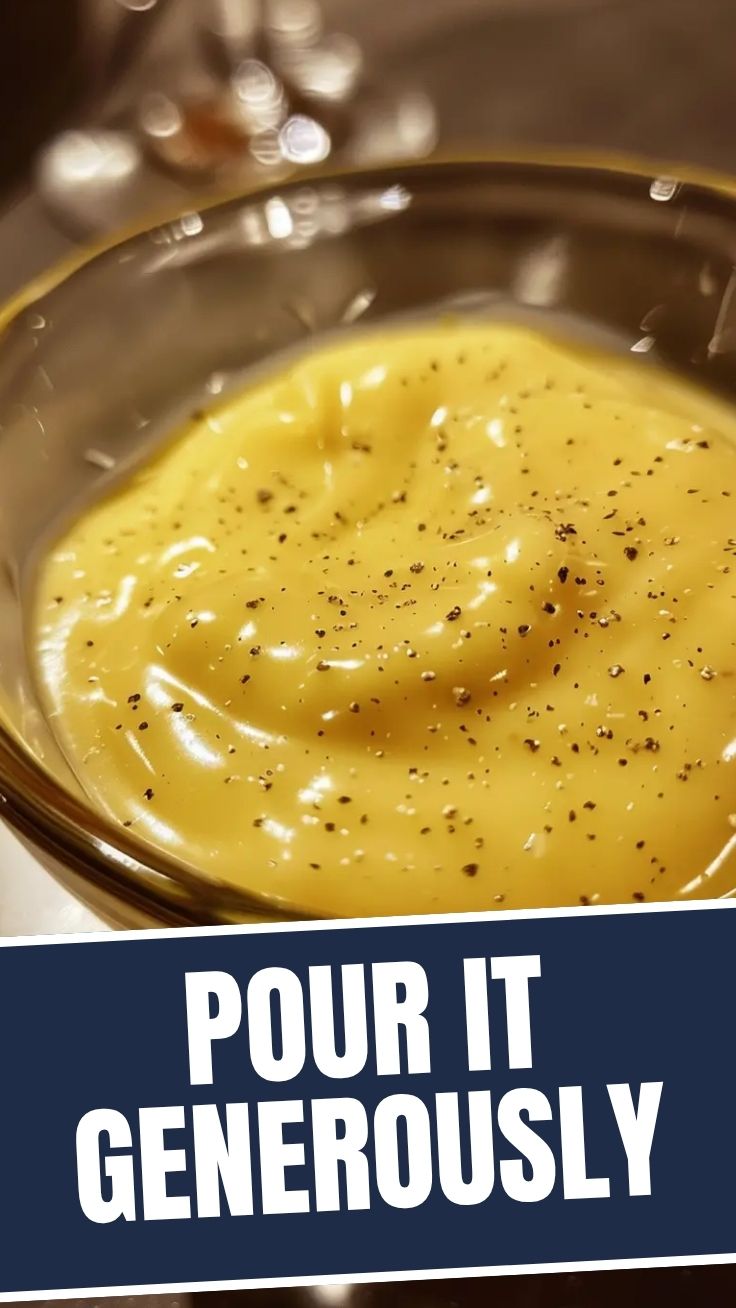
Proven way to grow Hollandaise Sauce in 5 Steps
Ingredients
Equipment
Method
- Set up a double boiler by bringing an inch or two of water to a simmer in a saucepan. Ensure the bowl for the hollandaise fits snugly over the saucepan without touching the water.
- In the heatproof bowl, whisk together the egg yolks, lemon juice, salt, and cayenne pepper until well combined.
- Place the bowl over the simmering water. Gradually drizzle in the melted butter while continuously whisking the egg yolk mixture. Continue to whisk vigorously until the sauce thickens and reaches a velvety consistency.
- Remove the bowl from the heat once thickened. If the sauce becomes too thick, whisk in a teaspoon of warm water until desired consistency is achieved.
- Serve the Hollandaise sauce immediately over asparagus, eggs Benedict, steamed vegetables, or fish.