The Ultimate Guide to Perfect Zucchini Bread: Moist, Flavorful, and Easy to Make
Have you ever wondered how to transform an overabundance of summer squash into a crowd-pleasing treat that disappears within minutes? The answer lies in mastering the art of Zucchini Bread. Preparing this recipe at home is not only cost-effective but also gives you complete control over ingredients, ensuring a healthier, more flavorful result than store-bought alternatives. Whether you are a seasoned baker or a beginner, this guide will walk you through every step to achieve bakery-quality results. If you or a loved one follows a specific diet, you will be thrilled to learn that gluten free zucchini bread is equally achievable with simple ingredient swaps; its moist, tender crumb rivals any traditional version.
Ingredients & Kitchen Tools
Ingredients:
– 2 cups all-purpose flour (or gluten-free 1:1 baking flour for the related keyword variation) – Provides structure.
– 1 teaspoon baking soda – Ensures a proper rise.
– 1 teaspoon baking powder – Adds lightness.
– 1 teaspoon ground cinnamon – Warm spice that complements the squash.
– ½ teaspoon salt – Balances sweetness.
– 1¾ cups granulated sugar – Sweetens without overpowering.
– ½ cup vegetable oil – Keeps the bread exceptionally moist.
– 2 large eggs – Bind ingredients and add richness.
– 1 teaspoon vanilla extract – Enhances flavor depth.
– 2 cups shredded zucchini – Do not peel; squeeze out excess moisture.
– Optional mix-ins: ½ cup walnuts, ½ cup chocolate chips, or ½ cup raisins.
Kitchen Tools & Utensils:
– 9×5-inch loaf pan
– Large mixing bowl and medium bowl
– Whisk and wooden spoon
– Box grater or food processor (shredding disc)
– Clean kitchen towel or paper towels (for draining zucchini)
– Cooling rack
Prep Time & Cooking Schedule
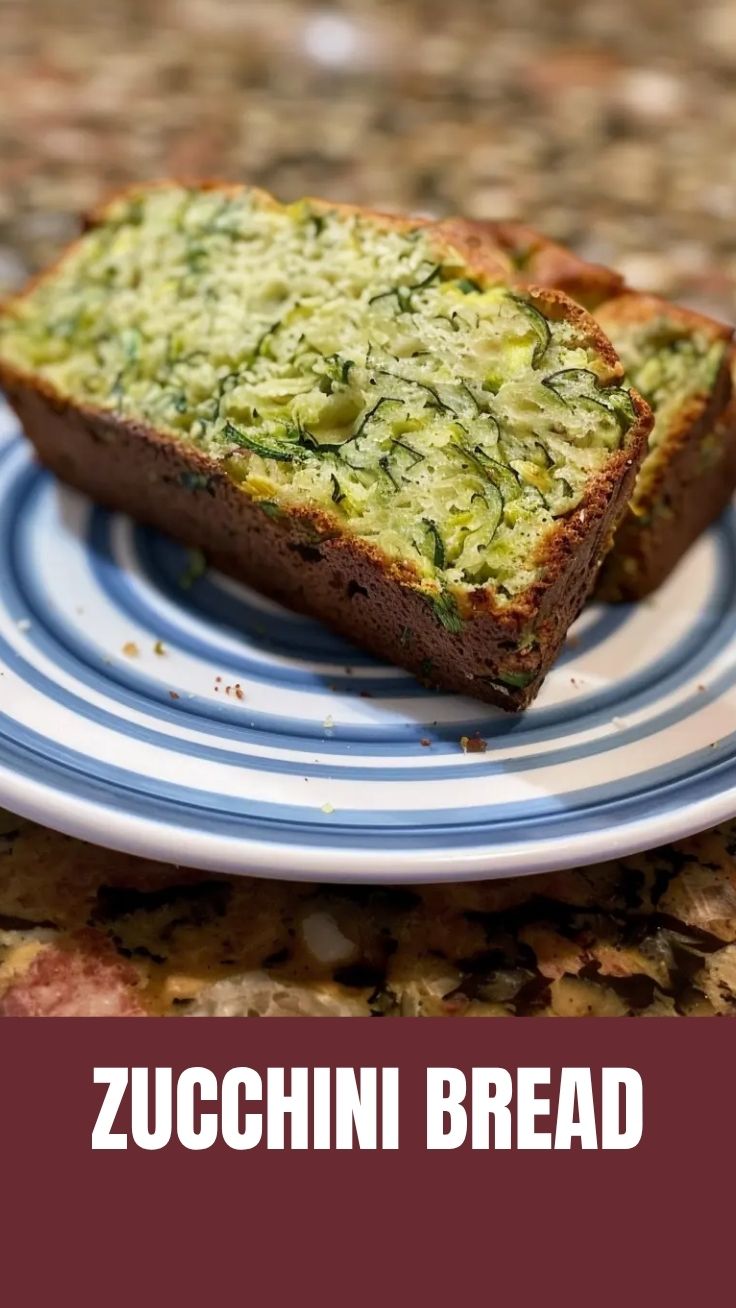
Total Time: 1 hour 15 minutes
Prep Time: 15 minutes (includes shredding and draining zucchini)
Bake Time: 55–65 minutes
Cooling Time: 20 minutes in pan, then 30 minutes on a rack
Planning tip: Shred the zucchini the night before and store it in a sealed container in the fridge. This allows you to simply squeeze and mix in the morning, cutting prep time to just 5 minutes.
Step-by-Step Instructions
1. Preheat and Prepare: Preheat your oven to 350°F (175°C). Grease your 9×5-inch loaf pan with butter or nonstick spray, then dust lightly with flour (or use parchment paper for easy removal).
2. Shred and Drain Zucchini: Using a box grater, shred 2 cups of zucchini. Place the shreds in a clean kitchen towel or several layers of paper towels. Squeeze firmly over the sink to remove as much liquid as possible. This step is critical to avoid a soggy Zucchini Bread; excess water creates a dense, gummy texture.
3. Mix Dry Ingredients: In a medium bowl, whisk together the flour, baking soda, baking powder, cinnamon, and salt. For gluten free zucchini bread, use a 1:1 gluten-free baking flour blend containing xanthan gum to replicate the structure of wheat flour.
4. Combine Wet Ingredients: In a large bowl, beat the sugar and oil together until well combined. Add the eggs one at a time, mixing after each, then stir in the vanilla extract.
5. Fold Together: Gradually add the dry ingredients to the wet mixture, stirring just until no streaks of flour remain. Do not overmix—overworking the batter develops gluten, yielding a tough loaf. Gently fold in the drained zucchini and any optional mix-ins (walnuts, chocolate chips, or raisins).
6. Bake: Pour the batter into the prepared loaf pan and spread evenly. Bake for 55–65 minutes, or until a toothpick inserted into the center comes out clean or with a few moist crumbs. Tent the loaf with foil after 40 minutes if the top is browning too quickly.
7. Cool: Let the bread cool in the pan for 20 minutes, then transfer to a wire rack to cool completely before slicing. Slicing while warm causes the loaf to crumble.
Nutritional Benefits & Advantages
This recipe offers more than just great taste. Zucchini is naturally low in calories and rich in vitamin C, vitamin A, and dietary fiber, adding moisture without significant fat or carbs. When you prepare the gluten free zucchini bread variation, you also accommodate celiac-friendly diets without sacrificing texture. The cinnamon provides antioxidants and may help regulate blood sugar, while the oil keeps the bread tender using heart-healthy unsaturated fats if you choose olive or avocado oil. Each slice delivers a balance of carbohydrates for quick energy and protein from the eggs, making it a satisfying breakfast or snack.
Tips Variations & Cooking Advice
Flavor Variation Ideas:
– Lemon Blueberry: Add 1 tablespoon lemon zest and 1 cup fresh blueberries (tossed in flour) to the batter.
– Spiced Pumpkin Style: Replace ½ cup zucchini with pumpkin purée and add ¼ teaspoon nutmeg and ¼ teaspoon ginger.
– Tropical Twist: Fold in ½ cup crushed pineapple (drained) and ¼ cup shredded coconut.
Dietary Adaptations:
– Vegan: Replace eggs with 2 flax eggs (2 tablespoons ground flaxseed + 6 tablespoons water) and use coconut oil or applesauce for the oil.
– Low-Sugar: Substitute ¾ cup of sugar with monk fruit sweetener or maple syrup.
Cooking Advice:
– For muffins, divide batter into a 12-cup muffin tin and bake for 18–22 minutes.
– For a mini loaf pan, bake for 30–35 minutes.
– If your loaf cracks on top, that is normal and desirable—it creates a rustic look.
Common Mistakes to Avoid
1. Skipping the Zucchini Draining: This is the #1 killer of good zucchini bread. Undrained zucchini releases water during baking, causing a sunken, wet loaf.
2. Overmixing the Batter: Stir only until combined. Overmixing activates gluten, resulting in a tough, rubbery texture.
3. Baking at Too High a Temperature: 350°F is ideal. Higher heat browns the outside too quickly while leaving the center undercooked.
4. Cutting Too Soon: Always cool the loaf completely on a wire rack. Cutting warm bread yields uneven, mushy slices.
5. Using a Wrong Pan Size: A 9×5-inch pan is standard. Using an 8×4-inch pan will cause overflow, while a 10×5-inch pan creates a flat, dry loaf.
Storage & Meal Prep Tips
– Room Temperature: Wrap the completely cooled loaf tightly in plastic wrap or aluminum foil. Store at room temperature for up to 3 days.
– Refrigeration: This bread stays fresh for up to 5 days in the fridge. Wrap well to prevent drying out.
– Freezing: For longer storage, double-wrap the loaf (or individual slices) in plastic wrap and then foil. Freeze for up to 3 months. Thaw overnight in the fridge or at room temperature for 2 hours.
– Reheating: To revive texture, microwave a slice for 15–20 seconds, or warm in a 300°F oven for 5–7 minutes. This brings back the moist, fresh-baked feel.
Conclusion
Mastering Zucchini Bread at home transforms simple ingredients into a versatile, nutrient-rich staple that pleases both traditionalists and those seeking dietary alternatives. The key takeaways are simple: drain your zucchini thoroughly, avoid overmixing, and always let the loaf cool completely before slicing. Whether you follow the standard recipe or try the gluten free zucchini bread variation, you will enjoy a moist, aromatic loaf that rivals any bakery version. We encourage you to try this recipe today and share your results in the comments—your family will thank you! For more seasonal baking ideas, check out our companion guides on banana bread and pumpkin loaf.
FAQs
1. Can I use yellow squash instead of zucchini?
Yes, yellow squash works perfectly as a substitute. It has the same moisture content and texture, though it will slightly alter the color of the bread.
2. Why did my zucchini bread sink in the middle?
This usually happens for two reasons: you did not drain the zucchini enough (excess water weighs down the batter) or you opened the oven door too early, causing a temperature drop.
3. Can I make this recipe dairy-free?
Absolutely. The base recipe is already dairy-free since it uses oil and eggs (no milk or butter). For a vegan version, refer to the Tips section above.
4. How do I prevent my bread from browning too fast?
Cover the loaf loosely with aluminum foil after 35–40 minutes of baking. This protects the top while the center finishes cooking.
5. Can I reduce the sugar without ruining the texture?
Yes, you can reduce the sugar to 1¼ cups with minimal impact. For further reduction, substitute with unsweetened applesauce in equal volume, but note this will slightly increase bake time.
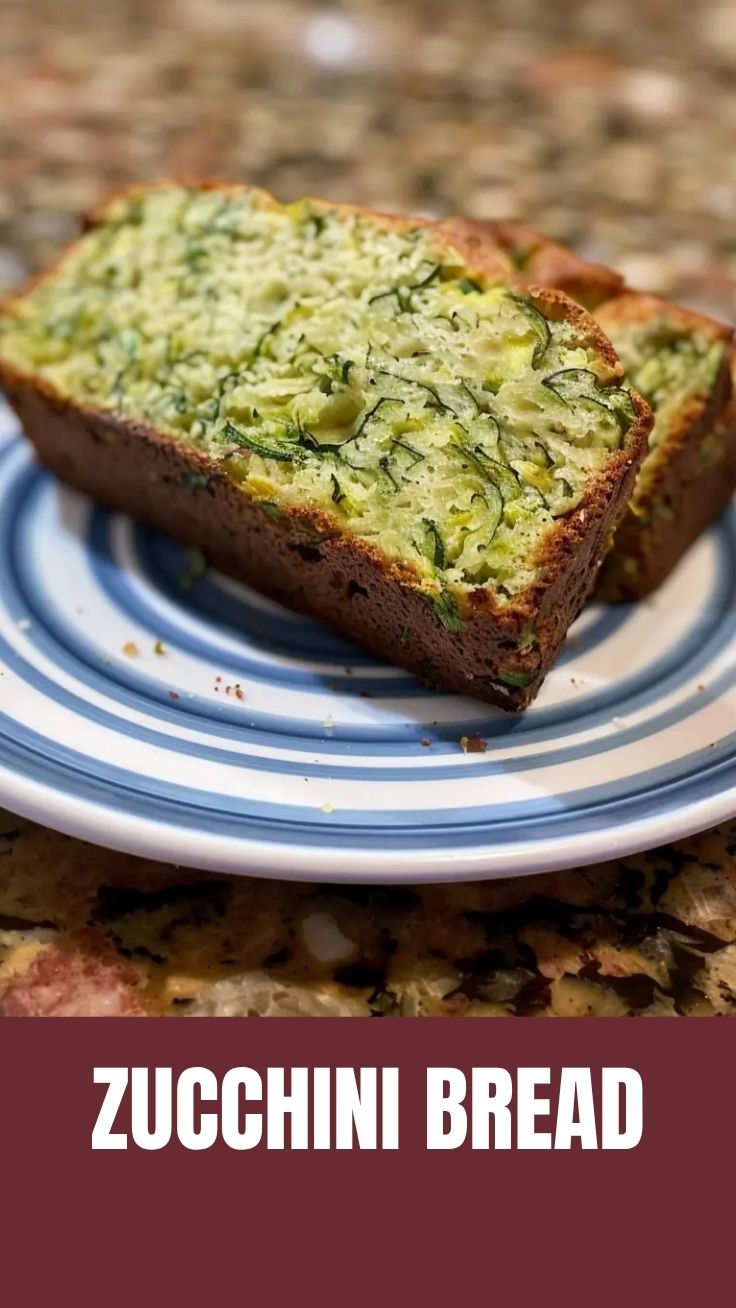
Best way to grow perfect Zucchini Bread
Ingredients
Equipment
Method
- Preheat your oven to 350°F (175°C) and grease a 9x5 inch loaf pan.
- In a large bowl, whisk together the flour, baking soda, salt, and cinnamon.
- In a separate bowl, beat the eggs, sugar, vegetable oil, and vanilla extract until well combined.
- Add the wet ingredients to the dry ingredients and mix until just combined, then fold shredded zucchini into the batter.
- Pour the batter into the prepared loaf pan and bake for 50-60 minutes, or until a toothpick inserted into the center comes out clean.
- Let the bread cool in the pan for 10 minutes before transferring it to a wire rack to cool completely.