Cold Noodle Salad (Asian-style): Your Quick, Refreshing Weeknight Dinner Savior
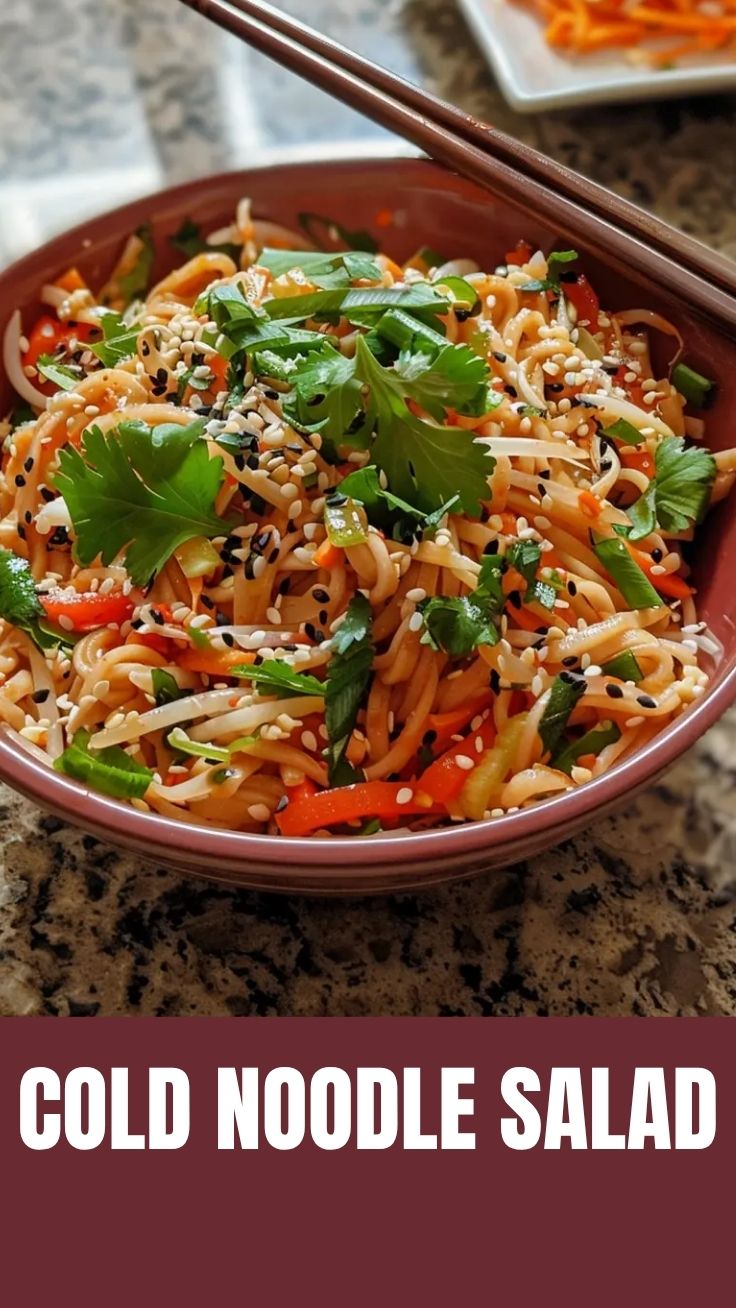
Have you ever craved a bowl of noodles that’s simultaneously light, tangy, and packed with crunch—yet takes less than 20 minutes to throw together? That’s exactly what this Cold Noodle Salad (Asian-style) delivers. In a world of heavy takeout and monotonous meal prep, this vibrant dish cuts through the heat with a cooling, umami-rich punch. Making it at home not only saves money but also lets you control the sodium, spice, and freshness. Whether you’re a busy parent or a solo cook, this Cold Noodle Salad (Asian-style) is your ticket to a satisfying meal without turning on the stove for more than a few minutes.
Ingredients & Kitchen Tools
For the salad
– 8 oz dried soba noodles (buckwheat; see related tip below) – or substitute with rice noodles for gluten-free
– 1 large cucumber, julienned – adds cooling crunch
– 2 medium carrots, julienned or spiralized – natural sweetness
– 3 green onions, thinly sliced – mild onion bite
– 1 red bell pepper, thinly sliced – color and vitamin C
– ¼ cup fresh cilantro, chopped – bright, citrusy finish
– 2 tbsp sesame seeds, toasted – nutty garnish
For the dressing
– 3 tbsp low-sodium soy sauce (or tamari for gluten-free)
– 2 tbsp rice vinegar – tang without harshness
– 1 tbsp sesame oil – smoky richness
– 1 tbsp maple syrup or honey – balance
– 1 tsp fresh ginger, grated – warmth
– 1 clove garlic, minced – depth
– 1 tsp sriracha (optional) – heat to taste
Kitchen tools
– Large pot for boiling noodles
– Colander and ice bath (for shocking noodles)
– Cutting board and sharp knife or julienne peeler
– Mixing bowl and whisk
– Serving bowl
Optional substitutions: Use zucchini noodles instead of soba for a low-carb twist; swap soy sauce with coconut aminos for paleo; add shredded cooked chicken or edamame for protein.
Prep Time & Cooking Schedule
| Stage | Time | Notes |
|——-|——|——-|
| Prep (washing, chopping, grating) | 15 minutes | Use a mandoline or spiralizer for speed |
| Cook soba noodles | 4–6 minutes (plus 5 min ice bath) | Do not overcook; al dente is key |
| Make dressing | 5 minutes | Whisk while noodles cook |
| Resting (optional) | 10 minutes | Let flavors meld before serving cold |
Plan ahead: boil noodles simultaneously while you prep veggies. Once dressed, the salad can rest up to 30 minutes at room temp or be served immediately. For best texture, refrigerate dressed salad only if eating within 2 hours.
Step-by-Step Instructions
1. Cook the noodles – Bring a large pot of water to a rolling boil. Add 8 oz soba noodles and cook according to package directions (usually 4–6 minutes). Stir gently to prevent sticking. Taste one noodle at the minimum time; it should be tender but still have a slight chew. Immediately drain and rinse under cold running water to stop cooking. Then plunge noodles into a bowl of ice water for 2 minutes. Drain well and set aside.
2. Prepare the dressing – In a small bowl, whisk together soy sauce, rice vinegar, sesame oil, maple syrup, grated ginger, minced garlic, and sriracha (if using). Taste and adjust – more vinegar if you like tang, more maple if you prefer sweetness. Set aside.
3. Assemble the salad – In a large mixing bowl, combine the cooled noodles, julienned cucumber, carrot, bell pepper, sliced green onions, and cilantro. Pour the dressing over everything. Toss gently with tongs or hands (use gloves) until every strand is coated. Sprinkle toasted sesame seeds on top.
4. Serve – Transfer to a serving platter or individual bowls. Garnish with extra cilantro and a squeeze of lime if desired. Enjoy immediately or let rest for 10 minutes for deeper flavor. For an extra protein boost, top with shredded chicken or crumbled tofu. This Cold Noodle Salad (Asian-style) is incredibly versatile, and you can even turn leftovers into a soba noodle salad bowl by adding avocado and edamame the next day.
Nutritional Benefits & Advantages
This dish is a nutritional powerhouse wrapped in flavor. Soba noodles (buckwheat) are rich in fiber and protein, plus they contain all eight essential amino acids – rare for a grain‑like ingredient. The rainbow of veggies provides generous doses of vitamin A (carrots), vitamin C (bell peppers), and antioxidants. Sesame oil adds healthy monounsaturated fats, while ginger and garlic support digestion and immunity. The entire salad is naturally low in calories (about 250 per serving) and free of saturated fats. It’s also vegan as written, and swapping soy sauce with tamari makes it gluten‑free.
Tips Variations & Cooking Advice
– Make it a meal: Add grilled chicken, shrimp, or baked tofu. Edamame or chickpeas also boost protein without meat.
– Spice it up: Increase sriracha or add a teaspoon of chili oil. For milder heat, use just a pinch of red pepper flakes.
– Go low‑carb: Replace soba with spiralized zucchini or shirataki noodles – adjust cooking time to 2 minutes for zoodles.
– Kick the sesame: If you have a nut/seed allergy, substitute avocado oil for sesame oil and skip the seeds; garnish with crushed peanuts.
– Dietary adapt: For a whole30 version, use coconut aminos, omit sweetener, and stick with vegetable noodles.
– Cold vs. room temp: Serve cold from the fridge for a hot summer day, or let sit 20 minutes for a less intense chill.
Common Mistakes to Avoid
– Overcooking the soba: They become mushy and lose that lovely bite. Always use an ice bath to stop cooking immediately.
– Skipping the rinse: Soba noodles are starchy; rinsing removes excess starch and keeps them from clumping.
– Dressing too salty: Taste before adding all the soy sauce – ingredient brands vary in saltiness. Start with 2 tablespoons and adjust.
– Not drying vegetables: Wet veggies dilute the dressing. Pat cucumber and bell pepper dry with paper towels after washing.
– Dressing too early: If you won’t serve within 30 minutes, keep dressing separate and toss just before eating to avoid soggy noodles.
Storage & Meal Prep Tips
Store leftover Cold Noodle Salad (Asian-style) in an airtight container in the refrigerator for up to 3 days. The noodles will absorb some dressing, so if you plan to meal‑prep for the week, store the dressing separately and toss daily. To reheat (if you prefer warm), microwave in 30‑second bursts or stir‑fry in a hot pan for 1 minute – though cold is the intended texture. Freezing is not recommended because the vegetables will become limp and the sauce may separate. For lunch prep, pack the salad in a container with a small dressing jar; add a sprinkle of sesame seeds right before eating.
Conclusion
This Cold Noodle Salad (Asian-style) proves that a healthy, delicious meal doesn’t demand hours in the kitchen. With crunchy vegetables, a bright sesame‑ginger dressing, and perfectly cooked soba, it’s a crowd‑pleaser that doubles as a quick dinner and a pack‑able lunch. The beauty lies in its adaptability – you can customize it endlessly while still keeping the core refreshing simplicity. Try making a soba noodle salad version with extra protein and avocado, or stick to the classic plant‑based formula. Either way, you’ll have a go‑to recipe that satisfies cravings without weighing you down. I’d love to hear how yours turns out – share your twist in the comments or tag me in your photos!
FAQs
Q: Can I use rice noodles instead of soba?
A: Absolutely. Cook rice noodles per package directions (usually soak in hot water), rinse, and proceed. They’re a great gluten‑free alternative.
Q: The dressing tastes too strong. How can I fix it?
A: Add a splash of water or extra rice vinegar to thin and brighten. A pinch of sugar can also balance over‑salty dressing.
Q: How long does the salad stay fresh in the fridge?
A: Best within 2 days; after 3 days the veggies lose crunch. Store dressing separately for maximum crispness.
Q: Can I serve this warm instead of cold?
A: Yes! Just skip the ice bath and toss warm noodles with dressing. The flavors will still work, though the “cold salad” character changes.
Q: What’s the best way to julienne vegetables without a spiralizer?
A: Use a standard vegetable peeler to create ribbons, then stack and cut into thin strips. Or snip carrots and cucumber with kitchen shears.
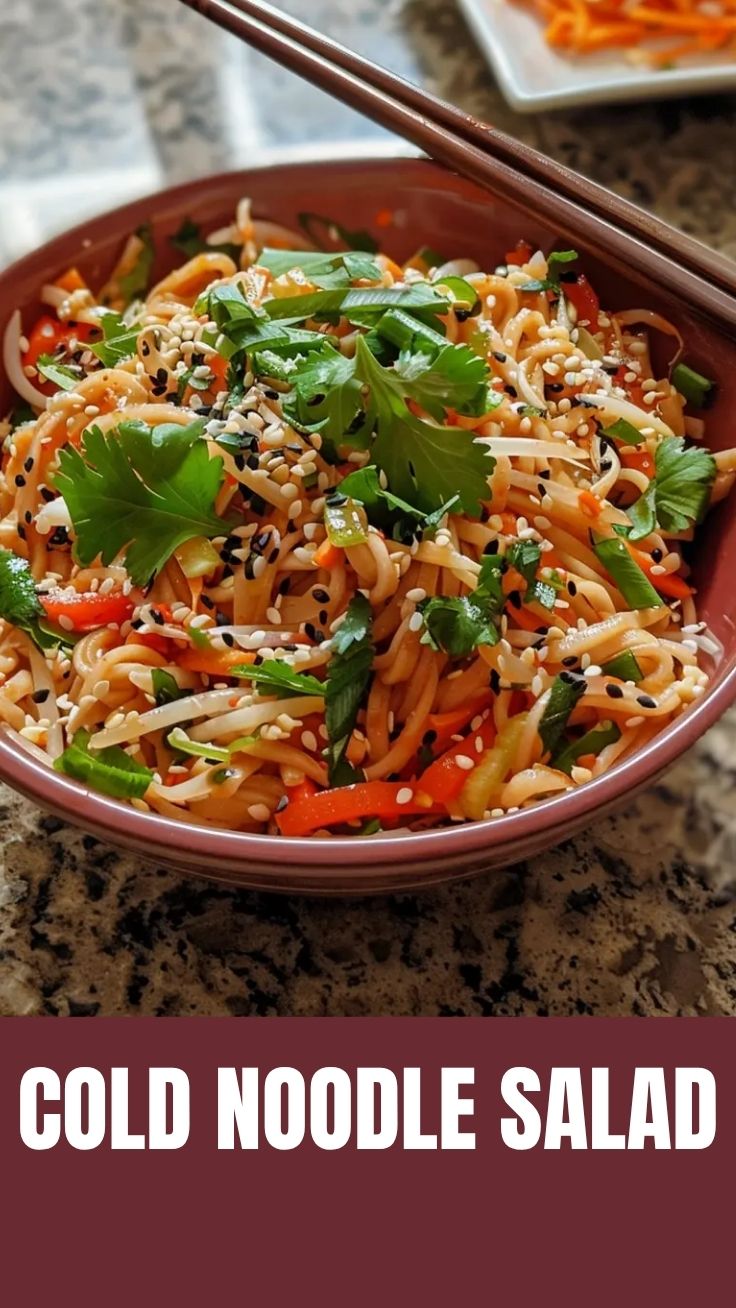
Proven way to grow your Cold Noodle Salad (Asian-style) in
Ingredients
Equipment
Method
- Cook the Asian noodles according to package directions, then drain, rinse with cold water, and set aside.
- Prepare the dressing by whisking together soy sauce, sesame oil, rice vinegar, honey/maple syrup, grated ginger, minced garlic, and chili flakes in a small bowl.
- In a large bowl, combine the cooked and cooled noodles with the julienned cucumber, carrots, sliced red bell pepper, and chopped green onions.
- Pour the dressing over the noodle and vegetable mixture, then toss well to ensure every ingredient is evenly coated.
- Garnish the salad with toasted sesame seeds and fresh cilantro, if desired, just before serving.
- Serve the cold noodle salad immediately or chill for at least 30 minutes to allow the flavors to meld.