The Ultimate Guide to Authentic Belgian Waffles at Home
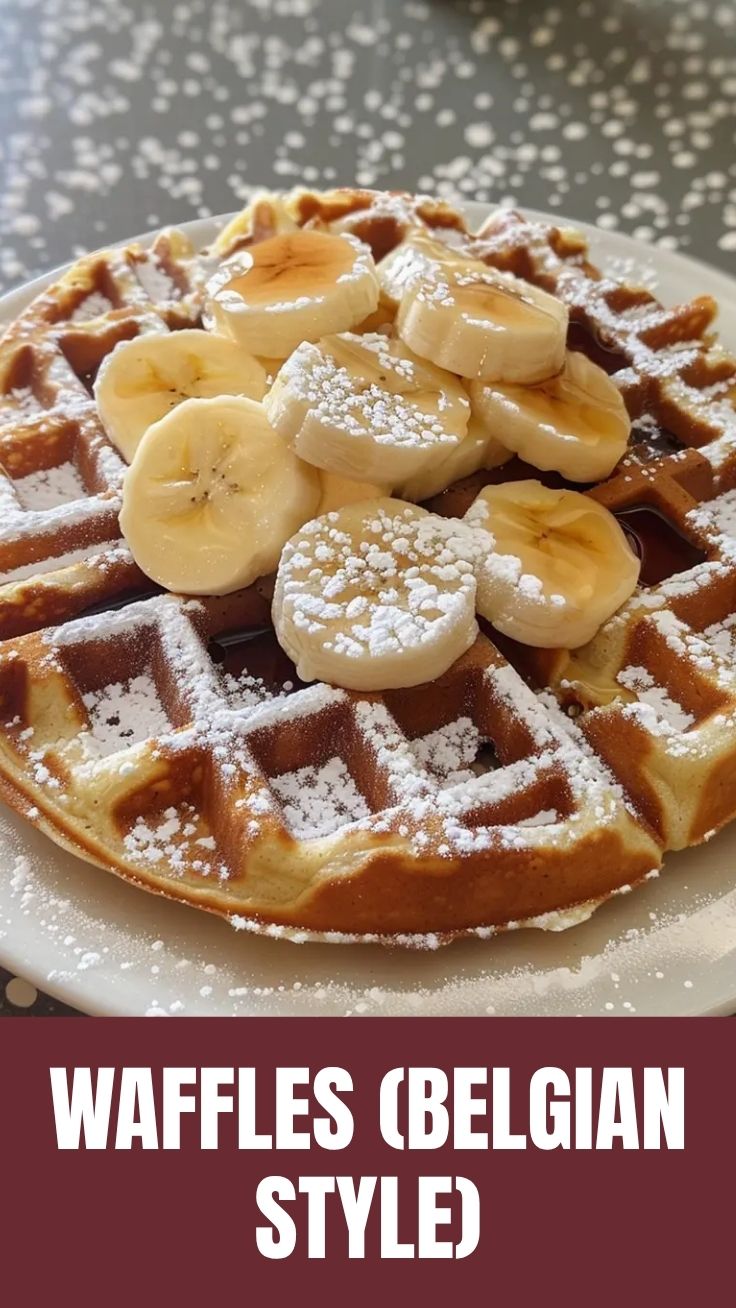
Have you ever bitten into a perfectly crisp, golden waffle with a tender, airy interior and wondered why homemade versions rarely match the magic of a Belgian street vendor? The secret lies in technique, temperature, and the right yeast-based batter. Preparing authentic Waffles (Belgian Style) at home isn’t just about saving money—it’s about creating that signature contrast between a caramelized crust and a pillowy center, all while controlling the quality of every ingredient. Whether you’re craving a classic breakfast or a decadent dessert base, mastering this recipe gives you the freedom to customize flavors and textures. The key to elevating your breakfast game? Using a waffles batter that rests properly and accounting for Liege waffles characteristics (like pearl sugar crunch) means you can replicate both Brussels-style lightness and Liège-style indulgence right in your kitchen.
Ingredients & Kitchen Tools
For the Batter
– 2 cups all-purpose flour (or bread flour for chewier texture)
– 2 large eggs (room temperature—cold eggs slow yeast activation)
– 1½ cups whole milk (warmed to 105°F; use oat milk for dairy-free)
– ½ cup unsalted butter (melted and cooled; coconut oil works well)
– 2 tablespoons granulated sugar (or 3 tablespoons for sweeter waffles)
– 1 packet active dry yeast (2¼ teaspoons; instant yeast reduces proofing time)
– 1 teaspoon vanilla extract (optional but enhances flavor depth)
– ½ teaspoon salt (fine sea salt preferred)
For Liège-Style Variation
– ⅓ cup pearl sugar (or crushed sugar cubes; don’t substitute with regular sugar)
Optional Toppings
– Fresh berries, whipped cream, chocolate sauce, or maple syrup
Kitchen Tools
– Waffle iron (Belgian-style with deep pockets works best)
– Large mixing bowl (stainless steel or glass)
– Whisk (balloon whisk for aerating batter)
– Measuring cups and spoons
– Rubber spatula
– Cooling rack (prevents soggy bottoms)
– Pastry brush (for greasing the iron)
Prep Time & Cooking Schedule
| Stage | Time | Notes |
|——-|——|——-|
| Yeast proofing | 5 minutes | Check for foam—if no bubbles, yeast is dead |
| Batter resting | 1–1.5 hours | Covered at room temperature; doubles in volume |
| Preheat waffle iron | 5 minutes | Set to medium-high (375°F if adjustable) |
| Cooking per waffle | 3–4 minutes | Until steam stops and waffle is deep golden |
| Cooling | 2 minutes | On rack to maintain crispness |
Plan ahead: The batter needs at least 1 hour of rest for gluten development and yeast activation. Overnight refrigeration (up to 12 hours) develops deeper flavor—just bring to room temperature 30 minutes before cooking.
Step-by-Step Instructions
1. Proof the Yeast
In a small bowl, combine warm milk (105°F–110°F), 1 tablespoon of the sugar, and the yeast. Let stand for 5 minutes until frothy. If no foam appears, start over with fresh yeast—this step is critical for achieving signature waffles lightness that defines Belgian-style results.
2. Mix Dry and Wet Ingredients
In a large bowl, whisk flour, remaining sugar, and salt. In another bowl, beat eggs with melted butter and vanilla. Pour the yeast mixture into the wet ingredients, then gradually add to the dry mixture, stirring until just combined. The batter should be thick but pourable—add 1–2 tablespoons extra milk if needed.
3. First Rest and Add Pearl Sugar (for Liège Style)
Cover the bowl with plastic wrap and let rise in a warm spot (75°F–80°F) for 1 hour. After the first rise, gently fold in pearl sugar if making Liege waffles. The sugar crystals should remain intact—overmixing melts them, ruining that signature caramelized crunch that makes Liege waffles so addictive.
4. Preheat and Grease
Set your waffle iron to medium-high heat. Brush both plates lightly with melted butter or oil. The iron should be hot enough that a drop of water sizzles on contact—this prevents sticking and ensures even browning.
5. Cook the Waffles
Pour about ¾ cup batter (adjust for your iron size) into the center. Close the lid and cook for 3–4 minutes without opening—early peeking releases steam and ruins texture. The waffle is done when steam significantly decreases and the top is golden brown. Use a fork to gently lift, never twist, which can tear the structure.
6. Keep Crisp
Transfer each waffle to a cooling rack, not a plate. Stacking traps steam and creates sogginess. Serve immediately with toppings, or keep warm in a 200°F oven on the rack for up to 20 minutes.
Nutritional Benefits & Advantages
Per standard waffle (without toppings): approximately 320 calories, 14g fat, 42g carbs, 8g protein.
– Yeast fermentation breaks down phytic acid in flour, improving mineral absorption compared to baking powder waffles
– Eggs provide high-quality protein (6g per serving) and choline for brain health
– Butter contains butyrate, a short-chain fatty acid that supports gut health
– Whole milk offers calcium and vitamin D, though you can boost protein with Greek yogurt substitution
– Pearl sugar in Liège waffles adds quick energy—ideal for pre-workout fuel
The fermentation process also creates a lower glycemic impact than quick waffles because the yeast partially digests starches, slowing sugar absorption.
Tips, Variations & Cooking Advice
Flavor Twists:
– Chocolate waffles: Replace ¼ cup flour with unsweetened cocoa powder
– Cinnamon sugar: Add 1 teaspoon cinnamon and ¼ teaspoon nutmeg to dry ingredients
– Savory waffles: Reduce sugar to 1 teaspoon, add ¼ cup grated Parmesan and black pepper
Dietary Adaptations:
– Gluten-free: Use 1½ cups gluten-free all-purpose flour + ½ cup almond flour + 1 teaspoon xanthan gum
– Dairy-free: Substitute milk with oat milk and butter with coconut oil
– Vegan: Replace eggs with 2 tablespoons flaxseed meal + 6 tablespoons water (let gel for 5 minutes)
Cooking Methods:
– Oven method: Pour batter into a greased waffle iron pan and bake at 400°F for 15 minutes (no flipping needed)
– Mini waffles: Use ¼ cup batter per waffle and reduce cooking time to 2 minutes
Common Mistakes to Avoid
| Mistake | Solution |
|———|———-|
| Soggy waffles | Never stack freshly cooked waffles; always rest on a cooling rack |
| Burned exterior, raw interior | Lower heat by 25°F and increase cooking time by 1 minute |
| Batter too thin | Add 1–2 tablespoons additional flour if batter runs like crepe batter |
| Sticking to iron | Ensure iron is thoroughly hot before adding batter; brush with oil between batches |
| Flat, dense texture | Don’t skip the first rise—yeast needs time to create air pockets |
Storage & Meal Prep Tips
Refrigeration:
– Store cooked waffles in an airtight container with paper towels between layers
– Keeps for 3 days; refresh in a toaster or 350°F oven for 5 minutes
Freezing:
– Flash freeze on a baking sheet for 1 hour, then transfer to freezer bags
– Lasts 3 months; reheat directly from frozen in a toaster or 375°F oven for 8 minutes
Batter Storage:
– Refrigerate unused batter for up to 24 hours (stir gently before using)
– Do not freeze raw batter—yeast dies during freezing
Conclusion
Mastering homemade Waffles (Belgian Style) transforms your breakfast routine from ordinary to extraordinary. By respecting the yeast’s working time and controlling your iron’s heat, you unlock that elusive combination of crisp exterior and tender crumb that defines authentic waffles. Whether you prefer the light, airy Brussels style or the caramelized sugar crunch of Liege waffles, this recipe gives you the foundation to experiment confidently. The small investment in pearl sugar and quality butter pays off in texture that store-bought mixes simply cannot replicate. I encourage you to try this recipe this weekend—share your golden results with friends or explore our other Belgian-inspired breakfast dishes. Your kitchen is about to smell like a Brussels café.
FAQs
Can I substitute instant yeast for active dry yeast?
Yes, use the same amount but skip the proofing step—mix instant yeast directly with flour. However, reduce the first rest to 45 minutes as instant yeast works faster.
Why are my Liege waffles not crunchy?
The pearl sugar must remain in solid chunks. If you stir too vigorously or the batter is too warm, the sugar melts before caramelizing. Fold sugar in gently after the first rise, when batter has cooled slightly.
Can I make the batter gluten-free without losing texture?
Achieving the same airy structure is challenging but possible. Use a high-quality gluten-free flour blend with added protein (like millet or chickpea flour). Add 1 teaspoon apple cider vinegar to help yeast activation.
How do I know when the waffle is perfectly cooked?
The steam escaping from the iron will visibly decrease. If you lift the lid and the waffle seems pale, close it and cook another 30–60 seconds. Resist opening early—this collapses the structure.
Can I prepare the batter the night before?
Absolutely—this actually improves flavor depth. After the first rise (1 hour at room temperature), cover and refrigerate for 8–12 hours. The next day, let it sit for 30 minutes at room temperature before cooking. You may need to cook 30 seconds longer per waffle.
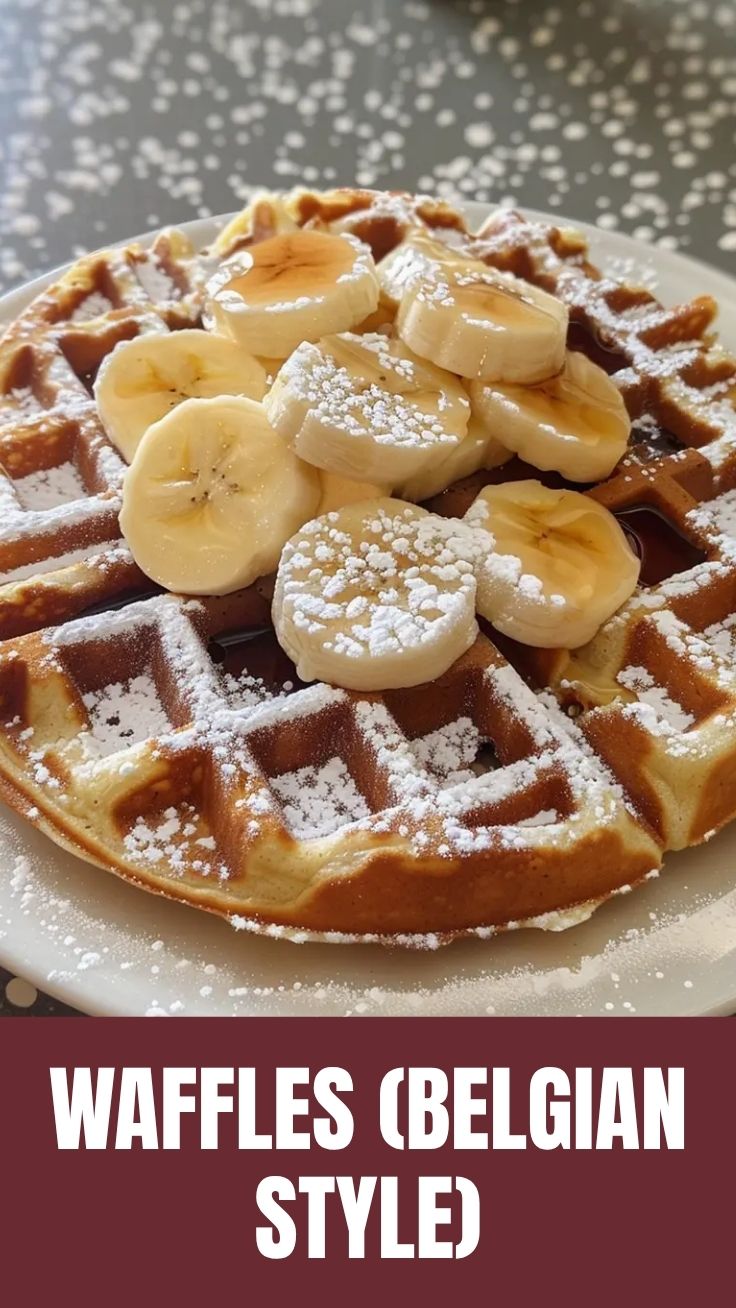
Quick Belgian Style Waffles
Ingredients
Equipment
Method
- In a large bowl, whisk together the flour, sugar, and active dry yeast; set aside.
- In a separate bowl, combine the warm milk, melted butter, eggs, vanilla extract, and salt.
- Pour the wet ingredients into the dry ingredients and whisk until just combined; do not overmix.
- Cover the bowl tightly with plastic wrap and refrigerate for at least 24 hours, and up to 3 days, allowing the yeast to slowly ferment and develop flavor.
- Remove the batter from the refrigerator and let it sit at room temperature for 30 minutes before cooking.
- Preheat your waffle iron according to the manufacturer's instructions and lightly grease if necessary.
- Pour about 1/2 to 3/4 cup of batter per waffle, depending on your waffle iron, and cook for 4-5 minutes until golden brown and crispy.
- Serve immediately with your favorite toppings.