Master the Art of Homemade Creamy Alfredo: A Culinary Journey from Scratch
Ever dreamt of a restaurant-quality meal that’s both comforting and incredibly satisfying, right in your own kitchen? Look no further than the timeless classic: Alfredo. This blog post will guide you through crafting the perfect Chicken Alfredo. Forget the jarred sauces and bland imitations; we’re diving into the secrets behind a truly rich, velvety, and flavorful homemade version. Preparing this dish at home not only guarantees fresh, high-quality ingredients but also allows you to customize it to your exact taste, ensuring a meal that truly hits the spot. The beauty of this recipe lies in its simplicity and the impressive results it yields, making it a fantastic choice for a weeknight dinner or a special occasion. We’ll explore every step to ensure your homemade chicken alfredo pasta is nothing short of spectacular. Get ready to impress your taste buds and loved ones with a dish that’s sure to become a staple in your culinary repertoire.
Ingredients & Kitchen Tools
To embark on your Alfredo adventure, gather these essentials:
- 1 lb boneless, skinless chicken breasts: For succulent protein. (Can substitute with chicken thighs for richer flavor.)
- 1 lb fettuccine pasta: The traditional choice for Alfredo, with its broad surface to cling to the sauce. (Other pasta shapes like penne or spaghetti work too.)
- 1 tbsp olive oil: For searing the chicken. (Or your preferred cooking oil.)
- 2 cloves garlic, minced: Essential for aromatic depth. (Garlic powder can be used in a pinch, but fresh is best.)
- 2 cups heavy cream: The heart of your ultra-creamy Alfredo sauce. (Do not substitute with milk or half-and-half for authentic richness.)
- 1/2 cup unsalted butter: Adds richness and body to the sauce. (Adjust to taste.)
- 1 cup grated Parmesan cheese: Freshly grated is crucial for melt-in-your-mouth texture and authentic flavor. (Pre-grated cheese often contains anti-caking agents that affect melting.)
- Salt and freshly ground black pepper: To taste, for perfect seasoning.
- Fresh parsley, chopped (for garnish): Adds a touch of freshness and color. (Optional, but highly recommended.)
Kitchen Tools:
- Large skillet or Dutch oven
- Large pot for cooking pasta
- Whisk
- Tongs
- Cutting board
- Sharp knife
- Cheese grater (if using a block of Parmesan)
Prep Time & Cooking Schedule
- Prep Time: 15 minutes
- Cook Time: 25-30 minutes
- Total Time: 40-45 minutes
This recipe is designed for efficiency, making it perfect for a weeknight meal. Start by gathering all your ingredients and chopping your chicken and mincing your garlic. While the pasta water comes to a boil, you can sear your chicken, ensuring a seamless flow in your cooking process.
Step-by-Step Instructions
1. Prepare the Chicken: Pat the chicken breasts dry with paper towels. Season generously with salt and pepper. Heat 1 tablespoon of olive oil in a large skillet over medium-high heat. Sear the chicken for 5-7 minutes per side, or until golden brown and cooked through (internal temperature of 165°F/74°C). Remove from skillet, let rest for a few minutes, then slice into bite-sized pieces. Set aside.
2. Cook the Pasta: While the chicken rests, bring a large pot of salted water to a rolling boil. Add the fettuccine and cook according to package directions until al dente. Reserve 1 cup of pasta water before draining.
3. Craft the Alfredo Sauce: In the same skillet (no need to clean it!), melt the butter over medium heat. Add the minced garlic and sauté for 30 seconds until fragrant, being careful not to burn it.
4. Emulsify the Sauce: Pour in the heavy cream and bring to a gentle simmer, whisking constantly. Reduce the heat to low and whisk in the grated Parmesan cheese, a little at a time, until the sauce is smooth and creamy. If the sauce is too thick, add a splash of the reserved pasta water until it reaches your desired consistency. Season with salt and pepper to taste.
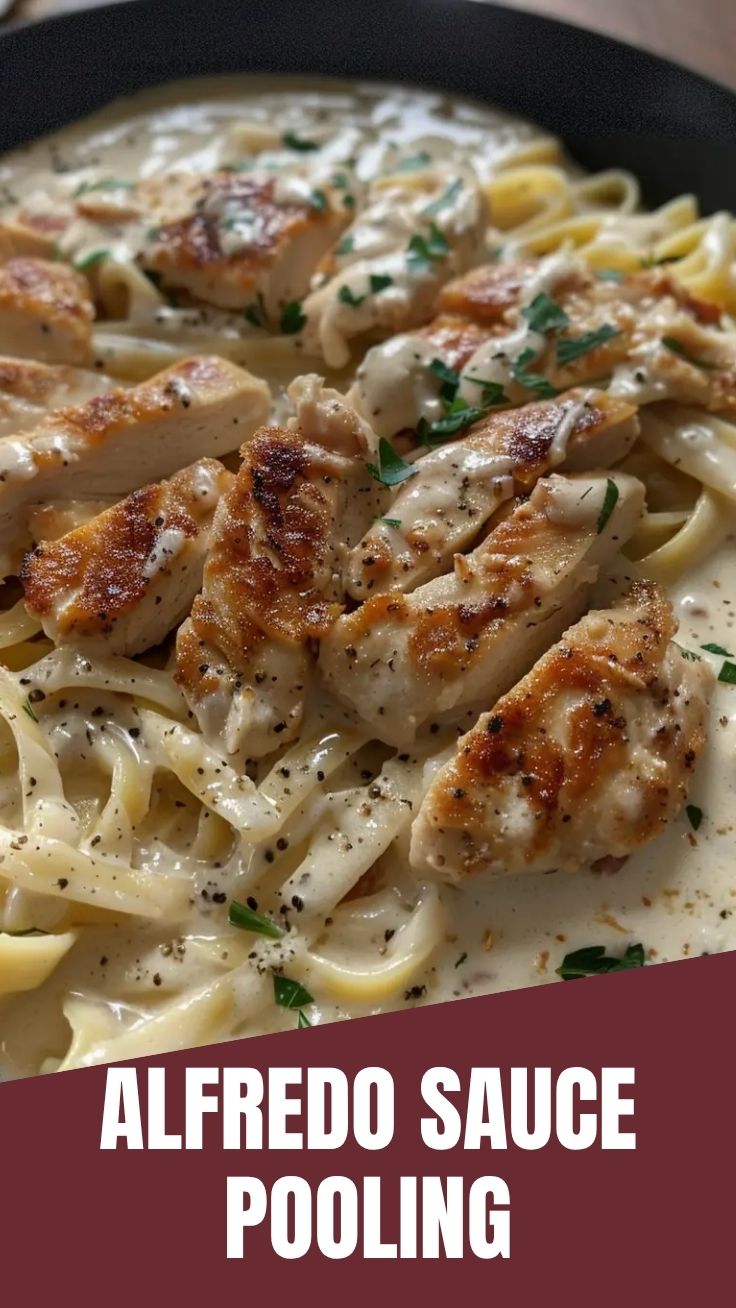
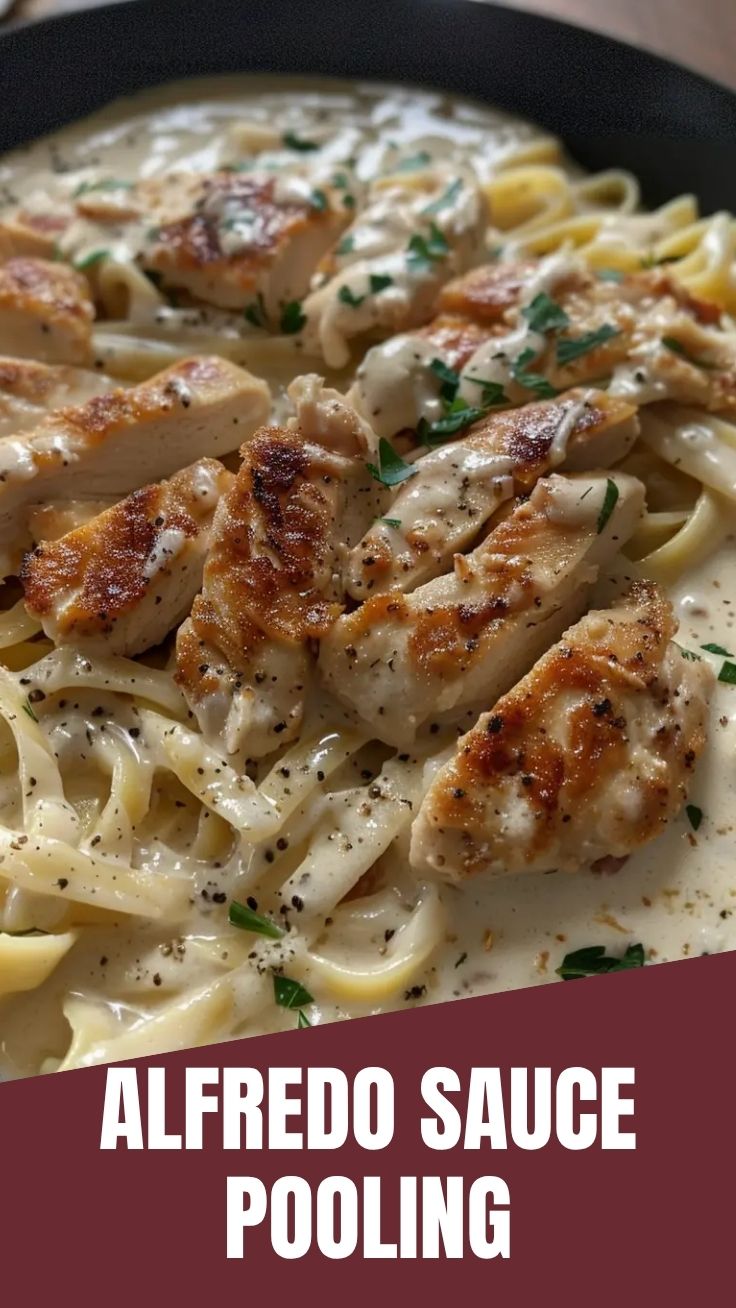
5. Combine and Serve: Add the cooked Chicken Alfredo pieces and the drained fettuccine to the sauce. Toss gently to coat everything evenly. The creamy chicken alfredo pasta should be glistening with sauce.
6. Garnish and Enjoy: Serve immediately, garnished with fresh chopped parsley, if desired.
Nutritional Benefits & Advantages
While often seen as an indulgent dish, chicken Alfredo, when made with fresh, quality ingredients, offers surprising nutritional benefits. Chicken provides lean protein, essential for muscle repair and growth. Dairy products like heavy cream and Parmesan are rich in calcium, vital for bone health. Opting for whole wheat pasta can boost fiber intake, aiding digestion. Moreover, cooking at home allows you to control portion sizes and ingredient quality, avoiding excessive sodium or unhealthy fats often found in restaurant versions.
Tips, Variations & Cooking Advice
- Spice It Up: Add a pinch of red pepper flakes to the sauce for a subtle kick.
- Veggies Welcome: Sautéed mushrooms, spinach, or broccoli florets can be added with the chicken for extra nutrients and flavor.
- Alternative Proteins: Shrimp or even grilled salmon can be fantastic substitutes for chicken.
- Garlic Lover’s Dream: Feel free to increase the amount of minced garlic for a more pungent flavor profile.
- Gluten-Free Option: Use gluten-free pasta and ensure all other ingredients are gluten-free.
- Dairy-Free (Careful!): Achieving a truly dairy-free Alfredo is challenging due to the heavy reliance on cream and cheese. However, some recipes utilize cashew cream and nutritional yeast for a similar, though distinct, flavor.
Common Mistakes to Avoid
- Overcooking the Pasta: Mushy pasta is a no-no! Always cook to al dente for the best texture.
- Burning the Garlic: Garlic cooks quickly. Keep the heat low and watch it closely to prevent bitterness.
- Skimping on Fresh Parmesan: Pre-grated cheese often contains cellulose, which can make your sauce gritty or oily. Always opt for freshly grated Parmesan for the silkiest sauce.
- Overheating the Sauce: Once the cream is simmering, keep the heat low when adding the cheese. Too high heat can cause the sauce to break or become grainy.
- Adding Cold Cheese: Allow cheese to come to room temperature before adding to the sauce for smoother melting.
Storage & Meal Prep Tips
Leftover chicken Alfredo can be stored in an airtight container in the refrigerator for up to 3-4 days. To reheat, gently warm on the stovetop over low heat, adding a splash of milk or cream to loosen the sauce as needed. Avoid reheating in the microwave at high power, as it can cause the sauce to separate. Freezing is generally not recommended for Alfredo, as the cream-based sauce can separate and become grainy upon thawing.
Conclusion
There you have it – the ultimate guide to creating a truly spectacular homemade Chicken Alfredo. From perfectly seared chicken to a velvety, rich sauce and perfectly cooked pasta, every element comes together to form a dish that’s both comforting and impressive. This recipe demonstrates that restaurant-quality dining is easily achievable in your own kitchen. We hope you feel empowered to recreate this creamy chicken alfredo pasta and savor every delicious bite. Don’t hesitate to experiment with the variations and make this dish uniquely yours. Share your culinary creations with us and spread the joy of homemade goodness!
FAQs
Q1: Can I use half-and-half instead of heavy cream?
A1: While you can, it’s not recommended for authentic Alfredo. Half-and-half has a lower fat content, which can result in a thinner, less rich sauce that’s more prone to separating.
Q2: My Alfredo sauce is too thick/thin. How do I fix it?
A2: If it’s too thick, gradually whisk in some of the reserved pasta water until it reaches your desired consistency. If it’s too thin, you can try simmering it gently for a few more minutes to reduce, but be careful not to overcook and risk separation.
Q3: Can I make the Alfredo sauce ahead of time?
A3: It’s best to make the Alfredo sauce just before serving, as cream-based sauces can thicken considerably and sometimes separate upon reheating.
Q4: What’s the best way to prevent the chicken from drying out?
A4: Ensure you don’t overcook the chicken. Searing it until just cooked through (165°F/74°C internal temperature) and allowing it to rest before slicing will keep it juicy.
Quick way to grow Chicken Alfredo
Ingredients
Equipment
Method
- Cook fettuccine according to package directions, then drain and set aside.
- Season chicken cubes with salt and pepper.
- Melt butter in a large skillet over medium heat, then add chicken and cook until browned and cooked through.
- Add minced garlic to the skillet with the cooked chicken and sauté for 1 minute until fragrant.
- Pour in the heavy cream and bring to a simmer, stirring occasionally.
- Reduce heat to low, stir in the grated Parmesan cheese, and continue stirring until the sauce is smooth and thickened.
- Add the cooked fettuccine to the skillet with the Alfredo sauce and chicken, tossing to coat evenly.
- Garnish with fresh parsley before serving.