Why This Fresh Salsa Will Transform Your Cooking
Have you ever bitten into a watery, flavorless store-bought salsa and wondered why it just doesn’t compare to the vibrant version you had at a taqueria? The secret lies in making it yourself—and once you learn how to craft an Authentic Pico de Gallo, you’ll never go back. This bright, chunky salsa brings together just-ripe tomatoes, crisp onions, fiery jalapeños, and fragrant cilantro in a perfect balance of acidity and heat. Preparing it at home not only guarantees peak freshness but also saves money and lets you control every ingredient. Whether you’re looking for a foolproof Pico de Gallo recipe to accompany tacos, grilled meats, or even morning eggs, this guide will walk you through every detail—from knife skills to storage hacks. The result? A bold, authentic salsa that’s free from preservatives and tailored exactly to your palate.
Ingredients & Kitchen Tools
Required Ingredients
– 6 medium Roma tomatoes – Firm, fully red but not mushy; remove seeds and excess jelly for a cleaner texture.
– 1 medium white onion – Finely dice to about ¼-inch cubes; soak in cold water 5 minutes to mellow sharpness.
– 2 jalapeño peppers – Remove seeds and ribs for milder heat; leave them in for extra kick.
– 1 cup fresh cilantro leaves – Pack loosely, then chop finely (stems are fine if tender).
– Juice of 2 limes – Freshly squeezed; bottled juice lacks brightness.
– 1 teaspoon fine sea salt – Start with less, adjust after the flavors meld.
– Optional: ¼ cup diced cucumber – Adds crunch and reduces acidity for sensitive palates.
Kitchen Tools & Utensils
– Sharp chef’s knife – Essential for precise, clean cuts.
– Cutting board – Preferably large and non-slip.
– Mixing bowl – Medium size, glass or stainless steel.
– Colander – For rinsing tomatoes and cilantro.
– Small mesh sieve – To drain any onion-soaking water.
– Juice reamer or citrus press – Maximizes lime juice yield.
– Optional: Measuring spoons – Helpful for salt consistency.
Prep Time & Cooking Schedule
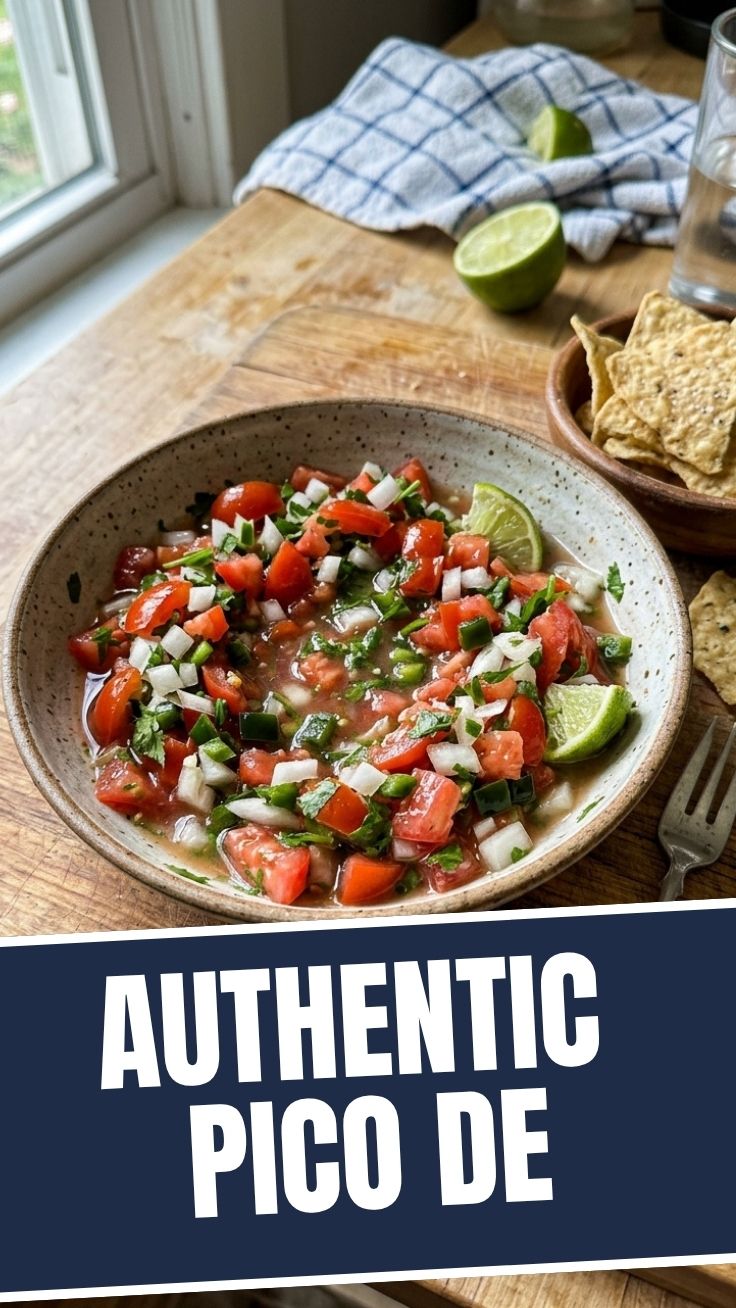
– Prep time: 15 minutes (dicing and chopping)
– Resting time: 30 minutes (allow flavors to meld at room temperature)
– Total time: 45 minutes
Plan ahead: The resting period is critical. While you can enjoy it immediately after mixing, letting it sit for 30 minutes brings the acidity, heat, and salt into harmony. Use this window to cook your main dish—grilled fish, tacos, or a simple quesadilla.
Step-by-Step Instructions
1. Prepare the tomatoes: Cut each Roma tomato in half horizontally. Gently squeeze out seeds and liquid with your fingers. Dice the tomato flesh into ¼-inch cubes and transfer to a mixing bowl. Tip: avoid pressing too hard—mushy tomatoes ruin the texture.
2. Dice the onion: Finely chop the white onion to match the tomato size. Place in a small bowl, cover with cold water, let sit 5 minutes, then drain. This process removes harsh sulfur compounds while keeping the crunch. Add to the tomatoes.
3. Handle the jalapeños: Slice each jalapeño lengthwise, remove seeds and white membranes with a small knife, then dice finely. Wear gloves or wash hands immediately afterward to avoid skin irritation. Stir into the bowl.
4. Chop cilantro: Gather cilantro leaves and tender stems, chop coarsely, and add.
5. Season and finish: Pour in fresh lime juice, sprinkle salt, and stir gently with a spoon. Taste and adjust—more lime for acidity, more salt for depth. Let rest at room temperature for 30 minutes. During this time, the textures settle and the Authentic Pico de Gallo develops its signature bold character. Every Pico de Gallo recipe benefits from this patience; the flavors marry, creating a salsa that tastes far greater than its simple components.
Nutritional Benefits & Advantages
This salsa is a nutrient powerhouse without any guilt. Tomatoes supply lycopene, a potent antioxidant linked to reduced heart disease risk and better skin health. Onions offer quercetin and prebiotic fibers that support gut bacteria. Jalapeños contribute capsaicin, which may boost metabolism and reduce inflammation. Cilantro acts as a natural chelator, helping the body eliminate heavy metals. Lime juice provides a generous dose of vitamin C—up to 30% of your daily needs per serving. Additionally, the entire dish is vegan, gluten-free, dairy-free, and low in calories (about 25 calories per half-cup). It’s also low in sodium, as you control the salt. No added sugars, preservatives, or artificial flavors—just whole, clean ingredients.
Tips, Variations & Cooking Advice
– Flavor swaps: Replace jalapeño with serrano pepper for more heat, or use poblano for a mild, earthy note.
– Add fruits: Diced mango or pineapple provides a sweet-tart contrast perfect for fish tacos.
– Herb changes: Substitute ½ cup chopped fresh mint or basil for cilantro if you’re among the cilantro-hating population (genetic sensitivity affects about 10% of people).
– Texture tweaks: For a saucier version, process half the mixture in a food processor with one pulse, then combine with the remaining diced pieces.
– Dietary adaptations: Already naturally gluten-free and paleo-friendly. To reduce FODMAPs, use green parts of scallions instead of onion and omit jalapeño seeds.
– Portion scaling: This recipe makes about 3 cups. Double or triple easily—just adjust salt gradually.
Common Mistakes to Avoid
– Using overripe or mealy tomatoes – The salsa will become watery and lack structure. Choose firm, blemish-free Romas.
– Skipping the onion soak – Raw onion can overpower the entire dish. A brief soak tames the bite while keeping crunch.
– Over-chopping cilantro – You want fluffy leaves, not a paste. Chop just enough to integrate, not bruise.
– Adding salt too late or too little – Salt is essential to draw out moisture and meld flavors. Under-salted pico de gallo tastes flat.
– Refrigerating immediately – Cold temperatures dull flavor. Let it rest at room temp first, then refrigerate if needed.
– Using bottled lime juice – The acidity is less bright and often has a cooked aftertaste. Fresh limes are non-negotiable.
Storage & Meal Prep Tips
Refrigerate leftover salsa in an airtight container for up to 3 days. The texture will soften slightly, but flavor deepens. Do not freeze—the tomatoes collapse into mush upon thawing. For best results:
– Drain any excess liquid that accumulates before serving leftovers (use it in salad dressings or marinades).
– To maintain crunch, add a fresh dice of onion or cucumber just before serving.
– If prepping ahead, combine all ingredients except salt and lime juice; refrigerate separately, then season right before serving to maximize freshness.
Conclusion
Making your own Authentic Pico de Gallo is a small effort that rewards you with a salsa bursting with life, color, and flavor. From the perfect dice to the essential resting period, each step builds toward a condiment that elevates tacos, burrito bowls, grilled meats, and even simple chips. Remember that the best Pico de Gallo recipe isn’t about complex techniques—it’s about respecting fresh ingredients and balancing acid, salt, and heat. We encourage you to try this version, adjust the spice to your liking, and share your results with friends. For more easy, homemade Mexican-inspired staples, explore our other recipes on tacos, nachos, and salsas. Your taste buds will thank you.
FAQs
1. Can I use regular red onions instead of white?
Yes, but red onions have a stronger, slightly sweeter bite. Soak them in water for 10 minutes to reduce pungency.
2. How long does pico de gallo last in the fridge?
Up to 3 days in an airtight container. After that, tomatoes become too soft, though still safe to eat within 5 days if kept cold.
3. My pico de gallo is too watery. What do I do?
Likely from overly ripe tomatoes or too much lime juice. Next time, seed the tomatoes thoroughly and use only ½ lime per batch initially. For the current batch, drain excess liquid with a slotted spoon.
4. Can I use dried cilantro or skip it?
Dried cilantro lacks the fresh, citrusy notes that define this salsa. Better to omit it entirely and add a little extra lime zest for brightness.
5. Is this recipe spicy? How can I make it mild?
With seeds removed from one jalapeño, it’s mild to medium (2–3 out of 10). For a milder version, use only half a jalapeño or swap for a poblano pepper.
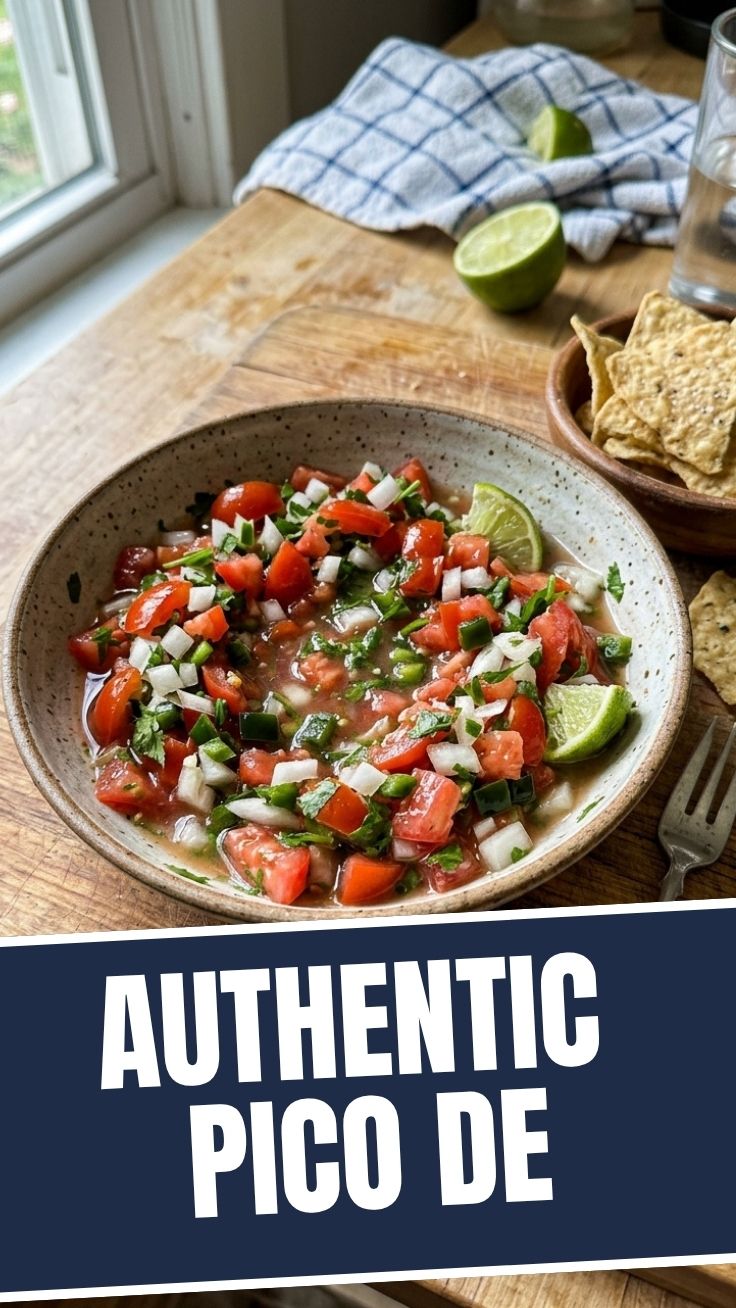
Authentic Pico de Gallo
Ingredients
Equipment
Method
- Dice the roma tomatoes, finely dice the white onion, and chop the fresh cilantro.
- Finely dice the jalapeño, removing the seeds if you prefer less heat.
- In a medium bowl, combine the diced tomatoes, onion, cilantro, and jalapeño.
- Add the freshly squeezed lime juice, salt, and black pepper to the bowl.
- Stir all ingredients gently to combine and ensure everything is well distributed.
- Taste and adjust seasonings as needed, adding more salt, pepper, or lime juice to your preference.
- Serve immediately with your favorite Mexican dishes or cover and chill in the refrigerator for at least 15 minutes to allow the flavors to meld.