The Ultimate Guide to Perfectly Moist Banana Bread (Every Single Time)
Have you ever stared at a bunch of overripe bananas on your counter and wondered what else you can do besides tossing them in the freezer? The answer is a warm, golden-brown slice of heaven that transforms those spotty bananas into something truly special. Making your own Banana Bread at home isn’t just about saving money or reducing food waste—it’s about controlling the quality of ingredients, customizing the flavor to your taste, and experiencing that unmatched satisfaction of pulling a fragrant loaf from your own oven. This Recipe is designed to be foolproof, giving you a bakery-worthy result with minimal effort.
Ingredients & Kitchen Tools
Every great bake starts with the right ingredients and tools. Here’s what you’ll need:
Ingredients:
– 3 ripe bananas (the spotter, the better – they provide natural sweetness and moisture)
– 1/3 cup melted butter (unsalted, to control sodium levels; coconut oil works as a dairy-free swap)
– 3/4 cup granulated sugar (or brown sugar for deeper flavor; reduce to 1/2 cup for less sweetness)
– 1 large egg (room temperature for better emulsion; flax egg for vegan version)
– 1 teaspoon vanilla extract (pure, not imitation, for richer aroma)
– 1 teaspoon baking soda (ensures proper rise, not baking powder – they differ!)
– Pinch of salt (enhances all flavors)
– 1 1/2 cups all-purpose flour (spooned and leveled; whole wheat or gluten-free blend works)
– Optional: 1/2 cup mix-ins like chocolate chips, walnuts, or blueberries
Kitchen Tools:
– 9×5-inch loaf pan (standard size for even baking)
– Mixing bowls (one large, one medium)
– Fork or potato masher (for bananas)
– Whisk or wooden spoon
– Rubber spatula
– Cooling rack (essential for texture)
– Measuring cups and spoons
Prep Time & Cooking Schedule
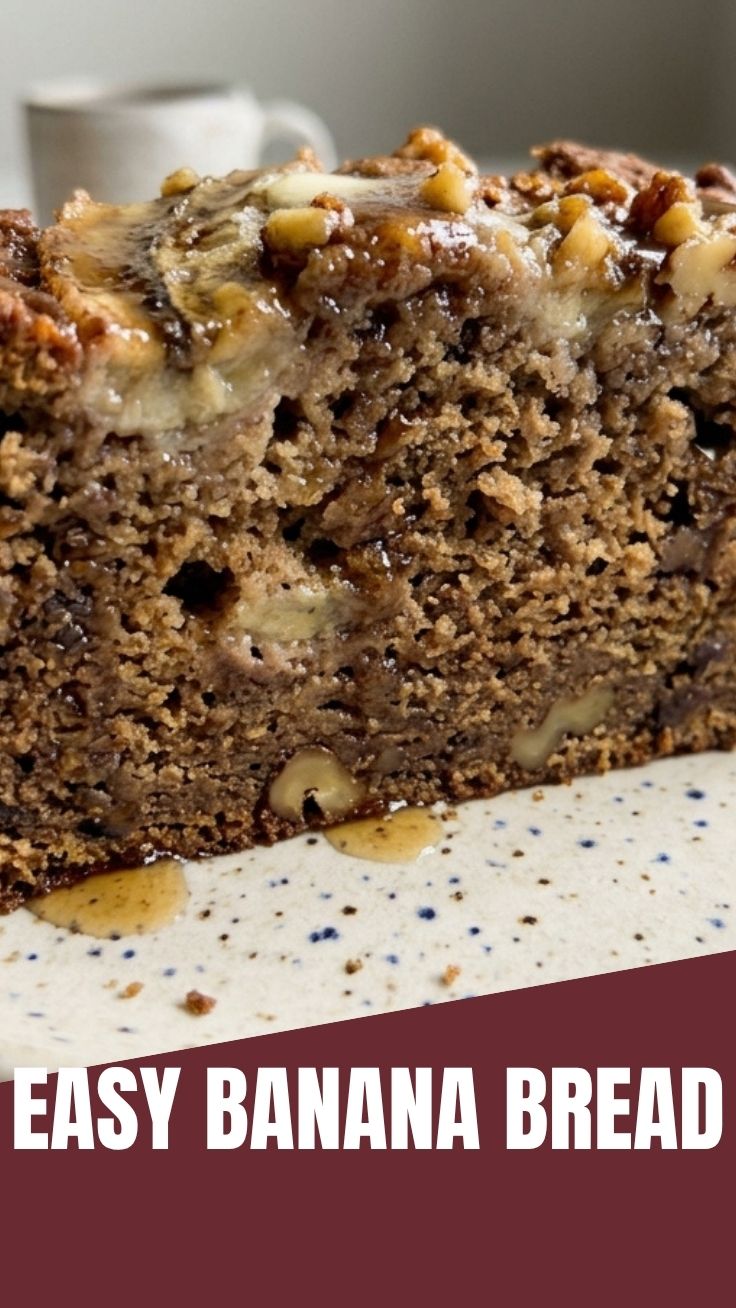
Planning your bake makes the process seamless. Here’s the timeline:
– Prep Time: 10 minutes (mashing bananas, mixing dry and wet ingredients)
– Cook Time: 50–60 minutes at 350°F (175°C)
– Resting Time: 10 minutes in the pan, then transfer to a cooling rack for at least 30 minutes
Pro Tip: Start checking for doneness at 50 minutes. A toothpick inserted in the center should come out clean or with a few moist crumbs. Your kitchen will smell divine during the last 20 minutes, so resist the temptation to peek too often—opening the oven door too early can cause the loaf to sink.
Step-by-Step Instructions
Follow these steps precisely for a consistently perfect loaf:
1. Preheat oven to 350°F (175°C). Grease your 9×5-inch loaf pan with butter or non-stick spray, then dust with a little flour. This prevents sticking without adding excess fat.
2. Mash the bananas. In a large bowl, use a fork or potato masher to mash the bananas until smooth, leaving a few small chunks for texture. You should have about 1 1/2 cups of mashed banana.
3. Mix wet ingredients. To the mashed bananas, add the melted butter, sugar, egg, and vanilla extract. Whisk until fully combined—the mixture will look slightly glossy.
4. Combine dry ingredients. In a separate medium bowl, whisk together the flour, baking soda, and salt. This ensures even distribution of leavening agents.
5. Fold dry into wet. Add the dry mixture to the wet ingredients, using a rubber spatula to fold gently. Stir only until no streaks of flour remain—overmixing develops gluten and makes the bread tough. If you’re adding mix-ins like chocolate chips or walnuts, fold them in now.
6. Bake to perfection. Pour the batter into your prepared pan and smooth the top. Bake for 50–60 minutes, rotating the pan halfway through for even browning. The top should be golden brown and cracked, and a toothpick inserted in the center should come out clean. This Banana Bread Recipe relies on precise temperature control, so avoid overbaking—the residual heat will continue cooking the center as it rests.
7. Cool properly. Let the loaf rest in the pan on a cooling rack for 10 minutes, then turn it out onto the rack to cool completely. Slicing too early can cause a gummy texture.
Nutritional Benefits & Advantages
This homemade loaf offers more than just comfort. Bananas are rich in potassium, vitamin B6, and vitamin C, supporting heart health and immune function. Using whole wheat flour boosts fiber content, aiding digestion and keeping you fuller longer. Compared to store-bought versions, you control the sugar and fat levels, making it easier to create a healthier version without sacrificing taste. Even with traditional ingredients, a single slice (1/12 of the loaf) contains approximately 180 calories, 6g fat, and 3g protein—a balanced treat that fits into most diets.
Tips, Variations & Cooking Advice
– Flavor Swaps: Replace vanilla with almond extract for a nutty twist. Add 1/2 teaspoon cinnamon and 1/4 teaspoon nutmeg for a warming spice blend.
– Dietary Adaptations: For gluten-free, use a 1:1 gluten-free baking flour blend (add 1 tablespoon extra liquid). For dairy-free, substitute butter with coconut oil, and use a flax egg (1 tablespoon flaxseed meal + 3 tablespoons water).
– Portion Changes: Make muffins instead of a loaf—bake at 350°F for 18–22 minutes. Or mini loaves for gift-giving (bake 25–30 minutes).
– Texture Boost: For extra moisture, add 1/4 cup plain Greek yogurt or sour cream to the wet ingredients.
– Vegan Version: Use 1/2 cup applesauce instead of the egg, and coconut oil instead of butter. Add 1 tablespoon cornstarch for structure.
Common Mistakes to Avoid
– Overmixing the batter: This is the #1 cause of dense, tough banana bread. Stir just until combined—a few lumps are okay.
– Using underripe bananas: Green or yellow bananas without spots lack sweetness and moisture. Wait until they’re heavily speckled or even black.
– Opening the oven too early: The loaf needs consistent heat to rise. Don’t peek before 45 minutes have passed.
– Skipping the cooling step: Cutting into a hot loaf releases steam and makes it gummy. Patience pays off.
– Packing the flour: Scooping flour directly from the bag compacts it, leading to dry bread. Always spoon and level.
Storage & Meal Prep Tips
To keep your banana bread fresh and flavorful:
– Room Temperature: Wrap in plastic wrap or aluminum foil and store on the counter for up to 3 days. Add a slice of bread to the container to absorb excess moisture.
– Refrigeration: Wrap tightly and refrigerate for up to 1 week. The cold can dry it out, so reheat slices in the microwave for 10–15 seconds.
– Freezing: Slice the cooled loaf, wrap each slice individually in plastic wrap, then place in a freezer bag. Freeze for up to 3 months. Thaw at room temperature or toast directly from frozen.
– Reheating: For the best texture, warm slices in a 300°F oven for 5 minutes, or use a toaster. This restores the crisp exterior and soft interior.
Conclusion
Mastering Banana Bread at home is a skill that rewards you with a versatile, comforting, and endlessly customizable treat. This Recipe is your foundation for success—whether you stick to the classic version or experiment with mix-ins, the results will be consistently delicious. We’d love to see your creation! Share your results, tag us in your photos, or explore our other dessert recipes for more inspiration. Happy baking!
FAQs
1. Can I use frozen bananas for this recipe?
Absolutely! Thaw them completely, then drain off any excess liquid before mashing. The bananas will be very soft, which actually creates an even more moist texture.
2. Why is my banana bread dry?
The most common culprits are overmixing the batter, overbaking, or using too much flour (often from scooping instead of spooning). Ensure you measure flour correctly and check for doneness at 50 minutes.
3. How do I make this recipe sugar-free?
Replace the granulated sugar with 1/2 cup of maple syrup or honey. Reduce the liquid slightly (omit the egg’s moisture) and bake at 325°F for 55–65 minutes, as natural sweeteners brown faster.
4. Can I add chocolate chips without affecting the texture?
Yes! Fold in 1/2 cup of chocolate chips (or any mix-ins) gently after combining wet and dry ingredients. Slightly coating them in flour beforehand prevents them from sinking to the bottom.
5. How do I know when it’s fully baked without a toothpick?
The internal temperature should reach 200–205°F (93–96°C) when fully baked. Alternatively, press lightly on the center—it should spring back. The edges will also pull away from the pan when done.
Quick way to grow a single Banana Bread Banana Bread
Ingredients
Equipment
Method
- Select a healthy banana sucker from an existing plant, ensuring it has some roots attached.
- Fill a large pot with rich potting mix and plant the sucker, burying it deep enough to support the plant.
- Water thoroughly after planting and place the pot in a sunny location.