The Ultimate Viral Cabbage Boil Recipe: Healthy, Hearty, and Absolutely Delicious
Have you ever wondered if one humble vegetable could transform your weekly meal prep into a flavor-packed, nutrient-dense experience? The cabbage boil has taken social media by storm, and for good reason—it’s budget-friendly, incredibly versatile, and surprisingly satisfying. Preparing this dish at home not only saves you money but also gives you full control over ingredients, making it a perfect canvas for clean eating. Whether you’re looking to reset after a holiday or simply want a warm, comforting bowl of goodness, mastering this recipe is a game-changer. And yes, it pairs beautifully with the concept of a cabbage soup diet if you’re exploring lighter eating patterns. Let’s dive into everything you need to create the viral sensation right in your kitchen.
Ingredients & Kitchen Tools
For the Cabbage Boil
– 1 medium head green cabbage – core removed, cut into wedges or roughly chopped. Savoy or napa can be substituted for a milder taste.
– 4 medium carrots – peeled and sliced into thick coins. Adds natural sweetness and color.
– 3 celery stalks – chopped. Provides aromatic depth.
– 1 large onion – diced. Yellow or white works best.
– 4 cloves garlic – minced. Fresh is strongly recommended over pre-minced.
– 1 can (14.5 oz) diced tomatoes – fire-roasted for extra smokiness, or use fresh tomatoes when in season.
– 6 cups vegetable or chicken broth – low-sodium preferred to control salt.
– 2 tablespoons olive oil – for sautéing. Avocado oil is a good alternative.
– 1 teaspoon smoked paprika – gives that subtle barbecue-like richness.
– 1 teaspoon dried thyme – or 1 tablespoon fresh thyme leaves.
– ½ teaspoon red pepper flakes – optional, for heat.
– Salt and black pepper – to taste.
– Fresh parsley or cilantro – for garnish (optional).
Kitchen Tools
– Large stockpot or Dutch oven (at least 5-quart) – for even heat distribution.
– Chef’s knife and cutting board – for all chopping tasks.
– Wooden spoon or spatula – for stirring without scratching your pot.
– Measuring spoons and cups – for accuracy.
– Ladle – for serving.
Optional substitutions: For a protein boost, add 1 lb of diced chicken breast or smoked turkey sausage during the last 15 minutes of simmering. For a completely vegan version, use vegetable broth and skip any meat additions.
Prep Time & Cooking Schedule
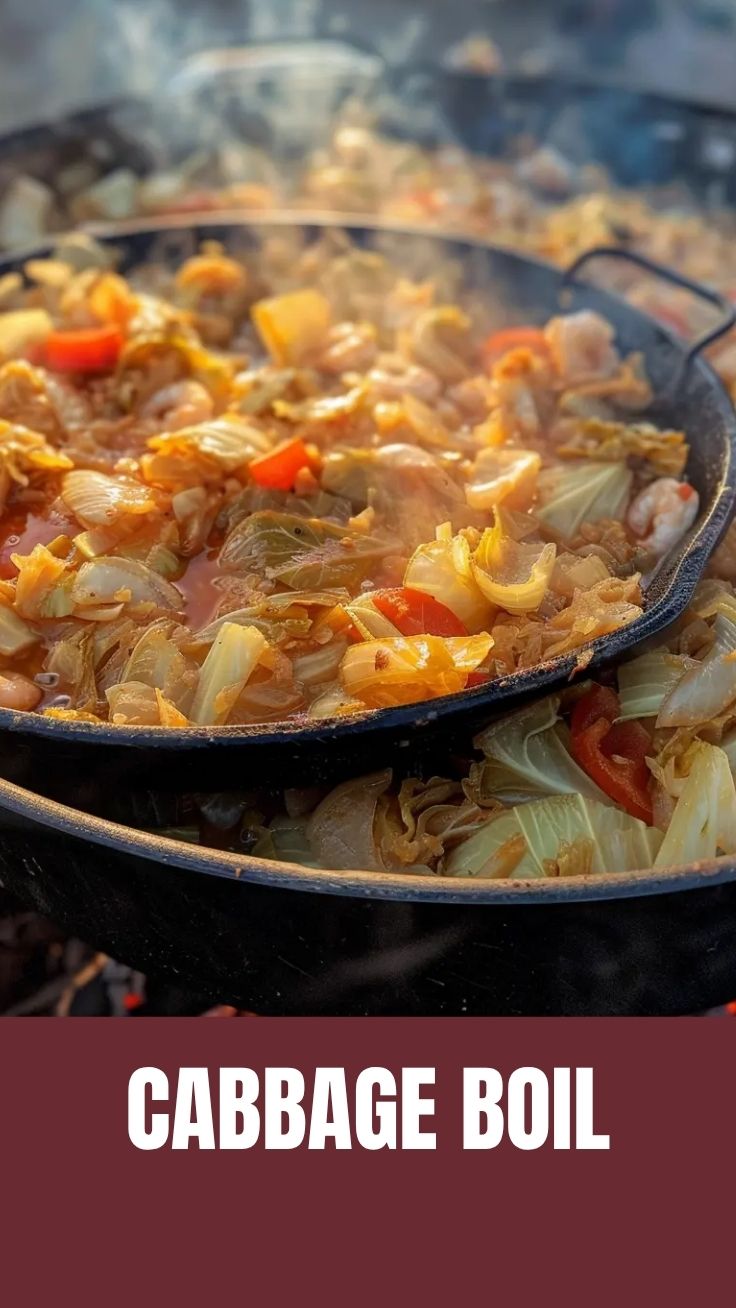
– Prep Time: 15 minutes (washing, chopping, mincing)
– Cook Time: 35–40 minutes
– Total Time: approximately 55 minutes
This recipe is ideal for a weeknight dinner or a Sunday meal prep session. Because the flavors deepen as they sit, you can even make it a day ahead. The cabbage softens but retains a pleasant bite if you don’t overcook it—aim for a simmer, not a rolling boil, after the initial sauté.
Step-by-Step Instructions
1. Sauté the aromatics. Heat olive oil in your large stockpot over medium heat. Add the diced onion and cook for 3–4 minutes until translucent. Stir in the minced garlic, smoked paprika, dried thyme, and red pepper flakes (if using) for about 30 seconds until fragrant.
2. Build the base. Add the sliced carrots and chopped celery. Sauté for 5 minutes, stirring occasionally, until the vegetables begin to soften slightly.
3. Add liquids and tomatoes. Pour in the broth and add the can of diced tomatoes (with their juices). Stir well to combine and scrape up any browned bits from the bottom of the pot.
4. Incorporate the cabbage. Add all the cabbage wedges or chunks. If your pot is too full, let the cabbage wilt for a minute before stirring. Bring the mixture to a gentle boil.
5. Simmer to perfection. Reduce heat to low, cover, and let simmer for 25–30 minutes. Check the cabbage at 20 minutes—it should be tender but not mushy. Taste and adjust salt and pepper as needed.
6. Finish and serve. Remove from heat. Ladle into bowls, garnish with fresh parsley, and enjoy. For an extra kick, a squeeze of lemon juice brightens the flavors.
> Tip: For a more robust broth, you can sauté a small amount of tomato paste (1 tablespoon) with the aromatics. This cabbage boil is incredibly forgiving—feel free to add leftover vegetables like zucchini or bell peppers. If you’re following a cabbage soup diet pattern, portion this into single servings for easy grab-and-go lunches.
Nutritional Benefits & Advantages
Cabbage is a cruciferous powerhouse low in calories yet high in fiber, vitamin C, and vitamin K. One cup of cooked cabbage provides about 34 calories and 3 grams of fiber, supporting digestive health and satiety. The carrots add beta-carotene (vitamin A), while celery offers antioxidants and hydration. The broth base keeps the dish light but filling. This recipe is naturally gluten-free, dairy-free, and can easily be made vegan. It’s also low in fat and sodium when using low-sodium broth, making it an excellent choice for heart-healthy meals. The slow simmering preserves water-soluble vitamins better than high-heat boiling.
Tips Variations & Cooking Advice
– Flavor variations: Add a dash of coconut milk for a creamy twist, or stir in a tablespoon of apple cider vinegar at the end for tanginess. Curry powder or garam masala can transform it into an Indian-inspired dish.
– Ingredient swaps: Use kale or collard greens instead of cabbage for a different texture. Sweet potatoes or butternut squash can stand in for carrots.
– Cooking method: An Instant Pot or pressure cooker works beautifully—sauté on sauté mode, then pressure cook on high for 2 minutes with a natural release.
– Portion changes: Double the recipe and freeze half. The cabbage boil freezes well for up to 3 months.
– Dietary adaptations: Add cooked quinoa or brown rice for extra fiber and protein; omit for low-carb version.
Common Mistakes to Avoid
– Overcooking the cabbage – It becomes mushy and loses its structure. Simmer just until tender (about 25 minutes max for wedges).
– Underseasoning – Broth-based dishes need salt to bring out flavors. Taste and adjust at the end, not just at the beginning.
– Skipping the sauté step – This builds foundational flavor. Don’t just dump everything in raw; the browning of onions and spices is essential.
– Using too much liquid – The cabbage releases water as it cooks. Start with 6 cups; you can always add more if needed.
– Overloading with tomatoes – Too many acidic tomatoes can make the broth sour. Stick to one can for balance.
Storage & Meal Prep Tips
– Refrigeration: Store leftovers in an airtight container for up to 5 days. The flavors meld beautifully overnight.
– Freezing: Portion into freezer-safe bags or containers, leaving 1 inch of headspace. Freeze for up to 3 months. Thaw overnight in the fridge.
– Reheating: Warm on the stovetop over medium-low heat for 5–7 minutes, or microwave in 2-minute bursts, stirring in between. Add a splash of broth or water if it thickens.
– Texture maintenance: To avoid sogginess when meal-prepping, store cabbage slightly undercooked—it will soften upon reheating. If adding fresh herbs, garnish after reheating.
Conclusion
This viral sensation proves that a simple cabbage boil can be both comforting and nutritious. Whether you enjoy it as a standalone meal, a side dish, or as part of a broader cabbage soup diet approach, the key is to customize it to your taste. Don’t be afraid to experiment with spices, proteins, and vegetables you have on hand. I encourage you to try this recipe this week, share your results with friends, or explore more healthy soup variations on our site. Your kitchen is about to become famous!
FAQs
1. Can I use red cabbage instead of green?
Yes, but red cabbage takes slightly longer to soften and will tint the broth a deep purple. The flavor is slightly earthier. Simmer an extra 5–10 minutes.
2. How can I make this cabbage boil spicier?
Add more red pepper flakes, a diced jalapeño with the onions, or a splash of hot sauce before serving.
3. Is this recipe suitable for a low-carb or keto diet?
Absolutely. Cabbage is low in net carbs. Skip any starchy additions like potatoes or corn. Serve as is.
4. My broth turned out too watery—what went wrong?
You may have added too much broth initially, or the cabbage didn’t release enough water. Simmer uncovered for 10 minutes to reduce and concentrate flavors.
5. Can I use frozen vegetables instead of fresh?
Yes, but add frozen carrots and celery later in the cooking process (after 10 minutes of simmering) to avoid them becoming too soft. No need to thaw first.
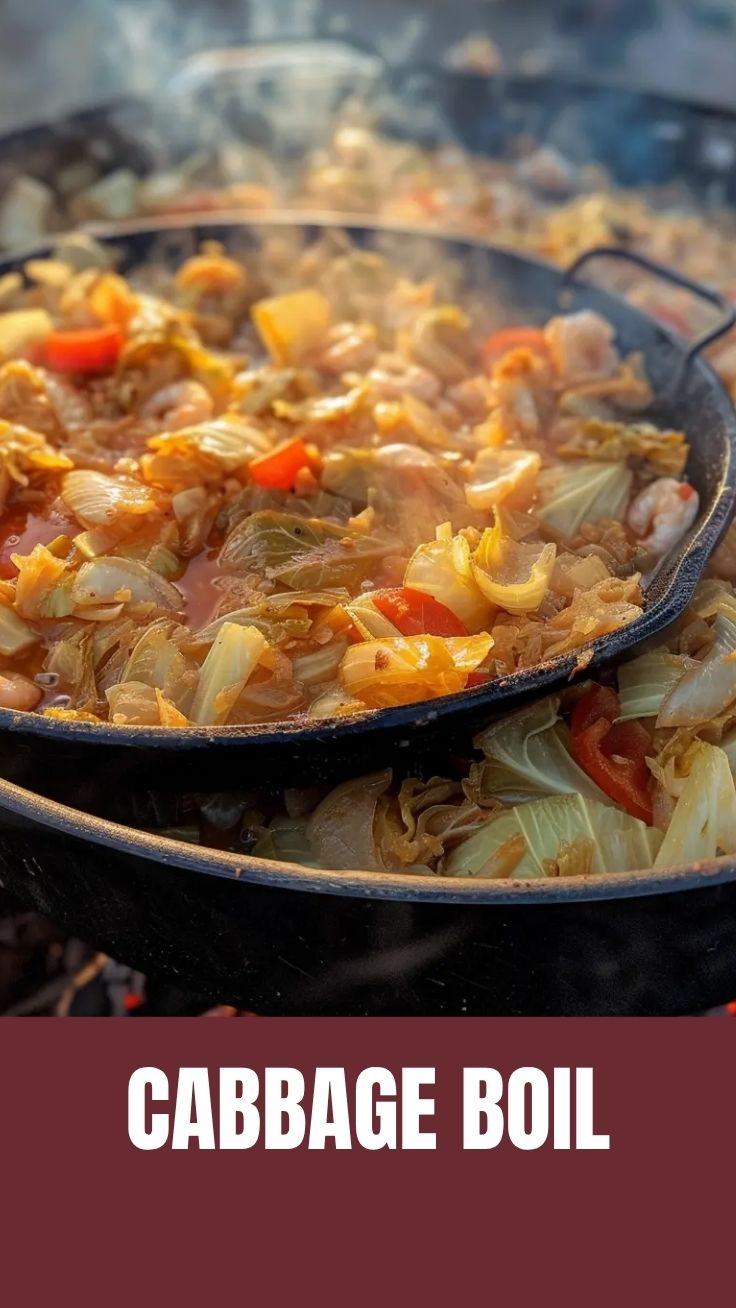
Proven way to grow with 3 Cabbage Boil (Viral) Cabbage Boil (Viral)
Ingredients
Equipment
Method
- In a large pot or Dutch oven, melt the butter over medium heat, then add the chopped onions and cook until softened, about 5 minutes.
- Stir in the minced garlic and cook for another minute until fragrant.
- Add the sliced smoked sausage to the pot and brown for 5-7 minutes, stirring occasionally.
- Pour in the chicken broth, then add the quartered potatoes, cabbage wedges, Old Bay seasoning, salt, and black pepper.
- Bring the mixture to a boil, then reduce the heat, cover, and simmer for 20-25 minutes, or until the potatoes and cabbage are tender.
- Carefully remove the cabbage, potatoes, and sausage from the pot with a slotted spoon.
- Serve warm with a drizzle of the broth, if desired.