Why This Homemade Version Beats Takeout Every Time
Have you ever wondered why your homemade curry never quite tastes like the one from your favorite Indian restaurant? The secret isn’t a magic ingredient—it’s technique. When you prepare Chicken Tikka Masala at home, you gain complete control over spice levels, ingredient quality, and dietary needs. This iconic Indian curry has become a global phenomenon for good reason: its creamy tomato base and tender marinated chicken create an unforgettable flavor experience. Beyond the taste, cooking this dish yourself saves money and allows you to customize it perfectly for your family.
Ingredients & Kitchen Tools
For the Chicken Marinade:
– 1.5 lbs boneless chicken thighs (more forgiving than breasts)
– 1 cup plain yogurt (full-fat works best)
– 2 tbsp lemon juice (fresh only)
– 1 tbsp garam masala (store-bought or homemade)
– 1 tsp turmeric (for color and anti-inflammatory benefits)
– 2 tsp cumin powder (earthy warmth)
– 2 tsp smoked paprika (substitute: regular paprika + pinch liquid smoke)
– 2 cloves garlic, minced
– 1-inch ginger, grated
For the Curry Sauce:
– 2 tbsp ghee or butter (dairy-free: coconut oil)
– 1 large onion, finely diced
– 4 cloves garlic, minced
– 1 tbsp fresh ginger, grated
– 1 can (14 oz) crushed tomatoes
– 1 cup heavy cream (coconut cream for dairy-free)
– 1 tbsp tomato paste
– 2 tsp garam masala
– 1 tsp chili powder (adjust to heat preference)
– Salt to taste
– Fresh cilantro for garnish
Kitchen Tools:
– Large skillet or Dutch oven
– Mixing bowls
– Tongs (for flipping chicken)
– Wooden spoon
– Knife and cutting board
– Measuring spoons
Optional Substitutions:
– Chicken → paneer or chickpeas (vegetarian)
– Heavy cream → cashew cream (paleo-friendly)
– Ghee → vegan butter
Prep Time & Cooking Schedule
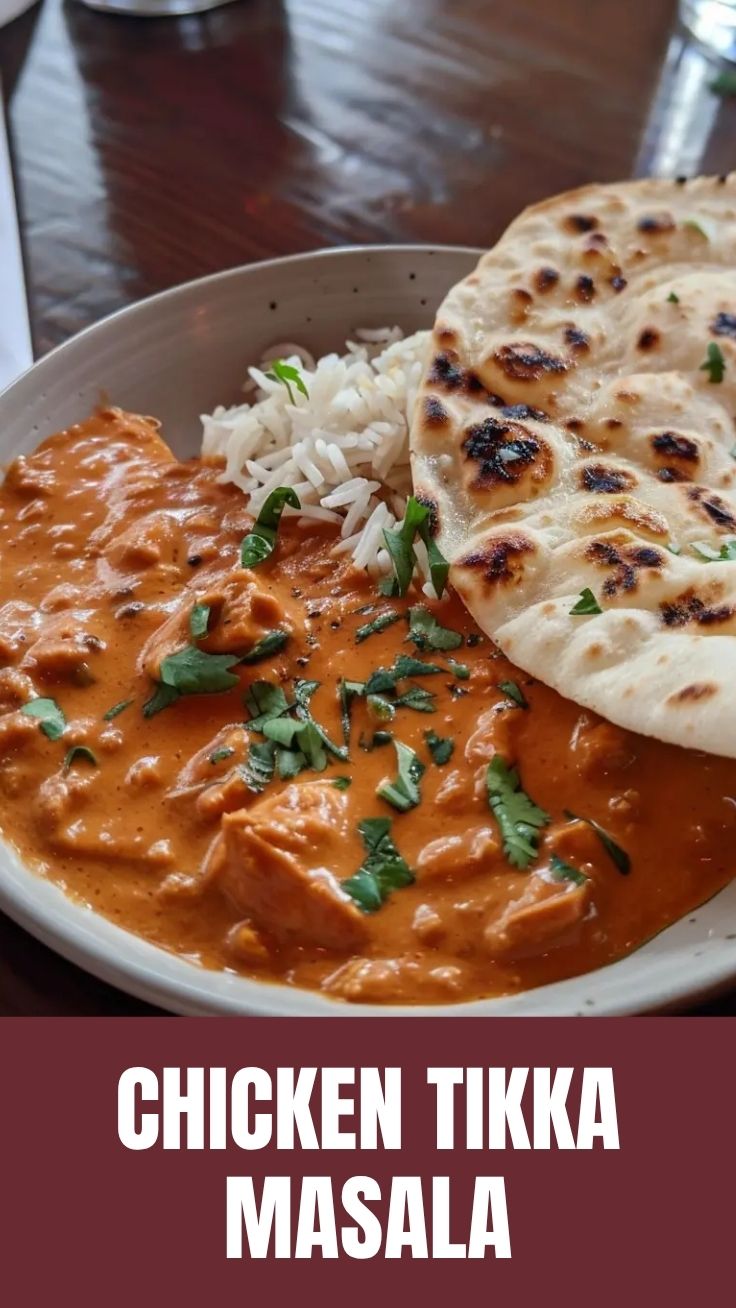
Total active time: 45 minutes
Marinating time: 1 hour (minimum; overnight yields deeper flavor)
Cook time: 30 minutes
Planning Tip: Start the marinade the night before for maximum tenderness. On cooking day, let the chicken sit at room temperature 20 minutes before searing—this prevents the meat from seizing up in the pan.
Step-by-Step Instructions
1. Marinate the chicken: In a bowl, whisk yogurt, lemon juice, garam masala, turmeric, cumin, paprika, garlic, and ginger. Add chicken pieces and coat thoroughly. Cover and refrigerate for at least 1 hour.
2. Sear the chicken: Heat 1 tbsp oil in a skillet over medium-high heat. Shake excess marinade off chicken. Sear in batches (don’t overcrowd) until golden brown, about 3–4 minutes per side. Remove and set aside—the interior will finish cooking in the sauce.
3. Build the sauce base: In the same pan, reduce heat to medium. Add ghee. Sauté onions until soft and translucent (5–7 minutes). Add garlic and ginger; cook 1 minute until fragrant.
4. Create the curry foundation: Stir in tomato paste and cook 2 minutes, scraping browned bits from pan bottom. Add crushed tomatoes, garam masala, chili powder, and salt. Simmer 10 minutes, stirring occasionally.
5. Finish the Chicken Tikka Masala: Add seared chicken pieces plus any accumulated juices back to the pan. Reduce heat to low and pour in heavy cream. Simmer gently for 10–15 minutes—this allows the Indian curry flavors to meld perfectly. Taste and adjust salt or chili.
Pro Tip: If the sauce tastes too acidic, add ½ tsp sugar or a pinch of baking soda (stir in just before serving).
Nutritional Benefits & Advantages
This Chicken Tikka Masala provides impressive nutritional value. Chicken thighs offer 28g protein per serving plus iron and B vitamins. Turmeric contains curcumin, a powerful anti-inflammatory compound backed by clinical studies. Garlic and ginger support immune function and digestive health. While this dish is higher in fat than some curries (primarily from cream and ghee), these fats help absorb fat-soluble vitamins A, D, E, and K from the tomatoes and spices. For a lighter version, substitute Greek yogurt for cream and reduce ghee to 1 tablespoon.
Tips, Variations & Cooking Advice
– Flavor variation: Add 1 tbsp kasuri methi (dried fenugreek leaves) at the end for authentic restaurant flavor.
– Ingredient swap: Use coconut milk instead of cream for a Southeast Asian twist.
– Cooking method: Try slow-cooker version—sear chicken first, then cook sauce on low 4 hours.
– Dietary adaptations: Gluten-free (always check garam masala for gluten-free certification) or dairy-free using coconut cream and plant-based butter.
– Portion change: Double the sauce recipe and freeze half for quick weeknight curries.
Common Mistakes to Avoid
Skipping the marination: Without yogurt and acid, chicken remains tough and bland. Minimum 1 hour, but 6+ hours transforms the texture completely.
Overcrowding the pan: Steam, not sear, results when pieces touch. Work in batches—each piece needs direct heat contact for that caramelized crust.
Boiling after adding cream: High heat curdles cream instantly. Always simmer gently—look for small bubbles, not a rolling boil.
Storage & Meal Prep Tips
Refrigeration: Store in an airtight container up to 4 days. The flavor actually improves after 24 hours as spices meld.
Freezing: Cool completely, transfer to freezer-safe containers (leave ½-inch headspace), freeze up to 3 months. Thaw overnight in refrigerator.
Reheating: Gently rewarm in a skillet over medium-low heat, adding 2–3 tablespoons water or broth if the sauce thickened. Microwave on 50% power in 30-second intervals.
Conclusion
Mastering Chicken Tikka Masala at home transforms a restaurant luxury into an everyday possibility. With patience for the marinade and careful temperature control during cooking, you’ll create a Indian curry that rivals any takeout—and exceeds it in freshness. The creamy tomato sauce paired with aromatic spices delivers comfort food that nourishes both body and soul. Try this recipe tonight, then experiment with your own spice blend variations. Share your results in the comments—we love seeing your kitchen victories!
FAQs
Can I use chicken breast instead of thighs?
Yes, but reduce cooking time by 5 minutes to prevent dryness. Pound breasts to even thickness for uniform cooking.
Why is my sauce grainy instead of smooth?
You likely added cream to boiling sauce. Always reduce heat to low before adding dairy, and whisk continuously.
How can I make this less spicy?
Skip the chili powder entirely and use sweet paprika instead of smoked. Serve with raita (yogurt + cucumber) on the side.
Can I prepare this dairy-free?
Absolutely! Use full-fat coconut milk instead of cream and coconut oil instead of ghee. Check that your garam masala is dairy-free.
Why does my chicken taste bitter?
Overcooked garlic or burnt spices cause bitterness. Always cook garlic only 30–60 seconds before adding liquids. Discard any burnt spices.
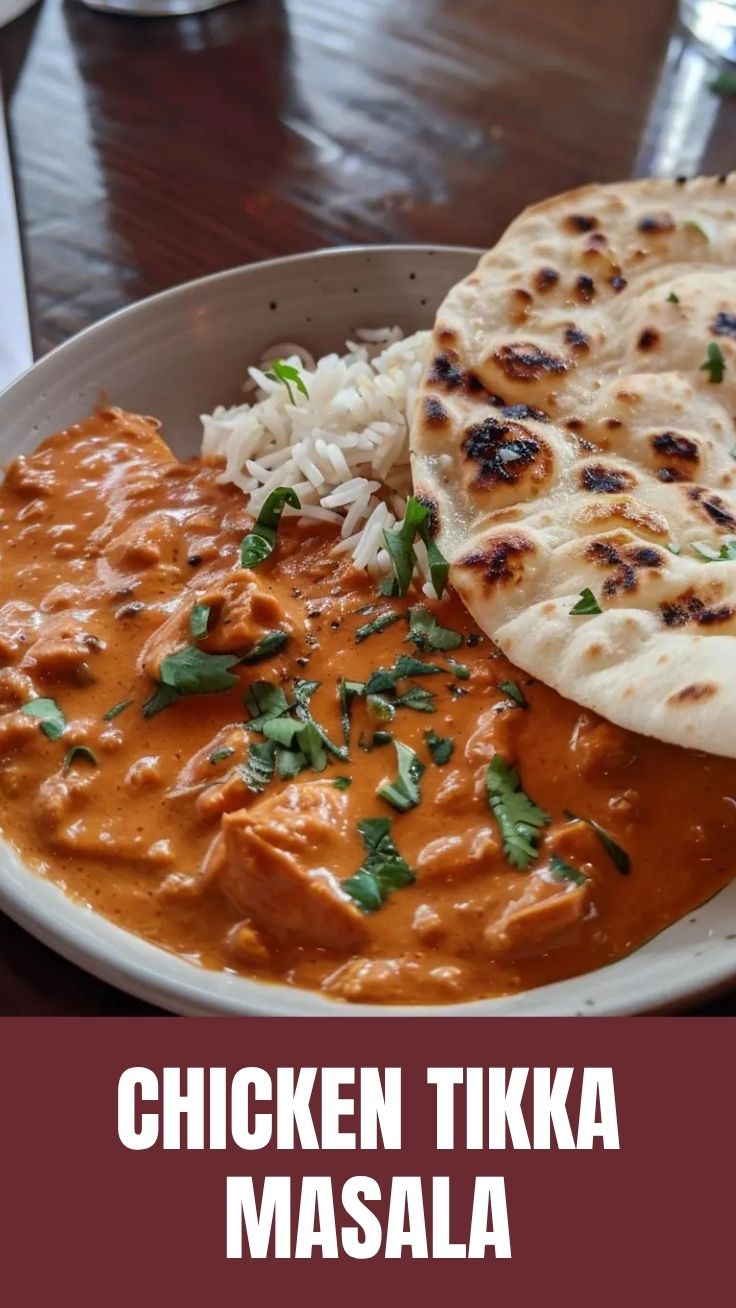
Proven way to grow Chicken Tikka Masala
Ingredients
Equipment
Method
- Cut chicken into 1-inch pieces and combine with yogurt, lemon juice, ginger-garlic paste, garam masala, turmeric, chili powder, and salt in a bowl.
- Cover and refrigerate for at least 30 minutes, or preferably for 2-4 hours.
- Preheat a large skillet or grill pan over medium-high heat. Add a tablespoon of ghee or oil.
- Add marinated chicken in a single layer and cook for 5-7 minutes per side until charred and cooked through. Set aside.
- In the same skillet, add the remaining ghee or oil. Sauté the chopped onion until softened and translucent, about 5-7 minutes.
- Add ginger-garlic paste and cook for 1 minute until fragrant. Stir in crushed tomatoes and all the dry spices (garam masala, coriander, cumin, chili powder, paprika).
- Simmer the sauce for 10-15 minutes, stirring occasionally, until it thickens and the oil separates.
- Stir in the cooked chicken and heavy cream. Simmer for another 5-10 minutes, allowing flavors to meld.
- Season with salt and sugar to taste. Garnish with fresh cilantro before serving.
- Serve hot with rice or naan bread.