The Ultimate Guide to Perfect Homemade Cinnamon Rolls
Have you ever craved that warm, gooey, cinnamon-swirled goodness but hesitated because baking from scratch seemed too intimidating? You’re not alone. But here’s the truth: making Cinnamon Rolls (Homemade) from scratch is not only achievable but deeply rewarding, offering a sense of accomplishment that store-bought versions simply can’t match. Preparing them at home allows you to control every ingredient—from the quality of butter to the spice intensity—ensuring a fresh, preservative-free treat that fills your kitchen with an irresistible aroma. Plus, once you master this Cinnamon Roll Recipe, you’ll have a versatile base to create endless variations杰. Let me guide you through the process tonight.
—
Ingredients & Kitchen Tools
Required Ingredients
– All-purpose flour (3 ½ cups): Provides structure; bread flour works too for a chewier texture.
– Active dry yeast (2 ¼ tsp or 1 packet): Check expiration date—proof in warm water first if unsure.
– Warm milk (1 cup, 105-110°F): Whole milk yields richer dough; oat milk works for dairy-free.
– Granulated sugar (½ cup for dough + ½ cup for filling): Balances yeast feeding and caramelization.
– Unsalted butter (6 tbsp softened for dough + 4 tbsp melted for filling): Salted butter okay—just reduce added salt.
– Large eggs (2): Bring to room temperature to ensure even incorporation.
– Salt (½ tsp): Enhances flavor without overpowering sweetness.
– Ground cinnamon (2-3 tbsp): Vietnamese cinnamon is spicier and more aromatic.
– Brown sugar (½ cup, packed): Adds moisture and deep, molasses-like sweetness to filling.
– Cream cheese (4 oz, softened for frosting): Full-fat yields creamiest result.
– Powdered sugar (1 cup for frosting): Sift to avoid lumps.
– Vanilla extract (1 tsp): Pure extract over imitation for richer flavor.
Kitchen Tools
– Stand mixer with dough hook (or large bowl + wooden spoon)
– Rolling pin (preferably heavy, without handles)
– 9×13-inch baking dish (glass or metal)
– Mixing bowls (large and medium)
– Measuring cups and spoons
– Kitchen thermometer (instant-read)
– Pastry brush (for butter application)
– Sharp knife or dough scraper (for clean cuts)
– Plastic wrap (for covering dough)
—
Prep Time & Cooking Schedule
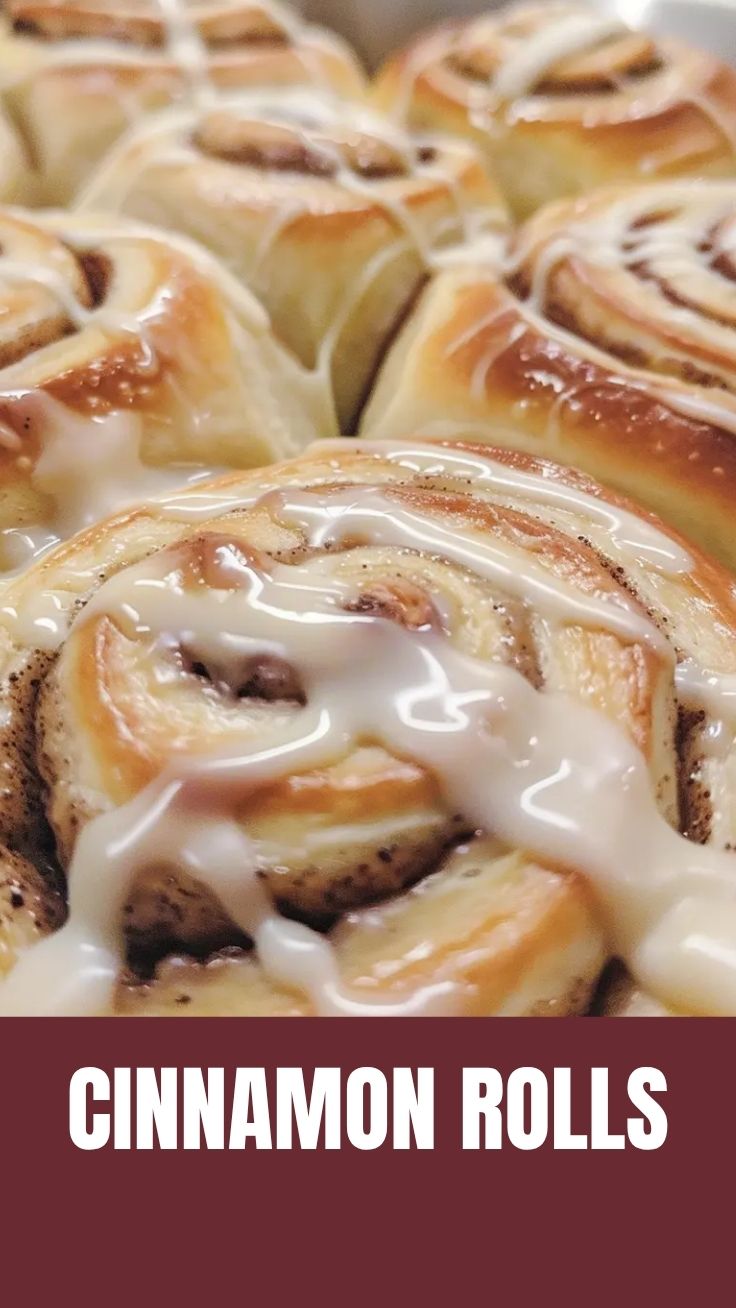
– Prep Time: 30-40 minutes (mixing, kneading, shaping)
– First Rise: 1.5 to 2 hours (until doubled in size—dough should spring back when poked)
– Second Rise (after shaping): 45-60 minutes (rolls should touch slightly in the pan)
– Bake Time: 22-25 minutes at 350°F (rotating pan halfway for even browning)
– Cooling/Frosting Time: 15 minutes (or serve fresh for maximum gooeyness)
Plan ahead: Start about 3-4 hours before you want to serve. For morning indulgence, prepare through the second rise the night before, refrigerate, and bake fresh the next day (see Storage section for timing).
—
Step-by-Step Instructions
1. Activate yeast: Combine warm milk (105-110°F) with 1 tbsp sugar from total sugar. Sprinkle yeast on top, let stand 5-10 minutes until frothy—if not, discard and start fresh.
2. Make dough: In mixer bowl, combine flour, remaining sugar, salt. Add yeast mixture, eggs, and softened butter. Mix on low 2 minutes, then medium 6-8 minutes until dough is smooth, elastic, and slightly tacky but not sticky (add flour 1 tbsp at a time if needed).
3. First rise: Lightly oil a large bowl, place dough inside, turn to coat. Cover tightly with plastic wrap. Let rise in a warm (75-85°F) draft-free spot until doubled, about 1.5-2 hours.
4. Prepare filling: Combine brown sugar and cinnamon in a small bowl. Melt extra butter and set aside.
5. Shape rolls: Punch down risen dough, roll into a 15×10-inch rectangle on a floured surface. Brush with melted butter, leaving ½-inch border on top long edge. Sprinkle cinnamon-sugar evenly, pressing into butter.
6. Roll tightly: Starting from the long edge closest to you, roll dough into a log, pinching final seam to seal. Using a sharp knife or unflavored dental floss, cut into 12 even slices (about 1.5 inches each).
7. Second rise: Place rolls cut-side up in greased 9×13 dish. Cover loosely with plastic wrap. Let rise 45-60 minutes until doubled and touching. Key temperature cue: Dough should puff visibly and feel pillowy.
8. Bake: Heat oven to 350°F. Bake rolls 22-25 minutes, rotating halfway. Edges should be golden brown; center rolls should reach 190-195°F internal temp (use thermometer). Texture tip: For gooier rolls, bake 2 minutes less; for firmer, add 1-2 minutes.
9. Make frosting: While rolls bake, beat cream cheese until smooth. Add powdered sugar and vanilla; beat until fluffy. Adjust consistency with 1-2 tbsp milk if needed.
10. Finish: Let baked rolls cool 10-15 minutes, then spread frosting over warm rolls (it will melt slightly into crevices). Even delicate handling or aggressive frostings won’t matter now—this Cinnamon Rolls (Homemade) masterpiece is ready.
In this process, mastering a Cinnamon Roll Recipe means understanding dough feels as visually puffy as a marshmallow before baking.
—
Nutritional Benefits & Advantages
While cinnamon rolls are a treat, they offer surprising benefits when made from scratch:
– Energy boost: Whole ingredients provide sustained energy from carbs and protein (about 8g protein per roll from milk, eggs, and flour).
– Brain metabolism: Cinnamon contains cinnamaldehyde, a compound shown to help regulate blood sugar by slowing carbohydrate breakdown—think of it as a metabolic assistant.
– Reduced additives: Homemade versions eliminate high-fructose corn syrup, artificial preservatives, and trans fats found in store-bought rolls. You choose organic flour, grass-fed butter, and pure vanilla.
– Mood enhancer: The process of baking and the reward of warm, fragrant rolls triggers dopamine release, offering psychological well-being alongside caloric indulgence.
—
Tips Variations & Cooking Advice
Flavor Variations
– Chai-spiced filling: Add 1 tsp ground cardamom, ½ tsp ginger, and ¼ tsp cloves to cinnamon filling for aromatic warmth.
– Citrus zest: Mix 1 tbsp orange zest into dough and glaze with orange-cream cheese frosting.
– Chocolate-cinnamon: Replace 2 tbsp flour with cocoa powder and add chocolate chips to filling.
– Savory-sweet: Reduce sugar to 2 tbsp in filling, add ½ tsp black pepper and fresh rosemary to dough for a dinner roll vibe.
Dietary Adaptations
– Gluten-free: Use a high-quality 1:1 gluten-free flour blend with xanthan gum. Decrease kneading to 3 minutes and increase liquid by 2 tbsp.
– Dairy-free: Substitute coconut milk for milk, coconut cream for cream cheese, and vegan butter for butter. Add 1 tbsp lemon juice to coconut cream for tangy frosting.
– Low-sugar: Replace filling sugar with 3 tbsp brown sugar substitute + 1 tsp molasses; use ½ cup sugar substitute in frosting.
Cooking Methods
– Overnight method: After second rise, cover dish tightly with foil and refrigerate up to 14 hours. Morning: let sit at room temp 30 minutes while oven preheats, then bake as directed (add 5 minutes to bake time).
– Air fryer: Bake at 300°F for 10-12 minutes in a liner that fits basket. Reduce quantity by half.
—
Common Mistakes to Avoid
| Mistake | Actionable Solution |
|———|———————|
| Dense, heavy rolls | Over-flouring or over-kneading—weigh flour; knead just until smooth (windowpane test: dough stretches thin without tearing). |
| Filling leakage | Too much butter or filling—use exactly 4 tbsp butter and don’t overstuff. |
| Uneven baking | Rolls too small or pan crowded—ensure 12 rolls fit snugly but aren’t compressed. |
| Yeast fails to rise | Milk too hot (over 115°F kills yeast) or expired yeast—always proof yeast first and use thermometer. |
| Rock-hard frosting | Over-beating cream cheese or using cold cream cheese—soften to room temp; beat until just combined. |
—
Storage & Meal Prep Tips
Refrigerating (Short-term)
– Storing unfrosted rolls: Cover dish tightly with foil and refrigerate for up to 5 days. Bring to room temp before frosting and serving.
– Storing frosted rolls: Refrigerate in an airtight container for up to 3 days—frosting may set but stays moist.
Freezing (Long-term)
– Unbaked rolls: After shaping, freeze on a baking sheet until solid, then transfer to sealed bag for up to 3 months. Bake from frozen: add 10-15 minutes.
– Baked rolls: Cool completely, wrap tightly in plastic + foil, freeze for up to 2 months. Thaw overnight in fridge; reheat in 300°F oven for 10 minutes.
Reheating
– For gooey texture: Microwave each roll for 10-15 seconds (watch carefully—overheating turns them tough).
– For crunchy edges: Reheat in a 325°F oven for 5-7 minutes.
– Pro tip: Place a small oven-safe cup of water in microwave when reheating to add steam and prevent drying.
—
Conclusion
Now you know the secret to bakery-worthy morning bliss: mastering this Cinnamon Rolls (Homemade) recipe transforms simple pantry staples into a warm, gooey, cinnamon-swirled masterpiece that fills your home with love. Whether you follow this exact Cinnamon Roll Recipe or adapt it with spice blends or dietary tweaks, the process is forgiving and rewarding. I encourage you to try it this weekend, share photos of your golden-brown creations, and ignore any doubts—your kitchen is ready. What variation will you invent first?
—
FAQs
1. Can I use bread flour instead of all-purpose flour?
Yes—bread flour (12-13% protein) yields chewier rolls with more structure. Reduce liquid by 1-2 tbsp to compensate for higher absorption. For softer, fluffier rolls, stick with all-purpose.
2. My cinnamon filling is always dry and crumbly. What went wrong?
Traditional filling uses softened butter mixed with sugar, not dry sprinkling. Ensure butter is truly room temperature (75°F) and blend with brown sugar until paste-like—the paste should spread easily, not slide off.
3. How do I know when the yeast is past its prime?
Test by proofing: Sprinkle yeast into warm water with a pinch of sugar. If no foaming occurs within 10 minutes, discard and buy a new packet (commercial yeast expires after 1-2 years).
4. Can I make these without an electric mixer?
Absolutely—knead by hand 10-12 minutes on a floured surface. Use a plastic dough scraper to lift sticky dough. Resting 5 minutes after first 5 minutes helps gluten develop naturally.
5. Why did my rolls turn out hard and bread-like?
Overbaking is the top culprit—remove rolls when edges are golden but centers are still slightly soft (internal temp 190°F). Also, excessive oven heat (over 375°F) can dry them out rapidly.
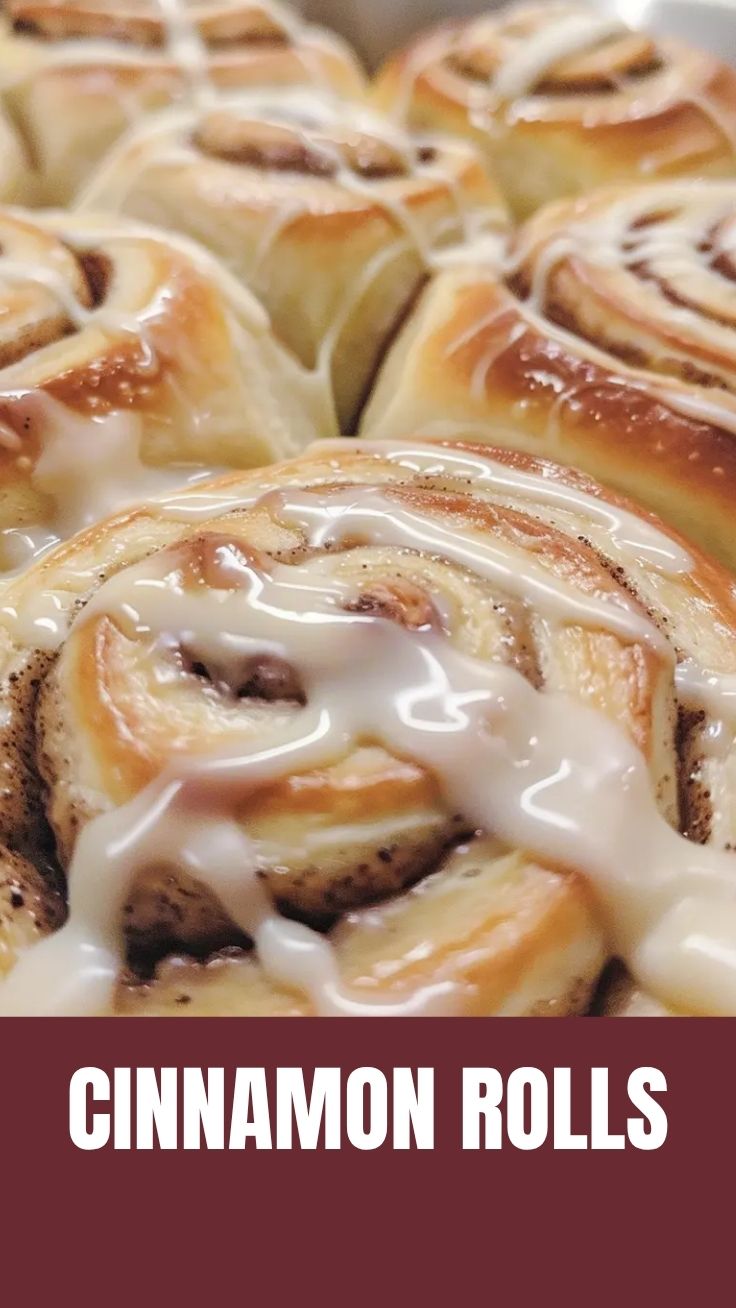
Best way to grow your Homemade Cinnamon Rolls dough
Ingredients
Equipment
Method
- Activate the yeast by dissolving it in warm milk with a pinch of sugar; let it sit for 5-10 minutes until foamy.
- Combine the activated yeast mixture with remaining sugar, flour, salt, melted butter, and egg in a large bowl and mix until a shaggy dough forms.
- Knead the dough on a lightly floured surface for 5-7 minutes until it becomes smooth and elastic.
- Lightly grease a clean bowl, place the dough in it, and turn to coat; cover with plastic wrap or a damp towel.
- Place the covered bowl in a warm, draft-free place for 1-1.5 hours, or until the dough has doubled in size.
- Alternatively, use a proofing box at 75-80°F (24-27°C), a slightly warmed oven (turned off), or a sunny spot.
- For a slow rise, refrigerate the dough overnight; this can deepen the flavor.
- Gently punch down the risen dough to release air, then turn it out onto a lightly floured surface.
- Roll the dough into a large rectangle and spread your desired filling over it.
- Roll the dough tightly into a log, then slice into individual cinnamon rolls.
- Arrange the cut rolls in a greased baking pan, ensuring some space between them.
- Cover the pan loosely with plastic wrap or a damp towel and let the rolls rise again for 30-45 minutes in a warm place until visibly puffy.
- Preheat your oven to 375°F (190°C) and bake the cinnamon rolls for 20-25 minutes, or until golden brown and cooked through.
- Once baked, cool slightly before frosting and serving.