Beyond the Can: Crafting Your Own Creamy Dream Clam Chowder (New England)
Ever wondered if you could replicate that rich, comforting bowl of Clam Chowder (New England) you adore, right in your own kitchen? The answer is a resounding yes! Skip the preservatives and embrace the wholesome goodness of a homemade classic. This isn’t just about making soup; it’s about creating a culinary experience that nourishes both body and soul. Forget those bland store-bought versions – today, we’re diving deep into crafting a truly exceptional Clam Chowder (New England) that rivals any restaurant, and perhaps even inspires you to tackle a hearty seafood stew next! The satisfaction of serving a steaming bowl of your own making, brimming with tender clams and velvety broth, is unparalleled. This comprehensive guide will equip you with everything you need to master this iconic recipe, ensuring a delicious outcome every time.
Ingredients & Kitchen Tools
- 2 tablespoons unsalted butter: Essential for sautéing and building a rich flavor base.
- 1 large yellow onion, finely diced: Provides aromatic depth and sweetness.
- 2 stalks celery, finely diced: Adds a subtle, peppery crunch and savory notes.
- 2 cloves garlic, minced: Infuses the chowder with pungent flavor.
1 pound clams (canned, chopped, or fresh, shucked and chopped): The star of our show! If using fresh, ensure they are thoroughly cleaned. Substitution: Bay scallops for a different texture.*
- 4 cups clam juice: The flavorful liquid foundation for the chowder.
2 cups whole milk: Contributes to the creamy texture and richness. Substitution: Half-and-half for an even richer chowder.*
- 1 cup heavy cream: The secret to that luxurious, velvety consistency.
2 medium Yukon Gold potatoes, peeled and diced into ½-inch cubes: Adds satisfying bulk and starchy creaminess. Substitution: Red potatoes for a firmer texture.*
- ¼ cup all-purpose flour: Used to create a roux, thickening the chowder.
- ½ teaspoon dried thyme: Earthy and aromatic, complementing the seafood.
- ¼ teaspoon white pepper: A touch of subtle spice without visible black flecks.
- Salt to taste: Essential for balancing flavors.
- Fresh parsley, chopped (for garnish): Adds a pop of fresh color and herbaceousness.
- Bacon, cooked and crumbled (optional, for garnish): Enhances the savory profile and adds a textural counterpoint.
Kitchen Tools:
- Large heavy-bottomed pot or Dutch oven: For even heat distribution and preventing scorching.
- Cutting board and sharp knife: For efficient ingredient preparation.
- Measuring cups and spoons: For accurate ingredient quantities.
- Whisk: For making the roux and preventing lumps.
- Ladle: For serving.
Prep Time & Cooking Schedule
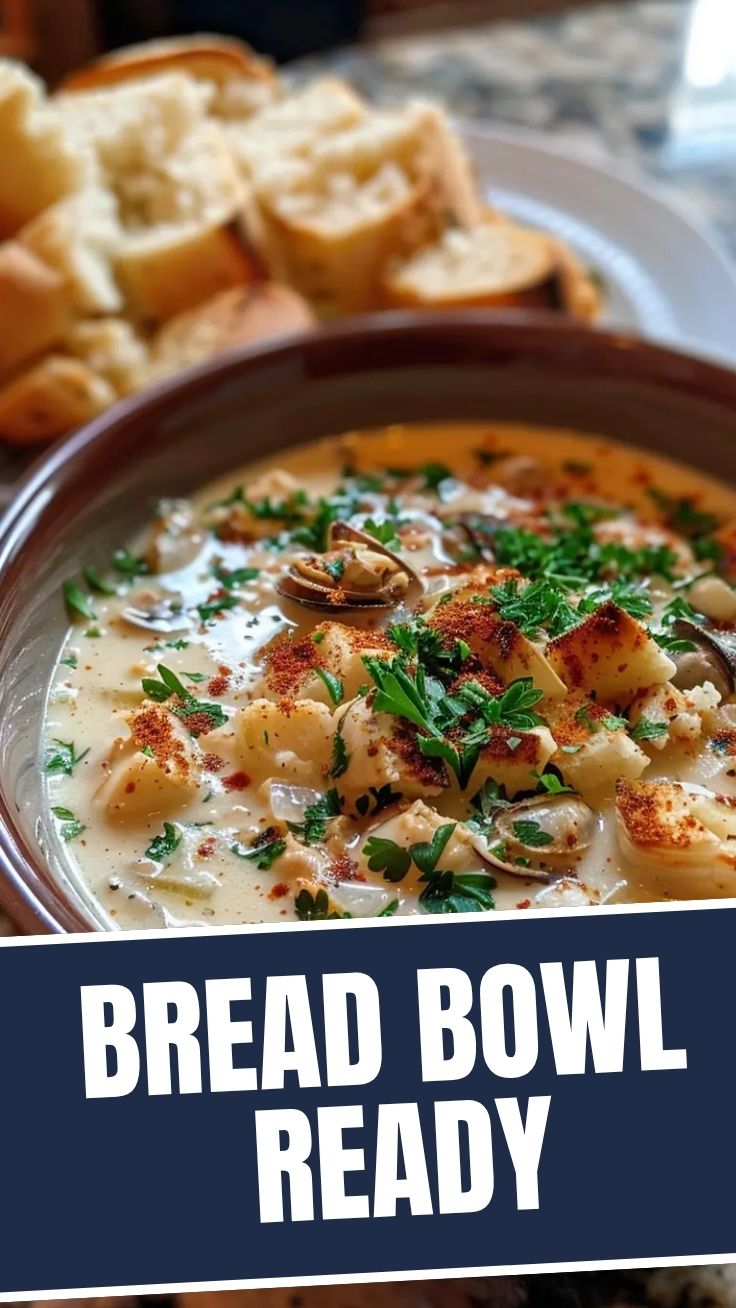
- Prep time: 20-25 minutes (This includes dicing vegetables and shucking fresh clams if using).
- Cook time: 35-45 minutes (Allowing sufficient time for potatoes to soften and flavors to meld).
- Resting time: 5-10 minutes (Optional, but allows the flavors to deepen slightly before serving).
Allocate enough time for the potatoes to become tender, as this is crucial for the chowder’s texture. Planning ahead ensures a relaxed cooking experience, allowing you to enjoy the process of creating this classic dish.
Step-by-Step Instructions
1. Sauté Aromatics: In your large heavy-bottomed pot, melt the unsalted butter over medium heat. Add the diced onion and celery, cooking until softened and translucent, about 5-7 minutes. Stir in the minced garlic and cook for another minute until fragrant.
2. Build the Roux: Sprinkle the flour over the cooked vegetables, stirring constantly for 1-2 minutes to create a blonde roux. This will act as our thickener.
3. Add Liquids & Potatoes: Gradually whisk in the clam juice, followed by the whole milk. Make sure to whisk continuously to prevent lumps. Add the diced potatoes and dried thyme. Bring the mixture to a gentle simmer, then reduce heat to low, cover, and cook for 15-20 minutes, or until the potatoes are tender.
4. Introduce Clams & Cream: Once the potatoes are tender, stir in the Clam Chowder (New England). Pour in the heavy cream and cook for another 5-7 minutes, or until the chowder is heated through and slightly thickened. Avoid boiling once the cream is added to prevent curdling.
5. Season and Serve: Season with white pepper and salt to taste. Remember that clam juice can be quite salty, so taste before adding too much. Ladle the creamy seafood stew into bowls. Garnish with fresh parsley and crumbled bacon, if desired.
Nutritional Benefits & Advantages
Homemade Clam Chowder (New England) offers a wealth of nutritional benefits. Clams are an excellent source of lean protein, iron, and vitamin B12, crucial for energy production and nerve function. Potatoes provide complex carbohydrates for sustained energy and are a good source of Vitamin C and potassium. By preparing it yourself, you have control over the quality of ingredients, reducing sodium levels commonly found in commercially prepared versions, and avoiding artificial additives. It’s a comforting meal that provides warmth and essential nutrients.
Tips, Variations & Cooking Advice
- Thicker Chowder: For an even thicker consistency, mash some of the cooked potatoes against the side of the pot with a spoon.
- Smoky Flavor: Add a pinch of smoked paprika along with the thyme for a subtle smoky depth.
- Dairy-Free Option: While challenging to replicate the exact creaminess, you can experiment with full-fat coconut milk or a dairy-free cream alternative, though the flavor profile will change.
- Gluten-Free: Use a gluten-free all-purpose flour blend for the roux, or thicken with a cornstarch slurry (1 tbsp cornstarch dissolved in 2 tbsp cold water) added at the end.
- Add Vegetables: Introduce frozen corn or diced carrots along with the potatoes for added color and nutrients.
Common Mistakes to Avoid
- Overcooking the Clams: Clams can become rubbery if cooked for too long. Add them towards the end of the cooking process.
- Boiling After Adding Cream: High heat can cause the cream to curdle. Always keep the chowder at a gentle simmer once the dairy is incorporated.
- Undercooked Potatoes: Ensure potatoes are fully tender before serving; nobody likes crunchy potatoes in their chowder!
- Skipping the Roux: The flour roux is crucial for thickening. Don’t omit it unless you’re using an alternative thickener.
- Too Much Salt: Clam juice is naturally salty. Taste frequently before adding extra salt.
Storage & Meal Prep Tips
Leftover Clam Chowder (New England) can be stored in an airtight container in the refrigerator for up to 3-4 days. To reheat, gently warm on the stovetop over low heat, stirring occasionally. If it has thickened too much, you can add a splash of milk or clam juice to reach your desired consistency. Freezing is possible, although the potatoes may become a bit mealy after thawing. If freezing, cool completely before transferring to freezer-safe containers for up to 2-3 months. Thaw in the refrigerator overnight before reheating.
Conclusion
Mastering a homemade Clam Chowder (New England) is a rewarding culinary journey that elevates a simple recipe into a comforting masterpiece. With fresh ingredients and a little patience, you can create a truly memorable meal that outshines any store-bought alternative. We’ve equipped you with the knowledge to craft a creamy, flavorful chowder, and even hinted at the delights of a robust seafood stew. Don’t be afraid to experiment with variations and make this recipe your own. We encourage you to try this recipe and share your delicious results in the comments below! What are your favorite chowder variations?
FAQs
Q1: Can I use frozen clams for this recipe?
A1: Yes, absolutely! Frozen clams work well. Thaw them thoroughly before adding to the chowder, and drain any excess liquid.
Q2: My chowder is too thin, how can I thicken it?
A2: You can create a cornstarch slurry (1 tablespoon cornstarch mixed with 2 tablespoons cold water) and slowly whisk it into the simmering chowder until it reaches your desired thickness.
Q3: What’s the best way to clean fresh clams?
A3: To clean fresh clams, soak them in a bowl of cold, salted water for at least 20 minutes (or up to a few hours) to encourage them to expel any sand. You can also add a tablespoon of cornmeal to the water.
Q4: Can I make this chowder ahead of time?
A4: Yes, it often tastes even better the next day as the flavors have more time to meld. Reheat gently on the stovetop.
Q5: What’s a good accompaniment for clam chowder?
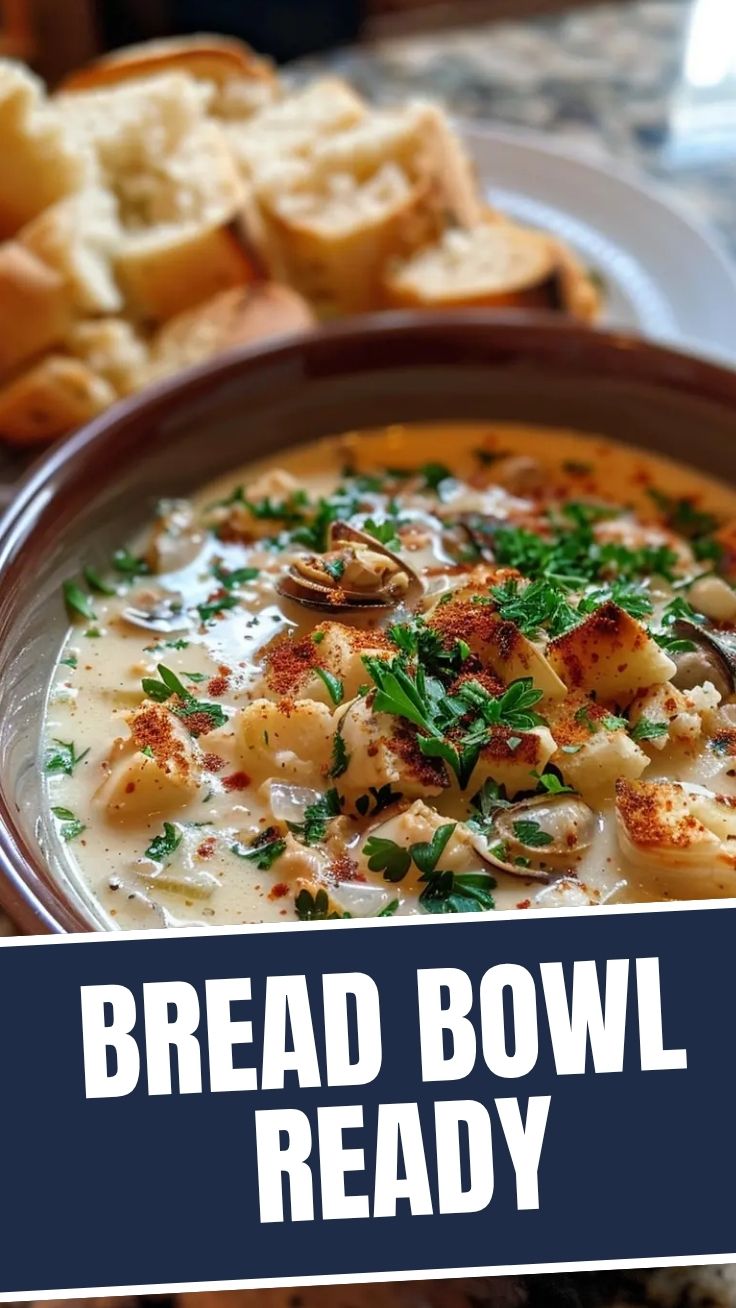
A5: Crusty bread or oyster crackers are classic pairings, perfect for soaking up every last drop of that creamy goodness!
Quick way to grow classic Clam Chowder (New England)
Ingredients
Equipment
Method
- In a large pot, cook the diced bacon until crispy, then remove and set aside, reserving the bacon fat in the pot.
- Add the chopped onion and celery to the pot with the bacon fat, cooking until softened.
- Stir in the diced potatoes and clam juice from the canned clams, bringing the mixture to a boil and then simmering until the potatoes are tender.
- Add the chopped clams and heavy cream, heating through without boiling to prevent curdling.
- Serve the chowder hot, garnishing with the reserved crispy bacon and fresh parsley, if desired.