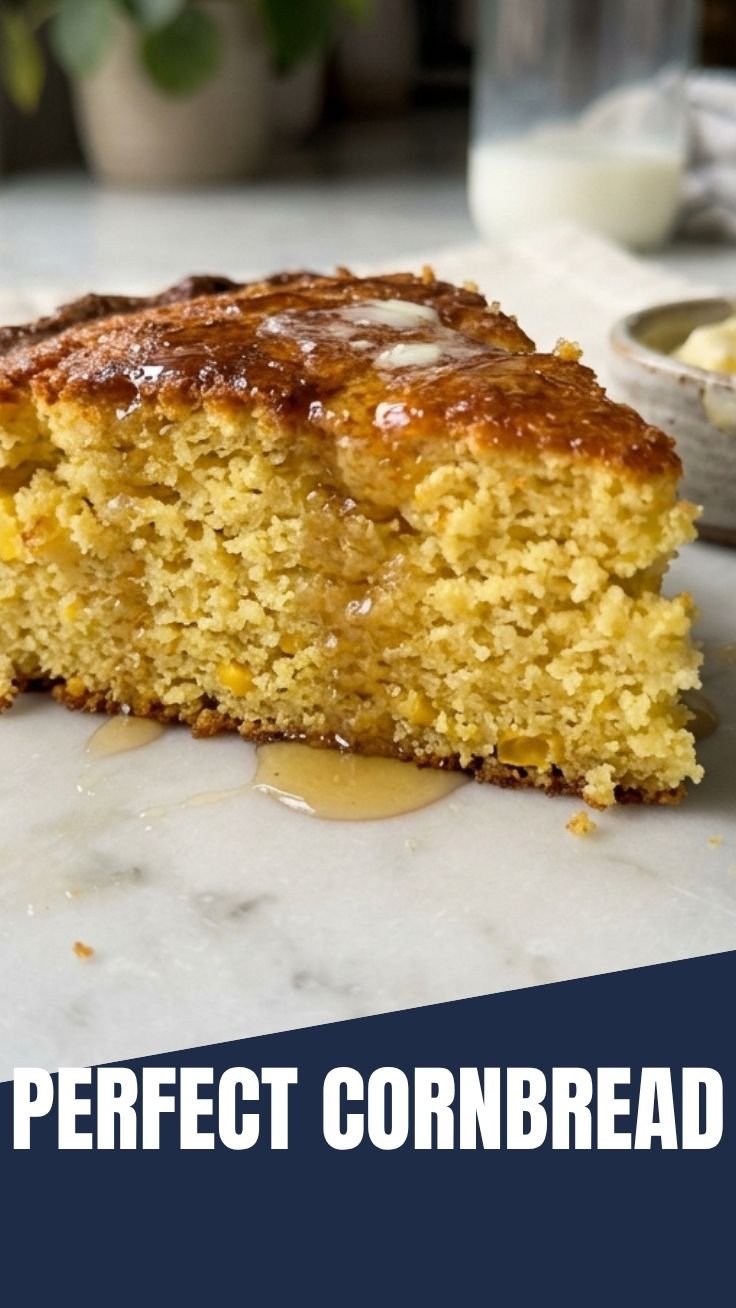
The Ultimate Guide to Perfect Cornbread: A Southern Classic Made Easy
Have you ever bitten into a slice of dry, crumbly cornbread that crumbles into dust before you can even enjoy it? If so, you know the heartbreak of a failed batch. The good news is that achieving moist, tender, and flavorful Cornbread at home is entirely within your reach. By understanding the science behind the ingredients and mastering a few simple techniques, you can create a side dish that steals the show at any barbecue, chili night, or holiday gathering. Preparing it from scratch not only saves you from preservatives and artificial flavors but also allows you to customize it perfectly to your taste. In this comprehensive guide, we’ll unlock the secrets to making the most delightful Cornbread you’ve ever tasted.
Ingredients & Kitchen Tools
Before you begin, gather the following ingredients and tools. Understanding each component’s role ensures success.
For the Cornbread:
– 1 cup yellow cornmeal (fine or medium grind): Provides the signature gritty texture. For a denser, more rustic loaf, use stone-ground.
– 1 cup all-purpose flour: Adds structure and prevents crumbliness. Can be substituted with gluten-free 1:1 flour.
– 1/4 cup granulated sugar: For a mildly sweet Southern-style bread. Omit for a savory version.
– 1 tablespoon baking powder: Leavening agent for a light, fluffy crumb.
– 1/2 teaspoon baking soda: Reacts with buttermilk for extra lift.
– 1 teaspoon salt: Enhances all flavors.
– 1 cup buttermilk (or whole milk + 1 tbsp lemon juice): Adds tangy depth and tenderness. Dairy-free? Use almond milk + vinegar.
– 1/3 cup vegetable oil (or melted butter): Oil ensures superior moisture; butter adds richer flavor.
– 2 large eggs: Bind ingredients and promote browning.
– 1/2 cup honey or maple syrup (optional): For extra sweetness and caramelized crust.
Kitchen Tools:
– 10-inch cast-iron skillet or 9×9 baking pan: Cast iron yields a crispy, golden crust.
– Mixing bowls (large and medium)
– Whisk or fork
– Measuring cups and spoons
– Spatula
– Oven mitts
Prep Time & Cooking Schedule
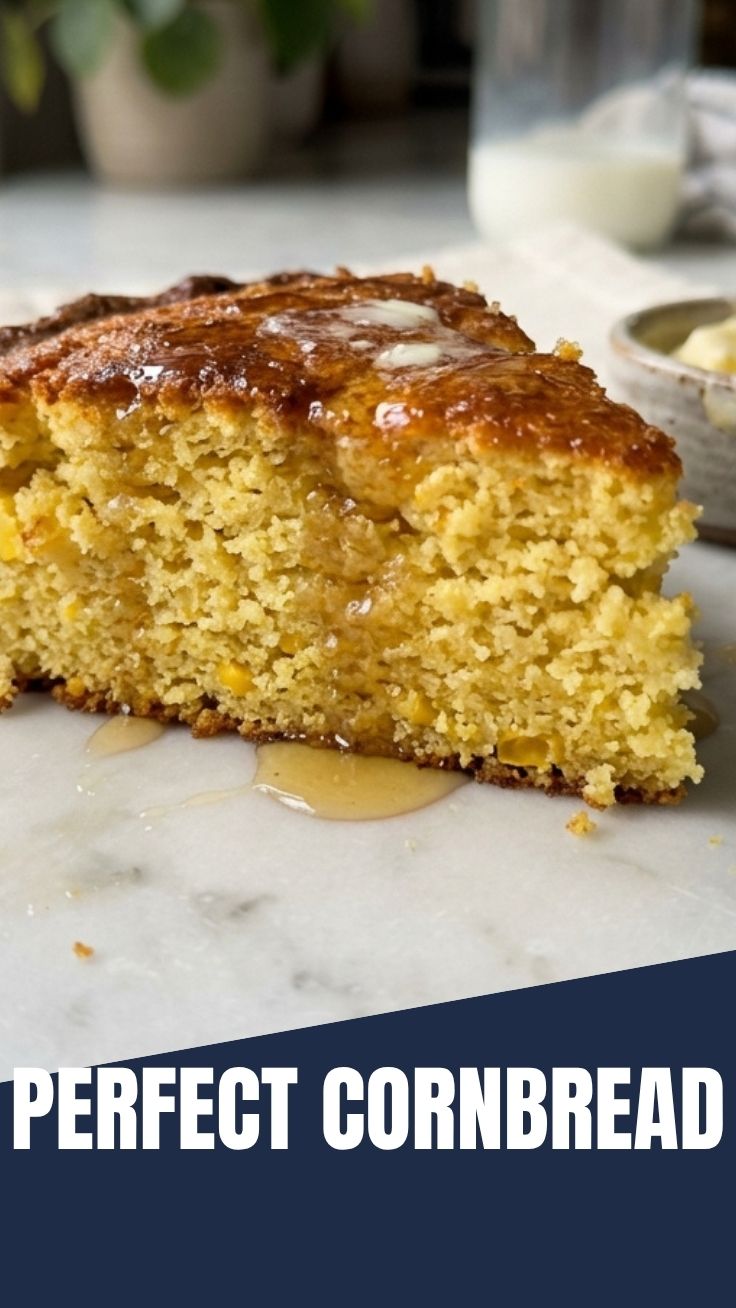
Timing is everything when you want that Instagram-worthy slice.
– Prep Time: 10 minutes (measuring, mixing, greasing pan).
– Cook Time: 20–25 minutes at 400°F (200°C).
– Resting Time: 5–10 minutes after baking. Letting it cool slightly in the pan prevents crumbling when cutting.
Plan ahead: If you’re serving cornbread with chili or soup, start your batter when the main dish is almost ready. The bread bakes quickly and tastes best warm from the oven.
Step-by-Step Instructions
Follow these steps for foolproof results every time.
1. Preheat and Prep Pan: Place your cast-iron skillet (or baking pan) in the oven and preheat to 400°F (200°C). Adding the batter to a hot pan creates an instant crispy crust. Once hot, carefully add 1 tablespoon of oil or butter to the pan and swirl to coat.
2. Combine Dry Ingredients: In a large bowl, whisk together the cornmeal, flour, sugar, baking powder, baking soda, and salt. Ensure no lumps remain. The proper balance of dry to wet is critical for a tender crumb in your Homemade cornbread.
3. Mix Wet Ingredients: In a separate medium bowl, whisk together buttermilk, oil (or melted butter), eggs, and honey (if using). Whisk until smooth and well-emulsified.
4. Combine Wet and Dry: Pour the wet mixture into the dry mixture. Stir gently with a spatula just until combined. Over-mixing develops gluten, leading to a tough, dense loaf. A few small lumps are perfectly fine.
5. Bake to Perfection: Carefully pour the batter into the hot greased skillet. It should sizzle slightly. Bake for 20–25 minutes, or until the top is deeply golden brown and a toothpick inserted into the center comes out clean. For a crispier top, switch to the broil setting for the final 1–2 minutes.
6. Cool and Serve: Remove from oven and let rest in the pan for 5–10 minutes. Turn out onto a cutting board or serve directly from the skillet. Slice with a serrated knife for the cleanest cuts.
Nutritional Benefits & Advantages
Cornbread is more than a comfort food; it offers several nutritional perks.
– Whole Grain Goodness: Cornmeal is a whole grain, providing fiber that aids digestion and promotes satiety.
– Energy Booster: The complex carbohydrates in corn provide sustained energy, making it an excellent pre-activity meal.
– Gluten-Free Friendly: By swapping all-purpose flour with a gluten-free blend, you can enjoy this classic without gluten. Cornmeal itself is naturally gluten-free.
– Rich in Antioxidants: Yellow cornmeal contains carotenoids like lutein and zeaxanthin, which support eye health.
– Versatile Nutrient Profile: Adding ingredients like cheese, jalapeños, or herbs can boost protein, vitamin C, and other nutrients.
Tips, Variations & Cooking Advice
Elevate your Homemade cornbread with these creative ideas.
– Cheesy Jalapeño: Fold in 1 cup shredded cheddar cheese and 1–2 diced jalapeños (seeded for less heat) before baking.
– Savory Herb: Stir in 2 tablespoons chopped fresh rosemary, thyme, or chives.
– Maple Bacon: Add 1/2 cup cooked, crumbled bacon and replace honey with maple syrup.
– Dairy-Free: Use unsweetened almond milk + 1 tbsp apple cider vinegar for buttermilk, and substitute oil for butter.
– Gluten-Free: Replace flour with a 1:1 gluten-free baking blend. Add 1 tablespoon of xanthan gum if the blend doesn’t contain it.
– Air Fryer Version: Cook at 320°F (160°C) for 12–15 minutes in a parchment-lined basket. Reduce liquid by 2 tablespoons as air fryers dry faster.
Common Mistakes to Avoid
Even experienced cooks can fall into these traps. Here’s how to avoid them.
1. Over-mixing the Batter: Mixing too long develops gluten, making cornbread tough and rubbery. Solution: Stir only until dry ingredients are moistened—lumps are okay.
2. Using a Cold Pan: Pouring batter into a cold skillet results in a pale, soft crust. Solution: Always preheat the pan in the oven and add oil just before pouring batter.
3. Over-baking: Dry, crumbly cornbread is a sign of too much oven time. Solution: Start checking at 18 minutes. The top should be golden and spring back to the touch.
4. Incorrect Cornmeal Grind: Using fine cornmeal yields a cake-like texture; coarse grind creates a rustic, crumbly bread. Solution: Choose based on your texture preference. Medium grind is a safe middle ground.
5. Skipping the Buttermilk: Buttermilk reacts with baking soda for lift and tenderness. Solution: If you don’t have buttermilk, add 1 tablespoon of lemon juice or vinegar to regular milk and let sit for 5 minutes.
Storage & Meal Prep Tips
Leftover cornbread is versatile, but proper storage is key to maintaining quality.
– Room Temperature: Store in an airtight container at room temperature for up to 2 days. Avoid the refrigerator, which dries it out.
– Refrigeration: For longer storage (up to 5 days), wrap tightly in plastic wrap and then foil. Reheat in a 300°F oven for 5–7 minutes.
– Freezing: Cornbread freezes beautifully. Cool completely, wrap in plastic wrap, then foil, and place in a freezer bag. It stays fresh for up to 3 months. Thaw at room temperature or reheat directly from frozen in a 350°F oven for 15 minutes.
– Reheating: For best texture, reheat in the oven or toaster oven. The microwave can make it rubbery; if you must, wrap in a damp paper towel and heat for 20 seconds.
– Meal Prep: Bake a double batch on Sunday. Use one for dinner, cube the second for croutons, bread pudding, or cornbread dressing the next day.
Conclusion
Mastering the art of Cornbread is a rewarding journey that transforms simple ingredients into a warm, satisfying staple. By following our detailed guide—from preheating the skillet to avoiding over-mixing—you’ll consistently produce a loaf that’s tender, moist, and bursting with golden flavor. Whether you enjoy it with a pat of butter, a drizzle of honey, or alongside a bowl of chili, this Homemade cornbread recipe will become a family favorite. We encourage you to try it this week, share your results on social media, and explore our other Southern-inspired dishes. Happy baking!
FAQs
1. Why did my cornbread turn out dry and crumbly?
Dry cornbread usually results from over-baking or too much cornmeal relative to liquid. Measure accurately and start checking for doneness several minutes early. Also, ensure you’re using enough fat (oil or butter) for moisture.
2. Can I make this cornbread without buttermilk?
Yes! If you don’t have buttermilk, add 1 tablespoon of lemon juice or white vinegar to a 1-cup measuring cup, then fill with regular milk to the 1-cup line. Let it sit for 5 minutes to curdle. You can also use plain yogurt thinned with milk.
3. How do I add more sweetness without making it cake-like?
Add honey or maple syrup (up to 1/4 cup) instead of granulated sugar. These liquid sweeteners add moisture without dramatically changing the texture. You can also mix in sweet corn kernels for natural sweetness.
4. Can I use a non-stick pan instead of cast iron?
Absolutely. A 9×9 or 8×8 non-stick baking pan works well, but the crust will be softer. Grease the pan generously and preheat it in the oven for a slightly better crust. You can also line the pan with parchment paper.
5. How do I know when cornbread is perfectly baked?
Insert a toothpick into the center; it should come out clean or with a few moist crumbs, not wet batter. The edges should pull away from the pan, and the top should be deep golden brown. For an extra crispy top, broil for 1–2 minutes after baking.