Why This Fresh Tomato Sauce (Summer) Will Change Your Pasta Game Forever
Have you ever tasted a spoonful of liquid gold that tastes exactly like July sunshine? That’s what a properly made fresh tomato sauce summer recipe delivers. When tomatoes are at their peak, there is simply no substitute for a sauce that captures their sweetness, acidity, and umami in a single bite. Preparing this at home lets you control the quality of ingredients, avoid added sugars and preservatives, and tailor the flavor to your exact preference. Whether you’re tossing it with gnocchi, spooning it over grilled fish, or freezing it for a winter taste of warmth, mastering a seasonal tomato sauce recipes approach is one of the most valuable skills in any home cook’s repertoire.
This recipe for Fresh Tomato Sauce (Summer) is designed to highlight the fruit’s natural brilliance. And if you’re looking to explore more variations, check out Seasonal Tomato Sauce Recipes for low-carb alternatives that don’t compromise on flavor.
—
Ingredients & Kitchen Tools
For the Sauce
| Ingredient | Quantity | Notes / Substitutions |
|————|———-|————————|
| Ripe Roma or San Marzano tomatoes | 2 lbs (about 8–10 medium) | Heirloom or cherry tomatoes work well; remove skins if using cherries |
| Extra-virgin olive oil | 3 tbsp | Use a fruity, high-quality oil for the best flavor |
| Garlic cloves | 4 large, thinly sliced | Substitute with 1 tsp garlic powder for a milder taste |
| Fresh basil leaves | 10–12, roughly torn | Dried basil (1 tsp) can be used, but fresh is ideal |
| Salt | 1 tsp, plus more to taste | Sea salt or kosher recommended |
| Sugar (optional) | ½ tsp | Only if tomatoes are very acidic or underripe |
| Red pepper flakes (optional) | ¼ tsp | For a subtle heat; omit if serving to children |
Kitchen Tools
– Large skillet or wide saucepan (12-inch) – ensures even evaporation
– Wooden spoon or silicone spatula
– Chef’s knife and cutting board
– Food mill or fine-mesh strainer (if seedless sauce is desired)
– Measuring spoons
– Glass jars or freezer-safe containers for storage
—
Prep Time & Cooking Schedule
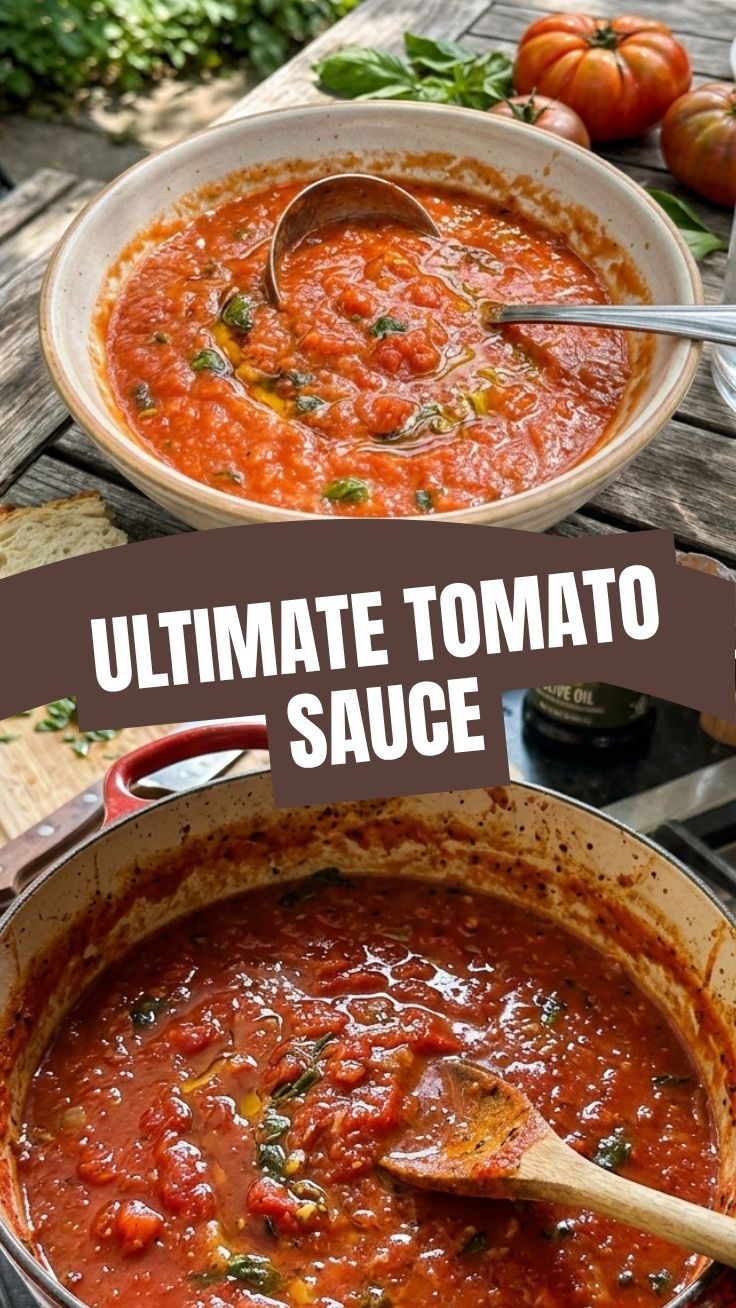
– Prep time: 15 minutes (washing, chopping, peeling if desired)
– Cook time: 25–30 minutes
– Resting time: 5 minutes after cooking (allows flavors to meld)
– Total time: 45–50 minutes
Context: This sauce comes together quickly because the tomatoes are already bursting with flavor. Plan to make it on a day when you have fresh produce at hand and a bit of free time. The sauce can be made ahead and kept in the fridge for up to 5 days, or frozen for up to 3 months.
—
Step-by-Step Instructions
Step 1: Prepare the Tomatoes
Bring a large pot of water to a boil. Score an “X” on the bottom of each tomato with a paring knife. Drop them into the boiling water for 30–45 seconds, then transfer to an ice bath. The skins will slip off easily. Core and roughly chop the tomatoes, reserving juices. If you prefer a seedless sauce, pass the chopped tomatoes through a food mill or push them through a fine-mesh strainer.
Step 2: Sauté the Garlic
In your large skillet, heat 3 tablespoons of olive oil over medium heat. Add the sliced garlic and cook for 1 minute until fragrant but not browned. Browning the garlic will make the sauce bitter, so watch carefully.
Step 3: Cook the Tomatoes
Add the chopped tomatoes and all their juices to the skillet. Stir in 1 teaspoon salt and the red pepper flakes if using. Bring to a gentle simmer, then reduce heat to medium-low. Cook uncovered for 20–25 minutes, stirring occasionally. The sauce will thicken and darken as the water evaporates. Temperature control is critical: keep it at a steady simmer (small bubbles around the edges), not a rapid boil, to prevent scorching.
Step 4: Adjust Seasoning
Taste the sauce after 20 minutes. If it tastes flat, add a pinch of sugar to balance acidity. If it’s too watery, continue simmering for another 5 minutes. Stir in the torn basil leaves during the last 2 minutes of cooking. This fresh tomato sauce summer method preserves the basil’s vibrant color and aroma. For extra depth, finish with a tablespoon of unsalted butter – this is a classic trick used in many seasonal tomato sauce recipes to add silkiness.
Step 5: Finish and Serve
Remove from heat and let the sauce rest for 5 minutes. Taste again and adjust salt if needed. Serve immediately over pasta, gnocchi, or grilled vegetables. Drizzle with a little extra olive oil and garnish with fresh basil or grated Parmesan.
—
Nutritional Benefits & Advantages
Tomatoes are a powerhouse of lycopene, a potent antioxidant linked to reduced risk of heart disease and certain cancers. Cooking tomatoes (as in this sauce) increases lycopene bioavailability, meaning your body absorbs more of it. The olive oil adds healthy monounsaturated fats, which further aid lycopene absorption. This sauce is naturally vegan, gluten-free, and low in calories – about 70 calories per half-cup serving (without pasta). It’s also rich in vitamin C, potassium, and vitamin K. By using seasonal produce, you maximize both flavor and nutrient density while supporting local agriculture.
—
Tips Variations & Cooking Advice
– Flavor variations: Add a tablespoon of tomato paste for a deeper, richer sauce. Or stir in a splash of balsamic vinegar at the end for a sweet-sour kick.
– Ingredient swaps: Use canned San Marzano tomatoes when fresh are out of season – just drain slightly and crush by hand. For a dairy-free cream version, blend ¼ cup of raw cashews with water and stir in after cooking.
– Portion changes: This recipe yields about 3 cups of sauce. Double it for meal prep, but use a larger pot to allow for evaporation.
– Dietary adaptations: Low-carb? Serve over zucchini noodles or spaghetti squash. The sauce itself is already low-carb (about 6g net carbs per half-cup). For a keto-friendly boost, add a dollop of pesto or extra olive oil.
– Alternative cooking methods: You can also make this sauce in a slow cooker: combine all ingredients (except basil) and cook on low for 4–6 hours. Stir in basil at the end.
—
Common Mistakes to Avoid
– Using underripe tomatoes: They lack sweetness and can make the sauce sour and watery. Always choose fully ripe, fragrant tomatoes.
– Overcooking the garlic: Once garlic turns brown, it becomes bitter and overwhelms the sauce. Remove it from heat the moment it’s fragrant.
– Skipping the salt: Salt is essential to draw out moisture and enhance flavor. Undersalted sauce tastes flat, even with perfect tomatoes.
– Boiling instead of simmering: High heat evaporates liquid too quickly and can cause the sauce to scorch. Keep it at a gentle bubble.
– Adding basil too early: Basil loses its flavor and turns dark if cooked too long. Add it only in the last 2 minutes.
—
Storage & Meal Prep Tips
– Refrigeration: Cool the sauce completely, then transfer to an airtight container. It will keep for up to 5 days in the refrigerator.
– Freezing: Pour cooled sauce into freezer-safe jars or zip-top bags (leave ½ inch headspace). Label and freeze for up to 3 months. Thaw overnight in the fridge before reheating.
– Reheating: Warm gently in a saucepan over low heat, stirring occasionally. If sauce seems thick after refrigeration, add a splash of water or pasta cooking water to loosen it. Avoid microwaving on high, which can cause uneven heating and alter texture.
– Meal prep tip: Make a double batch on the weekend. Use half for pasta night and freeze the rest in single-serving portions for quick weeknight dinners.
—
Conclusion
A bowl of this fresh tomato sauce summer recipe is more than just a sauce – it’s a celebration of the season’s best produce captured in a jar. With minimal effort and maximum flavor, you’ve created a versatile foundation for countless meals. Remember that the best seasonal tomato sauce recipes come from letting the ingredients shine without overcomplicating them. Try this recipe this weekend, share your results with friends, and explore other variations to make it your own. Once you taste the difference, you’ll never go back to store-bought.
—
FAQs
1. Can I use canned tomatoes instead of fresh?
Yes. Use two 14-ounce cans of whole peeled San Marzano tomatoes. Drain them slightly, crush by hand, and follow the same cooking steps. The sauce will be slightly sweeter and more consistent year-round.
2. My sauce tastes acidic. How can I fix it?
Add a pinch of sugar – start with ¼ teaspoon and stir until dissolved. A splash of cream or a pat of butter also helps neutralize acidity and adds richness.
3. How do I prevent the sauce from being watery?
Simmer the sauce uncovered for longer. If after 25 minutes it’s still thin, increase heat to medium and cook for 3–5 more minutes, stirring frequently. Avoid adding extra liquid like broth or wine unless the recipe calls for it.
4. Can I make this sauce without peeling the tomatoes?
Absolutely. The skins add fiber and a slightly rustic texture. If you don’t mind a few chewy bits, skip the blanching step. For a smoother result, use a food mill after cooking.
5. How do I store leftover sauce with pasta already mixed in?
Refrigerate in an airtight container for up to 3 days. The pasta will absorb more sauce, so when reheating, add a splash of water or broth and toss gently in a skillet over medium heat. The texture won’t be as perfect as freshly tossed, but it’s still delicious.
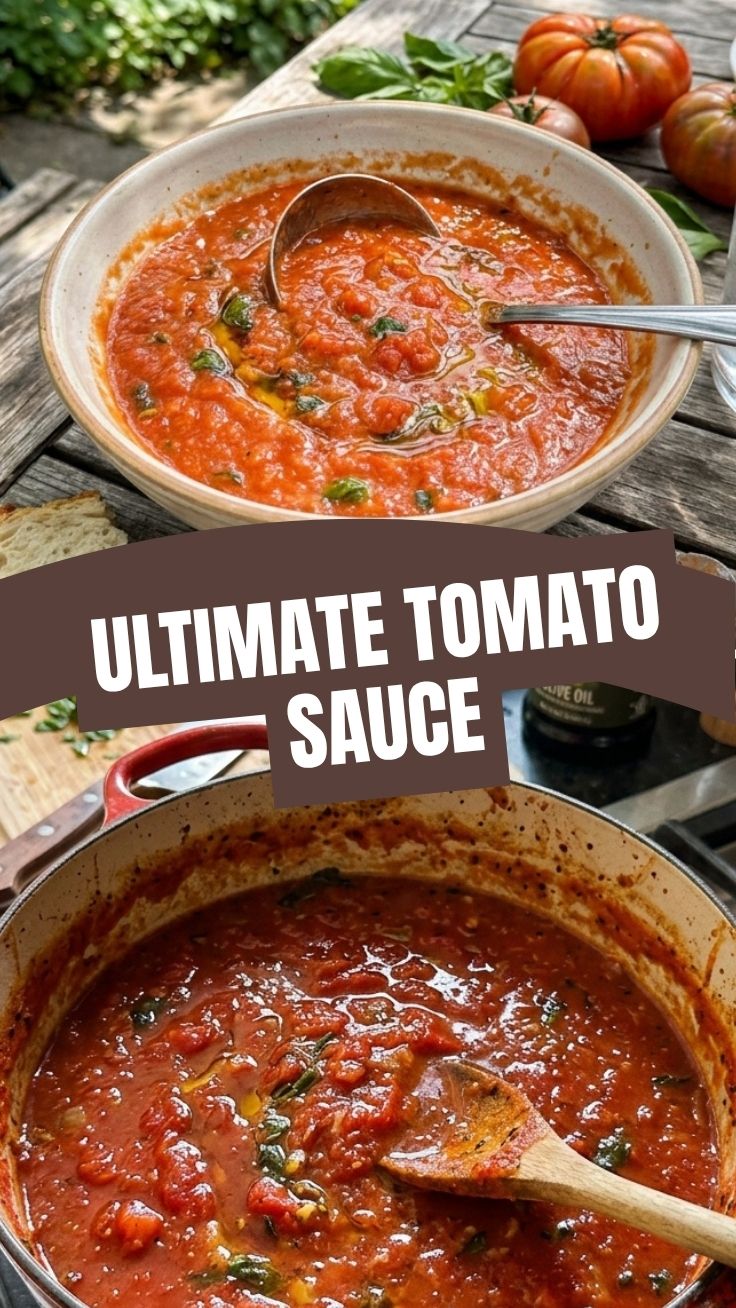
Best way to grow 3x Fresh Tomato Sauce (Summer)
Ingredients
Equipment
Method
- Choose a sunny spot with good drainage and amend the soil with compost for nutrients.
- Plant young tomato plants deep, removing lower leaves, and provide support with cages or stakes.
- Water regularly to keep soil moist, especially during fruiting, and apply mulch to retain moisture and suppress weeds.
- Fertilize every 2-4 weeks with a balanced organic fertilizer to support growth and fruit development.
- Prune suckers to direct energy to main stems and improve air circulation, and inspect plants for pests and diseases regularly.
- Harvest tomatoes when they are fully ripe and firm, typically in mid-to-late summer.
- Wash tomatoes thoroughly, core them, and cut into quarters.
- Sauté chopped garlic and onion in olive oil in a large pot until softened.
- Add tomatoes to the pot, bring to a simmer, and cook for 1-2 hours until thickened, stirring occasionally.
- Season with salt, pepper, and fresh basil, then blend the sauce to your desired consistency or leave it chunky.