Why You Should Try This Healthy Salmon Summer Recipes at Home
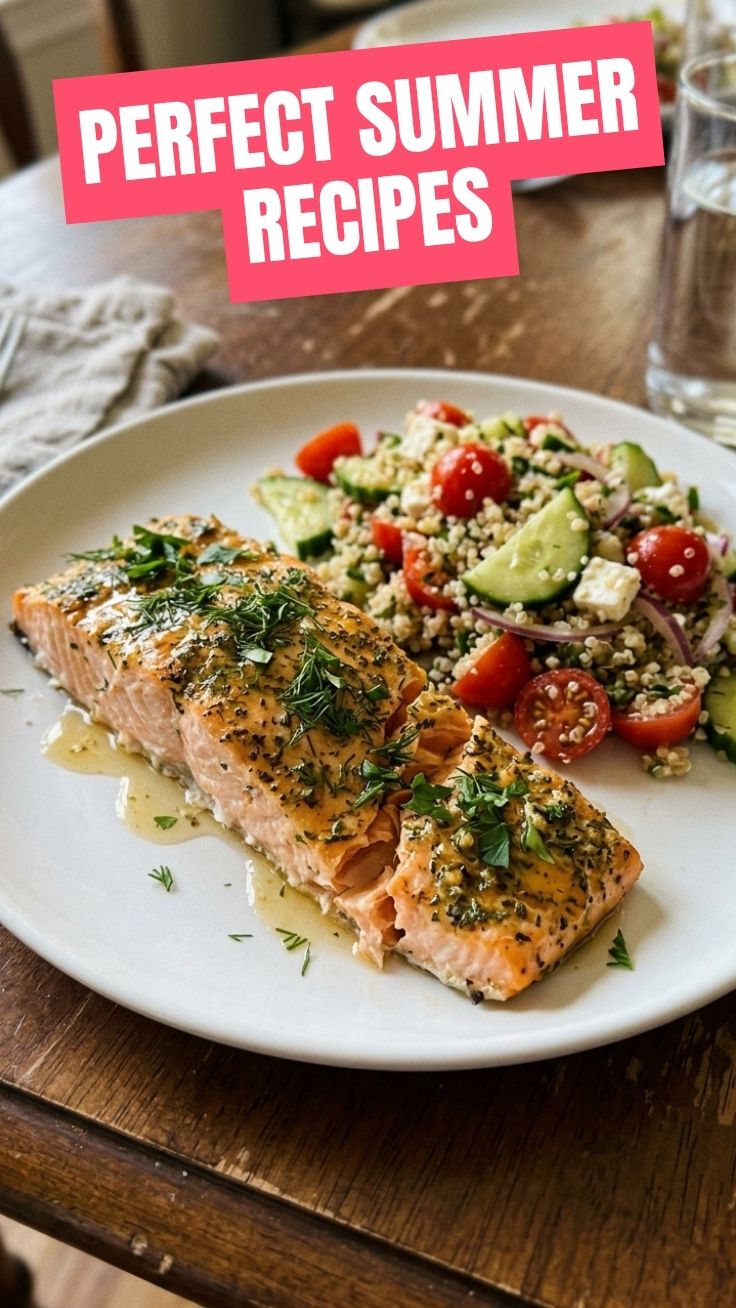
Have you ever wondered how to create a restaurant-quality meal that’s both refreshing and nourishing without spending hours in the kitchen? If you’re looking for healthy salmon summer recipes that burst with flavor and keep you cool on hot days, you’ve come to the right place. Preparing a summer salmon salad at home not only saves money but also lets you control every ingredient, ensuring maximum freshness and nutritional value. Whether you’re a seasoned home cook or a busy parent seeking quick meals, this dish delivers convenience, taste, and health benefits in every bite.
Ingredients & Kitchen Tools
For the Salmon & Marinade
– 4 salmon fillets (6 oz each, skin-on or skinless) – Rich in omega-3 fatty acids
– 2 tbsp olive oil – Enhances moisture and helps seasoning adhere
– 1 lemon (juiced) – Adds acidity to balance richness
– 2 garlic cloves (minced) – Provides aromatic depth
– 1 tsp salt & ½ tsp black pepper – Basic seasoning; adjust to taste
– 1 tsp dried dill or fresh dill (chopped) – Complements salmon’s natural flavor
For the Salad Base
– 4 cups mixed greens (spinach, arugula, romaine) – Nutrient-dense and hydrating
– 1 cup cherry tomatoes (halved) – Adds sweetness and vitamin C
– 1 cucumber (diced) – Provides crunch and hydration
– ½ red onion (thinly sliced) – Sharp contrast to the salmon
– ¼ cup crumbled feta (optional) – Creamy texture; omit for dairy-free
Kitchen Tools
– Baking sheet or grill pan – For cooking salmon evenly
– Mixing bowls (2 medium) – One for marinade, one for salad
– Whisk – To emulsify dressing
– Tongs – For flipping salmon without breaking
– Sharp knife & cutting board – For precise vegetable prep
Optional Substitutions
– Salmon → trout or arctic char
– Feta → avocado (dairy-free) or goat cheese
– Mixed greens → kale or watercress
Prep Time & Cooking Schedule
– Prep time: 15 minutes (washing, chopping, mixing marinade)
– Marinating time: 15–20 minutes (optional but recommended for deeper flavor)
– Cook time: 10–12 minutes (for pan-seared or baked fillets)
– Resting time: 5 minutes (keeps salmon juicy before slicing)
Pro tip: Start marinating the salmon while you prep vegetables. This overlapping schedule keeps you efficient and ensures everything comes together in under 30 minutes—perfect for weeknight dinners.
Step-by-Step Instructions
1. Prepare the marinade: In a shallow dish, whisk together olive oil, lemon juice, minced garlic, salt, pepper, and dill. Place salmon fillets in the dish, turning to coat. Let marinate for 15–20 minutes at room temperature.
2. Cook the salmon: Heat a non-stick skillet over medium-high heat (or preheat oven to 400°F). Add a drizzle of oil if needed. Place fillets skin-side down, cooking 4–5 minutes until skin is crispy and golden. Flip carefully and cook another 3–4 minutes for medium doneness (internal temperature 125°F). For healthy salmon summer recipes, avoid overcooking—the fish should flake easily with a fork yet remain moist inside.
3. Assemble the salad: In a large bowl, toss mixed greens, cherry tomatoes, cucumber, and red onion. For a perfect summer salmon salad, aim for a balanced ratio of greens to toppings—about 2:1.
4. Make the dressing: Whisk 3 tbsp olive oil, 1 tbsp lemon juice, 1 tsp honey, salt, and pepper. Drizzle over salad and toss gently.
5. Serve immediately: Slice salmon into portions, place atop the dressed salad, and garnish with fresh dill or feta. Enjoy while warm for the best texture contrast.
Nutritional Benefits & Advantages
This dish is a powerhouse of nutrition. Salmon delivers high-quality protein and essential omega-3 fatty acids (EPA and DHA), which support heart health, reduce inflammation, and boost brain function. The mixed greens provide fiber, vitamins A, C, and K, while cucumbers and tomatoes add hydration and antioxidants like lycopene. With only about 400–450 calories per serving, this meal is ideal for weight management or clean eating plans. The combination of healthy fats and lean protein also promotes satiety, helping you stay full longer without feeling heavy—a key advantage during hot weather.
Tips Variations & Cooking Advice
– Flavor variations: Swap dill for basil or cilantro for a Mediterranean twist. Add a pinch of smoked paprika to the marinade for a subtle smoky flavor.
– Cooking method variations: Grill the salmon over medium heat for 4–5 minutes per side, or bake on parchment paper at 375°F for 12–15 minutes.
– Dietary adaptations: Use avocado instead of feta for a dairy-free version. Replace honey with maple syrup for vegan dressing. For gluten-free, ensure all seasonings and dressings are certified gluten-free.
– Portion changes: Double the recipe for meal prep; store dressing separately to keep greens crisp.
– Extra crunch: Add toasted almonds, sunflower seeds, or croutons (gluten-free if needed).
Common Mistakes to Avoid
– Overcooking the salmon: This dries out the flesh. Use a meat thermometer or test doneness by pressing gently—it should flake but still feel slightly firm.
– Dressing the salad too early: Moisture wilts greens. Dress just before serving for maximum crunch.
– Skipping marination time: Even 10 minutes makes a difference in flavor penetration. If short on time, season generously with salt and dill immediately before cooking.
– Using watery vegetables: Pat cucumber and tomatoes dry with a paper towel to prevent a soggy salad base.
– Ignoring skin: If you prefer crispy skin, cook skin-side down without moving for 5 minutes—it releases naturally when ready.
Storage & Meal Prep Tips
Store leftover salmon and salad components separately in airtight containers. The cooked salmon keeps in the refrigerator for up to 3 days. For the salad greens, place a paper towel inside the container to absorb moisture; they’ll stay fresh for 1–2 days. Dressing should be refrigerated in a small jar and used within 5 days.
For lunch prep: Assemble salad in a mason jar—dressing at the bottom, then harder vegetables, salmon, and greens on top. Shake before eating.
Freezing: Cooked salmon freezes well for up to 2 months. Wrap tightly in plastic wrap, then foil. Thaw overnight in the fridge and reheat gently in a skillet with a splash of water to restore moisture.
Reheating: Avoid microwaving—it dries fish out. Instead, warm salmon in a 300°F oven for 5–7 minutes or flake into a hot pan for 2 minutes.
Conclusion
Bringing this recipe to life is easier than you think, and the rewards are immense. By mastering these healthy salmon summer recipes, you’ll have a go-to meal that’s both satisfying and good for you. The vibrant summer salmon salad we’ve built together proves that eating well doesn’t require elaborate techniques or exotic ingredients—just fresh produce, quality protein, and a little planning. I encourage you to try this dish this week, snap a photo of your creation, and share your results with friends or on social media. Remember, every home-cooked meal is a step toward better health and happier taste buds. Give it a go!
FAQs
Can I use canned salmon instead of fresh fillets?
Yes, flake canned salmon (drained) and toss directly into the salad. Reduce seasoning slightly, as canned salmon is often salted. This works well for a quick, no-cook version.
How do I know when the salmon is perfectly cooked?
The internal temperature should reach 125°F for medium, which is ideal for moist, flaky texture. If you don’t have a thermometer, cook until the flesh turns opaque and flakes easily with a fork but still looks slightly translucent in the center.
What if I don’t have a grill or oven?
Pan-searing works beautifully. Use a non-stick skillet over medium-high heat with a little oil. Cooking times remain the same—just ensure the pan is hot before adding the fish for a nice crust.
Can I prepare the dressing ahead of time?
Absolutely. Whisk the dressing ingredients and store in the refrigerator for up to 5 days. Shake or whisk again before using, as oil and lemon juice may separate.
How do I adjust the recipe for someone with a shellfish allergy?
This recipe is naturally shellfish-free. However, double-check all packaged ingredients (like feta or dressings) for cross-contamination warnings if allergies are severe.
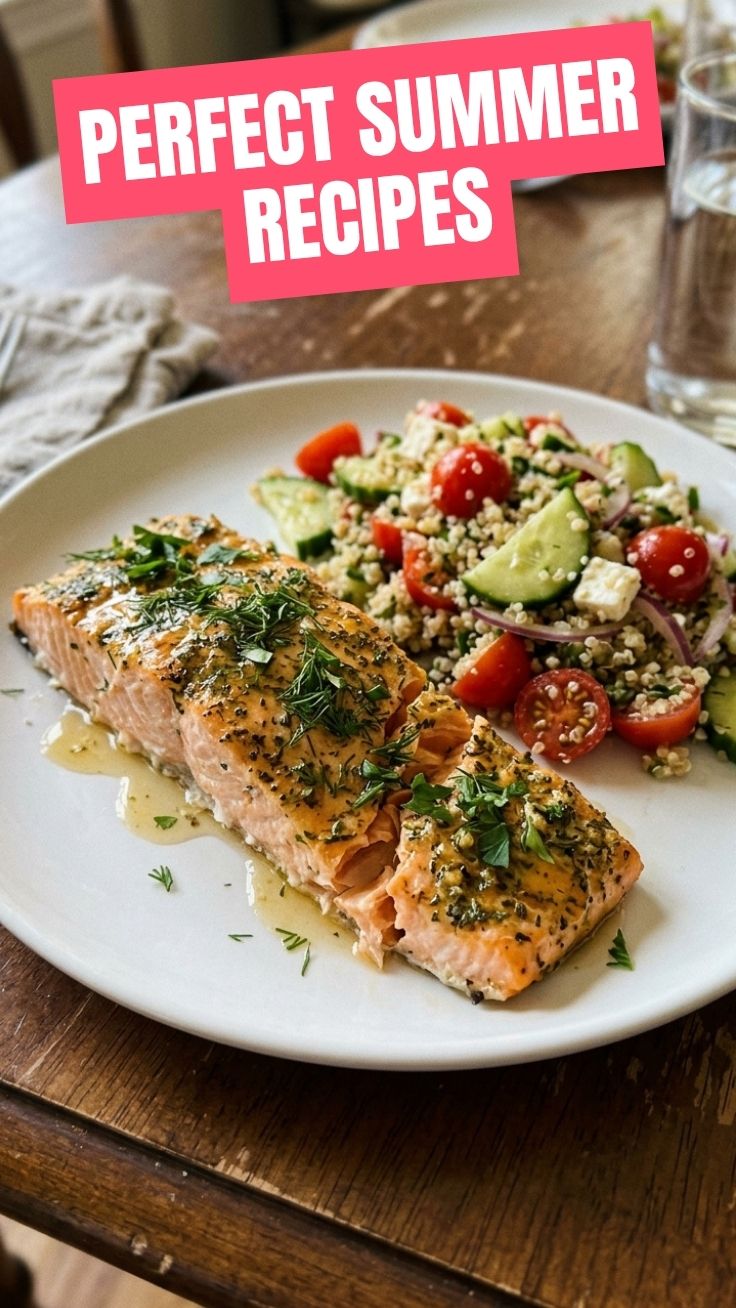
Best way to grow 3 healthy salmon summer recipes
Ingredients
Equipment
Method
- In a small bowl, combine lemon zest, lemon juice, fresh dill, fresh parsley, and olive oil to make the marinade.
- Marinate the salmon fillets for at least 15 minutes, or up to 30 minutes, in the refrigerator.
- While salmon marinates, prepare the avocado salsa by combining diced avocado, red onion, halved cherry tomatoes, minced jalapeno, and lime juice.
- Preheat your grill to medium-high heat and lightly oil the grates.
- Grill the salmon for 4-6 minutes per side, or until cooked through and flaky.
- Serve the grilled salmon immediately, topped with a generous spoonful of avocado salsa.
- In a medium bowl, flake the cooked salmon into bite-sized pieces.
- Using a vegetable peeler, create long ribbons from the English cucumbers.
- In a separate small bowl, whisk together Greek yogurt, fresh dill, and lemon juice to make the dressing.
- Combine the flaked salmon and cucumber ribbons in a large bowl.
- Drizzle the yogurt-dill dressing over the salmon and cucumber, tossing gently to coat.
- Serve chilled as a refreshing salad or light lunch.
- Preheat your oven to 400°F (200°C) and line a large baking sheet with parchment paper.
- On the prepared baking sheet, arrange the salmon fillets, asparagus spears, and cherry tomatoes in a single layer.
- Drizzle everything with olive oil, then sprinkle with garlic powder, onion powder, paprika, salt, and black pepper.
- Toss gently to ensure all ingredients are evenly coated with the seasonings.
- Bake for 12-18 minutes, or until the salmon is cooked through and the asparagus is tender-crisp.
- Serve hot directly from the sheet pan for an easy and healthy meal.