Warm Up Your Winter: The Ultimate Healthy Winter Dinner Recipes Guide
Are you tired of heavy, calorie-laden meals that leave you feeling sluggish during the colder months? Imagine coming home to a steaming bowl of comfort that not only warms your soul but also supports your wellness goals. The secret lies in mastering healthy winter dinner recipes that are both nourishing and delicious. By preparing these meals at home, you take control of ingredients, portion sizes, and nutritional value—something pre-packaged options simply cannot match. Whether you’re seeking low carb winter meals to maintain energy levels or simply want vibrant, seasonal dishes, this guide will transform your winter cooking routine.
Ingredients & Kitchen Tools
For the Dish (Serves 4)
– 2 tablespoons olive oil – For sautéing; use avocado oil as a substitute.
– 1 large onion, diced – Adds natural sweetness and depth.
– 3 cloves garlic, minced – Provides aromatic warmth.
– 2 medium carrots, chopped – Rich in beta-carotene for immunity.
– 2 celery stalks, sliced – Adds crunchy texture and low-calorie bulk.
– 1 medium butternut squash, cubed – A winter superfood packed with vitamin A.
– 4 cups low-sodium vegetable broth – Ensures depth without excess salt.
– 1 can (14 oz) diced tomatoes – Adds lycopene and acidity.
– 2 cups chopped kale – Iron-rich leafy green that holds up in soups.
– 1 teaspoon smoked paprika – For smoky warmth.
– ½ teaspoon turmeric – Anti-inflammatory boost.
– Salt and black pepper to taste
– 1 pound boneless, skinless chicken breast (optional) – For protein; omit for vegan version.
Kitchen Tools & Utensils
– Large pot or Dutch oven – Heavy-bottomed ensures even heat distribution.
– Chef’s knife and cutting board – Sharp knife prevents squashing vegetables.
– Wooden spoon or spatula – For stirring without scratching non-stick surfaces.
– Measuring cups and spoons – Precision prevents over-seasoning.
– Immersion blender (optional) – For creamy texture without transferring hot liquid.
Optional Substitutions
– Replace butternut squash with sweet potato or pumpkin.
– Use Swiss chard or spinach instead of kale (add later to avoid wilting).
– Swap chicken for chickpeas or lentils for a fiber-rich vegan option.
Prep Time & Cooking Schedule
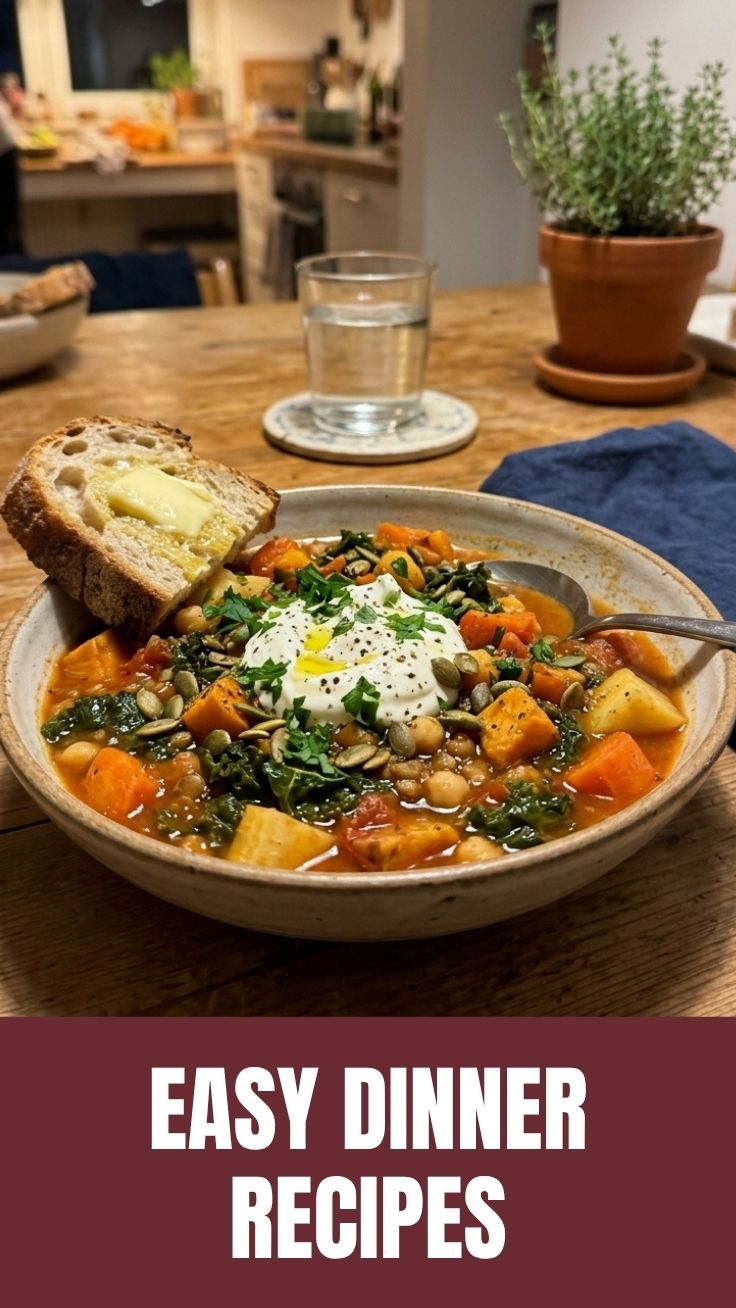
– Prep Time: 15 minutes (chopping vegetables, mincing garlic)
– Cook Time: 35 minutes (sautéing, simmering)
– Resting Time: 5 minutes after cooking (flavors meld beautifully)
– Total Time: Approximately 55 minutes
Planning Tip: Chop all vegetables in advance and store in airtight containers in the refrigerator. The onion and garlic can be pre-minced up to 2 days ahead. For busy weeknights, cook a double batch and freeze half for a quick reheat later.
Step-by-Step Instructions
1. Heat the oil: Place your large pot over medium heat. Add olive oil and wait until it shimmers (about 30 seconds). This ensures even browning without burning.
2. Sauté aromatics: Add diced onion and cook for 3 minutes until translucent. Stir occasionally to prevent sticking. Add minced garlic and cook for 30 seconds until fragrant—don’t let it brown.
3. Build the base: Add carrots and celery. Cook for 5 minutes, stirring frequently. The vegetables should soften slightly but still hold shape. This is where healthy winter dinner recipes truly shine by layering flavors from the start.
4. Incorporate squash and spices: Add butternut squash, smoked paprika, and turmeric. Stir well to coat all vegetables. Cook for 2 minutes to toast spices, enhancing their aroma.
5. Add liquids and tomatoes: Pour in vegetable broth and diced tomatoes (with juices). Bring to a gentle boil, then reduce heat to low. Cover and simmer for 20 minutes.
6. Add protein (if using): If including chicken, season with salt and pepper, then add to the pot. Simmer uncovered for 15 minutes until chicken is cooked through (internal temperature 165°F). For vegan options, add chickpeas at this stage.
7. Finish with greens: Stir in chopped kale and cook for 3 minutes until wilted but still vibrant. Adjust seasoning with salt and pepper. For those seeking low carb winter meals, this dish naturally fits—each serving contains approximately 18g net carbs from vegetables alone.
8. Serve: Ladle into bowls and optionally garnish with fresh parsley or a squeeze of lemon juice. Let rest 5 minutes before serving for best flavor.
Temperature Cue: If the soup reduces too much, add an extra ½ cup of broth or water. For a creamier texture, use an immersion blender to puree half the soup before adding kale.
Nutritional Benefits & Advantages
This one-pot wonder is a nutritional powerhouse. Each serving provides approximately 280 calories (with chicken) and boasts 22g of protein, 12g of fiber, and 170% daily value of vitamin A from butternut squash and carrots. The kale contributes vitamin K and calcium, while turmeric supports joint health. The dish is naturally gluten-free and dairy-free, making it suitable for most dietary needs. By focusing on whole, seasonal ingredients, this meal supports weight management and sustained energy throughout cold winter days.
Tips, Variations & Cooking Advice
– Flavor variation: Add 1 teaspoon of curry powder or garam masala for an Indian-inspired twist.
– Ingredient swap: Replace kale with cabbage or collard greens for longer cooking times.
– Cooking method: Use a slow cooker—sauté aromatics first, then cook on low for 6-8 hours.
– Portion adjustment: Double the recipe and freeze in individual containers for quick lunches.
– Dietary adaptation: For a dairy-free version, skip cheese garnish; for gluten-free, ensure broth is certified gluten-free.
Common Mistakes to Avoid
– Adding greens too early: Kale becomes bitter and mushy if cooked longer than 10 minutes. Always add leafy greens at the end.
– Overcooking squash: Butternut squash should be tender but not falling apart. Check after 20 minutes of simmering.
– Skipping the sauté step: Raw onions and garlic lack depth. Always cook them first to develop sweetness and aroma.
– Underseasoning: Vegetables absorb salt; taste and adjust seasoning midway through cooking, not just at the end.
Storage & Meal Prep Tips
– Refrigeration: Store in an airtight container for up to 4 days. The soup thickens as it sits; add a splash of broth or water when reheating.
– Freezing: Portion into freezer-safe bags or containers (leave 1 inch headspace). Freeze for up to 3 months. Thaw overnight in the refrigerator.
– Reheating: Warm on the stovetop over medium-low heat, stirring occasionally. For microwave, heat in 1-minute intervals, stirring between. Add fresh kale or lemon juice after reheating to restore freshness.
Conclusion
This dish proves that healthy winter dinner recipes don’t require hours in the kitchen or complex techniques. By layering seasonal vegetables and warming spices, you create a meal that nourishes both body and spirit. It’s perfect for those exploring low carb winter meals because of its naturally low net carbohydrate profile when served without bread or grains. I encourage you to try this recipe this week—adjust the spices to your liking, experiment with different winter vegetables, and share your creation in the comments below. Your winter dinner routine will never be the same!
FAQs
1. Can I make this recipe vegan?
Absolutely! Omit the chicken and add 1 can of chickpeas (drained and rinsed) during step 6. For extra protein, add 2 tablespoons of nutritional yeast or serve with a side of toasted pumpkin seeds.
2. How do I prevent the kale from becoming too tough?
Kale needs only 3-5 minutes to wilt. Add it just before serving and remove from heat immediately. Massaging the kale with a little olive oil before adding also helps soften it.
3. Can I use frozen butternut squash instead of fresh?
Yes, frozen works well. Reduce cooking time by 5 minutes since frozen squash cooks faster. There’s no need to thaw it first—add directly from frozen.
4. My soup tastes bland. How can I fix it?
Add a splash of lemon juice or apple cider vinegar to brighten flavors. Also try adding extra salt in small increments (¼ teaspoon at a time) until the flavors pop. A pinch of cayenne pepper can also add depth.
5. How can I make this dish lower in sodium?
Use no-salt-added broth and rinse canned tomatoes. Add fresh herbs like rosemary, thyme, or basil instead of salt for flavor enhancement. You can also add a dash of smoked salt just before serving for a concentrated flavor boost.
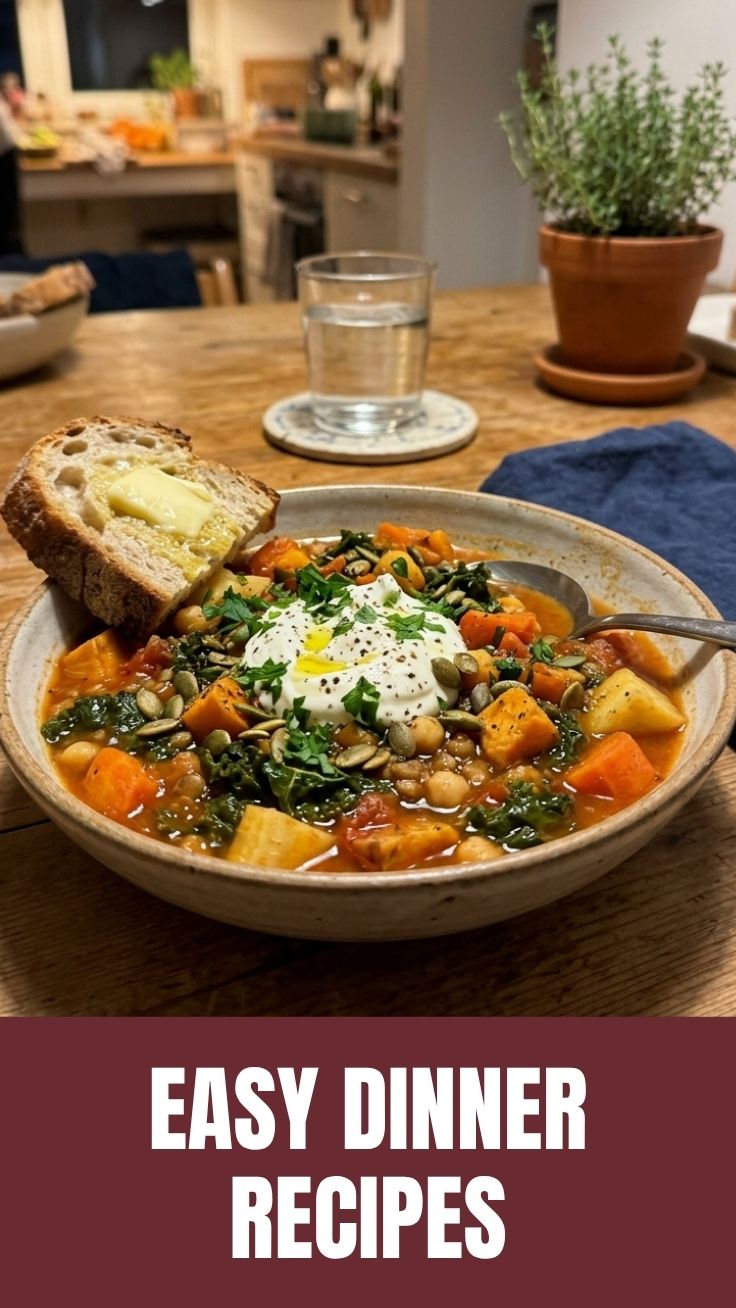
Best way to grow 15 Healthy Winter Dinner Recipes
Ingredients
Equipment
Method
- Preheat your oven to 400°F (200°C) and chop all your assorted winter vegetables into 1-inch pieces.
- Toss the chopped vegetables with 1 tablespoon of olive oil, salt, pepper, and half of your desired herbs and spices.
- Spread the seasoned vegetables on a baking sheet and roast for 20-25 minutes, or until they start to tenderize.
- While the vegetables roast, prepare your chosen lean protein by seasoning it with the remaining herbs and spices.
- Cook the protein according to its type: sauté chicken or tofu in 1 tablespoon of olive oil until cooked through, or simmer lentils in 2 cups of broth until tender.
- Separately, cook your chosen whole grains according to package instructions, typically by simmering 1 cup of grains in 2 cups of liquid until absorbed.
- Once all components are cooked, combine the roasted vegetables and cooked protein with the whole grains.
- If making a soup or stew, add the remaining broth and simmer for 10-15 minutes to allow flavors to meld.
- Serve warm, garnished with fresh herbs if desired, for a complete and healthy winter dinner.