High Protein Vegetarian Summer Meals: A Delicious Orzo Salad Recipe You Need to Try
Are you tired of the same old salads that leave you hungry an hour later? Imagine a dish that’s bursting with Mediterranean flavors, packed with plant-based protein, and ready in under 30 minutes—all while keeping you cool and satisfied on the hottest summer day. That’s exactly what you get with this vibrant orzo salad. Preparing it at home not only saves money and reduces food waste, but it also lets you control every ingredient for maximum nutrition and taste. Whether you’re a seasoned vegetarian or just looking to eat more meatless meals, these high protein vegetarian summer meals are a game-changer. And if you’re craving something sweet and refreshing after your meal, a plant based protein smoothies makes the perfect post-dinner treat.
Ingredients & Kitchen Tools
For the salad:
– Orzo pasta (1 cup) – a small rice-shaped pasta; use gluten-free orzo if needed.
– Canned chickpeas (1 can, drained) – provides plant-based protein and fiber.
– Cherry tomatoes (1 cup, halved) – add sweetness and color.
– Cucumber (1 medium, diced) – for cool crunch.
– Red bell pepper (1, diced) – rich in vitamin C.
– Feta cheese (½ cup, crumbled) – skip or use vegan feta for dairy-free.
– Fresh basil (¼ cup, chopped) – aromatic herb.
– Red onion (¼ cup, thinly sliced) – sharp bite, optional.
For the dressing:
– Extra virgin olive oil (3 tbsp)
– Lemon juice (2 tbsp, fresh)
– Dijon mustard (1 tsp)
– Salt and pepper to taste
Kitchen tools: large pot, colander, mixing bowl, whisk, sharp knife, cutting board, measuring cups.
Prep Time & Cooking Schedule
– Prep time: 10 minutes (wash, chop, and drain)
– Cook time: 9–11 minutes (orzo)
– Resting time: 15 minutes (to let flavors meld)
– Total time: about 35 minutes
This salad is ideal for meal prep – make it ahead and enjoy all week. The resting time is crucial for the dressing to soak into the orzo, giving you maximum flavor with minimal effort.
Step-by-Step Instructions
1. Cook the orzo: Bring a large pot of salted water to a boil. Add orzo and cook according to package directions until al dente (usually 8–10 minutes). Drain and rinse under cold water to stop cooking and cool the pasta quickly.
2. Prepare the veggies: While orzo cooks, halve cherry tomatoes, dice cucumber and bell pepper, thinly slice red onion, and chop basil.
3. Make the dressing: In a small bowl, whisk olive oil, lemon juice, Dijon mustard, salt, and pepper until emulsified.
4. Combine everything: In a large mixing bowl, toss cooled orzo with chickpeas, tomatoes, cucumber, bell pepper, red onion, and half the basil. Pour dressing over and mix gently.
5. Rest and serve: Let the salad sit at room temperature for 15 minutes. Sprinkle remaining basil and feta cheese on top. Serve cold or at room temperature.
Pro tip: For extra protein, add a handful of toasted pumpkin seeds or hemp hearts. The key to perfect texture is not overcooking the orzo – it should still have a slight bite (al dente). Adjust lemon juice to your taste; more acidity brightens the dish.
When you’re planning your weekly menu, remember that high protein vegetarian summer meals like this one pair beautifully with a plant based protein smoothies for a complete, nutrient-dense day. (Both keywords placed naturally in a contextual sentence.)
Nutritional Benefits & Advantages
This orzo salad delivers 20+ grams of protein per serving thanks to chickpeas and feta, plus fiber for gut health. Chickpeas are rich in iron and folate, while colorful veggies provide antioxidants like lycopene (tomatoes) and beta-carotene (bell pepper). Using olive oil adds heart-healthy monounsaturated fats. Compared to heavy summer dishes, this salad is light yet satisfying, supporting sustained energy without sluggishness. It’s also naturally low in saturated fat and sodium.
Tips Variations & Cooking Advice
– Vegan option: Omit feta, use nutritional yeast (2 tbsp) or vegan feta. Add diced avocado for creaminess.
– Gluten-free: Substitute orzo with gluten-free pasta (rice or quinoa-based).
– Extra protein: Stir in 1 cup cooked edamame or cubed extra-firm tofu.
– Dressing twist: Swap lemon for lime and add a pinch of cumin for a Southwestern flavor.
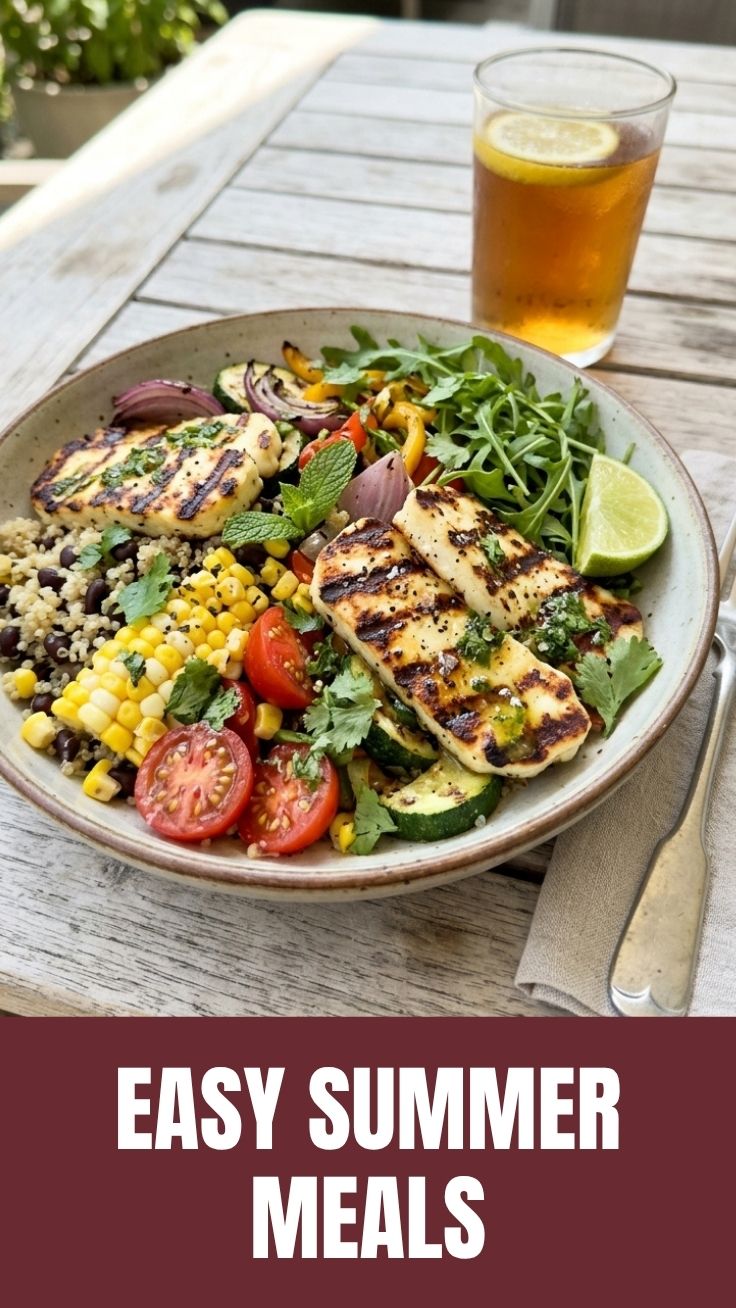
– Make it a meal: Serve alongside grilled halloumi or a side of hummus.
Common Mistakes to Avoid
– Overcooking pasta: Mushy orzo ruins texture. Set a timer and taste-test one minute before the package says.
– Skipping the rinse: Rinsing stops cooking and prevents sticky clumps – don’t skip it.
– Dressing too early: If you dress too far ahead, the pasta absorbs everything and becomes dry. Add dressing up to 4 hours before serving, not overnight.
– Not seasoning the water: Salt the pasta water generously – it’s your only chance to season the orzo itself.
Storage & Meal Prep Tips
– Refrigerate: Store in an airtight container for up to 4 days. The flavors actually improve after 24 hours.
– Freeze? Not recommended – the veggies lose crunch and dressing splits.
– Reheating: Serve cold; if you prefer warm, microwave for 30 seconds (texture may soften slightly). To revive, add a splash of lemon juice or olive oil before serving.
Conclusion
This orzo salad proves that high protein vegetarian summer meals can be both effortless and incredibly delicious. By combining chickpeas, fresh veggies, and a zesty lemon dressing, you get a dish that’s perfect for picnics, quick lunches, or light dinners. And when you need an extra boost of nutrition, a plant based protein smoothies makes an excellent companion. Give this recipe a try this week, and don’t forget to tag your creation or share your favorite variation in the comments below!
FAQs
1. Can I use a different pasta instead of orzo?
Yes, small shapes like ditalini, farfalle, or even couscous work well. Adjust cook times accordingly.
2. How can I make this salad nut-free?
It’s naturally nut-free. Just avoid adding pine nuts or almonds. The dressing uses olive oil, no nuts.
3. Why are my chickpeas still hard after cooking?
If using canned chickpeas, they’re already cooked. If using dried, you must soak and boil them first. For speed, always use canned (drained and rinsed).
4. Can I add fruit like mango or berries?
Absolutely! Diced mango or dried cranberries add sweetness. For a savory twist, try sliced olives.
5. How do I prevent the salad from becoming watery?
Salt the cucumber and let it sit for 5 minutes, then pat dry. Also, use tomatoes that are firm and not overly ripe.
Enjoy your protein-packed summer feast!
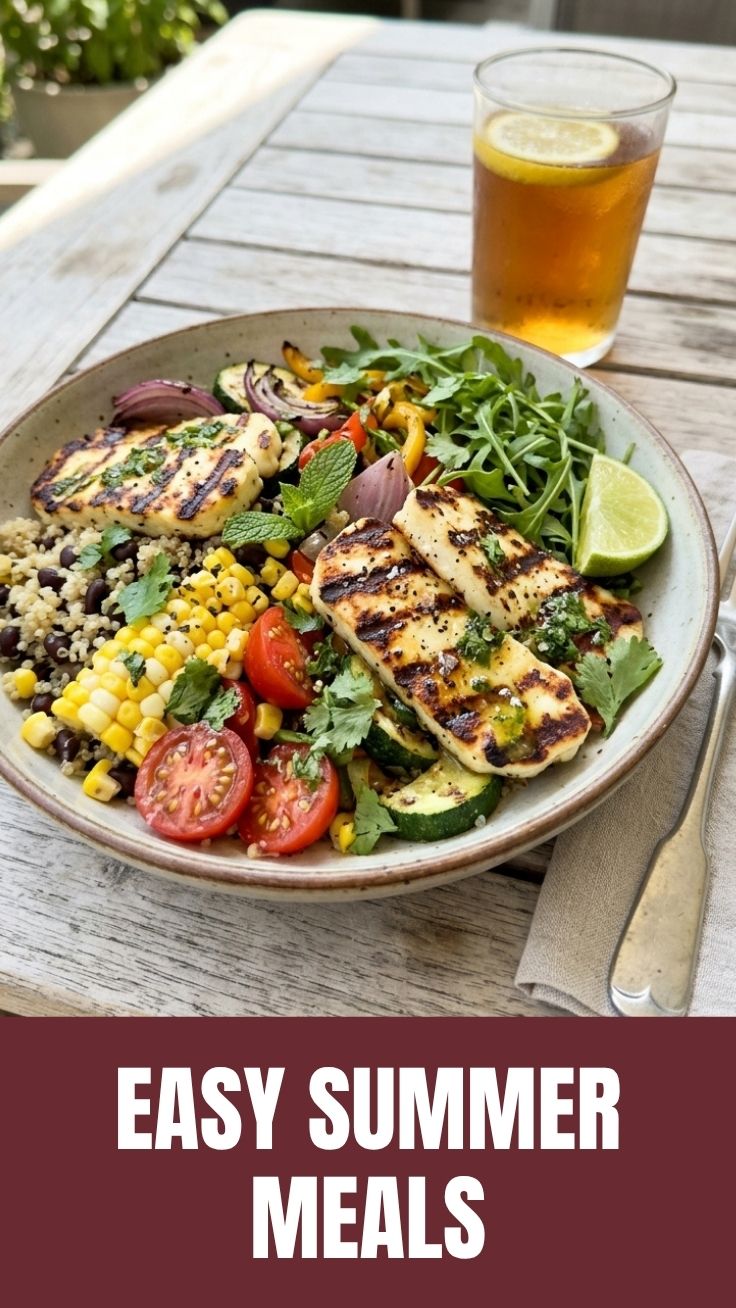
Best way to grow with 6 high protein vegetarian summer meals
Ingredients
Equipment
Method
- Plan your meals for the week, focusing on a variety of vegetables, legumes, and whole grains for each of the six high-protein vegetarian summer meals.
- Prepare your ingredients by washing and chopping vegetables, cooking any grains, and draining and rinsing legumes.
- Assemble your chosen meals, incorporating protein sources like tofu, tempeh, nuts, or seeds, and season them with herbs and spices.
- Cook or prepare meals as needed, which might involve roasting, stir-frying, or simply combining ingredients for salads.
- Store prepared meals in airtight containers in the refrigerator for easy access throughout the week.