The Ultimate Hoisin Garlic Noodles Recipe: A Flavor-Packed Weeknight Dinner
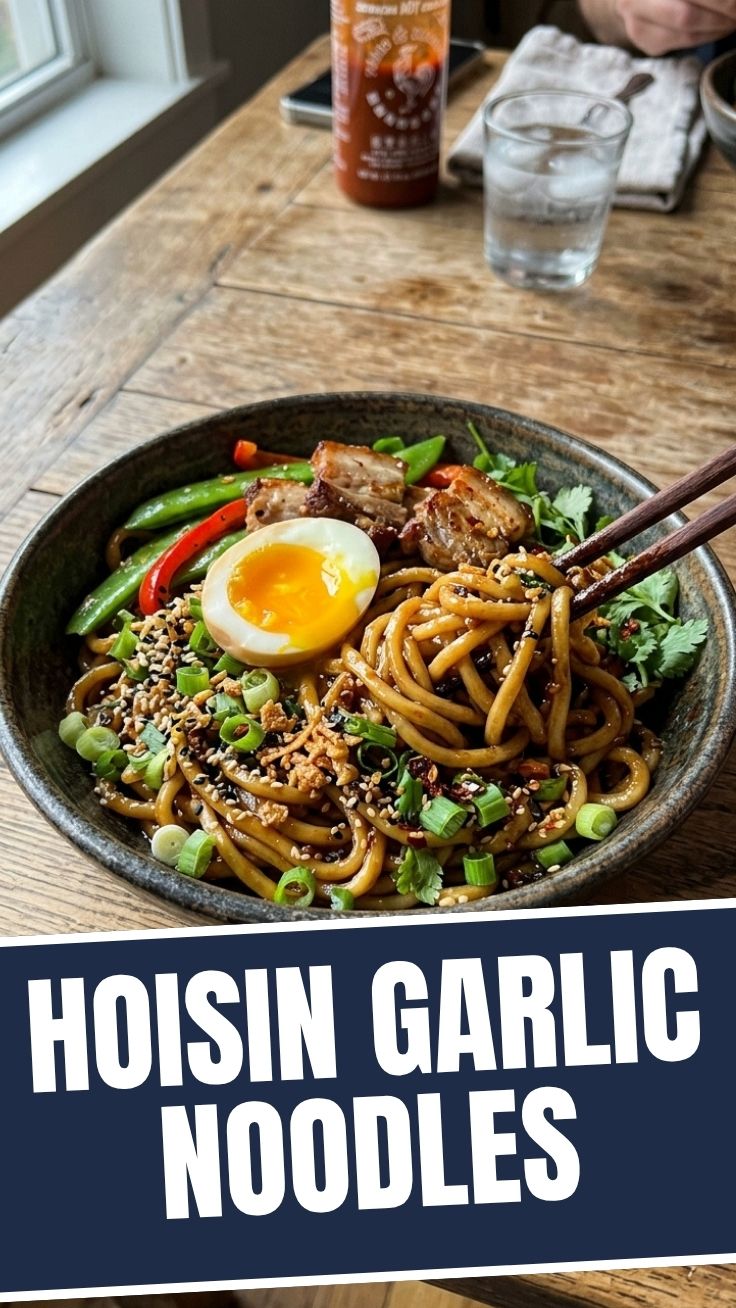
Have you ever craved a noodle dish that perfectly balances savory, sweet, and umami flavors—all in under 30 minutes? If you’ve been searching for a quick, restaurant-quality meal that doesn’t require exotic ingredients or advanced techniques, you’ve come to the right place. Preparing Hoisin Garlic Noodles at home is not only faster than takeout but also allows you to control the quality and freshness of every ingredient. This dish, a shining star among popular asian noodle recipes, delivers deep caramelized garlic notes paired with the rich, tangy-sweet punch of hoisin sauce. Let’s dive into making this irresistible bowl of comfort.
—
Ingredients & Kitchen Tools
Ingredients
– 8 oz dried lo mein or udon noodles – Wide, chewy noodles work best for absorbing sauce
– 3 tbsp hoisin sauce – The backbone of flavor; choose a brand without high-fructose corn syrup for best results
– 2 tbsp soy sauce (or tamari for gluten-free) – Adds saltiness and depth
– 1 tbsp dark soy sauce – Optional, for richer color and slight sweetness
– 1 tbsp rice vinegar – Brightens the sauce and balances richness
– 1 tbsp brown sugar or honey – Enhances the caramelization of garlic
– 6 cloves garlic, thinly sliced – Fresh garlic is non-negotiable for that aromatic punch
– 2 tbsp neutral oil (avocado or grapeseed) – For stir-frying without burning garlic
– 1 tsp sesame oil – For finishing, adds nutty aroma
– Optional protein: 8 oz ground beef or sliced chicken – Makes it a complete meal
– Optional garnishes: sliced green onions, toasted sesame seeds, chili crisp
Kitchen Tools
| Tool | Purpose |
|——|———|
| Large pot | Boiling noodles |
| Wok or large skillet | Sautéing garlic and combining ingredients |
| Colander | Draining noodles |
| Small bowl | Mixing sauce |
| Chef’s knife & cutting board | Prepping garlic and garnishes |
| Tongs or chopsticks | Tossing noodles without breaking them |
Substitutions Note: For a gluten-free version, use rice noodles and tamari. If hoisin isn’t available, mix 2 tbsp miso paste + 1 tbsp molasses + 1 tsp five-spice powder.
—
Prep Time & Cooking Schedule
| Stage | Time |
|——-|——|
| Prep Time | 10 minutes (slice garlic, mix sauce, chop garnishes) |
| Cook Time | 12 minutes (noodles 8 min + stir-fry 4 min) |
| Total Time | 22 minutes |
Planning Tip: While the pasta water comes to a boil, mix your sauce and slice garlic. This dish moves fast once you start stir-frying—having everything ready is essential.
—
Step-by-Step Instructions
1. Boil noodles according to package directions until al dente (usually 6–8 minutes). Drain well, then rinse with cold water to stop cooking and prevent stickiness. Set aside.
2. In a small bowl, whisk together hoisin sauce, soy sauce, rice vinegar, brown sugar, and 2 tbsp water – this forms your base sauce. The sweetness of the hoisin will caramelize beautifully with the garlic.
3. Heat neutral oil in a wok over medium-high heat until shimmering. Add sliced garlic and stir-fry for 20–30 seconds until fragrant and just starting to turn golden. Do not brown the garlic fully—it will continue cooking later and can turn bitter if overdone.
4. If using protein, add it now and cook until browned (about 3 minutes for ground beef). Break it into small pieces with a spatula.
5. Add the drained noodles and the prepared sauce to the wok. Toss vigorously with tongs for 60–90 seconds, ensuring every strand is coated. The sauce should cling to the noodles and reduce slightly.
6. Drizzle with sesame oil, toss once more, and remove from heat. Garnish with green onions and sesame seeds.
> Pro Tip: For that signature noodle dish flavor, let the noodles get slight charred spots on the bottom—similar to the wok hei effect—by keeping heat high and not overcrowding the pan. This is a key technique in many asian noodle recipes that rely on high-heat searing.
—
Nutritional Benefits & Advantages
| Benefit | Detail |
|———|——–|
| Key Nutrients | Garlic provides allicin (immune support), hoisin sauce contains molasses (iron & magnesium) |
| Calories | ~420 per serving (without protein) |
| Protein | 12g from noodles + additional from added protein |
| Dietary Flexibility | Easily made vegetarian, vegan, or gluten-free |
| Quick Energy | Complex carbs from noodles for sustained energy |
Health Advantage: Unlike takeout versions, this homemade recipe has no MSG, less sodium (control the soy sauce), and uses heart-healthy sesame oil. The garlic content also supports cardiovascular health.
—
Tips Variations & Cooking Advice
– Spicy kick: Add 1 tsp sriracha or gochujang to the sauce for heat.
– Vegetarian/vegan: Use mushroom-based hoisin sauce and add sautéed shiitake mushrooms.
– Crispy texture: Pan-fry the noodles separately before adding sauce for crunchy edges.
– Meal prep: Make sauce up to 5 days ahead; store in the fridge. Cook noodles fresh.
– Low-carb option: Use zucchini noodles or shirataki noodles, but reduce sauce by 1/3.
– Flavor boost: Add 1/2 tsp Chinese five-spice powder to the sauce for aromatic depth.
– Serving suggestion: Pair with steamed bok choy or a simple cucumber salad for balance.
—
Common Mistakes to Avoid
1. Burning the garlic – Garlic cooks fast; remove from heat immediately once fragrant. Burnt garlic ruins the sweet undertone of the sauce.
2. Overcooking noodles – Slightly undercook (al dente) because they’ll cook further in the sauce. Mushy noodles lose their satisfying chew.
3. Skipping the rinse – Rinsing cooked noodles removes surface starch, preventing a gummy, clumpy result.
4. Adding sauce too early – Wait until garlic is fragrant and (if using) protein is browned to prevent the sauce from steaming rather than coating.
5. Using cold noodles – Room-temperature noodles absorb sauce better; rinse with warm water if refrigerated.
—
Storage & Meal Prep Tips
| Storage Method | Duration | Instructions |
|—————-|———-|————–|
| Refrigeration | 3–4 days | Store in airtight container. Separate sauce if possible. |
| Freezing | Up to 1 month | Freeze sauce only (noodles turn mushy when thawed). |
| Reheating | 2–3 min | Reheat in wok with 1 tbsp water over medium heat, tossing frequently. Avoid microwave—makes noodles chewy. |
Pro Tip for Meal Prep: Cook noodles and make sauce separately. Combine only when ready to serve. Prep garlic slices and garnishes in advance for 5-minute assembly.
—
Conclusion
This Hoisin Garlic Noodles recipe proves that bold, authentic flavor doesn’t require a trip to your favorite restaurant. By mastering the simple balance of caramelized garlic, rich hoisin sauce, and perfectly cooked noodles, you’ve unlocked a versatile base that can become your go-to weeknight dinner. Whether you stick to the basics or experiment with added protein and vegetables, this dish embodies everything we love about asian noodle recipes—speed, satisfaction, and a symphony of textures. Try it tonight, and don’t forget to tag your creations—we’d love to see your twist!
—
FAQs
Q: Can I use other types of noodles?
A: Absolutely! Soba, udon, or even spaghetti work. Adjust cooking time to avoid mushiness.
Q: My sauce turned out too salty—how do I fix it?
A: Add 1 tsp honey and 2 tbsp water to dilute. The sweetness will balance the salt.
Q: Can I make this without hoisin sauce?
A: Yes! Mix 2 tbsp miso paste + 1 tbsp molasses + 1 tsp five-spice as a substitute. Flavor will be slightly different but still delicious.
Q: How do I prevent noodles from sticking together?
A: Rinse with cold water after boiling, then toss with 1 tsp sesame oil before adding sauce. This creates a protective coat.
Q: Can I use pre-minced garlic from a jar?
A: Fresh garlic is strongly recommended—jarred garlic lacks the aromatic intensity and burns faster. If in a pinch, use half the amount.
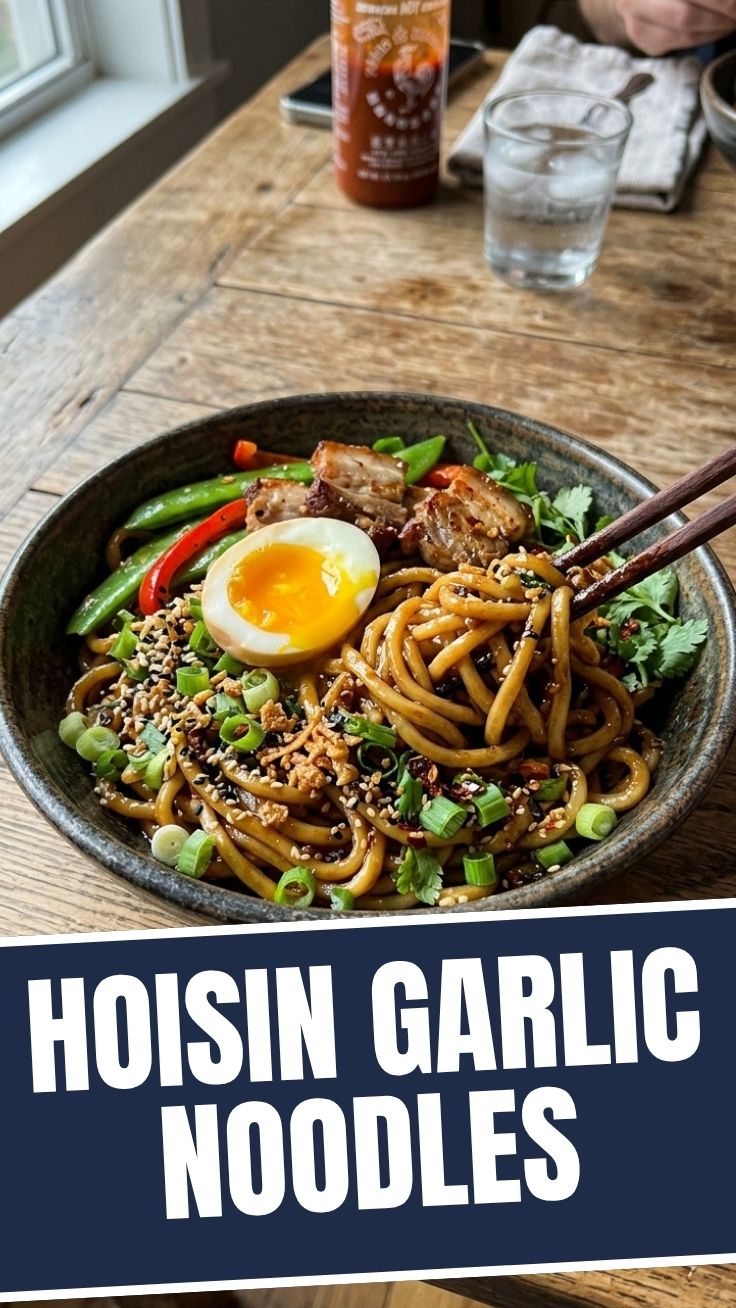
Best way to grow Hoisin Garlic Noodles
Ingredients
Equipment
Method
- Plant fresh noodles in a deep pot filled with enriched soil, ensuring they are fully covered. Water thoroughly and place in a sunny spot, allowing them to absorb nutrients.
- Meanwhile, prepare the magic growth elixir by combining hoisin sauce, soy sauce, rice vinegar, sesame oil, minced garlic, grated ginger, and optional red pepper flakes in a bowl.
- Once the noodles have "grown" (representing cooking), drain them well and transfer them back to the pot or a large bowl. Pour the prepared elixir over the noodles, tossing gently to ensure even coating.
- Garnish with freshly "harvested" sliced green onions and a sprinkle of sesame seeds. Serve immediately and enjoy your magically grown Hoisin Garlic Noodles.